Wardrobe Reset Checklist
A wardrobe reset works best when you empty the space completely, sort every item into keep, alter, donate, or discard piles, then rebuild using a system based on how you actually get dressed. The biggest limitation is time: a closet packed with years of accumulation usually needs at least a full afternoon, and rushing it is the most common reason resets fall apart within a month.
If your closet is small or shared, you may not be able to lay everything out on the bed or floor at once, which changes how you should sequence the sorting steps below.
⚡ The TidyFormula™ Quick Decision
Best approach: Remove everything from the closet, sort by category and condition, then return only what fits your current lifestyle, size, and season before organizing by frequency of use.
Use caution with: Sentimental items, formalwear you rarely wear, and anything that still has tags — these need a firm decision rule or they will stall the whole process.
Stop and reassess if: You find mold, moth damage, a strong mildew odor, or fabric that has weakened or yellowed, since these issues need cleaning or repair decisions before the item goes back in rotation.
What I Use For This Job
Using the right tools saves time and protects your belongings. Here are my exact recommendations:
*As an Amazon Associate, TidyFormula earns from qualifying purchases.
What to Do Before You Start Pulling Clothes Out
Set aside a block of uninterrupted time. A full closet reset is not a twenty-minute task, and stopping halfway with clothes piled on every surface tends to make the space feel worse, not better. Grab a few sorting containers or laundry baskets labeled Keep, Alter, Donate, and Toss, plus a bag for items that need cleaning before you can decide.
Check the weather and your calendar for the next few months. If you’re resetting in early fall, for example, you’ll want swimwear and tank tops accessible for storage rather than sorted as if they’re going straight back into daily rotation.
Wardrobe Reset Checklist, Step by Step
- Empty the entire space. Pull every hanger, folded stack, and shoe out, including the top shelf and floor. You cannot accurately judge what you own while half of it is still hidden.
- Sort by category first, condition second. Group all tops together, all bottoms together, and so on. Within each group, separate what fits and looks good from what’s stretched, faded, or outdated.
- Apply a one-year rule to undecided items. If you haven’t worn something in over a year and it’s not a special-occasion piece, move it toward donate or discard rather than keep for a hypothetical future need.
- Handle stains and damage before deciding. An item with a fixable stain shouldn’t automatically go in the toss pile, but it also shouldn’t go back in the closet unwashed. Set it aside in a separate “needs treatment” bag so a stain doesn’t get buried and forgotten.
- Check the care label before treating anything unfamiliar. Wool, silk, and structured pieces often need dry cleaning or hand washing rather than a home stain-removal attempt, and treating them the wrong way can cause shrinking or discoloration.
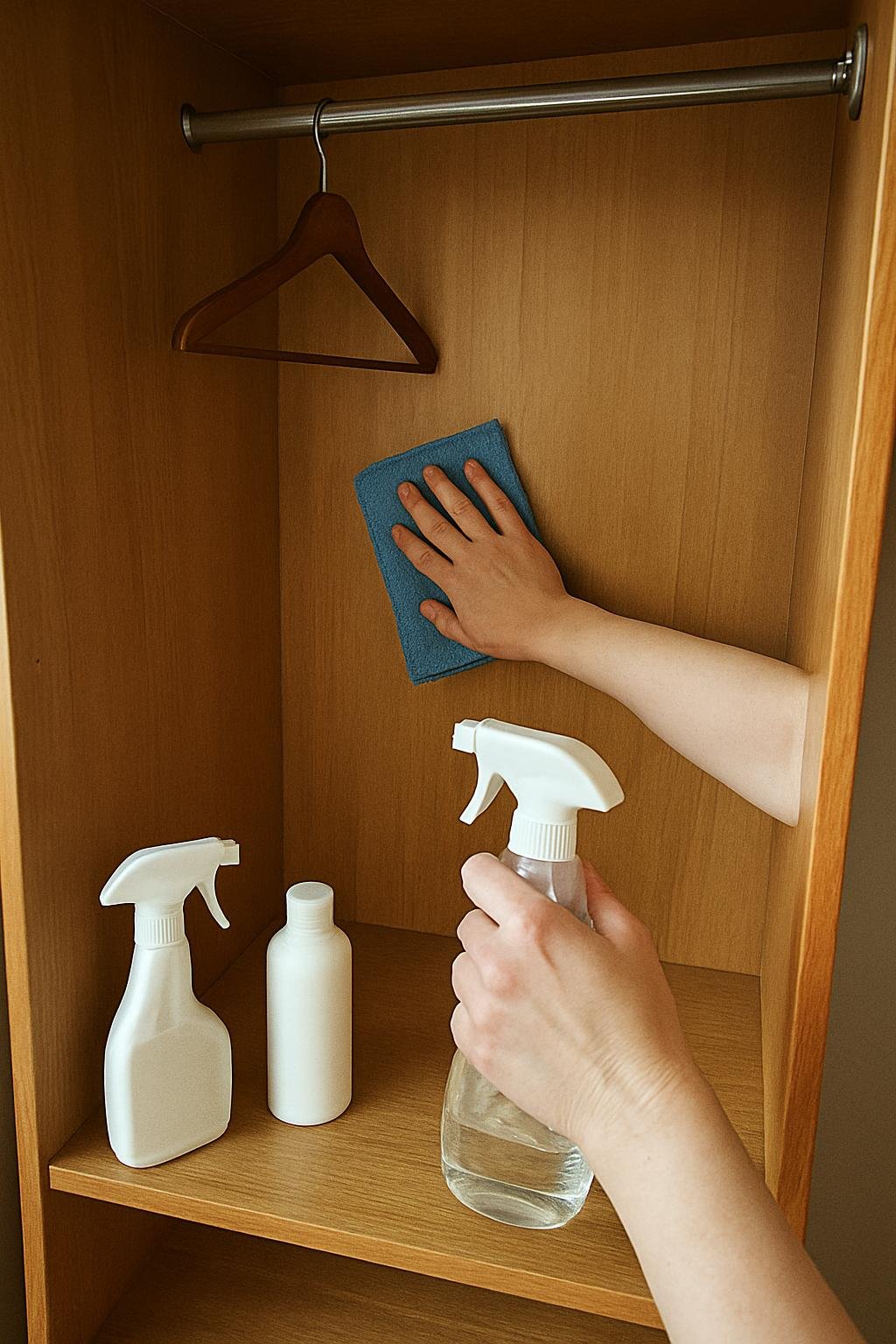
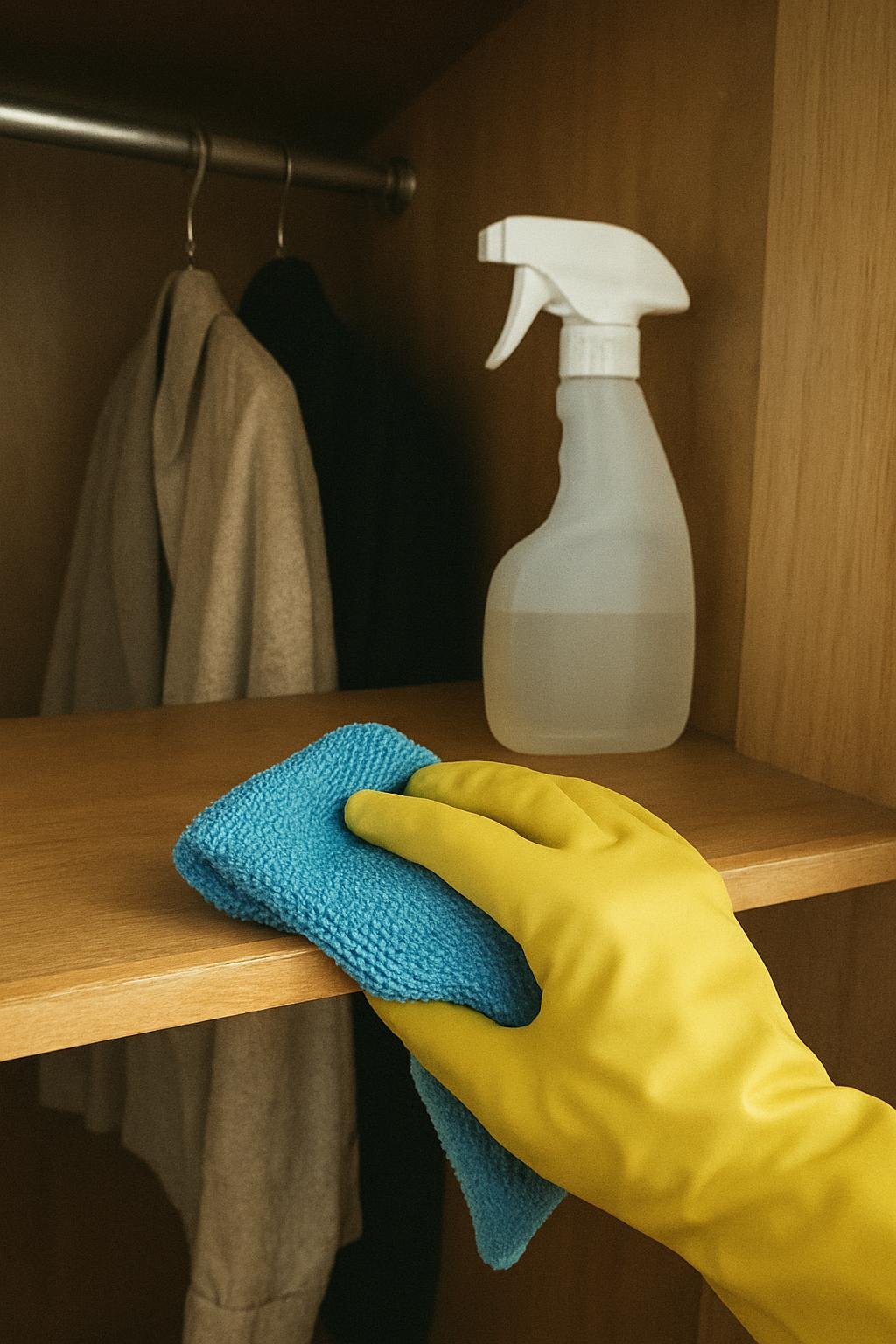
- Wipe down the empty closet. Dust shelves, vacuum the floor, and check corners for signs of moths or moisture before anything goes back in.
- Return items by frequency of use, not by category alone. Everyday pieces belong at eye level and within easy reach. Rarely worn formalwear can go higher or toward the back.
- Group by outfit logic if you’re short on space. Hanging a work blouse next to the pants you actually pair with it saves time every morning and helps you notice gaps in your wardrobe.
Best Way to Handle a Wardrobe Reset in a Small Space
When there’s no bed-sized surface to spread everything out on, work in smaller batches instead of emptying the whole closet at once. Sort one category — shirts, then pants, then outerwear — fully before moving to the next. This keeps piles from taking over a studio apartment or shared room and makes it easier to put things back if you get interrupted.
Vertical space matters more in small closets. Stackable bins, over-the-door shoe organizers, and slim hangers create real capacity without adding furniture. Off-season items are the best candidates for under-bed storage bins, freeing hanging space for what you’re actually wearing right now.
Wardrobe Reset Mistakes to Avoid
The most common mistake is keeping items “just in case” without a specific plan for when that case would happen. A vague sense that you might need it someday isn’t a strong enough reason to keep something that no longer fits or suits your life.
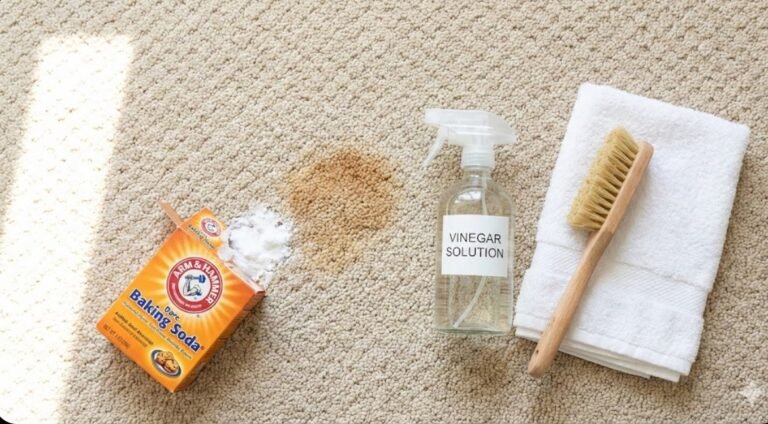
Another frequent misstep is skipping the cleaning step during sorting. Putting worn or stained clothing straight back into a closet can lead to lingering odor or set-in stains that get harder to treat over time. If you’re dealing with fabric-based stains elsewhere in the house during the same cleanup, a resource like the guide to removing dried slime from carpet can help with a related mess without derailing your wardrobe timeline.
Reorganizing without a system is another trap. If you simply put clothes back in the same arrangement they came out of, you’ll likely end up in the same cluttered state within a few weeks. Decide on a logic — by color, by category, by frequency of use — before you start rehanging.
Wardrobe Reset Maintenance Tips
A reset holds up longer when you build in a simple return rule: for every new item that comes into the closet, one similar item goes out. This keeps the space from slowly refilling to its old volume.
Do a quick five-minute check each season change rather than waiting for another full reset. Pull anything that’s stained, torn, or unworn from the past year and route it to your donate or treat pile immediately, instead of letting it accumulate.
If you’re tackling closet organization as part of a broader home cleaning push, pairing it with a household cleaning checklist or a cleaning chores checklist can help you keep momentum without losing track of other rooms that need attention.
When Cleaning Isn’t Enough
Some items pulled from storage need more than a wash before they’re wearable again. Persistent odor, visible mildew spotting, or fabric that feels weakened or brittle are signs the item may not be salvageable through home laundering. In those cases, a professional cleaner can assess whether the piece is worth restoring or whether it belongs in the discard pile.
If you uncover items with unexpected stains from long-term storage, such as bedding or mattress toppers stored in the same closet, a specific resource like the guide for removing urine stains from a mattress topper can help you address that separately from the clothing sort.
Everything Mentioned Above
Before you leave, grab the tools you need to get the job done right the first time:
*As an Amazon Associate, TidyFormula earns from qualifying purchases.