How to Clean Walls Without Removing ThePaint (No Peeling, No Fading)
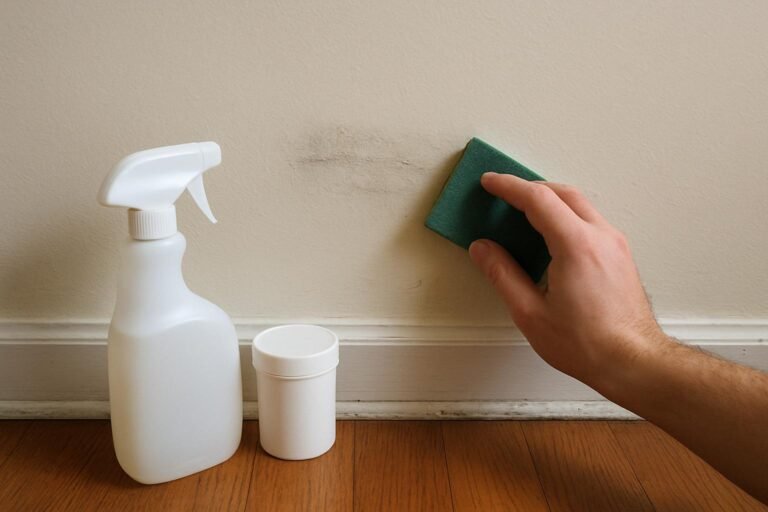
There is a specific kind of panic that sets in when you are scrubbing a stain off a wall, and suddenly, the cloth turns the same color as your paint. You successfully removed the dirt, but you took the finish with it.
As a researcher here at TidyFormula, I see this happen constantly. The problem isn’t usually the wall itself; it’s the chemistry of the cleaner interacting aggressively with the paint’s binder. Whether you are dealing with a muddy dog print or a mystery scuff, the goal is to break the bond between the dirt and the surface without dissolving the pigment.
If you are wondering how to clean walls without removing the paint, you have come to the right place. Just like our approach to cleaning windows without streaks, we are going to put away the harsh abrasives and use a method I call “The Micro-Emulsion Swab Technique.” It relies on gentle chemical suspension rather than brute force.
⚡ The TidyFormula™ Quick Answer
The Recommendation: Use a “Two-Bucket” system with a solution of warm water and mild dish soap (pH-neutral surfactant) applied via a microfiber cloth in a circular motion.
- The Mix: 1 teaspoon dish soap per gallon of warm water.
- Time: 15–20 minutes per wall.
- Effectiveness: High (Safest for Eggshell, Satin, and Semi-Gloss).
What I Use For This Job
Using the right tools saves time and protects your belongings. Here are my exact recommendations:
*As an Amazon Associate, TidyFormula earns from qualifying purchases.
The “Micro-Emulsion Swab” Technique
Before we start mixing solutions, we need to understand the surface we are treating. Paint is essentially pigment (color) suspended in a binder (glue). When you scrub too hard or use harsh chemicals, you degrade that binder.
This method is designed to be the safest answer for how to clean walls without damaging paint, regardless of whether you have an eggshell finish or a semi-gloss sheen.
Phase 1: The Lab Prep (Tools & Ingredients)
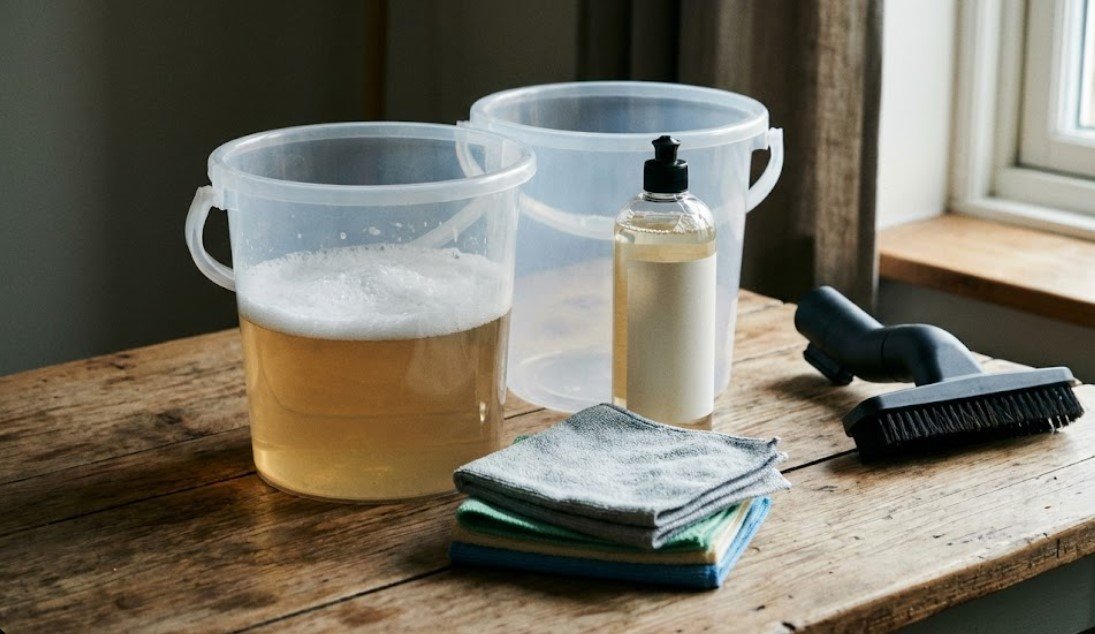
To execute this properly, you need tools that reduce friction. We want the chemistry to do the work, not your muscles.
2 Buckets: One for the cleaning solution, one for clear rinse water.
Mild Liquid Dish Soap: (e.g., Dawn or similar). This acts as our surfactant. Avoid soaps with added bleaching agents or “scrubbing beads.”
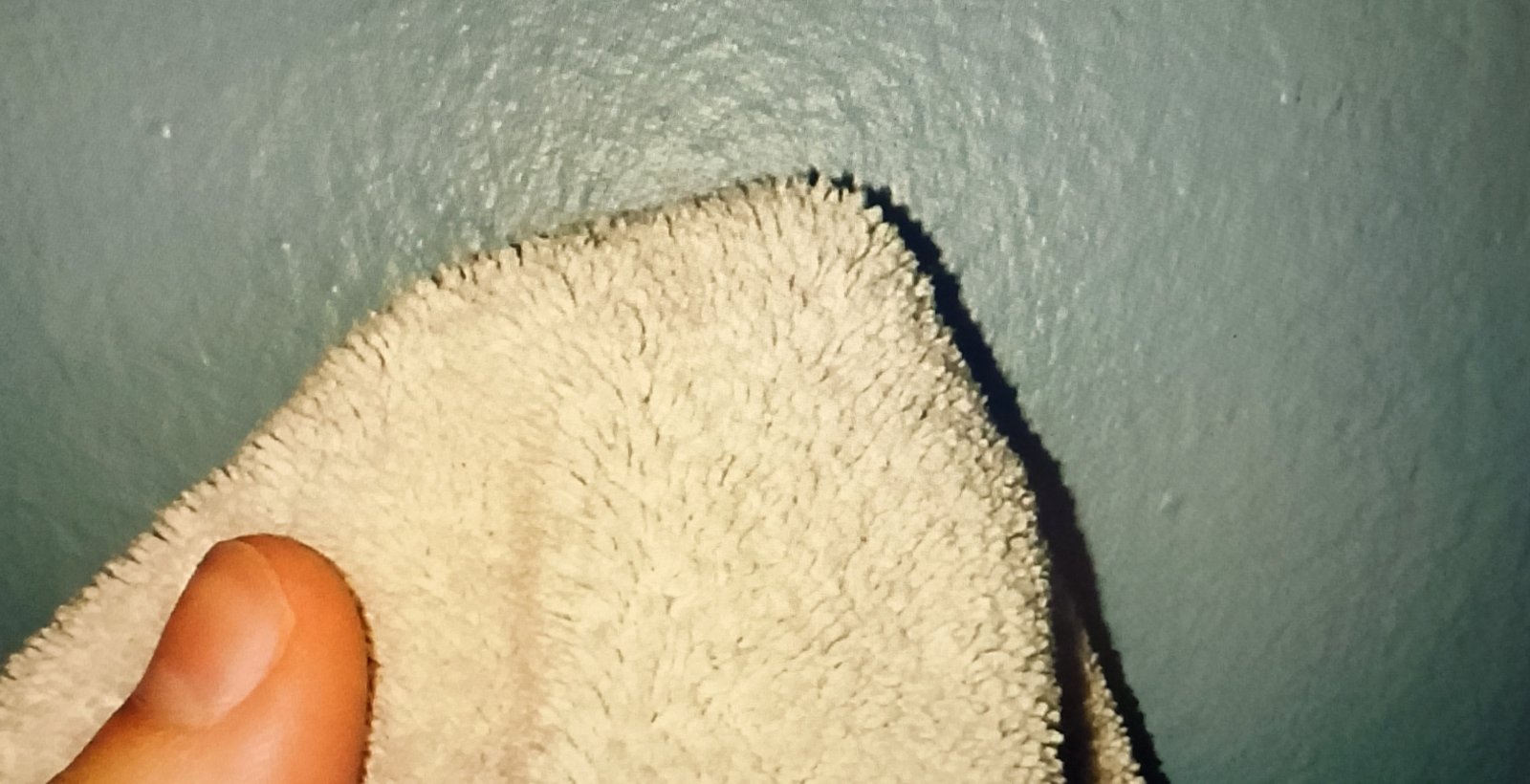
Microfiber Cloths: You need at least three. Microfiber is non-abrasive and traps dirt particles between its fibers rather than dragging them across the paint.
A Vacuum with a Dust Attachment: For the initial prep.
Phase 2: The Step-by-Step Execution
Follow these steps precisely. Skipping the dry dusting phase is the most common reason for streaky walls.
Step 1: The Dry Dust Extraction
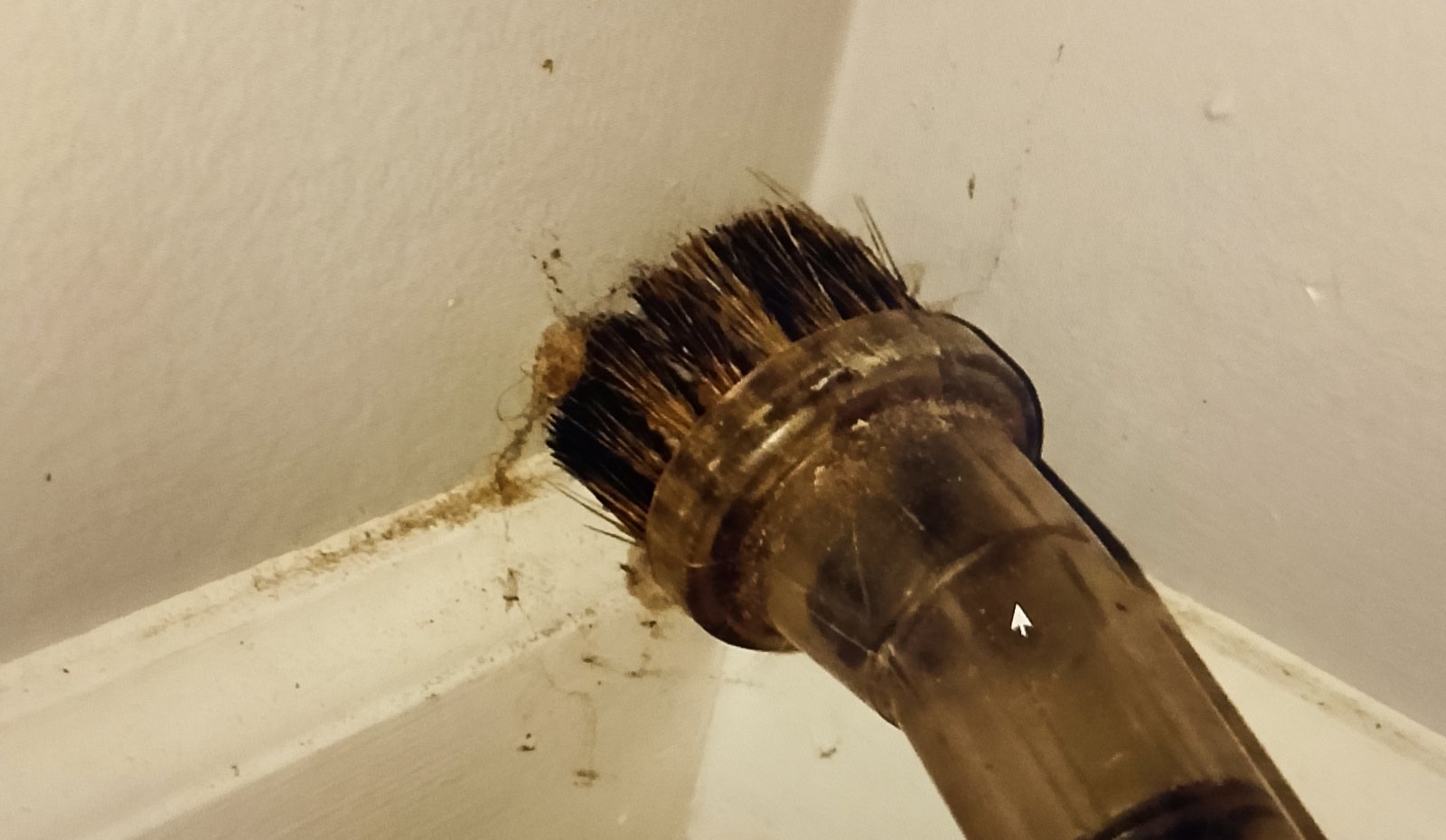
Never wet a dusty wall. If you add water to dust, you create mud. Mud requires scrubbing to remove, and scrubbing kills paint. Gently vacuum the wall from top to bottom using a brush attachment.
Step 2: Create the Solution
Fill your first bucket with one gallon of warm water and mix in just a small amount of dish soap (about a teaspoon). You want a few bubbles, but not a bubble bath. Fill the second bucket with plain, cool water for rinsing.
Step 3: The “Hidden Corner” Test
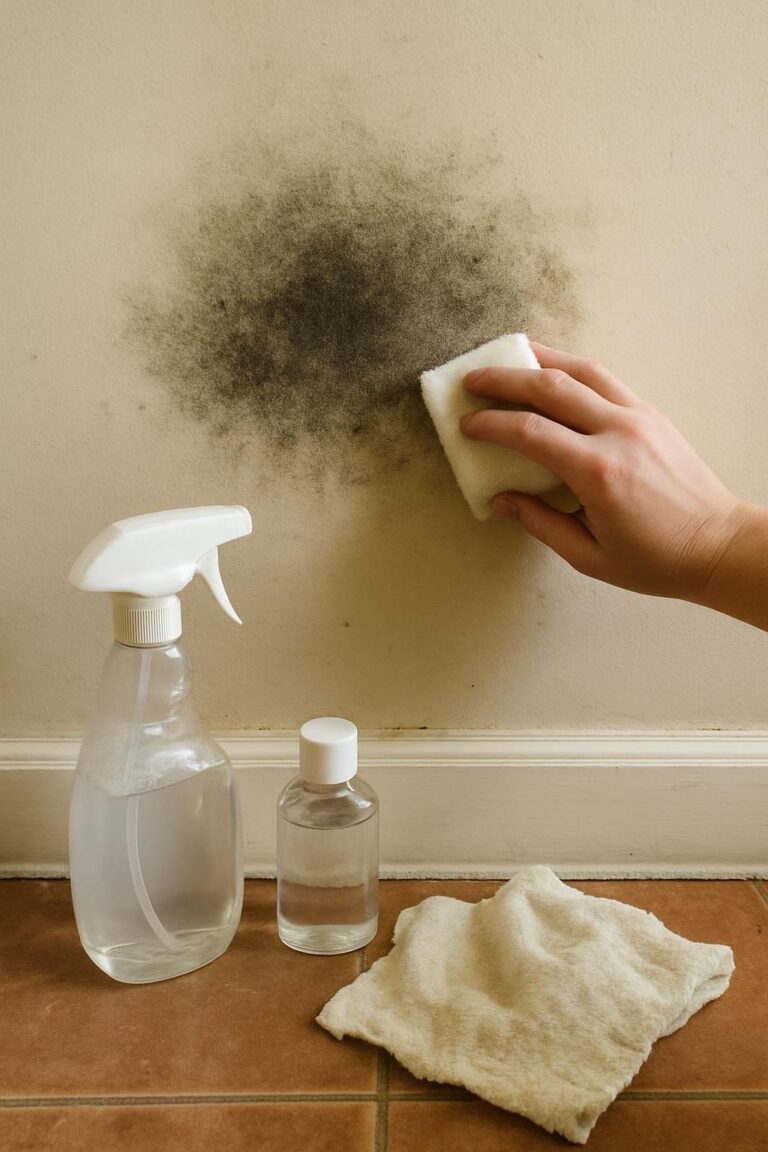
Before tackling the main stain, you need to learn how to clean a wall without removing paint by testing the specific durability of your wall’s finish. Find a spot behind a sofa or near the floor. Dab your soapy solution there and wait 60 seconds. Wipe it gently. If the cloth comes away clean, you are safe to proceed.
Step 4: The Circular Wash
Dip your microfiber cloth into the soapy mix and wring it out until it is damp, not dripping. Water runs can leave permanent streak marks on flat paint.
Work in small sections (about 3×3 feet). Start at the top and work down. Use a gentle circular motion. Think of it like washing your face—you are massaging the dirt off, not sanding it down.
Step 5: The Rinse and Dry
Immediately after washing a section, grab a fresh cloth, dip it in the plain water bucket, wring it out, and wipe away the soap residue. Follow up instantly with a dry microfiber cloth to absorb any remaining moisture.
This immediate drying step is the secret to how to clean walls without removing paint permanently, as prolonged moisture exposure can soften the latex binder in water-based paints.
🧪 The Science: Why It Works
This method relies on the amphiphilic nature of soap molecules (surfactants). The soap molecules have two ends: a hydrophilic (water-loving) head and a hydrophobic (water-hating/oil-loving) tail.
When you apply the damp cloth, the hydrophobic tails latch onto the grease and dirt on your wall. They surround the dirt particle, lifting it off the surface and trapping it in a sphere called a micelle. Once the dirt is trapped in the micelle, it is suspended in the water and can be wiped away by the rinse cloth without requiring the abrasive friction that typically sands down paint layers.
Critical Comparison: Method Safety Analysis
Many homeowners resort to “Magic Erasers” or chemical sprays out of frustration. However, when your goal is determining how to clean walls without removing the paint, looking at the microscopic impact of these tools is revealing.
| Cleaning Agent | Mechanism of Action | Paint Safety Rating | Best Use Case |
| Dish Soap & Water | Chemical Surfactant (Lifts dirt) | High (Safe for most) | General maintenance, grease, dirt. |
| Melamine Sponge (Magic Eraser) | Micro-Abrasion (Sands dirt) | Low (Removes finish) | Last resort for permanent marker on white trim only. |
| Vinegar (Diluted) | Acidic Dissolution | Medium | Removing smells or light mold (may etch some paints). |
| All-Purpose Spray (Ammonia-based) | Alkaline Solvent | Low | Tiles or Glossy Enamel only. Avoid on drywall paint. |
Pro-Tips for Difficult Finishes
The “Flat Paint” Challenge
Flat or matte paint is the most difficult surface to clean. It has a rough microscopic texture that diffuses light, but that texture also holds onto dirt tightly. When you rub flat paint, you often polish the texture, creating a shiny spot (burnishing).
The TidyFormula Fix: Do not rub. Blot. Press the soapy cloth against the stain, let the soap break down the oils for a minute, and then blot it away.
Removing Grease from Kitchen Walls
If dish soap isn’t cutting through heavy kitchen grease, you can add a tablespoon of distilled white vinegar to your bucket. However, proceed with caution. Acids can etch paint over time, so the rinse step becomes doubly important.
⚠️ Safety First: If your home was built before 1978, be extremely careful about disturbing paint, as it may contain lead. Never sand or vigorously scrub chipping paint in older homes without testing for lead first.
Frequently Asked Questions (FAQ)
🚫 Can I use a Magic Eraser on painted walls?
Technically, yes, but proceed with extreme caution. Melamine sponges work like extremely fine sandpaper (3000-5000 grit). They clean by scraping off the top layer of the surface. On painted walls, this often leaves a dull spot or removes the color entirely. It is not the recommended method if you are looking for how to clean walls without removing the paint.
🧪 How do I clean white walls without removing the paint?
White walls show dirt easily but often hide the “fading” caused by scrubbing better than dark walls. However, the gloss can still be ruined. Stick to the dish soap method. For stubborn scuffs on white walls, a paste of baking soda and water applied gently can act as a mild abrasive that is safer than a melamine sponge.
⚠️ Does vinegar damage wall paint?
It can. Vinegar is acetic acid. While it is a great natural cleaner, if used neat (undiluted) or left on too long, it can eat away at the protective coating of the paint, making it look dull. Always dilute it with water (1 part vinegar to 10 parts water) and rinse well.
📅 How often should I wash my painted walls?
To preserve the paint, wash them as infrequently as possible—ideally once a year during deep cleaning, or spot clean as needed. Constant wetting and drying cycles can weaken the paint’s bond to the drywall.
❓ Why does my paint look shiny after I clean it?
This is called “burnishing.” It happens when you scrub a flat or eggshell finish too hard. You have essentially polished the rough texture of the paint until it became smooth and reflective. Unfortunately, the only way to fix burnishing is to repaint that section.
Everything Mentioned Above
Before you leave, grab the tools you need to get the job done right the first time:
*As an Amazon Associate, TidyFormula earns from qualifying purchases.