How to Remove Scuff Marks from Painted Walls
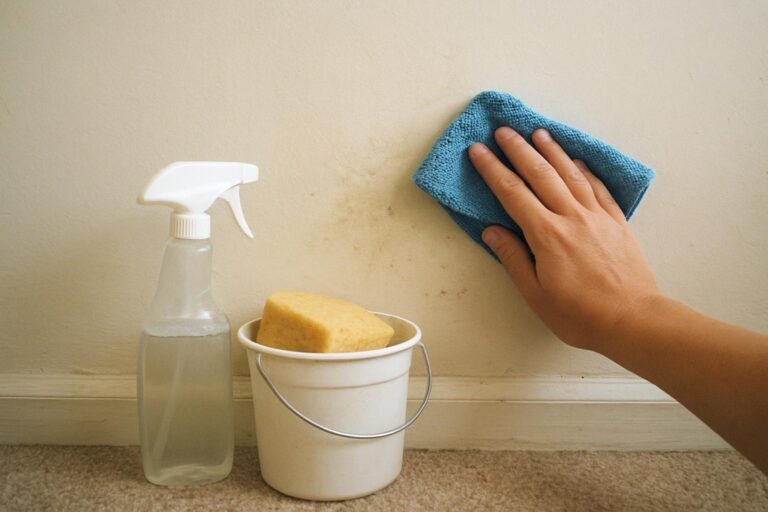
The safest way to remove scuff marks from painted walls is to start with a barely damp microfiber cloth and a drop of mild dish soap, wiping gently in small circles rather than scrubbing. If that doesn’t lift the mark, a melamine foam eraser can help, but it works better on some paint finishes than others and can dull glossy or satin sheens if you press too hard.
Scuff marks tend to show up in the same spots over and over, near doorways, hallway corners, behind chairs, and around light switches where shoes, backpacks, and furniture legs brush against the wall. The right removal method depends heavily on the paint finish and how old or well-cured the paint is, so it helps to know what you’re working with before you start rubbing at it.
⚡ The TidyFormula™ Quick Decision
Best approach: Wipe with a barely damp microfiber cloth and a drop of mild dish soap first, then try a melamine foam eraser with light pressure only if soap alone doesn’t work.
Use caution with: Flat or matte paint, which scuffs more easily and can also show shiny or discolored patches if you scrub too hard or use an abrasive eraser.
Stop and reassess if: The wall starts to shine, the color looks patchy or lighter where you cleaned, or the paint feels tacky or starts to lift, since that usually means it’s time to switch to a gentler method or accept a touch-up paint job instead.
What I Use For This Job
Using the right tools saves time and protects your belongings. Here are my exact recommendations:
*As an Amazon Associate, TidyFormula earns from qualifying purchases.
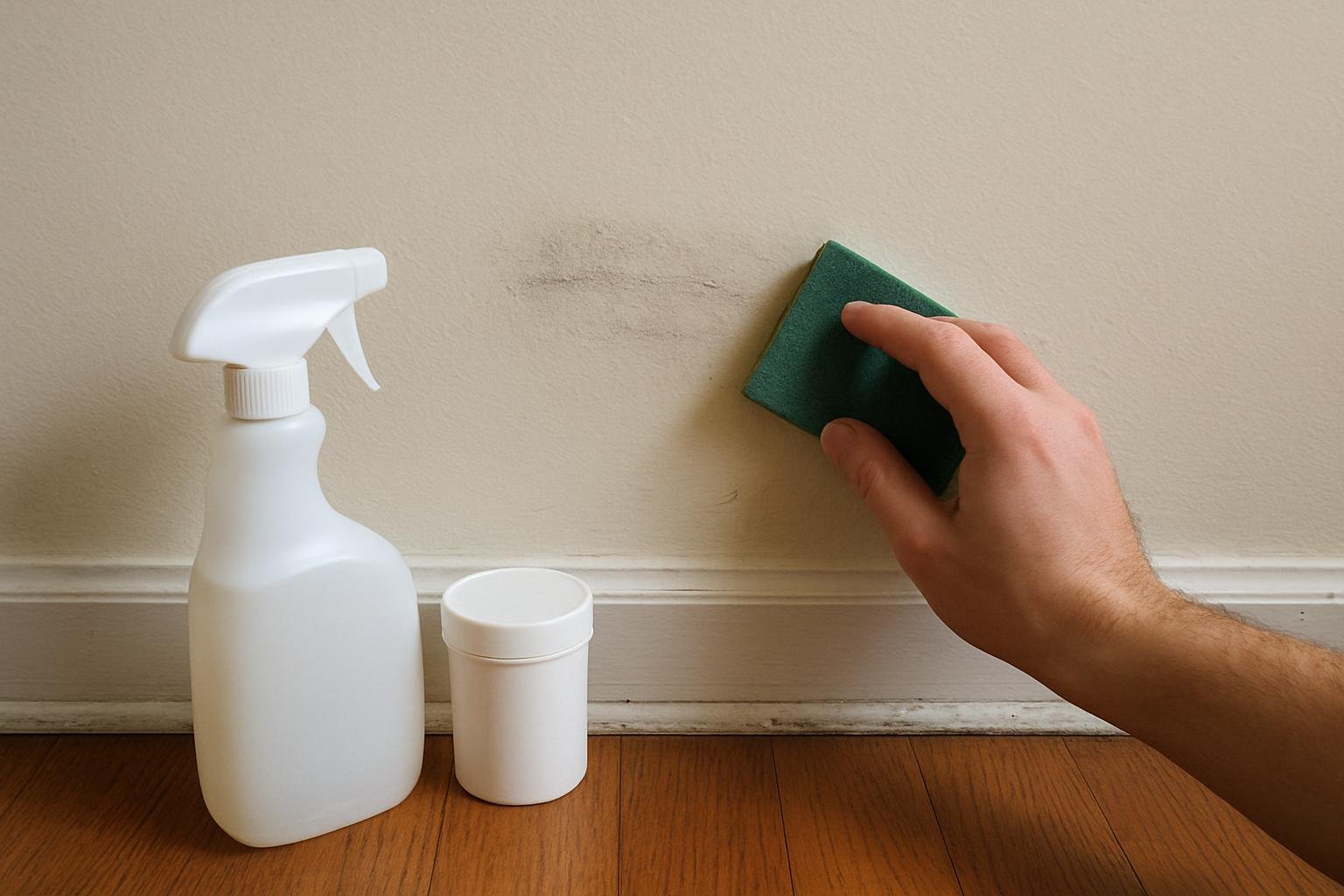
Check the Paint Finish Before You Clean
Painted walls aren’t all created equal, and the finish matters more than the type of scuff mark on the wall. Flat and matte paints have a porous, low-sheen surface that resists scrubbing and can develop shiny or discolored patches if you rub too hard or use anything abrasive. Eggshell, satin, and semi-gloss finishes have more binder in the paint, which makes them noticeably more washable and better able to tolerate a damp cloth or foam eraser.
If you don’t know the finish, look at how the wall reflects light. Flat paint looks uniformly dull with no shine at any angle. Satin and semi-gloss show a soft or noticeable sheen when light hits them directly. When in doubt, test your chosen cleaning method in a small, hidden area first, such as behind a door or inside a closet, and check it after it dries before treating the visible scuff.
Step-by-Step Method for Most Scuff Marks
- Dry-wipe first. Rub the scuff with a dry microfiber cloth or a clean pencil eraser. Many light scuff marks, especially from rubber soles, come off with dry friction alone and this step never risks damaging the paint.
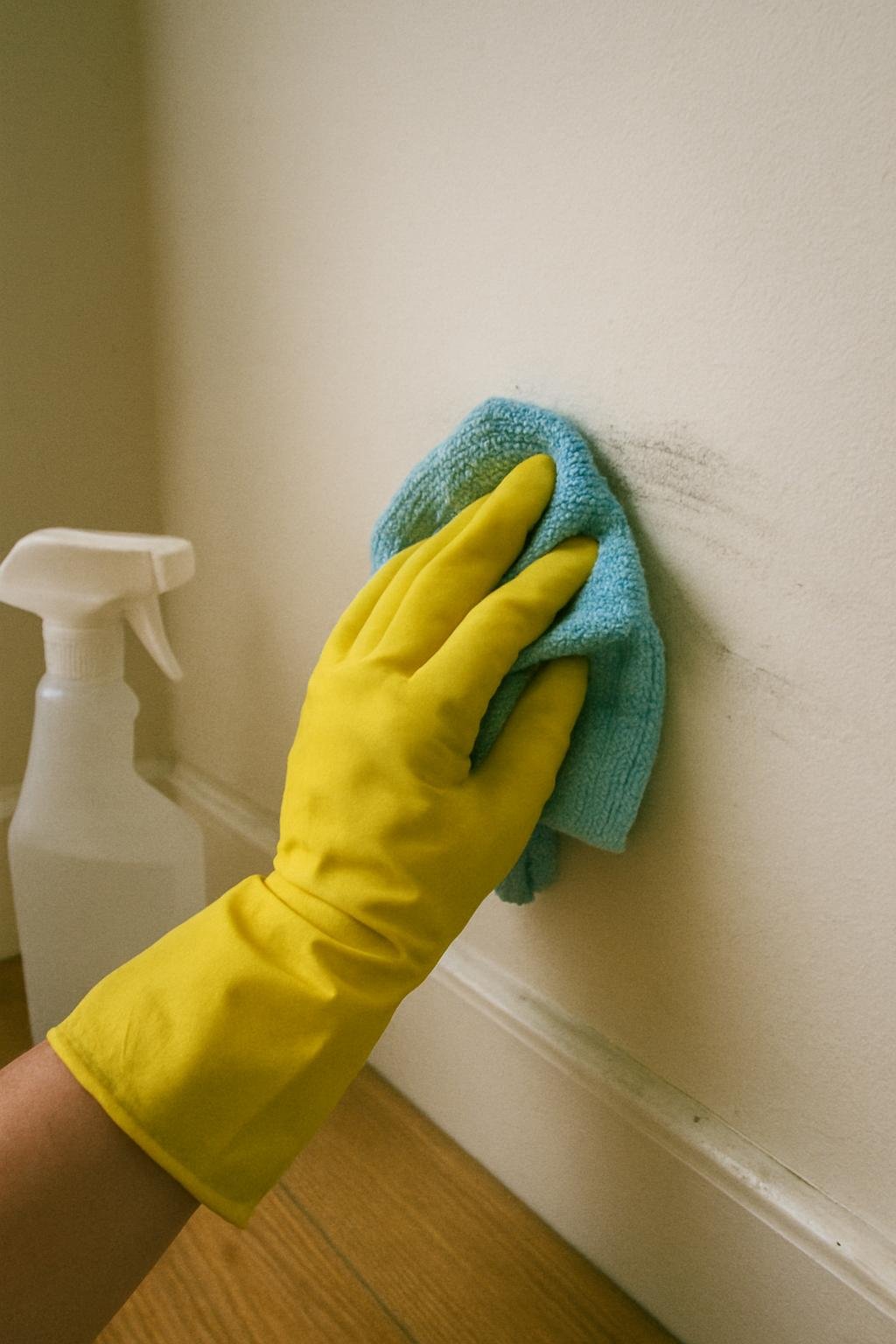
- Dampen a cloth with mild soap. If dry wiping doesn’t fully clear it, mix a small amount of dish soap into warm water and wring out a microfiber cloth until it’s just damp, not wet. Excess water can seep behind trim or baseboards and cause separate problems.
- Wipe in small, gentle circles. Work the damp cloth over the mark using light pressure. Check your progress every few seconds rather than scrubbing continuously, since paint responds better to repeated gentle passes than to one aggressive scrub.
- Try a melamine foam eraser if needed. For stubborn marks on eggshell, satin, or semi-gloss walls, a lightly dampened melamine foam eraser can lift more than soap alone. Use minimal pressure and test a small area first, because melamine foam is mildly abrasive and can burnish flat paint or leave a slightly different sheen behind.
- Dry the area with a clean cloth. Once the mark is gone, wipe the spot dry so water doesn’t sit on the paint or drip toward the floor or trim.
Matching the Method to the Finish
Because finish affects both how easily a wall scuffs and how much cleaning it can handle, it helps to match your method to what’s on the wall instead of using the same approach everywhere.
| Paint Finish | Recommended Method | What to Avoid |
|---|---|---|
| Flat or matte | Dry cloth first; if needed, a barely damp cloth with mild soap and very light pressure | Melamine foam erasers and any scrubbing motion, which can leave shiny or lighter patches |
| Eggshell or satin | Damp cloth with mild soap; melamine foam eraser for stubborn marks, tested first | Heavy pressure or repeated passes over the same spot, which can dull the sheen |
| Semi-gloss or high-gloss | Damp cloth with mild soap; melamine foam eraser generally tolerated well | Abrasive powders or scrub pads, which can create fine scratches visible at certain angles |
Cleaning Mistakes That Make Scuff Marks Worse
A few habits show up often when scuff marks won’t come out, and most of them involve pressure or the wrong product rather than the scuff itself.
- Scrubbing instead of wiping. Aggressive back-and-forth scrubbing can push the mark deeper into the paint’s texture or wear a visible patch into the surface, especially on flat paint.
- Using an abrasive eraser on flat paint without testing first. Melamine foam works well on many finishes but can leave a dull or shiny spot on flat and matte paint that’s more noticeable than the original scuff.
- Applying too much water. Oversaturating the cloth can cause water to run down the wall, pool at the baseboard, or seep behind switch plates and outlet covers.
- Reaching for strong household cleaners. Skip bleach, ammonia-based glass cleaners, and undiluted all-purpose sprays on painted walls unless the paint manufacturer’s care instructions specifically say they’re safe for that finish. Stronger cleaners are more likely to dull sheen, discolor paint, or leave a visible clean patch surrounded by dingier wall.
When the Mark Won’t Fully Come Out
Some scuff marks, especially older ones or marks on flat paint, may lighten but never disappear completely no matter how carefully you clean. If you’ve tried a damp soapy cloth and a tested melamine eraser without full success, stop cleaning that spot rather than increasing pressure or trying a stronger product. At that point, a small touch-up with leftover matching paint is usually more effective and lower risk than continuing to clean, especially on walls with any age or sun exposure, since paint color can shift slightly over time and make an exact match harder to find later.
Reducing Scuff Marks Going Forward
Felt or rubber furniture pads on chair and table legs prevent most of the marks that show up at chair-back height along dining room and kitchen walls. Doorstops keep doorknobs and door edges from swinging into adjacent walls, and a small strip of clear corner guard or kick plate near high-traffic entryways can protect against shoe scuffs in hallways and mudrooms. In homes with kids or pets, choosing a satin or eggshell finish for future repaints, rather than flat, makes routine wall cleaning noticeably easier without changing the room’s overall look very much.
Everything Mentioned Above
Before you leave, grab the tools you need to get the job done right the first time:
*As an Amazon Associate, TidyFormula earns from qualifying purchases.