How to Mop the Floor the Right Way: A Complete Guide
Mopping a floor correctly means sweeping or vacuuming first, using a mop and cleaner suited to your floor’s material, working in small sections with a well-wrung mop, and letting the floor air dry before walking on it. The exact cleaner and amount of water you use should change depending on whether you have tile, hardwood, laminate, or vinyl.
The TidyFormula Quick Decision
Best approach: Sweep or vacuum loose debris first, then mop in small sections using a microfiber mop with a well-wrung head and a cleaner matched to your floor type.
Use caution with: Sealed hardwood, laminate, and any floor with visible seams, since standing water can seep into joints and cause swelling or discoloration over time.
Stop and reassess if: The floor stays wet longer than expected, the finish looks cloudy or hazy after drying, or you notice lifting boards, warping, or a strong chemical smell.
What I Use For This Job
Using the right tools saves time and protects your belongings. Here are my exact recommendations:
*As an Amazon Associate, TidyFormula earns from qualifying purchases.
How Do I Mop the Floor the Right Way?
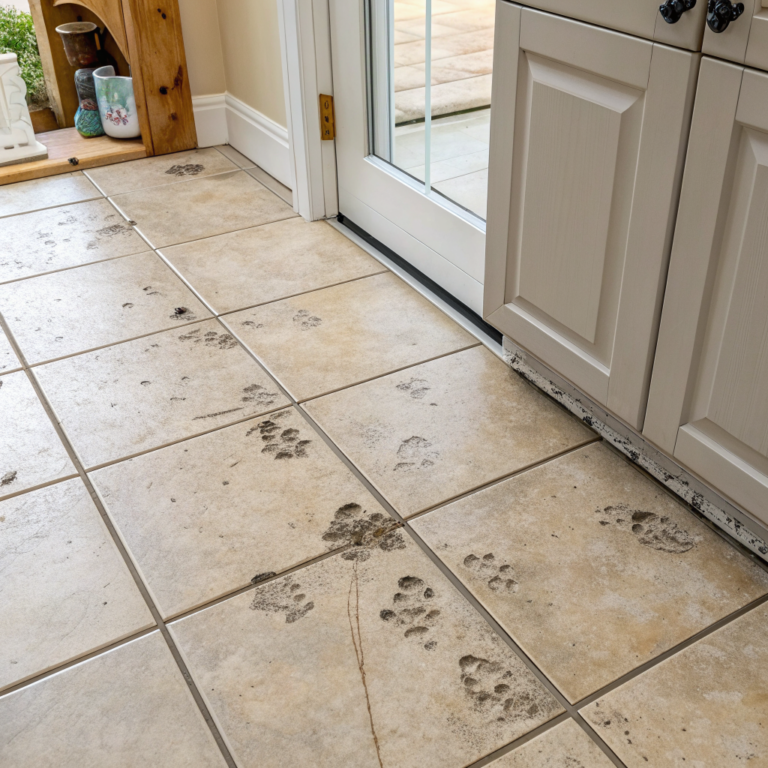
Start by clearing the floor of loose dirt, hair, and debris with a broom or vacuum, since mopping over dry debris just smears it around instead of lifting it away. Then use a mop that’s damp rather than dripping, working in manageable sections so the cleaning solution doesn’t dry into streaks before you reach it.
- Move furniture, rugs, and floor mats out of the way, or work around them section by section.
- Sweep or vacuum the entire floor to remove loose dust, crumbs, and grit.
- Fill your mop bucket with the cleaner recommended for your floor type, following the label’s guidance for use. If you prefer gentler products, consider a Non Toxic Cleaning Routine for the Whole House as a starting point.
- Dip the mop, then wring it out well so it’s damp, not soaked.
- Mop in small, overlapping sections, rinsing and re-wetting the mop as it picks up soil.
- Go back over heavily soiled spots with a second light pass if needed, rather than pressing harder with a dirty mop head.
- Let the floor air dry, or dry it with a clean towel if you need to use the room right away.
If you want to avoid bending while cleaning trim and edges, try this simple approach: How to Clean Baseboards without Bending Over.
Choosing the Right Mop and Cleaner for Your Floor
The safest cleaning method depends heavily on what your floor is made of, since a method that works well on ceramic tile can dull or damage wood, laminate, or vinyl. Checking the flooring manufacturer’s care instructions, when available, is the most reliable way to confirm what’s safe for your specific product. For a full room-by-room order that complements floor care, see our Cleaning List by Room Step by Step.
| Floor Type | Mop Style | Water Level |
|---|---|---|
| Ceramic or porcelain tile | String or microfiber mop | Damp, can tolerate more moisture |
| Sealed hardwood | Microfiber flat mop | Lightly damp, minimal standing water |
| Laminate | Microfiber flat mop | Barely damp, avoid pooling |
| Vinyl or luxury vinyl plank | Microfiber or sponge mop | Damp, avoid soaking seams |
If you’re unsure how a cleaner will react with your floor’s finish, test it in a small, inconspicuous spot first and check for dulling, discoloration, or a sticky film once it dries. This matters most with hardwood and laminate, where a wrong cleaner can leave a hazy residue. For more on that specific issue, see How to Clean Laminate Floors without Leaving Film. If you have vinyl and need to treat scuffs, check How to Remove Black Marks from Vinyl Flooring.
How Much Water Should You Use?
Use only as much water as your floor type can safely tolerate, since excess moisture is one of the most common causes of floor damage during mopping. Hard, sealed surfaces like tile generally handle more moisture than wood-based or laminate flooring, which can swell or warp if water sits on the surface or seeps into seams.
A well-wrung mop should feel damp to the touch but shouldn’t leave puddles or visible streaks of water behind as you move across the floor. If your mop is leaving a wet trail that takes more than a few minutes to dry, wring it out more before continuing.
How Often Should You Mop?
Most households do well mopping high-traffic floors like kitchens and entryways once or twice a week, with lower-traffic rooms needing it less often. Homes with pets, small children, or a lot of foot traffic may need more frequent mopping to keep buildup from becoming harder to remove.
If you’re trying to fit floor care into a broader routine, a quick daily pass with a dry or lightly damp mop can reduce how much scrubbing a deeper mopping session requires later. For a broader routine that covers more than floors, see 15 Minute Daily Cleaning Routine. For a deeper weekly plan that includes floors and surfaces, see our Weekly Reset Cleaning Checklist.
TidyFormula Tip
Change your mop water once it looks cloudy or gritty, since continuing to mop with dirty water just redistributes soil instead of removing it.
What to Avoid When Mopping
Several common habits cause more harm than the dirt they’re meant to remove. Being aware of these can help you avoid unnecessary damage or wasted effort.
- Mopping over dry debris instead of sweeping or vacuuming first, which grinds grit into the floor’s surface.
- Using a soaking wet mop on hardwood, laminate, or any floor with seams, which increases the risk of warping or swelling.
- Combining different cleaning products in the same bucket. Cleaning agents that should not be mixed must not be mixed, even if each seems mild on its own.
- Skipping the rinse step when a cleaner leaves residue, which can leave floors feeling sticky or looking dull once dry.
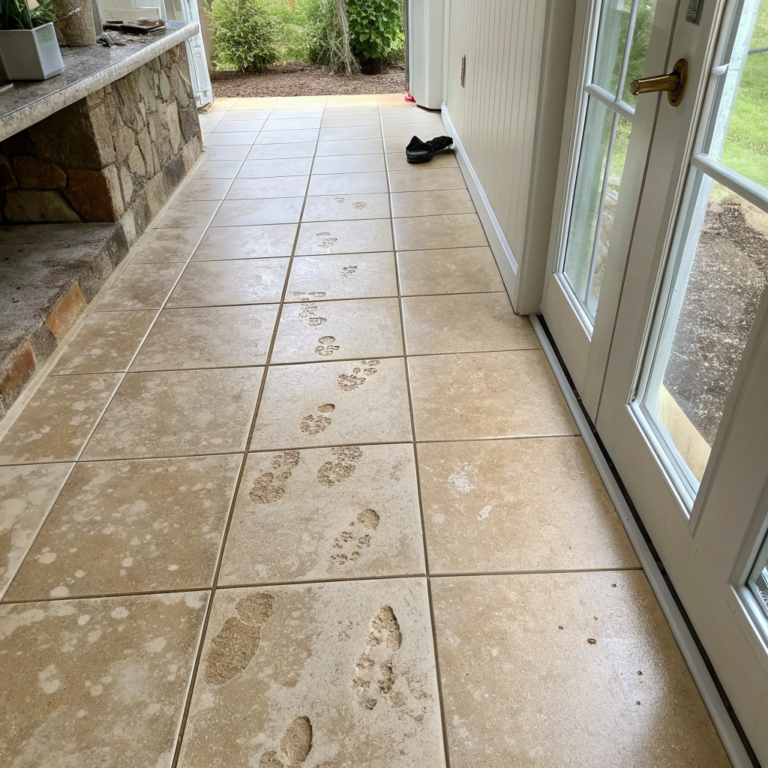
- Walking on a wet floor before it has had time to dry, which can leave footprints, streaks, or slip hazards.
If a spill or stain doesn’t lift with normal mopping, it’s usually better to treat that spot directly with a method suited to the specific residue rather than mopping the same area repeatedly with more pressure or stronger cleaner. For sticky spots on tile specifically, see How to Remove Sticky Residue from Tile Floor. If you have a pet-related stain on carpet rather than a hard floor, check How to Remove Dog Urine Smell from Carpet after It Dries for targeted guidance.
Drying and Aftercare
Letting the floor air dry fully, or wiping it down with a clean, dry towel, helps prevent streaking and reduces the chance of anyone slipping on a wet surface. Opening a window or running a fan can speed up drying in rooms with less airflow, which is especially helpful with wood or laminate floors where lingering moisture matters more.
Once the floor is dry, check for any dull spots, streaks, or leftover residue. If streaking is a recurring issue on wood floors specifically, a more targeted approach may help; see How to Clean Hardwood Floors without Streaks.
Frequently Asked Questions
Can I use the same mop for every room?
You can use the same mop head for most rooms as long as you rinse it thoroughly between rooms, especially after mopping a bathroom or kitchen with heavier soil. Using a separate mop or clean head for bathrooms is a reasonable extra precaution for households that prefer to keep those areas separate.
Is a steam mop safe for all floor types?
Steam mops aren’t suitable for every floor, particularly some laminate and unsealed wood surfaces, since heat and moisture can affect the finish or the material underneath. Check your flooring manufacturer’s guidance before using a steam mop, and when in doubt, stick with a traditional damp mop instead.
What if my floor still looks dirty after mopping?
This usually means the mop water was too dirty, the cleaner wasn’t strong enough for the level of soil, or the floor needs a second pass with fresh water. Rinsing the mop more frequently and changing the bucket water partway through often resolves this without needing a stronger product.
Do I need a pet-safe cleaner if I have animals at home?
Choosing a cleaner formulated to be gentler around pets can reduce residue that animals might contact directly on the floor. For hardwood specifically, see Pet Safe Floor Cleaner for Hardwood Floors for guidance suited to that surface. For carpet odor or urine that has dried, follow the steps in How to Remove Dog Urine Smell from Carpet after It Dries.
Why does my floor feel sticky after mopping?
A sticky feel usually means too much cleaner was used, or the floor wasn’t rinsed after mopping with a soap-based product. Mopping again with plain water, wrung out well, and letting the floor dry fully often removes the residue causing the stickiness.
Everything Mentioned Above
Before you leave, grab the tools you need to get the job done right the first time:
*As an Amazon Associate, TidyFormula earns from qualifying purchases.