
Weekly Reset Cleaning Checklist
A weekly reset cleaning checklist works best when you focus on high-use areas, clear visible clutter, and complete a few repeatable maintenance tasks rather than trying to deep-clean the entire home. Use the products and moisture levels appropriate for each surface, and save neglected or seasonal jobs for a separate deep-cleaning schedule.
The goal is to make your home easier to use for the coming week: fewer dishes, clearer counters, refreshed bathrooms, manageable laundry, and floors that are ready for normal traffic.
⚡ The TidyFormula™ Quick Decision
Best approach: Reset your home in a consistent order—declutter first, clean high-use surfaces next, then finish with laundry, floors, and a quick check of the week ahead.
Use caution with: Use only lightly damp cloths on wood, electronics, unsealed surfaces, and items with glued or painted details; follow current care and product-label directions when unsure.
What to include in a weekly reset
A useful weekly maintenance checklist covers the areas that become inconvenient fastest, not every possible household task. Prioritize kitchens, bathrooms, shared living spaces, laundry, and floors, then adjust the list for your household’s routines.
What I Use For This Job
Using the right tools saves time and protects your belongings. Here are my exact recommendations:
*As an Amazon Associate, TidyFormula earns from qualifying purchases.
- Collect trash, recycling, cups, dishes, mail, and misplaced items.
- Put away clean laundry and gather laundry that needs washing.
- Clear and wipe kitchen counters, the table, and other frequently used surfaces.
- Wash dishes or load and unload the dishwasher.
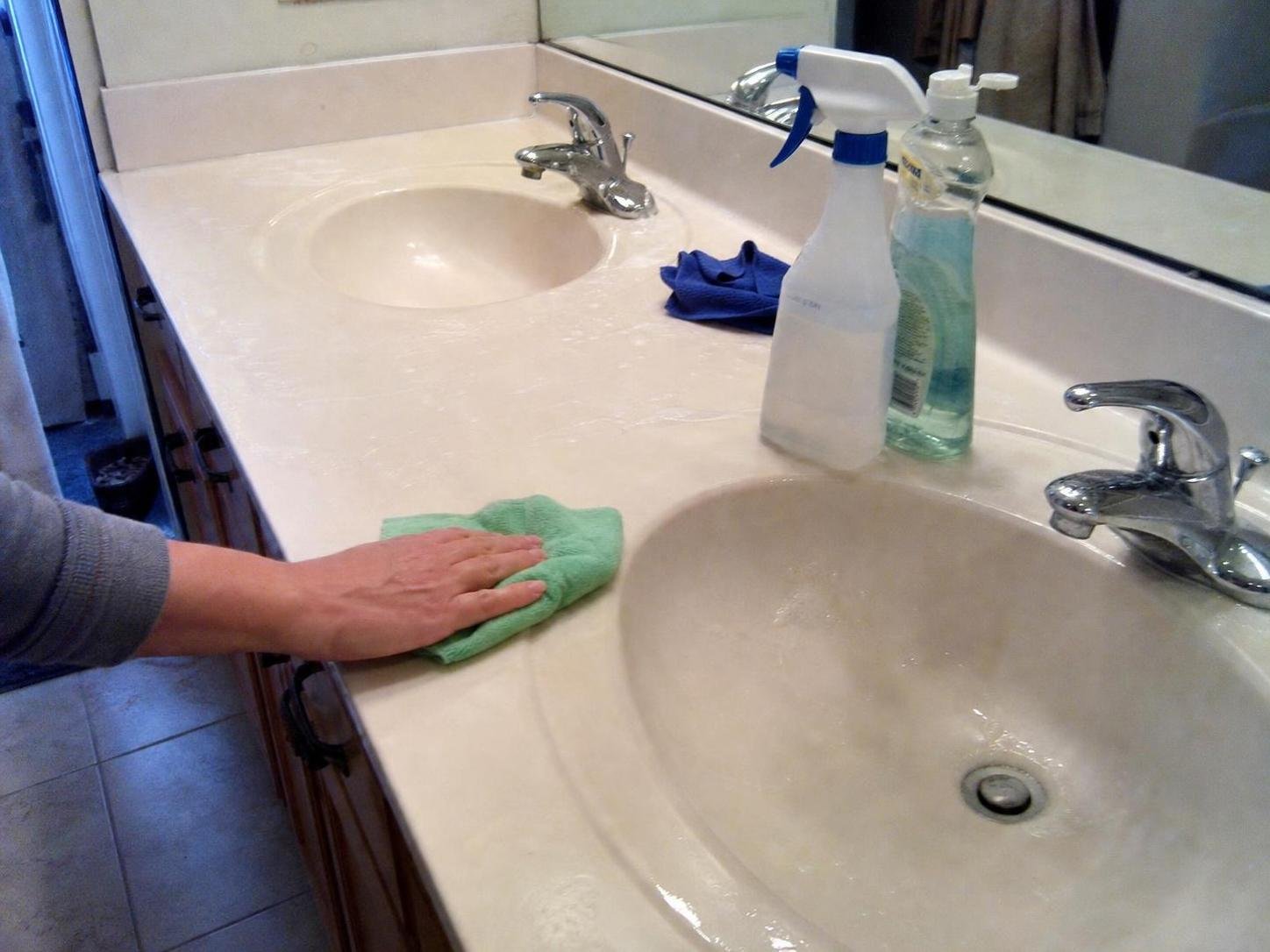
- Refresh the bathroom sink, counter, mirror, toilet exterior, and frequently touched surfaces.
- Replace used kitchen towels, bathroom hand towels, and other washable cloths as needed.
- Vacuum, sweep, or dry-mop floors, especially entryways, kitchens, dining areas, and pet zones.
- Check the refrigerator for leftovers or produce that should be used soon.
- Restock basic supplies such as toilet paper, soap, trash bags, and laundry detergent.
- Review appointments, meals, school items, work bags, and household needs for the coming week.
For a broader list of recurring home tasks, use this household cleaning checklist to separate daily upkeep, weekly work, and less-frequent jobs.
Gather only the supplies you will use
A short cleaning supplies checklist keeps the reset moving. Carrying a large collection of products from room to room usually creates more decisions than it saves.
- A laundry basket or tote for items that belong in another room.
- Trash bags and recycling bags.
- Microfiber cloths or other reusable cleaning cloths.
- A general household cleaner suitable for the surfaces you plan to wipe.
- A bathroom cleaner appropriate for your sink, counter, toilet exterior, and shower materials.
- A dish brush, sponge, or dishcloth reserved for dishes.
- A vacuum, broom, dry mop, or other floor tool suited to your flooring.
- Fresh towels, linens, or cleaning cloths if you plan to change them.
Check the care label or manufacturer instructions before using a cleaner on natural stone, unsealed wood, specialty metal finishes, painted cabinets, or delicate upholstery. Do not mix household cleaners, even if you are trying to make a task go faster.
Follow this room-by-room reset order
Cleaning in a fixed order prevents backtracking. Start with tasks that remove clutter and create access, then wipe surfaces and clean floors after most items are off the ground.
- Start a load of laundry if needed. Begin with towels, bedding, or clothes that you realistically expect to finish, dry, and put away. Avoid starting several loads that will sit damp because the rest of the reset took longer than expected.
- Collect clutter without stopping to organize every item. Use a basket for misplaced belongings. Return items to their rooms after you finish the main cleaning, or place the basket somewhere visible for household members to empty.
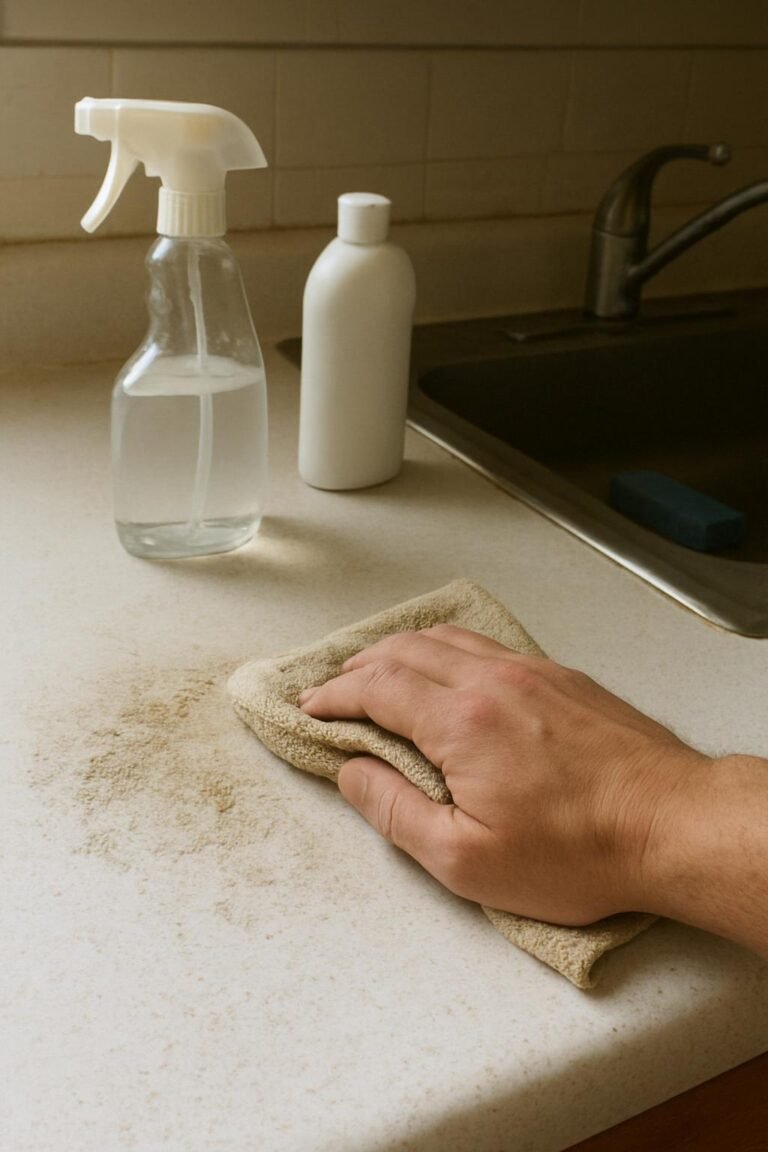
- Reset the kitchen. Put away food, clear dishes, load or wash what you can, wipe counters, and clean the table. Check handles, appliance fronts, and the sink area if they look marked or sticky. Use a product that suits the surface and wipe away leftover cleaner residue with a fresh damp cloth if the label calls for it.
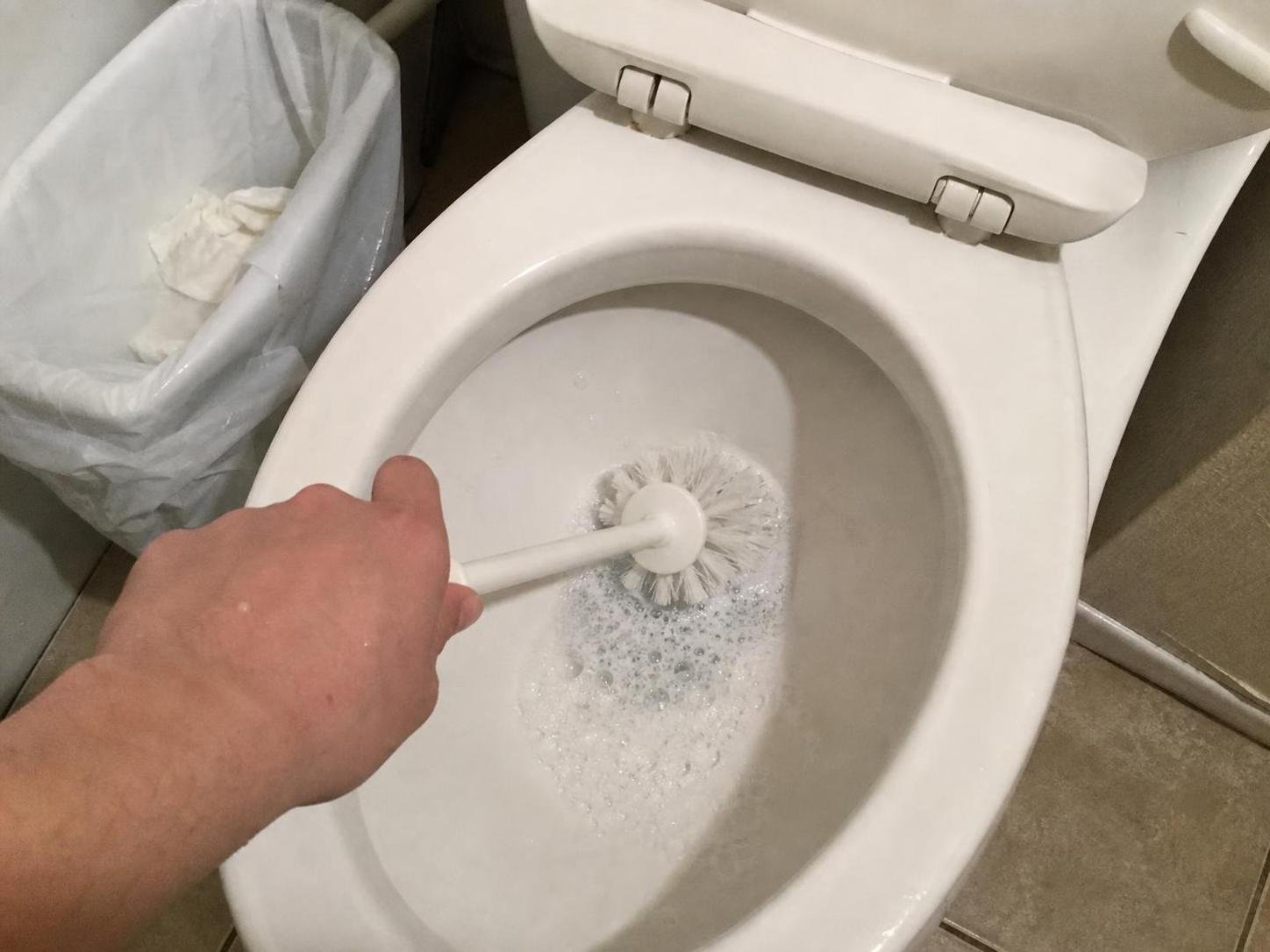
- Refresh the bathroom. Remove empty containers and used towels, clear the counter, wipe the sink and surrounding surface, clean the mirror with an appropriate glass product or damp microfiber cloth, and wipe the toilet exterior. Use separate cloths for the toilet area and for the sink or counter.
- Reset living areas and bedrooms. Fold blankets, return dishes and cups, clear nightstands and coffee tables, straighten cushions, and put visible clutter into its proper home. Make beds if that helps the room stay orderly during the week.
- Take out trash and recycling. Empty bins that are full, odorous, or likely to overflow before collection day. Wipe the lid or rim only if it needs attention, and allow it to dry before adding a fresh liner.
- Clean the floors last. Vacuum, sweep, or dry-mop after clutter is removed. Spot-clean sticky marks with the least moisture needed for your flooring. Avoid saturating wood, laminate, or flooring with seams that can hold water.
- Finish the laundry cycle. Move laundry to the dryer, drying rack, or another appropriate drying method, then fold and put it away while it is still easy to manage. Check that towels and thicker fabrics are fully dry before storing them.
🧪 Why This Works
Removing clutter first exposes the surfaces and floor areas that need attention. Cleaning from counters and fixtures down to the floor also prevents you from redoing floor work after crumbs, dust, or dropped items have already fallen.
Keep the weekly reset separate from deep cleaning
Your weekly reset should maintain the home, not become an exhausting catch-up session. Choose another day or divide tasks across the month for work that takes longer, requires moving furniture, or depends on special care instructions.
| Weekly reset tasks | Tasks better scheduled separately |
|---|---|
| Wiping counters, washing dishes, refreshing sinks, managing laundry, and cleaning high-traffic floors | Cleaning inside ovens, detailed refrigerator cleaning, washing windows, moving large furniture, and cleaning baseboards |
| Quickly checking supplies and discarding outdated leftovers | Sorting storage areas, organizing paperwork, and reviewing closets or cabinets |
| Spot-cleaning visible marks and crumbs | Detailed upholstery care, curtain cleaning, mattress care, and material-specific restoration work |
If you tend to lose track of rotating jobs, assign one deeper task to each weekly reset rather than adding all of them at once. A realistic cleaning chores checklist can help you divide work among household members or spread it across several days.
Adjust the checklist for your home
The best cleaning routine reflects how your rooms are actually used. A home with pets, young children, frequent cooking, shared bathrooms, or multiple occupants may need more attention in specific zones and less attention elsewhere.
For homes with pets
Focus on entryways, feeding areas, upholstered furniture, and the floors where hair collects. Empty the vacuum or clean the brush roll as needed so it continues to pick up debris effectively. Wash pet bedding only according to its care instructions, especially if it has foam inserts, rubber backing, or removable covers.
For busy kitchens
Make dishes, food storage, counter clearing, and refrigerator checks your non-negotiable tasks. A reset does not require polishing every appliance or cleaning inside every cabinet each week. Address spills promptly, especially on unsealed stone, wood, or grout, where they may be harder to remove later.
For small apartments or shared homes
Use a shorter checklist with clear ownership. One person can manage trash and floors while another handles the kitchen or bathroom. Shared spaces usually stay more manageable when personal items are returned to bedrooms, drawers, or designated bins during the reset.
Fix common weekly reset problems
The reset takes too long
The usual cause is treating weekly maintenance like a full-house deep clean. Set a practical stopping point: complete dishes, trash, bathroom basics, visible clutter, laundry management, and floors in the busiest areas. Move lower-priority jobs to another day rather than leaving essential tasks unfinished.
Surfaces feel sticky after wiping
Too much cleaner, an unsuitable product, or a cloth that is already loaded with residue can leave a tacky feel. Rewipe the area with a clean cloth lightly dampened with water if the surface instructions allow it, then dry with another clean cloth. Use less product next time and avoid applying cleaner directly to moisture-sensitive surfaces.
Floors look streaky or dull
Streaks often come from excess liquid, dirty mop pads, or cleaner residue. Stop adding product, let the floor dry, and review the flooring manufacturer’s care instructions before trying another method. For wood, laminate, and other moisture-sensitive floors, use the least damp cleaning method that the manufacturer permits.
Laundry becomes a pile instead of a finished task
Starting more laundry than you can dry and put away can turn a reset into a backlog. Limit the weekly load to what you can reasonably complete, especially with bulky towels, bedding, or air-dried items. Store only fully dry fabrics to avoid trapped moisture and musty odors.
Clutter returns immediately
A weekly reset cannot solve a storage problem by itself. If the same items repeatedly land on counters, chairs, or floors, give them a specific nearby home: a tray for mail, hooks for bags, a basket for blankets, or a small container for frequently used items. Choose storage that matches where the item is actually used.
End with a quick readiness check
Before you finish, walk through the kitchen, bathroom, and main living area with a fresh set of eyes. Put away the cleaning supplies, confirm that laundry is drying or stored properly, remove damp cloths from closed bins, and make sure no cleaner residue or standing moisture remains on surfaces.
Frequently Asked Questions
How often should you do a weekly reset?
Once a week works well for many households, but the timing is flexible. Choose a day that fits your routine and adjust high-use tasks as needed. You may wipe kitchen counters or manage dishes daily while keeping floors, bathroom refreshes, and laundry resets for one weekly session.
Should you clean every room during a weekly reset?
No. Focus first on rooms that affect your everyday routine, such as the kitchen, bathroom, entryway, and main living areas. Bedrooms, guest rooms, storage spaces, and low-use areas can receive a lighter reset or rotate into your schedule as needed.
What should be done before guests arrive?
Use the weekly reset order in a shortened form: collect clutter, manage dishes, empty visible trash, refresh the bathroom, wipe obvious marks, and clean the main floor paths. Skip detail work that guests are unlikely to notice unless you have time for it.
A dependable weekly reset is built around repeatable maintenance, not perfection. Clear clutter before cleaning, use surface-appropriate products with minimal excess moisture, and finish by drying, putting away, and restocking what your household will need during the week.
Everything Mentioned Above
Before you leave, grab the tools you need to get the job done right the first time:
*As an Amazon Associate, TidyFormula earns from qualifying purchases.

One Comment