How to Remove Pet Odor from Car Seats
To remove pet odor from car seats, start by finding the affected area, lifting loose hair and debris, then using an upholstery-safe pet odor remover according to its label. The key is to treat the seat fabric and any padding beneath it without soaking them. Leather, suede-like trim, and electronic seat components need a more restrained approach.
Odor can linger after a pet ride because hair, dander, drool, muddy paws, and urine residue collect in seams, seat creases, floor edges, and porous upholstery. A surface wipe may freshen the seat briefly, but a recurring smell usually means residue or moisture remains below the visible surface.
⚡ The TidyFormula™ Quick Decision
Best approach: Vacuum or remove dry debris first, then lightly apply an upholstery-safe pet odor cleaner to the affected fabric and blot it away as directed on the product label.
Use caution with: Saturating seat cushions, spraying directly into seams, and using upholstery cleaners on leather, suede-like trim, heated seats, or seats with airbag components.
Replace instead of cleaning if: The seat foam remains strongly odorous after repeated careful cleaning, cannot dry fully, or has been heavily contaminated with urine or other bodily fluids.
What I Use For This Job
Using the right tools saves time and protects your belongings. Here are my exact recommendations:
*As an Amazon Associate, TidyFormula earns from qualifying purchases.
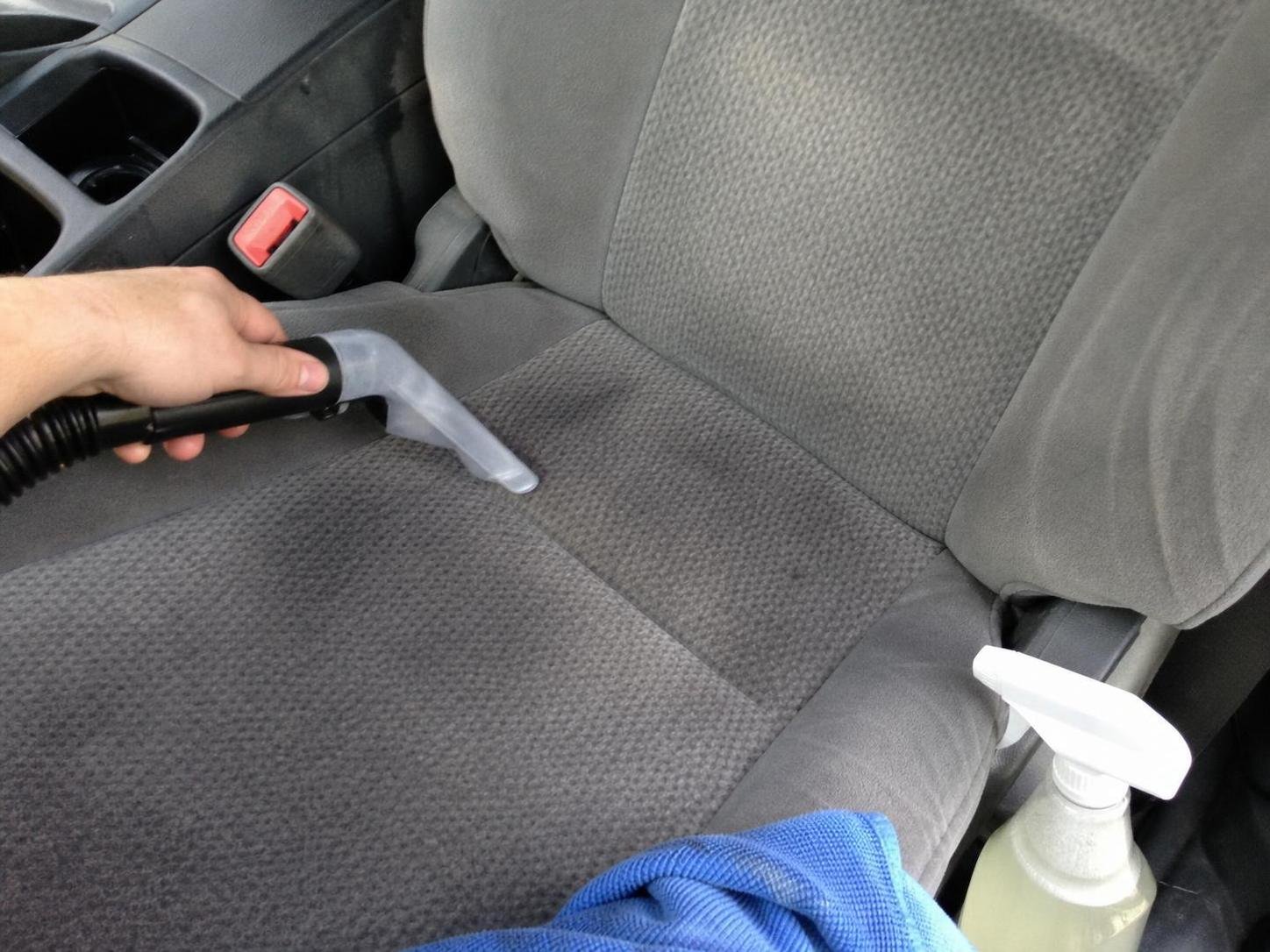
Check the seat material before applying anything
The best way to remove pet odor from car seats depends on whether the seating surface is cloth, leather, vinyl, or a suede-like material. Check the vehicle manual and any upholstery-care guidance before using a cleaner, especially on newer vehicles with coated leather, perforated seats, heating elements, or electronic controls.
- Cloth upholstery: Usually tolerates careful spot cleaning, but the foam underneath should not be saturated.
- Leather or coated leather: Use a cleaner intended for automotive leather and apply it to a cloth rather than spraying the seat directly.
- Vinyl: Wipe with a suitable interior cleaner on a soft cloth, then dry the surface well.
- Suede-like or microfiber trim: Use only a cleaner approved for that material. Too much moisture can leave marks or change the texture.
- Perforated, heated, or ventilated seats: Keep liquid out of openings and seams. Apply product sparingly to a cloth instead of directly to the seat.
Always test a cleaner on a hidden edge of the seat first. Stop if the color transfers to the cloth, the finish becomes dull or sticky, or the material changes texture.
What you need for a careful odor cleanup
You do not need a machine for a small or moderate pet odor problem. The goal is to remove dry debris, treat the odor source, and avoid leaving moisture inside the seat padding.
- A vacuum with an upholstery or crevice attachment, or a lint brush and clean dry cloths if you do not have a vacuum
- Several white or light-colored microfiber cloths
- An upholstery-safe pet odor remover, used only as directed on its current label
- Clean water for lightly dampening a cloth if the product label calls for residue removal
- A soft interior brush for durable cloth upholstery, if needed
- Disposable gloves if you are handling urine, vomit, or other bodily-fluid residue
Do not use bleach, strong household degreasers, or heavily scented sprays to cover the smell. Avoid mixing any cleaners. Fragrance can mask odor temporarily, while excess cleaner may leave residue that attracts more dirt.
Remove pet odor from cloth car seats without soaking them
The preferred method is controlled spot cleaning with an upholstery-safe pet odor product, followed by thorough blotting and ventilation. Treat the smallest area that reasonably covers the odor source, then allow the seat to dry completely before judging the result.
- Remove pet hair and dry debris. Vacuum the seat surface, seams, buckle openings, and the gap between the seat back and cushion. If you do not have a vacuum, use a lint brush, rubber glove, or slightly damp microfiber cloth to gather hair. Removing hair first prevents it from becoming matted into damp upholstery.
- Locate the source rather than treating the entire interior. Check the seat cushion, lower seat-back area, headrest, seat-belt webbing, door-side edge, and floor mat beneath the seat. Urine or drool may have traveled into a seam or down the front edge of the cushion.
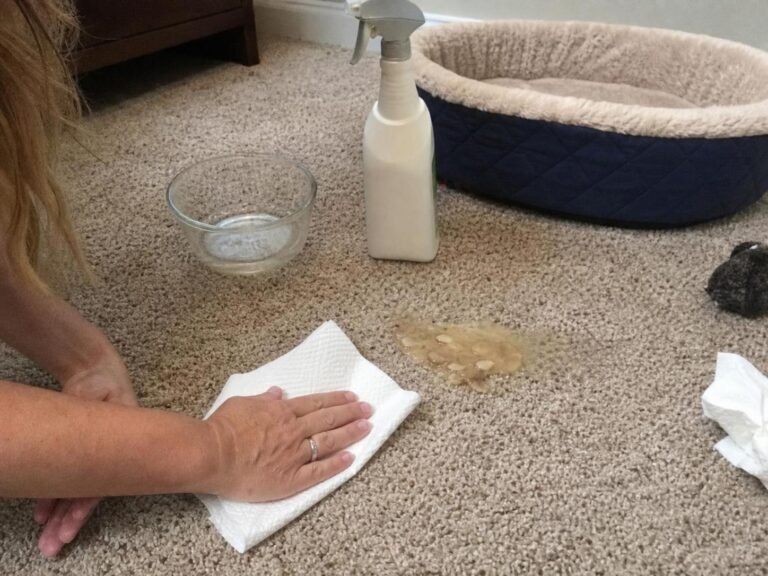
- Blot any remaining damp area. Press a dry microfiber cloth into the upholstery with steady pressure. Do not scrub hard, which can push residue deeper into fabric and foam. Replace the cloth section as it becomes damp.
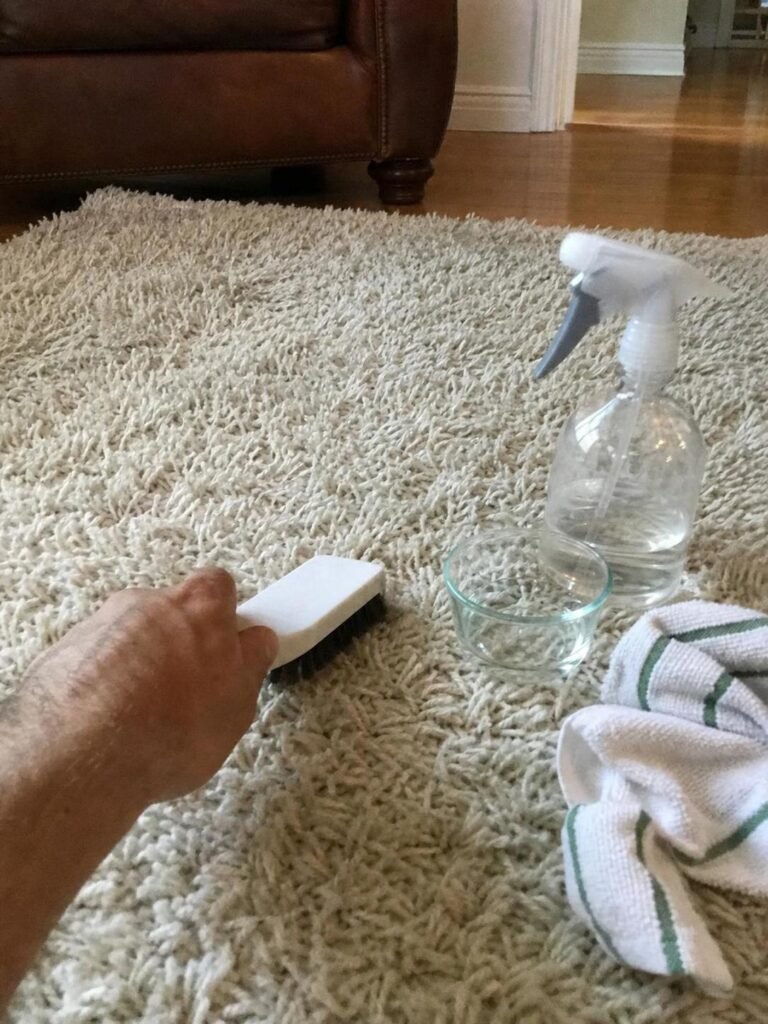
- Apply the cleaner conservatively. Follow the product label for your seat material. For cloth seats, apply only enough product to dampen the affected upholstery rather than soak the cushion. If the seat has sensitive components, apply the cleaner to a cloth first and work it over the surface carefully.
- Work the product into durable fabric only if needed. Use a soft brush or microfiber cloth with light pressure. Avoid aggressive brushing on worn fabric, textured upholstery, or suede-like trim. The goal is to loosen residue from the fibers, not scrub the seat hard.
- Blot away moisture and residue. Press clean, dry cloths into the treated area until they no longer pick up much moisture. If the product label instructs you to wipe or rinse, use a lightly damp cloth rather than pouring water onto the seat.
- Ventilate the vehicle until the seat is fully dry. Leave doors or windows open in a protected area when practical, or use airflow from a fan. Keep the seat uncovered while it dries. Do not trap moisture under a seat cover, blanket, or pet bed.
- Recheck only after drying. A damp seat can smell different while the cleaner is still present. Once dry, inspect the area and smell the seat at close range. Repeat a careful treatment only if odor remains and the upholstery has dried fully.

🧪 Why This Works
Pet odor is often held in hair, dried residue, fabric fibers, and the porous padding beneath a seat cover. Removing loose debris first gives the cleaner better access to the affected area. Using limited moisture and blotting afterward helps reduce the chance that odor-bearing residue or water travels farther into the cushion.
Handle leather, vinyl, and delicate trim differently
Leather and vinyl usually need less moisture than cloth seats. Wipe the affected area with a soft cloth lightly dampened with a cleaner suitable for that material, following the product label. Then wipe away remaining product with another cloth if directed and dry the surface promptly.
Do not spray liquid into perforated leather, stitching holes, seat seams, or the gap around switches and controls. If odor seems to be coming from beneath a leather seat cover rather than from the surface, repeated wiping is unlikely to solve it. Consider professional vehicle detailing or upholstery repair advice if the odor persists.
For general dust, hair, and light surface soil throughout the cabin, use the same low-moisture approach described in this car interior cleaning method without a vacuum. Clean surrounding floor mats and door panels too, since odor may not be limited to the seat itself.
Common pet odor cleaning mistakes
Most unsuccessful attempts happen because the odor source is missed, too much liquid is used, or the seat is put back into service before it dries. Correcting those issues is usually more useful than adding more fragrance.
The smell returns after the seat dries
This often means the residue reached a seam, cushion edge, seat-belt fabric, or foam beneath the upholstery. Recheck the full seating area and the floor directly below it. Treat the confirmed source again with limited moisture, then allow more drying time. If the odor appears to come from inside the foam, replacement of the affected cushion material may be more practical than repeated wet cleaning.
The upholstery feels stiff or looks dull
Stiffness can indicate dried cleaner residue. Lightly wipe the area with a clean cloth dampened with water only if the upholstery-cleaner label permits it, then blot dry. Do not keep adding cleaner. On leather, use only a product intended for automotive leather and follow its care directions.
There is a water ring or tide mark
A water mark can form when one small area gets much wetter than the surrounding fabric. Lightly dampen the immediate surrounding area with a clean cloth to blend the edge, then blot evenly. Avoid soaking the seat. If color changes or dye transfers, stop cleaning and let the material dry before deciding whether professional help is needed.
The car smells musty after cleaning
A musty smell suggests the seat or carpet may still be damp. Increase airflow, keep the affected area uncovered, and check under the seat and along the carpet edge for trapped moisture. Avoid closing up the vehicle for long periods while the upholstery is still wet.
The odor seems strongest near the buckle or seat seam
Do not flood the opening with cleaner. Apply a small amount of product to a cloth and wipe around the seam, then blot. If liquid has entered the buckle mechanism or an electrical connector, consult the vehicle manufacturer’s instructions or a qualified automotive service provider before using the seat.
Dry the seats completely before using covers or transporting pets
Drying is part of odor removal, not an optional final touch. Leave the vehicle ventilated as conditions allow, and keep seat covers, blankets, and pet hammocks off until the upholstery feels dry throughout. Drying time varies with fabric thickness, cushion depth, humidity, airflow, and how much moisture entered the seat.
Once the seat is dry, check the seams, seat-belt path, and buckle area for cleaner residue. Make sure the seat belt retracts and latches normally before regular use. If you cleaned around a child seat installation area, reinstall the child seat only according to its manufacturer instructions and the vehicle manual.
Prevent pet odor from building up again
The easiest prevention is to keep hair, damp towels, and pet bedding from sitting directly on the upholstery. A washable pet seat cover or fitted blanket can help protect cloth seats, but it should be removed regularly so moisture and hair do not collect underneath.
- Wipe muddy paws before your pet gets into the vehicle.
- Remove pet hair from seams and floor edges before it becomes packed into the upholstery.
- Wash removable blankets, covers, and pet beds according to their care labels.
- Address urine, vomit, or drool as soon as practical rather than letting it dry into the seat.
- Keep a small microfiber cloth and disposable bag in the car for quick blotting after an accident.
If the odor came from urine, the same basic principle applies to other padded surfaces: treat the residue source carefully, avoid oversaturation, and make sure the material dries fully. For a related approach to urine odor in thicker padding, see how to clean dog urine from a mattress.
Frequently Asked Questions
Can baking soda remove pet odor from car seats?
Baking soda may help with light, dry odors when sprinkled on fully dry cloth upholstery, left in place briefly, and vacuumed away. It is less useful when urine, drool, or another residue is still in the fabric or padding. Do not use loose powder in perforated seats, seat seams, buckles, or vents.
Can you use a steam cleaner on car seats?
Steam can add significant moisture and heat, which may be unsuitable for seat foam, adhesives, leather coatings, delicate trim, or seats with electrical features. Avoid steam unless the vehicle manufacturer and steam-cleaner instructions specifically permit it for your upholstery.
Why does pet odor get stronger in a warm car?
Warm conditions can make existing odors more noticeable, especially if residue remains in fabric, carpeting, or seat foam. Check nearby floor mats, seat-belt webbing, and the underside of the cushion instead of repeatedly spraying the visible seat surface.
Is an air freshener enough to remove pet odor?
No. An air freshener can change the scent inside the vehicle, but it does not remove pet hair, residue, or trapped moisture. Use it only after the source has been cleaned and the seat is dry, if you choose to use one at all.
For most cloth seats, the safest route is a light application of an upholstery-safe pet odor cleaner, thorough blotting, and complete drying. Avoid saturating the cushion or spraying into seams, and clean the surrounding mats and creases so the odor does not remain hidden nearby.
Everything Mentioned Above
Before you leave, grab the tools you need to get the job done right the first time:
*As an Amazon Associate, TidyFormula earns from qualifying purchases.