Cleaning Wallpaper: Safe Methods for Washable and Delicate Papers
Cleaning wallpaper safely starts with figuring out whether it is washable vinyl, vinyl-coated, or a delicate non-washable paper, because that single detail determines whether you can use a damp cloth or need to stick with dry cleaning methods. Once you know the material, most everyday dust, fingerprints, and light grime come off with gentle, low-moisture techniques.
The TidyFormula Quick Decision
Best approach: For washable or vinyl-coated wallpaper, wipe gently with a soft cloth barely dampened in mild dish soap and water, working top to bottom in small sections.
Use caution with: Non-washable paper, foil wallpaper, grasscloth, embossed or textured surfaces, hand-painted or metallic finishes, and any wallpaper with visible seams that could lift when wet.
Stop and reassess if: The paper darkens, bubbles, peels at the seams, the color starts to transfer onto your cloth, or you notice soft, damp, or discolored patches that could point to moisture behind the wall.
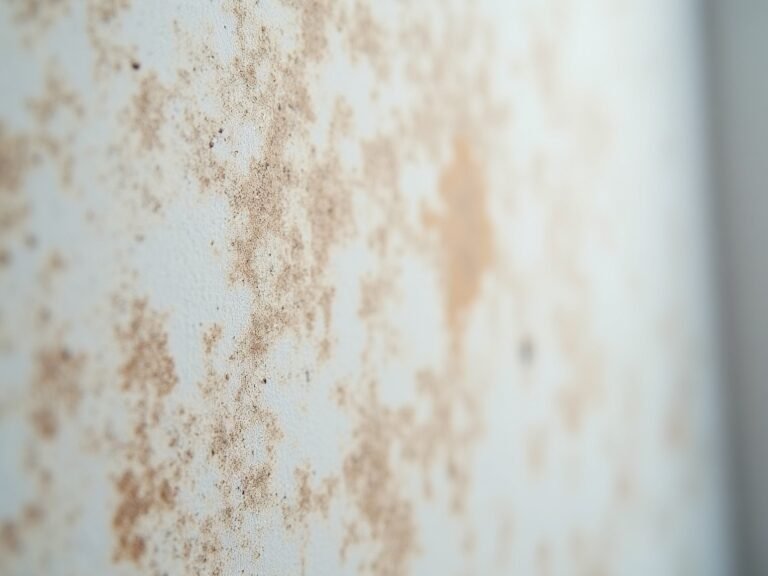
Identify Your Wallpaper Type Before Cleaning
Check the leftover roll, the original packaging, or a small hidden area near a baseboard or behind furniture for a texture and finish test before you clean the whole wall. Most modern vinyl and vinyl-coated papers tolerate light moisture, while paper-backed, grasscloth, foil, and hand-decorated wallpapers usually do not. وإذا كنت تعمل بجوار الأسطح المطلية، فدليلنا عن تنظيف الجدران المطلية دون إزالة الطلاء يشرح نهجاً آمناً منخفض الرطوبة.
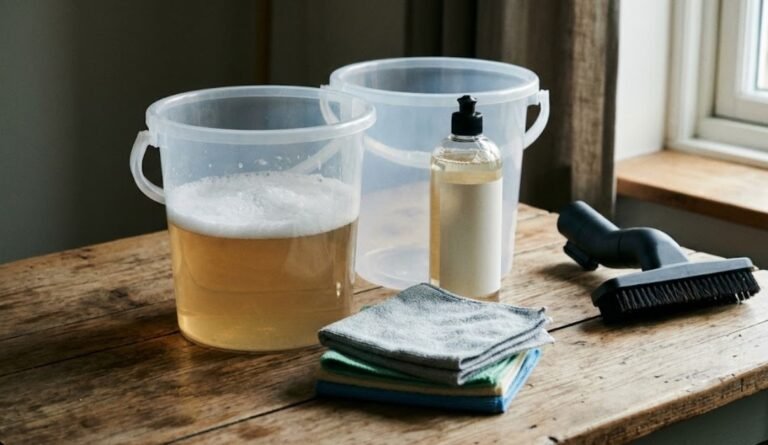
What I Use For This Job
Using the right tools saves time and protects your belongings. Here are my exact recommendations:
*As an Amazon Associate, TidyFormula earns from qualifying purchases.
If you cannot confirm the type, treat the wallpaper as non-washable and start with dry methods. This protects the pattern and the adhesive underneath, since excess water can loosen seams even on papers that seem sturdy.
How to Clean Washable or Vinyl-Coated Wallpaper
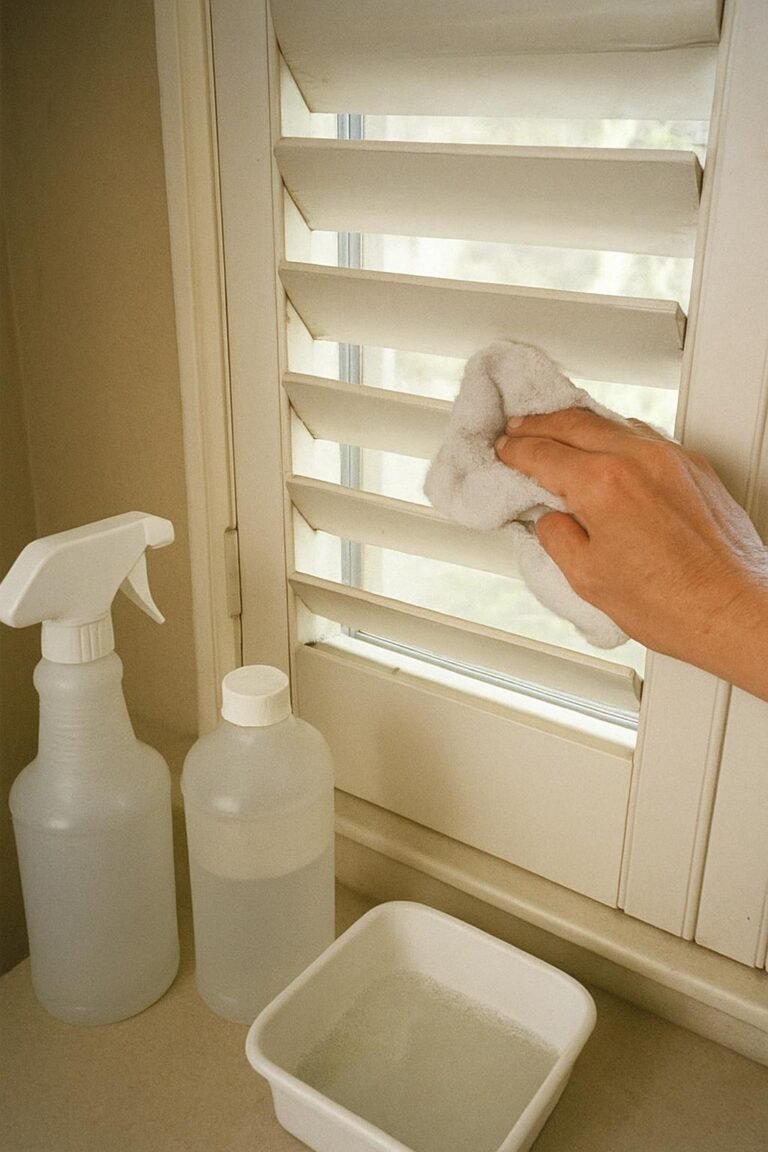
Washable and vinyl-coated wallpaper can usually handle a gentle damp-cloth cleaning as long as the water stays minimal and the cloth is wrung out well. This method works best for everyday dust film, light handprints, and general dinginess near light switches and doorways.
- Dust the wallpaper first with a soft cloth or a vacuum brush attachment to lift loose debris before introducing any moisture.
- Mix a small amount of mild dish soap into warm water rather than using the soap directly on the cloth.
- Wring the cloth until it feels almost dry, then wipe in small sections from top to bottom.
- Follow immediately with a second cloth barely dampened in plain water to lift soap residue.
- Dry the area with a clean, soft towel so moisture does not sit against the seams.
Always test this approach on a small, low-visibility area first, since printed inks and adhesives vary even among papers labeled washable.
How to Clean Non-Washable or Delicate Wallpaper
Non-washable wallpaper responds best to dry cleaning methods that avoid moisture entirely. A soft-bristle dust brush, a lint roller, or a slightly tacky wallpaper cleaning dough-style product can lift surface dust and light grime without wetting the paper.
For textured or embossed surfaces, a vacuum with a brush attachment on low suction often works better than wiping, since it reaches into grooves without pressing dirt further into the pattern. Move in one direction rather than scrubbing back and forth, which can fray delicate fibers on grasscloth or textile-backed papers. راجع أيضاً نصائحنا حول تنظيف الجدران الملمسية دون تلف لمعرفة تقنيات مناسبة للأسطح النابضة بالملمس.
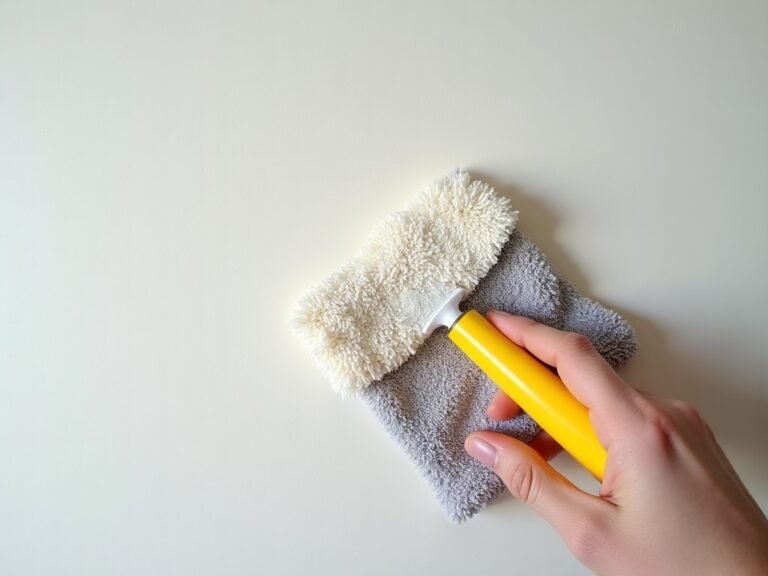
Removing Grease, Fingerprints, and Light Stains
Grease marks and fingerprints near switch plates, kitchens, and stairwells usually need a slightly stronger approach than plain water, but the method still depends on whether the paper is washable. On washable surfaces, a small amount of dish soap solution applied with a soft cloth, followed by a clean water wipe, often reduces the appearance of light grease and handprints.
For grease buildup near a kitchen wall that has spread onto adjoining wallpaper, the cleaning approach for painted walls in our guide on how to remove grease from kitchen walls can offer useful context on gentle degreasing habits, even though wallpaper itself needs a lighter touch and less liquid.
On non-washable paper, an art eraser or a wallpaper cleaning dough can sometimes lift dry marks without introducing moisture. Avoid scrubbing repeatedly in one spot, since friction alone can wear through delicate surface coatings.
TidyFormula Tip
Work on one small section at a time and keep a dry towel nearby so you can blot up any moisture immediately if the paper reacts.
What to Avoid When Cleaning Wallpaper
Certain habits cause more damage than the original dirt or stain ever would. Avoiding these keeps both washable and delicate wallpaper looking intact longer.
- Do not soak the wallpaper or let water pool along seams, since trapped moisture can loosen adhesive and cause peeling.
- Avoid abrasive scrubbing pads, melamine sponges, or stiff brushes, which can strip printed patterns and protective coatings.
- Do not use ammonia-based or bleach-based cleaners on wallpaper, and never combine cleaning products together in an attempt to boost results, since mixing cleaning agents that should not be combined is not safe.
- Avoid pressing hard on embossed or textured papers, which can flatten the design permanently.
- Do not assume a product labeled safe for painted walls is automatically safe for wallpaper, since inks and adhesives react differently.
في حالة السخام، ابدأ دائماً بطرق جافة—انظر دليلنا حول إزالة سخام الشموع من الجدران للحصول على خطوات مخصصة قبل تجربة المنظفات السائلة.
If a stain does not respond to gentle cleaning after one or two careful attempts, it is usually safer to stop and consider spot repair, a matching wallpaper patch, or professional cleaning advice rather than escalating to stronger chemicals.
Preventing Buildup Between Cleanings
Regular light dusting is the simplest way to keep wallpaper from developing the kind of grime that later requires damp cleaning. A quick pass with a soft brush attachment every few weeks, especially near doorways, light switches, and stairwells, prevents dust from settling into textured patterns. وينطبق ذلك أيضاً على الأسقف ذات القوام؛ اطلع على دليلنا حول تنظيف الأسقف ذات القوام.
In humid rooms or closets where wallpaper is present, watching for musty odors is also worthwhile, since trapped moisture behind wallpaper can contribute to lingering smells. If you notice a persistent odor without an obvious surface cause, the steps in our guide on how to remove musty smell from a closet cover general odor troubleshooting that can apply near wallpapered closet walls as well. ولا تنسَ تنظيف حواف النوافذ والجوانب المجاورة للحائط—دليلنا على تنظيف حواف النوافذ المتسخة يساعد في إزالة الأوساخ المتراكمة.
لمنع تجمع الغبار فوق الحائط وانتقاله إلى ورق الحائط، اطلع أيضاً على كيفية تنظيف مراوح السقف دون نشر الغبار، خصوصاً في المنازل التي تعتمد على مراوح سقف بدلاً من تهوية ميكانيكية قوية.
Frequently Asked Questions
Can I use a steam cleaner on wallpaper?
Steam is generally too aggressive for most wallpaper, since heat and moisture together can loosen adhesive and cause bubbling or peeling. It is safer to rely on dry dusting or a barely damp cloth, and to reserve steam cleaning for surfaces specifically rated for it.
How often should wallpaper be cleaned?
Light dusting every few weeks is usually enough to prevent noticeable buildup, while a gentle damp-cloth cleaning on washable wallpaper can be done every few months or as needed. Frequency really depends on foot traffic, kitchen proximity, and how quickly dust settles in that room.
What if the wallpaper starts peeling after cleaning?
Stop cleaning that area right away and let it dry fully before deciding on next steps. Minor lifting at a seam can sometimes be pressed back with a small amount of wallpaper adhesive, but larger peeling often calls for a professional repair or a patch.
Is vinegar safe for cleaning wallpaper?
Vinegar solutions are not recommended for most wallpaper, since acidity can affect certain inks, coatings, and adhesives. A mild dish soap and water solution, tested on a small area first, is a gentler and more predictable option for washable papers.
Can I clean wallpaper near a bathroom or high-humidity area?
Wallpaper in humid rooms needs extra caution, since it may already be exposed to more moisture than wallpaper elsewhere in the home. Stick to dry dusting when possible, and check for soft spots or discoloration before attempting any damp cleaning.
Everything Mentioned Above
Before you leave, grab the tools you need to get the job done right the first time:
*As an Amazon Associate, TidyFormula earns from qualifying purchases.