How to Wash Down Pillows: A Simple Guide to Cleaning and Drying
You can wash down pillows in a large-capacity washing machine using a small amount of mild liquid detergent, a gentle or bulky-item cycle, and an extra rinse to remove soap residue, as long as the care label allows machine washing. The bigger challenge is usually drying them fully, since trapped moisture inside the down clusters can lead to a musty smell or clumping if they’re not dried properly.
The TidyFormula Quick Decision
Best approach: Wash two down pillows at a time in a large front-load or top-load washer with a small amount of mild liquid detergent, then dry thoroughly on low heat with dryer balls or clean tennis balls to break up clumps.
Use caution with: Older or delicate ticking fabric, pillows with a dry-clean-only care label, pillows with existing rips or weak seams, and top-load machines with a center agitator.
Stop and reassess if: The ticking tears, feathers start leaking out during washing, the pillow smells stronger after drying instead of fresher, or the filling still feels damp or lumpy after a full drying cycle.
Can You Machine Wash a Down Pillow
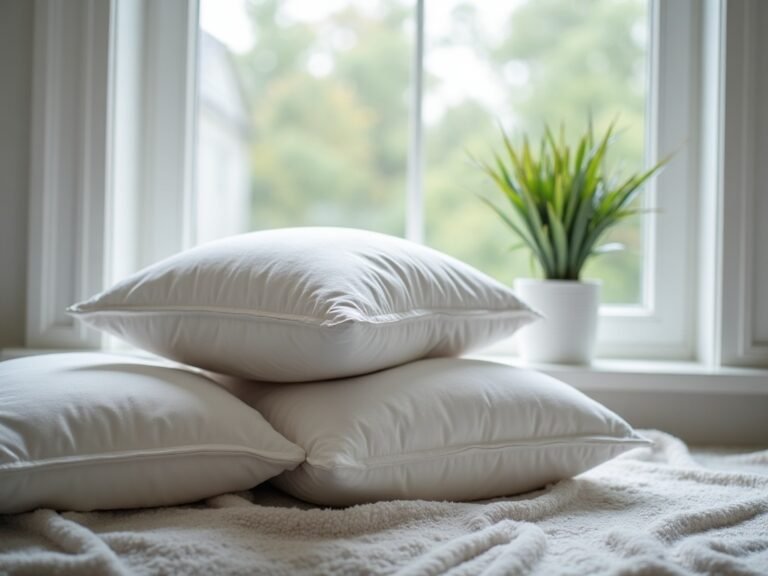
Most down pillows can go in the washing machine, but check the care label first since some manufacturers specify dry cleaning only. If the label allows machine washing, use a large-capacity machine so the pillow has enough room to move freely without getting compressed against the drum.
What I Use For This Job
Using the right tools saves time and protects your belongings. Here are my exact recommendations:
*As an Amazon Associate, TidyFormula earns from qualifying purchases.
A machine that’s too small can leave the pillow unevenly saturated, which makes rinsing and drying harder later. If you only have a standard-size top-load washer with a center agitator, washing one pillow at a time with extra care may work better than forcing two large pillows in together.
What You Need Before You Start
Gather a few basics before loading the machine so the process goes smoothly from wash to dry.
- A large-capacity washing machine, front-load if possible
- A small amount of mild liquid detergent, free of heavy fragrance if the pillow tends to hold odor
- Two down pillows of similar size, or one pillow plus a few towels for balance in a top-load machine
- A dryer with a low-heat setting and enough drum space
- Clean tennis balls or dryer balls to help redistribute the filling during drying
Also check the washer for trapped pet hair and lint before starting; here’s how to remove pet hair from a washing machine if buildup is visible.
How to Wash Down Pillows Step by Step
This method works for standard down and down-blend pillows with a machine-washable care label.
- Check the seams and ticking for any small tears, and repair or reinforce them before washing so filling doesn’t escape.
- Load two similar-size pillows together for balance, or use towels to fill empty space in a top-load machine.
- Add a small amount of mild liquid detergent to the dispenser, using less than you would for a regular load since pillows can trap suds.
- Select a gentle or bulky-item cycle with warm water if the label allows it.
- Run an extra rinse cycle to help clear out detergent residue that can sit deep inside the filling.
- After the cycle ends, gently squeeze excess water from the pillow by hand before moving it to the dryer.
Drying Down Pillows Without Clumping
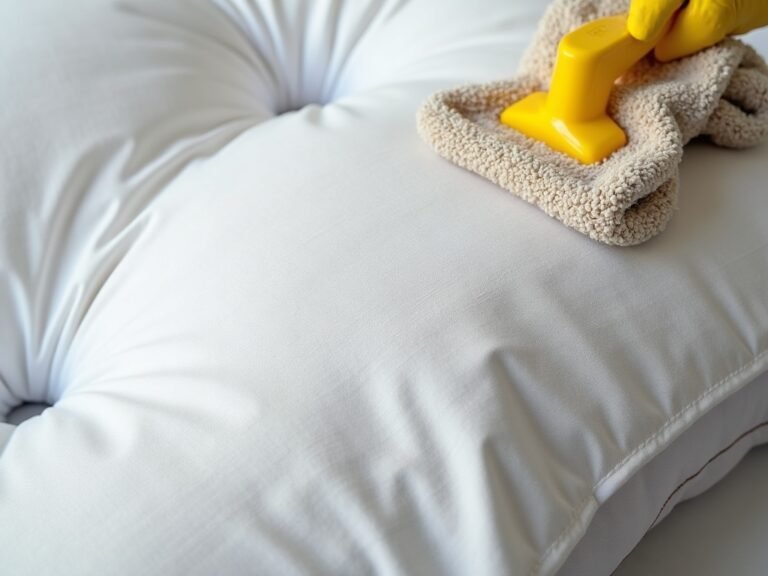
Thorough drying matters more with down pillows than almost any other laundry item, because trapped moisture inside the clusters doesn’t evaporate on its own the way it does on a flat towel. Use a low-heat setting and plan for a long drying time, checking and fluffing the pillow every so often.
Add a few clean tennis balls or dryer balls to help break up clumps as the down redistributes. Stop periodically to squeeze the pillow by hand and check for damp spots in the center, since the interior often stays wet longer than the outer shell feels. If the pillow still feels heavy or lumpy after a full cycle, run it through again on low heat rather than assuming it’s finished. The same low-heat, dryer-ball approach is recommended when you clean a duvet insert without clumping, so plan for long, gentle drying rather than a short, hot blast.
Signs a Down Pillow Should Not Be Machine Washed
Some pillows are better handled with spot cleaning or professional cleaning instead of a full machine wash. Weak or aging ticking fabric may not hold up to the agitation of a wash cycle, and a pillow with a dry-clean-only label is telling you the filling or shell wasn’t designed for water immersion.
If you notice feathers or down poking through the fabric already, washing can make small tears worse and lead to filling loss throughout the cycle. In these cases, spot cleaning surface stains with a mild solution and air-drying in sunlight, or having the pillow professionally cleaned, is usually the safer route.
What to Avoid When Washing Down Pillows
A few common mistakes cause most of the damage and odor problems people run into with down pillows.
- Avoid using too much detergent, since excess suds are hard to rinse fully out of dense filling and can leave residue that attracts odor over time.
- Avoid high heat on drying, which can scorch the ticking fabric or damage the down clusters.
- Avoid skipping the extra rinse cycle, since leftover soap is a common cause of pillows smelling off after they’re supposedly clean.
- Avoid storing the pillow while it’s even slightly damp, since trapped moisture inside natural filling can lead to a musty smell developing later.
- Avoid mixing bleach-based products into the wash, and never combine bleach with ammonia-based cleaners under any circumstances.
TidyFormula Tip
Press firmly along the length of the pillow after drying to feel for any cool, damp pockets before storing it, since those spots are the most likely place for lingering moisture to hide.
Caring for Down Pillows Between Washes
Using a pillow protector under the pillowcase cuts down on how often a full wash is needed, since it catches most of the oils and sweat that would otherwise soak into the ticking. Fluffing pillows daily and airing them out occasionally also helps keep the filling lofted and reduces the buildup that leads to odor.
Most down pillows do fine with washing every few months depending on use, though a pillow protector can stretch that interval out. If you’re weighing whether to wash by hand instead of machine, the washing machine filter should also be checked periodically, since lint and debris from bedding items can build up there over time.
If a pillow develops odor between washes, follow our guide on how to remove sweat smell from pillows for targeted treatments that address oils trapped in the fabric and fill.
Frequently Asked Questions
Can you wash down pillows by hand instead of in a machine?
Yes, hand washing works for down pillows, especially delicate ones, though it takes longer to fully saturate and rinse the filling. Submerge the pillow in a basin of water with a small amount of mild detergent, press gently to work the solution through, then rinse repeatedly until the water runs clear before moving to drying. For alternative non-machine cleaning and drying tips that also apply to bulky bedding, see how to clean a mattress topper without a washing machine.
Why do down pillows smell after washing?
A lingering smell after washing usually means either detergent residue wasn’t fully rinsed out or the filling didn’t dry completely before storage. Running an extra rinse cycle and drying thoroughly on low heat, checking the center of the pillow for dampness, typically resolves this on the next wash. If the smell appears across multiple items in your laundry, read how to get sour smell out of laundry after washing for troubleshooting steps that apply to machine and load issues.
How often should down pillows be washed?
Many households wash down pillows every few months, though this depends on use, whether a pillow protector is used, and personal preference. Pillows that are used nightly without a protective cover may need washing more often than pillows kept under a case and protector.
What if the down pillow still feels lumpy after drying?
Lumpy filling after drying usually means moisture is still trapped inside the clusters. Run the pillow through another low-heat drying cycle with a few tennis balls or dryer balls, pausing periodically to fluff and reshape the pillow by hand until it feels evenly light throughout.
Is it safe to wash a down pillow with a memory foam pillow in the same load?
No, these should be washed separately since memory foam pillows generally cannot go in a washing machine at all and require a very different care approach. For more detail on that distinction, see the guide on whether you can put a memory foam pillow in the washing machine.
Everything Mentioned Above
Before you leave, grab the tools you need to get the job done right the first time:
*As an Amazon Associate, TidyFormula earns from qualifying purchases.