
How to Naturally Remove Fungus Gnats From Houseplants: A Practical Guide for Healthy Plants
You can get rid of gnats in plants naturally by letting the topsoil dry out between waterings, trapping adult gnats with sticky yellow cards or apple cider vinegar traps, and treating the top layer of soil with something larvae dislike, such as cinnamon, sand, or a diluted hydrogen peroxide drench. Consistency over a few weeks matters more than any single step.
The TidyFormula Quick Decision
Best approach: Let the top inch of soil dry between waterings, set out vinegar or sticky traps for adult gnats, and drench the soil once with a diluted hydrogen peroxide solution to disrupt larvae near the surface.
Use caution with: Seedlings, orchids, and moisture-loving plants that don’t tolerate the soil drying out, plus any plant where you haven’t tested a peroxide drench before applying it to the whole pot.
Stop and reassess if: Gnats keep returning after several weeks of consistent treatment, the plant wilts or yellows beyond normal seasonal changes, or nearby plants become infested, since that may call for repotting or advice from a local nursery or pest professional.
What I Use For This Job
Using the right tools saves time and protects your belongings. Here are my exact recommendations:
*As an Amazon Associate, TidyFormula earns from qualifying purchases.
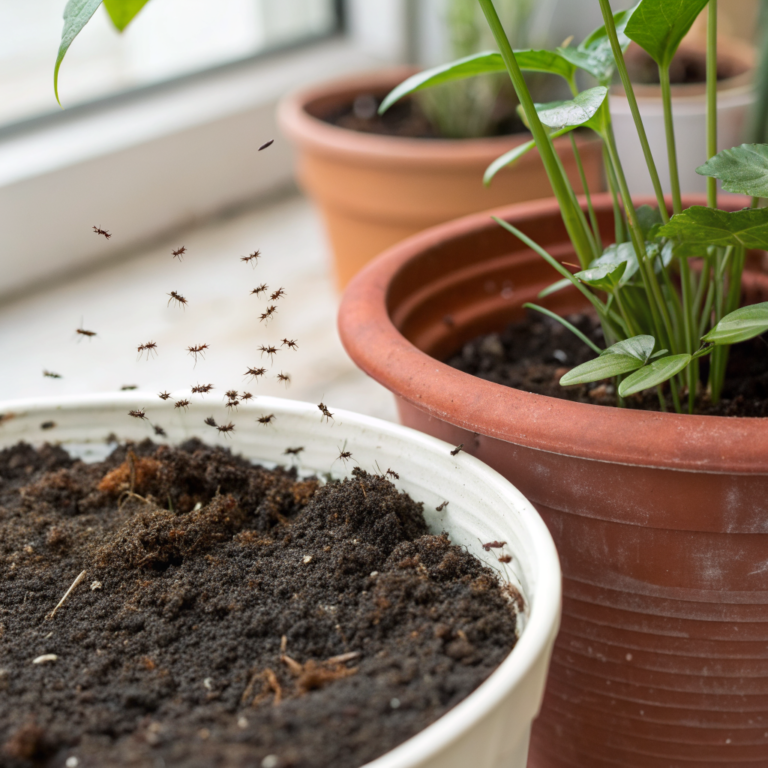
What Causes Gnats in Houseplants
Fungus gnats show up when the top layer of potting soil stays damp for long stretches, giving their larvae a place to feed on organic matter and fine root hairs. Overwatering is the most common trigger, but soil that already contains compost, peat, or decaying plant matter can support them even with moderate watering. Improving indoor ventilation and humidity control can reduce the moist conditions that favor both gnats and opportunistic mold growth.
These small dark insects are usually harmless to people, but a heavy infestation can stress a plant’s roots over time. If you notice bites, respiratory irritation, or other symptoms you’re unsure about, a healthcare provider is the right resource for that question rather than a cleaning guide.
How to Get Rid of Gnats in Plants Naturally
The most reliable natural approach combines adjusting your watering habit with two targeted treatments: one for the adult gnats flying around the plant and one for the larvae living in the top layer of soil.
- Check the soil with a finger about an inch down. If it feels damp, hold off on watering until that layer dries.
- Set out a small dish of apple cider vinegar with a drop of dish soap near the plant to draw in and trap adult gnats.
- Place a few yellow sticky cards close to the soil surface to catch adults that skip the vinegar trap.
- Once the soil has dried somewhat, drench it with a diluted hydrogen peroxide solution, using a mix mild enough that it fizzes briefly on contact rather than pooling heavily.
- Repeat the vinegar and sticky trap steps every few days, and repeat the soil drench roughly once a week, checking the plant’s response each time.
Spot test any peroxide mixture on a small area of soil first, especially with delicate or young plants, since sensitivity can vary by species and root development.
Using Sticky Traps and Vinegar Traps for Adult Gnats
Sticky traps and vinegar traps work by reducing the number of adult gnats that can lay new eggs in the soil, which is often the fastest visible improvement you’ll see. Neither trap treats the larvae already in the pot, so pair them with a soil treatment rather than relying on traps alone. If musty odors or lingering dampness are present in the room, our guide on how to remove damp smell from a bedroom explains ways to dry and ventilate indoor spaces that reduce pest-friendly conditions.
Position traps close to the soil line rather than high above the plant, since fungus gnats tend to stay near the surface where they emerged. Replace vinegar traps every few days once they collect debris, and swap sticky cards when they’re noticeably covered.
Good to Know
Fungus gnats are often confused with fruit flies, but fruit flies are usually drawn to ripening produce rather than houseplant soil, so the treatment location differs even though the traps look similar.
Treating the Soil to Stop Larvae
Larvae live in the top inch or two of soil, so treatments need to reach that zone rather than just the surface. A thin top layer of sand, fine gravel, or diatomaceous earth can make the surface less hospitable for egg-laying adults and can help the topsoil dry more evenly. Addressing broader household moisture problems can also help; for persistent dampness in basements see how to remove mildew smell from a basement.
A light dusting of cinnamon across the soil surface is another commonly used natural option, and a diluted hydrogen peroxide drench can help disrupt larvae close to the surface without leaving a strong residue once it dries. Avoid soaking the pot heavily, since standing water works against the drying-out step that discourages gnats in the first place.
What to Avoid When Treating Fungus Gnats
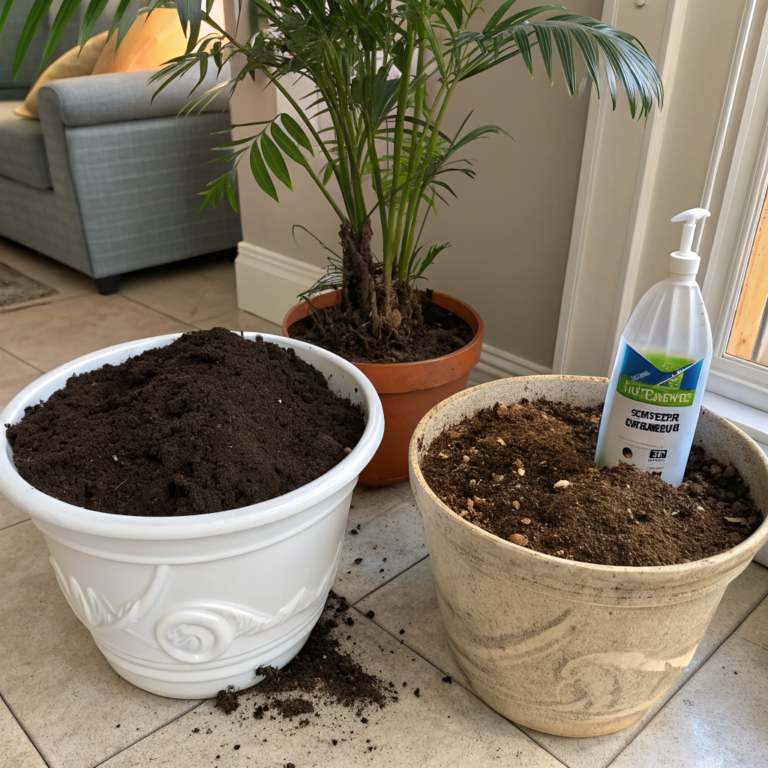
Avoid combining multiple soil drenches or sprays at the same time, since mixing cleaning or pest-control agents can create unpredictable results and some combinations are unsafe. If you want to try more than one method, use them on different days and watch how the plant responds.
- Do not let the soil dry out so completely that the plant wilts, especially with moisture-sensitive species.
- Do not apply an undiluted peroxide solution directly to roots or foliage without testing a small area first.
- Do not assume a single treatment permanently solves the problem if the underlying watering habit doesn’t change.
- Do not ignore drainage; a pot without adequate drainage holes can stay damp long after you think you’ve cut back on watering.
Also inspect nearby window frames and seals for trapped moisture or mold that can keep the local environment humid; our guide to removing mold from window frames explains safe cleaning approaches for those areas.
How to Prevent Gnats From Coming Back
Preventing a repeat infestation mainly comes down to consistent watering habits and soil that drains well. Water based on how dry the top layer actually feels rather than on a fixed schedule, and choose pots with drainage holes whenever possible.
If a particular plant tends to attract gnats repeatedly, consider repotting it into fresh soil, since old potting mix can accumulate organic debris that keeps larvae fed even after you’ve cleared an active infestation. Cleaning up fallen leaves and debris on the soil surface also removes another food source. Also check HVAC components and air pathways—cleaning mold from vents can improve airflow and help lower humidity; see how to clean mold from air conditioner vents for guidance.
Frequently Asked Questions
How long does it take to get rid of gnats naturally?
Many people notice fewer adult gnats within one to two weeks of consistent trapping and drying out the soil, though a full life cycle can take longer to fully clear. Sticking with the routine for several weeks gives the best chance of lasting results.
Can I use dish soap and water instead of vinegar traps?
Yes, a shallow dish of water with a small amount of dish soap can work similarly to a vinegar trap by breaking the surface tension so adult gnats can’t easily escape. Vinegar simply adds a stronger scent that draws them in faster.
Will letting the soil dry out completely hurt my plant?
It can, depending on the species, so aim for the top inch drying out rather than the entire root ball. Plants that prefer consistent moisture may need a different balance, so check care guidance specific to that plant before extending dry periods.
What if gnats keep coming back after treatment?
Persistent gnats after several weeks often point to soil that’s staying damp longer than expected, poor drainage, or organic debris still breaking down in the pot. Repotting into fresh, well-draining soil is usually the next reasonable step. If moisture problems show up elsewhere in the home—especially in bathrooms—check our guide to removing pink mold from shower grout for safe treatments that address persistent wet areas.
Are fungus gnats harmful to my plants long term?
Heavy larvae populations can feed on fine root hairs and may stress young or already weak plants, though established healthy plants often tolerate light infestations. If a plant’s health declines noticeably, a local nursery can help assess whether root damage is a factor.
Everything Mentioned Above
Before you leave, grab the tools you need to get the job done right the first time:
*As an Amazon Associate, TidyFormula earns from qualifying purchases.