How to Remove Grass Stains Effectively
Fresh grass stains usually come out with a plain dish soap or enzyme-based pretreatment worked into the fibers before washing, while older or set-in stains often need a short soak and possibly rubbing alcohol on sturdy fabrics. The right method depends on how long the stain has been there and what the fabric can tolerate. For safe household options and mild recipes, see Homemade Cleaning Solutions That Are Actually Safe.
The TidyFormula Quick Decision
Best approach: Pretreat with liquid dish soap or an enzyme-based stain remover, work it gently into the fibers with an old toothbrush, then launder using the warmest water the care label allows.
Use caution with: Silk, wool, leather, suede, and anything labeled dry-clean only, along with rubbing alcohol on colored or delicate fabrics where dye transfer or fading is possible.
Stop and reassess if: The stain darkens, spreads, or the fabric shows color loss, fraying, or texture change during treatment, or if the item is dry-clean only and hasn’t been checked against the care label.
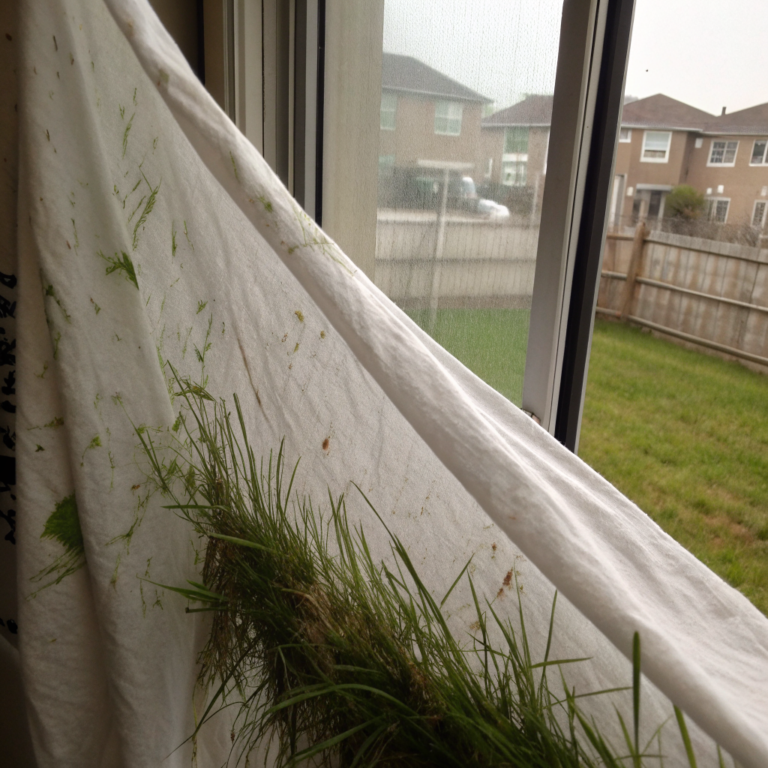
Grass stains are a mix of plant pigment and cell debris that binds to fabric fibers, which is why they resist plain water and can look worse after a quick wipe. Treating them correctly from the start matters more than scrubbing hard.
What I Use For This Job
Using the right tools saves time and protects your belongings. Here are my exact recommendations:
*As an Amazon Associate, TidyFormula earns from qualifying purchases.
What Causes Grass Stains to Set In
Grass stains set in when the plant’s pigment and juices dry into the fabric fibers, especially after heat from a dryer or an iron. The longer the stain sits untreated, the more tightly it binds, which is why same-day treatment usually works better than waiting.
Friction from play, sweat, and sun exposure can also darken a grass stain before it’s ever treated, making it look more severe than a fresh stain of the same size.
How to Remove Grass Stains from Washable Clothing
For most cotton, polyester, and blended fabrics that are machine washable, a pretreat-then-wash approach usually works well. Always check the care label first, since fabric type changes which products are safe.
- Scrape off any loose grass or debris with a dull edge before applying anything wet.
- Apply a small amount of liquid dish soap or an enzyme-based laundry pretreatment directly to the stain.
- Work it gently into the fibers with an old toothbrush or your fingers, going with the grain of the fabric.
- Let it sit for a short period, following the product label’s guidance rather than guessing at a time.
- Launder as usual in the warmest water the care label allows, since heat can help lift the stain but can also set it if applied too early.
- Check the item before drying. If the stain is still visible, repeat the pretreatment rather than running it through the dryer. For stubborn textile stains that need extra attention, our guide on How to Remove Grease Stains from a Fabric Sofa has methods that translate well to heavy fabric stains.
Dryer heat can permanently set a stain that wasn’t fully removed, so it’s worth the extra check before the fabric goes through a heat cycle.
Treating Set-In or Older Grass Stains
Older grass stains that have already been through the wash or dryer once often need a stronger approach, but that doesn’t mean reaching for the harshest product available. Rubbing alcohol can help break down set-in plant pigment on sturdy, colorfast fabrics, but it should always be spot-tested first on an inside seam or hidden area.
If the spot test shows no color change after a few minutes, apply the alcohol to the stain with a clean cloth, blot rather than scrub, and then launder as usual. If any fading or color transfer appears during the spot test, skip this method and rely on repeated enzyme pretreatments instead.
Removing Grass Stains from Delicate or Non-Washable Fabrics
Silk, wool, leather, suede, and anything marked dry-clean only need a gentler approach because household stain removers can discolor or damage these materials. In many cases, the safest option is to blot the stain lightly with a damp cloth to remove excess grass residue, then take the item to a professional cleaner who can identify the fabric and treat it appropriately. For upholstery and heavier fabric seating, see our guide on How to Clean a Fabric Office Chair for low‑moisture spot-test and cleaning techniques that help avoid water marks and pile damage.
Attempting a home stain remover on these materials without label guidance can turn a treatable stain into permanent damage, so it’s worth the wait for professional care when the fabric is sensitive.
Removing Grass Stains from Outdoor Surfaces
Grass stains on outdoor surfaces like concrete, patio pavers, or vinyl siding usually respond to a mild detergent solution scrubbed with a stiff brush, since these materials can tolerate more friction than fabric. Rinse thoroughly afterward to prevent soap residue from attracting dirt.
For stone or sealed surfaces, check whether the sealant is intact before scrubbing, since aggressive brushing on a worn sealant can wear it down further. If your outdoor space has other stubborn residue beyond grass, a guide like How to Remove Rust Stains from Concrete covers a related but distinct staining problem.
TidyFormula Tip
Treat grass stains before they go through the dryer, since heat can lock the pigment into the fibers and make a second treatment far less effective.
What to Avoid When Removing Grass Stains
Skipping a spot test is one of the most common mistakes, especially with rubbing alcohol or bleach-based products, since colorfastness varies widely between garments even within the same fabric type. Bleach can also break down certain fibers over repeated use, so it should never be treated as a routine first step.
- Do not combine bleach with other cleaning products or stain removers, since mixing cleaning agents can create hazardous fumes.
- Avoid scrubbing aggressively on delicate weaves, since this can thin the fabric or distort its texture.
- Don’t dry an item in the heat cycle if the stain is still visible after washing.
- Avoid using colored or scented dish soap on light fabrics, since dye from the soap itself can transfer.
- Avoid abrasive baking-soda pastes on delicate fabrics and finishes; see Baking Soda Cleaning Mistakes to Avoid for common pitfalls.
Prevention and Aftercare
Once a grass stain is out, air-drying the item and inspecting it in good light before storing it can catch any faint residue that’s easier to treat now than later. For clothing worn regularly outdoors, treating stains the same day they happen, rather than tossing the item in a hamper, usually leads to a better outcome.
If grass stains are a recurring issue with outdoor cushions, rugs, or patio furniture covers, checking whether those items are machine washable can save time compared to spot-treating them repeatedly by hand — and our How to Clean Outdoor Furniture Cushions guide walks through safe cleaning and drying for common cushion materials.
Frequently Asked Questions
Does hydrogen peroxide work on grass stains?
Hydrogen peroxide can help lift grass stains on white or colorfast fabrics, but it should be spot-tested first since it can lighten some dyes. Apply it to the stain, let it sit briefly, and launder as usual, checking the result before drying.
Can I use laundry detergent alone instead of a pretreatment?
Plain detergent alone often isn’t strong enough for grass stains because it’s designed for general soil rather than plant pigment. A dedicated enzyme pretreatment or dish soap applied directly to the stain usually performs better before the item goes through a full wash cycle.
What if the grass stain is still there after washing?
Repeat the pretreatment step rather than drying the item, since dryer heat can set a stain that wasn’t fully lifted. If the stain persists after a second attempt, consider a stronger method suited to the fabric or take the item to a professional cleaner.
Are grass stains harder to remove from white clothing?
White fabric doesn’t necessarily make the stain harder to remove, but it does make any remaining discoloration more visible. Enzyme pretreatments and, where appropriate, oxygen-based bleach alternatives tend to work well on white cotton and polyester blends.
How often should outdoor cushions be checked for grass stains?
Checking cushions and outdoor fabric after each use during high-activity seasons helps catch stains before they set. Once a stain has dried in over several days, it typically takes more effort and possibly a stronger treatment to fully remove.
Everything Mentioned Above
Before you leave, grab the tools you need to get the job done right the first time:
*As an Amazon Associate, TidyFormula earns from qualifying purchases.