DIY Wood Floor Cleaner: A Simple Guide for Sealed Hardwood
A simple DIY wood floor cleaner made from warm water and a small amount of mild dish soap or a diluted vinegar solution can lift everyday dust, foot-traffic grime, and light spills from sealed hardwood without damaging the finish. The right mix depends on whether your floor is sealed, waxed, or unfinished, so checking that first matters more than the recipe itself. If you prefer a whole-house, low-toxicity approach to cleaning, see the Non Toxic Cleaning Routine for the Whole House for simple, surface-appropriate options.
The TidyFormula Quick Decision
Best approach: A well-wrung microfiber mop dampened with warm water and a few drops of mild dish soap, used on sealed or polyurethane-finished hardwood.
Use caution with: Waxed floors, unfinished or unsealed wood, engineered wood with visible seams, and any solution containing vinegar or citrus oil on finishes you haven’t tested.
Stop and reassess if: Water pools instead of wiping away quickly, the finish looks cloudy or duller after drying, or boards feel soft, sticky, or swollen along the seams.
What I Use For This Job
Using the right tools saves time and protects your belongings. Here are my exact recommendations:
*As an Amazon Associate, TidyFormula earns from qualifying purchases.
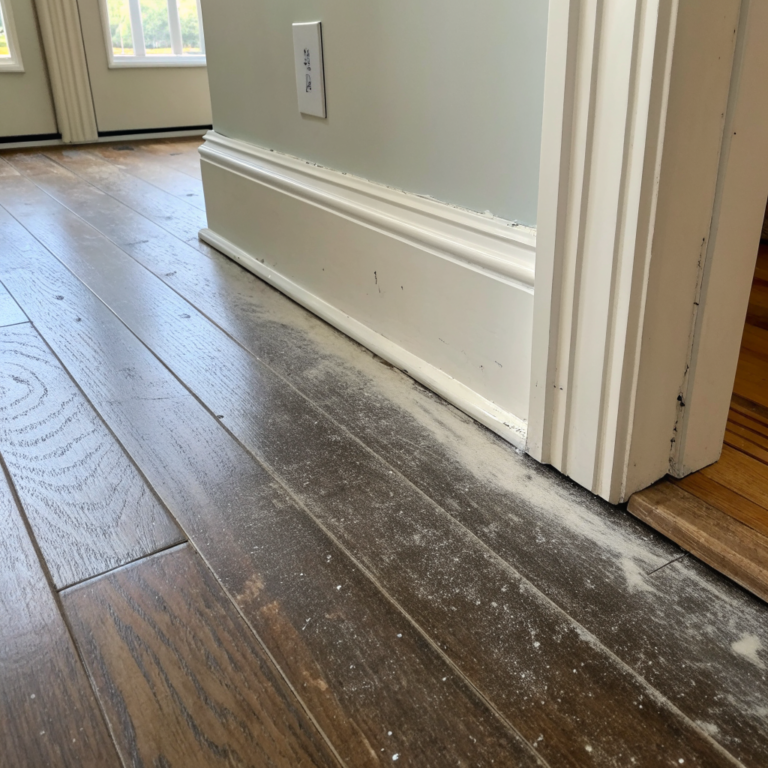
What You Need for a DIY Wood Floor Cleaner
Most DIY wood floor cleaning only requires a few household items: warm water, a mild dish soap or a small amount of white vinegar, a microfiber mop or soft cloth, and a bucket. A spray bottle helps control how much liquid touches the floor at once, which matters more for wood than for tile or laminate.
- Warm water (not hot, which can affect some finishes)
- A few drops of mild, unscented dish soap
- White vinegar, diluted, as an optional alternative for sealed floors
- Microfiber mop head or soft cotton cloths
- A dry towel or second microfiber pad for immediate drying
Skip anything oil-based, wax-based, or marketed as an all-purpose degreaser unless your floor manufacturer specifically recommends it. Wood finishes react differently to these products than tile or vinyl does.
How to Make a Simple DIY Wood Floor Cleaner
The most reliable homemade mix for sealed hardwood is a small squirt of mild dish soap in a bucket of warm water, kept just soapy enough to feel slippery between your fingers. A vinegar-based version — a small amount of white vinegar in warm water — works as a lighter alternative for routine dust and light grime.
Both versions should be diluted enough that the water still looks mostly clear. A cloudy, heavily soapy solution tends to leave streaks or a dull film once it dries, which is one of the more common complaints with homemade wood floor cleaners. For specific techniques to prevent streaking and protective-product advice, see How to Clean Hardwood Floors without Streaks.
TidyFormula Tip
Wring your mop until it feels only slightly damp, not wet. Wood absorbs moisture through seams and edges faster than most other flooring, so less liquid on the mop is safer than more.
How to Clean Wood Floors Step by Step
Cleaning sealed wood floors safely comes down to controlling moisture and working with the grain of your cleaning pattern rather than scrubbing in circles.
- Sweep or vacuum first to remove loose dust, grit, and pet hair, since dragging debris across wood with a wet mop can scratch the finish.
- Dip the mop in your diluted solution and wring it out until it’s just damp, not dripping.
- Mop in the direction of the floorboards, working in small sections so you’re never leaving standing liquid on the wood for long.
- Follow immediately with a dry microfiber cloth or towel to pick up any remaining moisture.
- Check corners, seams, and areas near baseboards, where liquid tends to pool and sit longer than on open floor.
For a small stain or sticky spot, a barely damp cloth with a drop of dish soap, rubbed gently in the direction of the grain, is usually enough. Avoid pressing down hard or scrubbing repeatedly in one spot, since that can wear a dull patch into the finish over time.
Cleaning Sealed vs. Waxed vs. Unfinished Wood Floors
Not every wood floor should be cleaned the same way, and this is where a lot of DIY methods go wrong.
| Floor Type | Safe Approach | What to Avoid |
|---|---|---|
| Sealed or polyurethane-finished | Damp mop with diluted soap or vinegar solution, dried promptly | Standing water, harsh scrubbing, wax-based products |
| Waxed hardwood | Dry or barely damp cloth, wax-compatible cleaner if needed | Vinegar or acidic solutions, which can strip wax finish |
| Unfinished or oiled wood | Dry dust mop, minimal moisture, manufacturer-recommended oil soap if used | Water-based mopping, vinegar, dish soap |
If you’re unsure which category your floor falls into, a small test in an inconspicuous area — a closet corner or under a rug — can show you whether a solution leaves streaking, dulling, or a sticky residue before you commit to cleaning the whole room.
What to Avoid When Cleaning Wood Floors
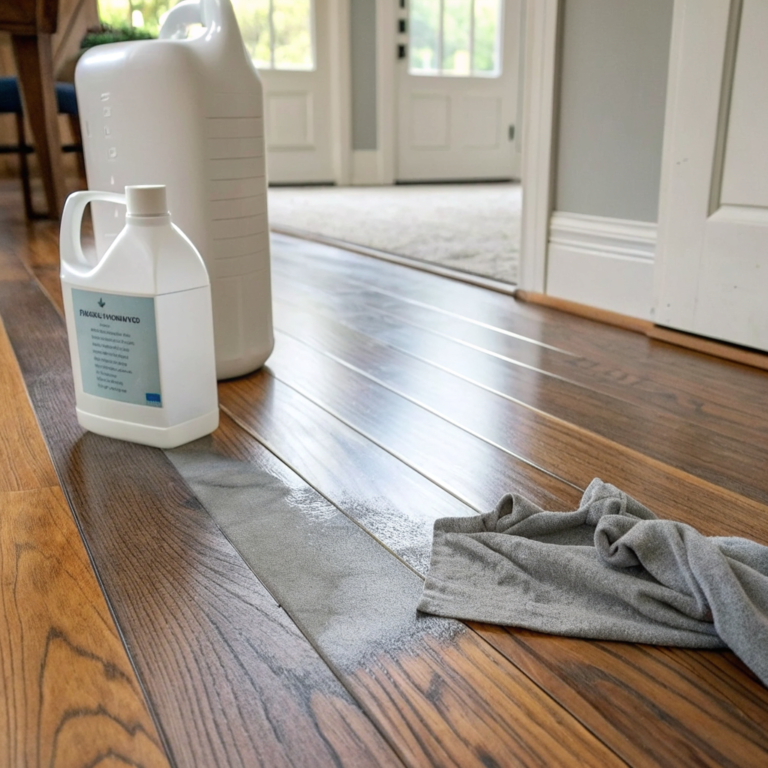
The biggest risk with a DIY wood floor cleaner isn’t the ingredients themselves, it’s how much liquid ends up sitting on the wood.
- Avoid soaking the mop or pouring solution directly onto the floor; both leave far more water on the surface than wood can handle well.
- Avoid steam mops on solid hardwood unless the manufacturer specifically approves it, since heat and moisture together can affect some finishes.
- Avoid mixing cleaning agents. If you already have a commercial wood floor cleaner, do not add vinegar, ammonia, or other products into the same solution — cleaning agents that should not be combined must not be combined.
- Avoid vinegar on waxed or oiled floors, since the acidity can break down some wax finishes over repeated use.
- Avoid letting pets or foot traffic cross the floor while it’s still wet, which can track moisture into seams.
Drying and Aftercare
Dry the floor with a clean towel or dry microfiber pad right after mopping rather than letting it air-dry on its own. Leaving wood floors to dry naturally, even briefly, increases the chance of streaking or moisture working into seams between boards.
Once dry, the floor should feel smooth and look consistent, without dull patches or a slightly sticky texture underfoot. A sticky feel usually means some soap residue was left behind, which can be corrected with a second pass using plain water and a dry cloth. If you have pets, follow a pet-safe floor cleaner routine for hardwood to avoid residues that attract paw prints or leave odors.
Frequently Asked Questions
Can I use vinegar on all wood floors?
No. Vinegar is generally fine on sealed, polyurethane-finished hardwood in small diluted amounts, but it can affect wax finishes and is not recommended for unfinished or oiled wood. Check your floor’s finish type before using any acidic solution.
How often should I deep clean wood floors?
Routine dust mopping several times a week combined with a damp mop cleaning every one to two weeks usually keeps sealed wood floors looking consistent, though high-traffic homes or households with pets may need it more often.
What if my homemade cleaner leaves streaks?
Streaking usually means too much soap was used or the floor wasn’t dried quickly enough. Try a lighter dilution next time and follow up with a dry microfiber pass immediately after mopping to catch any remaining moisture.
Is a DIY cleaner safe for engineered wood floors?
Often yes, if the surface layer is sealed, but engineered wood has more seams where moisture can seep in. Use less liquid than you would on solid hardwood and dry the floor promptly, especially along visible seam lines.
Does mopping wood floors disinfect them?
Mopping removes visible dust, grime, and surface residue, but it does not disinfect the floor. If you have specific concerns about germs or allergens on flooring, that’s a question better directed to a cleaning or health professional.
If you’re also dealing with a laminate surface elsewhere in the home, the cleaning approach differs enough that it’s worth reviewing separately — see How to Clean Laminate Floors without Leaving Film for that specific finish. For a broader look at which homemade mixes are actually safe across different surfaces, Homemade Cleaning Solutions That Are Actually Safe covers the same caution points in more depth.
Everything Mentioned Above
Before you leave, grab the tools you need to get the job done right the first time:
*As an Amazon Associate, TidyFormula earns from qualifying purchases.