What an Impeller on a Washing Machine Does: A Quick Guide – A Quick Guide
An impeller on a washing machine is a low, disc-shaped or cone-shaped plate at the bottom of the wash drum that spins to push water and clothes around instead of twisting them the way a center-post agitator does. It creates a circulating current and mild friction that moves the load through the water, which is why most high-efficiency top-load washers use one instead of a tall agitator column.
The TidyFormula Quick Decision
Best approach: Wipe the impeller disc and the drum floor around it with a damp microfiber cloth or a soft brush during a routine deep clean, focusing on removing lint, hair, and soap-scum film. For heavy pet hair and embedded fibers that keep reappearing, see how to remove pet hair from a washing machine.
Use caution with: Abrasive scrub pads or metal scouring tools on the impeller’s plastic ribs, and any bleach-based cleaner used on painted or coated metal components without checking the manual first.
Stop and reassess if: The impeller feels loose, wobbles when pressed, or the washer makes new grinding, knocking, or scraping noises during the spin cycle. That points to a mechanical issue rather than a cleaning issue.
What I Use For This Job
Using the right tools saves time and protects your belongings. Here are my exact recommendations:
*As an Amazon Associate, TidyFormula earns from qualifying purchases.
What an Impeller on a Washing Machine Actually Does
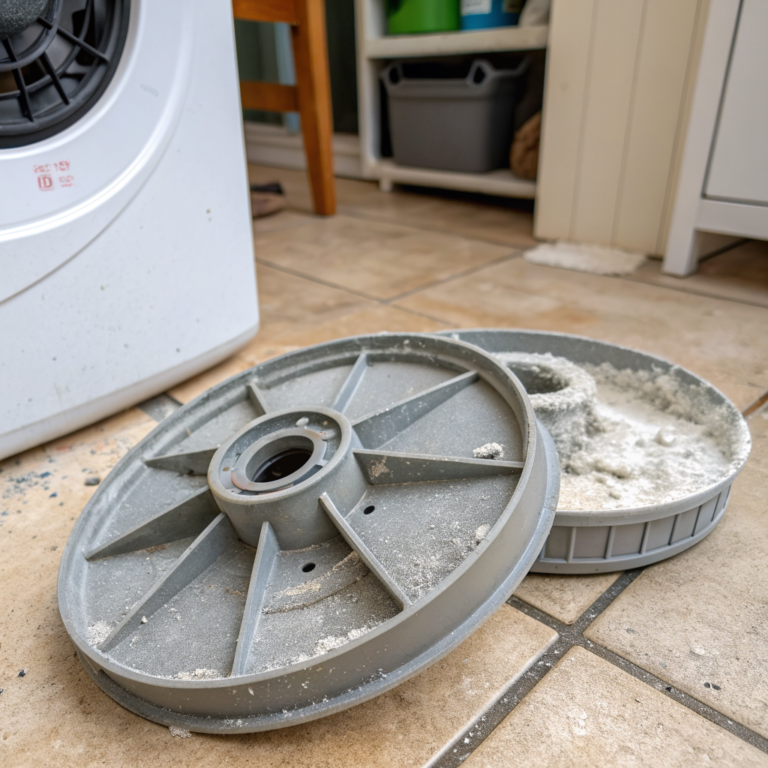
The impeller sits flush with the bottom of the drum and rotates back and forth or in one direction, generating a rolling current of water rather than physically grabbing and twisting fabric. Clothes are carried through the water by that current, which tends to be gentler on fabric than a full agitator column while still working the load enough to loosen soil.
Because the impeller does not reach up into the drum the way an agitator does, top-load washers built around one usually have more usable space for larger loads like comforters and towels. Some front-load washers use a similar low-profile plate concept, though the term “impeller” is most commonly used to describe high-efficiency top-load machines.
Impeller vs. Agitator: What’s the Difference
An agitator is a tall center post with fins that physically twists and flips clothing, while an impeller is a low plate that relies mostly on water movement and friction between garments. Each approach affects wash action, load capacity, and how rough the cycle feels on delicate fabric.
- Agitators generally clean effectively on heavily soiled loads but can be harder on delicate fabric and reduce usable drum space.
- Impellers generally allow larger loads and gentler handling, though very heavily soiled items may need a longer cycle or pretreatment to get the same result.
- Neither design guarantees stain removal on its own; detergent choice, water temperature, and cycle length still matter.
If you do have a tall agitator in an older top-load model and want maintenance tips, follow the manufacturer’s guidance or read how to clean a top-load washing machine agitator for safe, non-destructive cleaning steps.
Where the Impeller Is Located and What It Looks Like
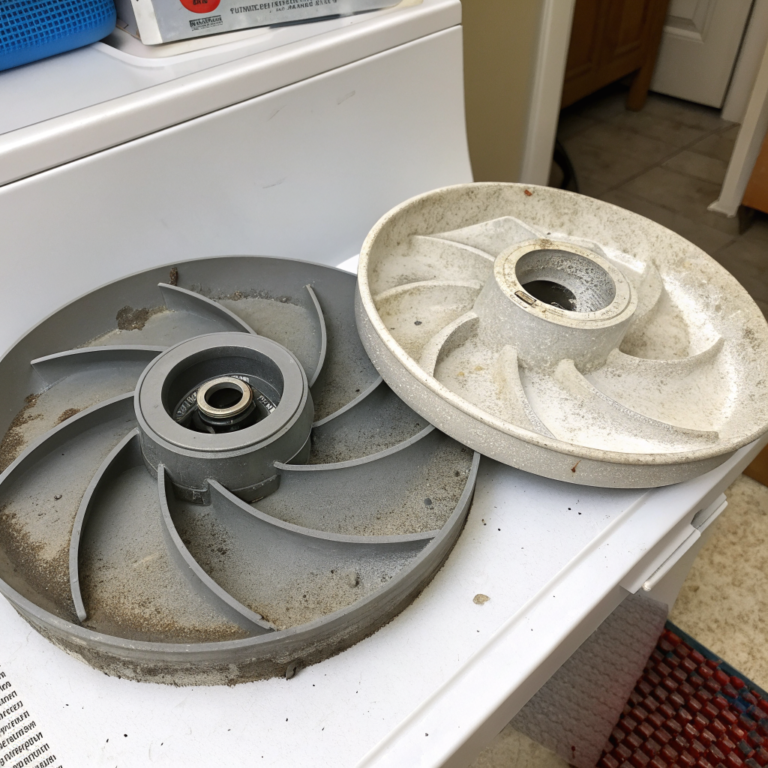
The impeller is the low, often gray or white plastic disc, cone, or set of curved fins built into the center of the drum floor. It usually sits flat against the bottom of the tub and does not extend upward the way an agitator post does, which is one of the easiest ways to identify a high-efficiency top-load washer at a glance.
On most machines the impeller is not designed to be removed by the average homeowner. It is typically fastened from beneath the drum and connected to the drive mechanism, so routine cleaning is done from above rather than by disassembling it.
Signs Your Impeller Needs Cleaning or Attention
A grayish film, lint buildup, or a musty smell near the drum floor usually points to soap-scum and residue accumulation rather than a mechanical problem. This is common in washers that regularly use cold-water cycles or too much detergent, since residue can settle around the impeller’s ribs and edges.
Unusual noise is a different signal. A soft swishing or splashing sound during the wash is normal, but grinding, knocking, or a scraping sound during spin can indicate the impeller assembly, bearing, or drive component needs a technician’s inspection rather than cleaning.
If the musty odor seems to come from the door gasket or the folds of the seal rather than the impeller area, check guidance on how to clean washing machine rubber seal mold, since trapped moisture in the gasket is a frequent odor source.
How to Clean a Washing Machine Impeller
Cleaning the impeller mainly means clearing residue from its surface and the drum floor around it, not disassembling the machine. This is a light maintenance task that most owners can do without tools.
- Unplug the washer or switch it off before reaching into the drum.
- Wipe the impeller disc and the surrounding drum floor with a damp microfiber cloth to lift loose lint and surface film.
- For stubborn soap-scum buildup, use a soft-bristle brush along the ribs and edges of the impeller, working gently rather than forcing the brush into gaps.
- Wipe away any loosened residue with a clean, damp cloth, then leave the lid or door open briefly so the drum area can air dry.
- Run an empty hot-water cycle occasionally, following your washer’s manual for any recommended maintenance or cleaning-cycle setting, to help flush out residue from areas that are not reachable by hand. If odor returns after cleaning cycles, see why your washer may still smell after cleaning for troubleshooting steps.
If the care label on your detergent or washer manual recommends a specific washing-machine cleaner, that product can help reduce mineral and soap buildup over time. Always follow the product label rather than mixing it with other cleaning agents. Also clean the dispenser area periodically—see how to clean a washing machine detergent drawer to remove caked residue that can redeposit around the impeller.
TidyFormula Tip
Leaving the washer door or lid slightly open between loads helps the drum and impeller area air out, which can reduce the musty buildup that leads to scrubbing later.
What to Avoid When Cleaning Around the Impeller
Avoid metal scouring pads, wire brushes, or sharp tools near the impeller, since scratches in the plastic can trap more residue and make future buildup worse. Stick to soft brushes or cloths instead.
Avoid combining cleaning agents such as bleach and ammonia-based products, or any two cleaners the labels warn against mixing. Cleaning agents that should not be combined must not be combined, even in small amounts, since this applies regardless of where in the machine you’re cleaning.
Avoid forcing tools into the gap between the impeller and the drum wall. That gap is normal by design, and prying at it can loosen fasteners or damage the impeller’s mounting.
Avoid assuming a clean-looking impeller means the machine is sanitized. Wiping away visible film and residue improves appearance and helps reduce odor-causing buildup, but it is not the same as disinfecting the drum.
When to Call a Technician
If the impeller feels loose, spins unevenly, or the washer produces new grinding or thumping noises, that usually points to a mechanical issue with the impeller’s mounting, bearing, or drive coupling rather than something a home cleaning routine can fix. Continuing to run heavy loads on a loose or damaged impeller can lead to further wear.
Checking the appliance manual first can clarify whether the noise or behavior is within normal range for your specific model before deciding whether a service call is needed. Also check and maintain the machine’s pump and access filter periodically—see how to clean a washing machine filter for steps to clear trapped debris and protect the pump.
Frequently Asked Questions
Can I remove the impeller myself to clean underneath it?
Most impellers are not designed for home removal, since they are fastened from beneath the drum and connected to the drive mechanism. Cleaning from above with a cloth or soft brush is the safer approach; deeper disassembly is better left to a qualified technician.
Does an impeller washer clean clothes as well as an agitator washer?
Both designs can clean effectively, but they work differently. Impeller washers rely more on water movement and load friction, while agitators use more direct physical action, so very heavily soiled loads may benefit from pretreatment or a longer cycle in an impeller machine.
Why does my washer smell musty near the impeller?
A musty smell near the drum floor is often caused by soap-scum residue, trapped moisture, or lint buildup rather than the impeller itself. Wiping the area and running an empty hot-water cycle can help; if odor persists, a washer-cleaner product made for that purpose may help reduce buildup.
Is it normal to see water pooling around the impeller after a cycle?
A small amount of residual water around the impeller area is common in many top-load designs. Standing water that does not drain after the cycle finishes is not typical and may point to a drain or pump issue worth checking against the manual.
How often should I clean around the impeller?
Light wiping every few weeks is usually enough for most households, with a deeper wipe-down whenever you notice film, odor, or visible lint buildup. Households doing frequent laundry or using hard water may need to clean the area somewhat more often.
Everything Mentioned Above
Before you leave, grab the tools you need to get the job done right the first time:
*As an Amazon Associate, TidyFormula earns from qualifying purchases.