
How to Remove Tarnish from Sterling Silver: A Simple Guide
The most reliable way to remove tarnish from sterling silver is a gentle silver polish or a paste of mild cleaner applied with a soft cloth, working in straight strokes rather than circles, followed by a full rinse and dry. Lighter tarnish often lifts with a simple wash and polish, while heavier black tarnish usually needs a dedicated silver polish and a little patience.
The TidyFormula Quick Decision
Best approach: Use a soft cloth or cotton pad with a silver-safe polish or a mild paste cleaner, applying light pressure in straight strokes, then rinse and dry thoroughly.
Use caution with: Silver-plated pieces, items with oxidized decorative detail, antique or engraved silver, and pieces with glued handles, cemented finials, or attached stones.
Stop and reassess if: The tarnish does not lighten after a couple of gentle passes, the surface shows pitting or flaking, or a plated layer starts to show a different color underneath.
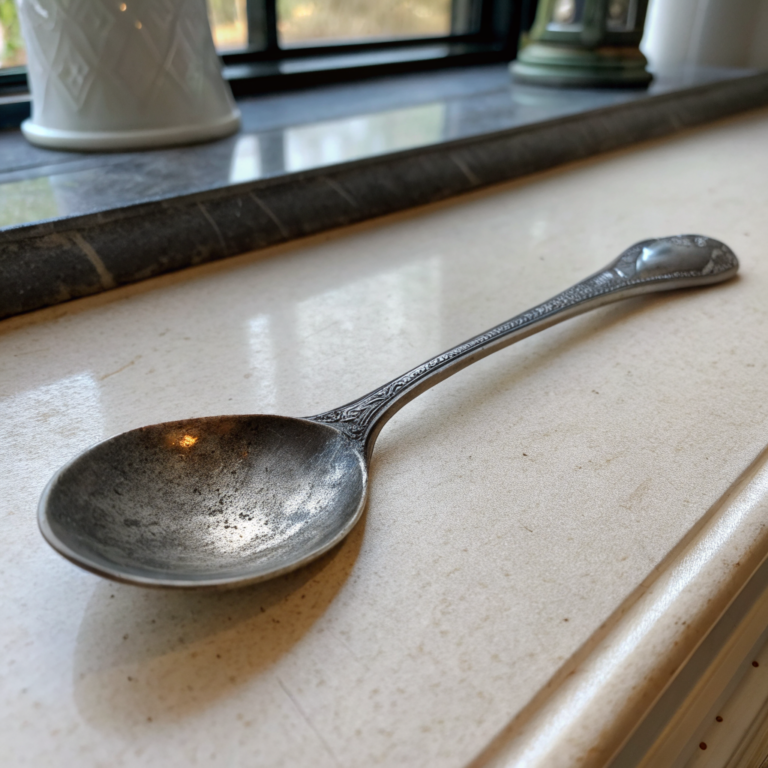
How to Remove Tarnish From Sterling Silver
Removing tarnish from sterling silver starts with identifying how heavy the discoloration is, since light haze and deep black tarnish call for different levels of effort. Sterling silver is a metal alloy, so a soft cloth and a silver-safe polish or paste cleaner is usually the safest starting point before reaching for anything stronger.
What I Use For This Job
Using the right tools saves time and protects your belongings. Here are my exact recommendations:
*As an Amazon Associate, TidyFormula earns from qualifying purchases.
Work on a padded surface, such as a folded towel, so the piece does not slide or get scratched. Apply the cleaner with light, even pressure and check your progress often rather than scrubbing continuously in one spot.
What Causes Sterling Silver to Tarnish
Tarnish develops when silver reacts with sulfur compounds in the air, and it tends to show up faster in humid rooms, near rubber materials, or when silver sits unused in a drawer for long stretches. This is a normal surface reaction rather than a sign of damage or poor-quality silver.
Sterling silver is not pure silver; it is combined with other metals for strength, and that alloy can influence how quickly tarnish forms and how it looks. Darker gray or black tarnish is common on pieces that have gone unused or unpolished for a long time.
Testing and Preparing Your Silver
Before treating the whole piece, test any cleaner on a small, hidden area such as the underside of a handle or base. This matters most with plated silver, oxidized detailing, or antique finishes, since a cleaner that is fine on solid sterling can be too aggressive for a thin plated layer.
- Rinse the piece under warm water to remove loose dust or debris.
- Dry it with a soft cloth before applying any cleaner.
- Apply a small amount of cleaner to a hidden spot and wait briefly to check the result.
- Proceed to the full piece only if the test area looks unchanged aside from reduced tarnish.
For guidance on safe at‑home cleaners and how to avoid mixing products that can damage finishes, see Homemade cleaning solutions that are actually safe.
Removing Light Tarnish With Mild Cleaning
Light tarnish, which usually looks like a faint yellow or gray haze, often responds well to a gentle silver polish applied with a soft cloth or cotton pad. Work in straight, light strokes rather than circles, since circular scrubbing can create fine swirl marks that are more noticeable on a polished surface.
If you prefer lower‑chemical options for routine upkeep, you may also find helpful tips in Natural cleaning products for every room, but always test first on a hidden spot.
Rinse the piece with warm water once the haze lifts, then dry it immediately with a clean, soft cloth. Leaving moisture on silver, especially in the folds of ornate patterns, can encourage new tarnish to form more quickly.

Removing Heavier Tarnish
Heavier tarnish, which often looks dark gray or black and can sit in the recesses of engraved patterns, usually needs a dedicated silver polish or paste cleaner rather than a quick wipe. Apply a small amount to a soft cloth and work it into the tarnished areas with light, repeated strokes, checking often so you do not over-polish decorative detail.
For pieces with detailed engraving, a soft-bristled brush can help reach into grooves without pressing polish too hard into the design. If tarnish remains deep in the engraving after a reasonable effort, it is often better to leave a small amount there than to keep scrubbing aggressively, since that recessed shading is part of how many decorative patterns are meant to look.
If tarnish is extremely heavy, uneven, or the piece has sentimental or antique value, consider having it evaluated by a professional silver or jewelry cleaner rather than continuing to treat it at home.
TidyFormula Tip
Store polished silver with anti-tarnish cloth or strips and keep it away from rubber bands or rubber-lined drawers, since rubber can speed up new tarnish.
What to Avoid
Avoid abrasive scrubbing pads, steel wool, or harsh household abrasives on sterling silver, since these can scratch the surface permanently and dull the finish. Avoid dishwashers for sterling silver flatware or hollowware, since heat, harsh detergent, and contact with other metals can cause pitting, discoloration, or damage to handles.
Do not combine cleaning agents in an attempt to work faster or stronger; cleaning products that should not be mixed must not be mixed under any circumstance. Avoid soaking silver for extended periods in any cleaning solution, since prolonged soaking can affect plated layers, glued components, or attached stones.
Related reading: How to Clean Silver Without Polishing covers gentler routine upkeep if you want to reduce how often you need a full tarnish-removal session.
Drying, Aftercare, and Prevention
After cleaning, dry sterling silver completely with a soft cloth, paying attention to any decorative crevices where moisture can linger. A final buff with a dry cloth can help restore some shine and remove any faint cleaner residue.
To slow future tarnish, store silver in a dry area, ideally wrapped in anti-tarnish cloth or placed in a tarnish-resistant bag, and use it regularly rather than leaving it untouched for long periods. If you also care for gold-plated pieces, dishwasher exposure and metal-specific handling matter there too, as covered in Can You Put Gold Plated Silverware in the Dishwasher?
For a broader approach to safer, routine maintenance across the home, see our Non Toxic Cleaning Routine for the Whole House.
Frequently Asked Questions
Can baking soda remove tarnish from sterling silver?
A mild baking soda paste can help with light tarnish when applied gently with a soft cloth, but it can be slightly abrasive, so it is not ideal for antique finishes or engraved detail. A dedicated silver polish is usually gentler and more predictable for regular tarnish removal. For common pitfalls when using baking soda on household surfaces, read Baking Soda Cleaning Mistakes to Avoid.
Is it safe to put sterling silver in the dishwasher?
Sterling silver is generally not considered dishwasher-safe, since heat, detergent, and contact with other metals can cause pitting or discoloration. Hand washing and drying immediately is the safer routine for most sterling pieces.
How often should sterling silver be cleaned for tarnish?
This depends on how often the piece is used and the humidity where it is stored, but many households find a light cleaning every few months keeps tarnish from building up heavily. Frequently used silver often tarnishes more slowly than silver left untouched in storage.
What should I do if polish does not remove the tarnish?
If gentle polishing does not lighten the tarnish after a couple of careful attempts, avoid scrubbing harder, since this raises the risk of surface damage. A professional silver cleaning service can assess whether the discoloration needs a stronger method or professional-grade treatment.
Does vinegar work to clean tarnished silver?
Vinegar is sometimes used as a mild cleaning aid, but it is not a dependable tarnish remover on its own and can be too acidic for some finishes or attached stones. A silver-specific polish remains the more predictable option for most tarnish situations; also see Surfaces You Should Never Clean with Vinegar for finishes that vinegar can damage.
Everything Mentioned Above
Before you leave, grab the tools you need to get the job done right the first time:
*As an Amazon Associate, TidyFormula earns from qualifying purchases.