
Surfaces You Should Never Clean with Vinegar
The surfaces you should never clean with vinegar include natural stone, cement-based materials, waxed or unfinished wood, cast iron, electronic screens, and specialty finishes that don’t permit acids. The safest default is a pH-neutral cleaner made for the material, applied with minimal moisture. Vinegar damage—especially stone etching—usually can’t be cleaned away.
The complication is that vinegar works acceptably in some cleaning jobs, so it’s easy to assume dilution makes it safe everywhere. It doesn’t. Surface composition, sealers, coatings, grout, and appliance components all affect the risk.
⚡ The TidyFormula™ Quick Decision
Best approach: Use a material-specific, pH-neutral cleaner and a lightly damp microfiber cloth instead of a homemade vinegar solution.
Use caution with: Porous materials, acid-sensitive minerals, coatings, seams, grout, electronics, and appliance parts that could trap liquid.
Which Surfaces Should Stay Vinegar-Free?
Avoid vinegar where acid, moisture, or prolonged contact could alter the surface or its protective finish. If you can’t identify the material, use the manufacturer’s care instructions rather than guessing.
What I Use For This Job
Using the right tools saves time and protects your belongings. Here are my exact recommendations:
*As an Amazon Associate, TidyFormula earns from qualifying purchases.
| Surface or material | Why vinegar is unsuitable | Preferred alternative |
|---|---|---|
| Marble, limestone, travertine, onyx, and marble-based terrazzo | Acid can etch the mineral surface, leaving a dull or rough patch. | Use a stone-safe, pH-neutral cleaner and dry the surface promptly. |
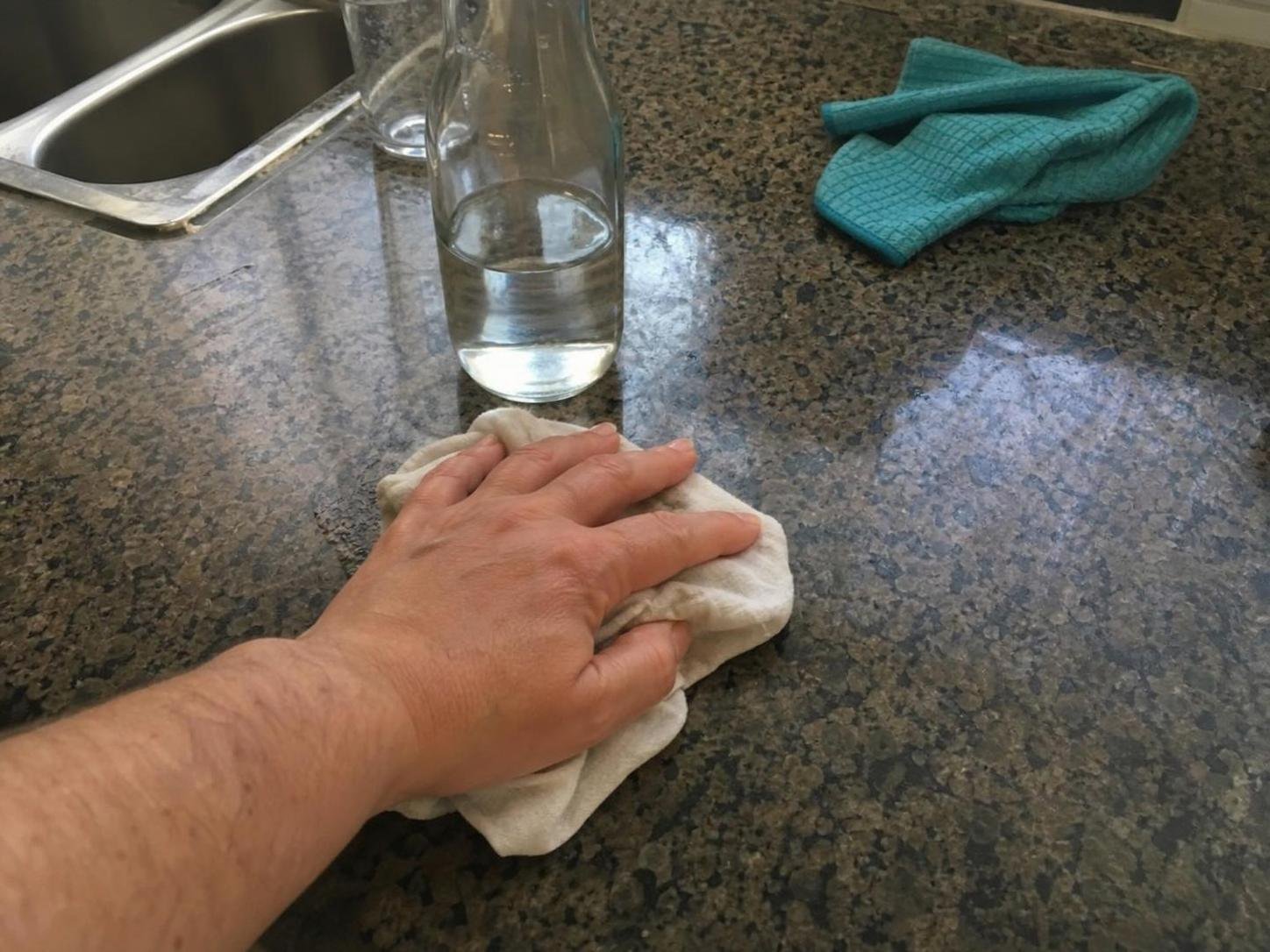
| Granite and other sealed natural stone | Stone types and sealers differ. Repeated acidic cleaning may affect some sealers or finishes. | Choose a cleaner approved for the specific stone and sealer. |
| Concrete, cement tile, and cement-based grout | Acidic cleaners can wear or roughen cement-based material, especially with repeated use. | Use a pH-neutral cleaner suitable for concrete, tile, or grout. |
| Waxed, oiled, unfinished, or unknown wood | Vinegar and excess water can dull finishes, disturb wax or oil, and leave uneven marks. | Dust first, then use an approved wood cleaner with very little moisture. |
| Factory-finished hardwood and laminate floors | Finish formulas and seam construction vary. Liquid can also enter joints. | Follow the flooring manufacturer’s instructions and use a barely damp pad. |
| Cast iron and carbon steel | Vinegar can strip seasoning and encourage surface changes if contact continues too long. | Clean according to the cookware maker’s directions, then dry completely. |
| Uncoated aluminum, copper, and specialty metal finishes | Acid can discolor or alter some reactive metals and decorative finishes. | Use a metal-specific cleaner that permits the exact material and finish. |
| TVs, monitors, phones, tablets, and coated screens | Vinegar may damage anti-glare, fingerprint-resistant, or other screen coatings. | Use a dry microfiber cloth or the screen cleaner specified by the manufacturer. |
| Painted, lacquered, or specialty-coated surfaces | Acidity and rubbing can soften, dull, or discolor an unknown coating. | Test an approved mild cleaner in a hidden area before wider cleaning. |
| Appliance interiors, seals, tubing, and reservoirs | Internal metals, rubber parts, coatings, and sensors vary by appliance. | Use only the descaling or cleaning method stated in the current manual. |
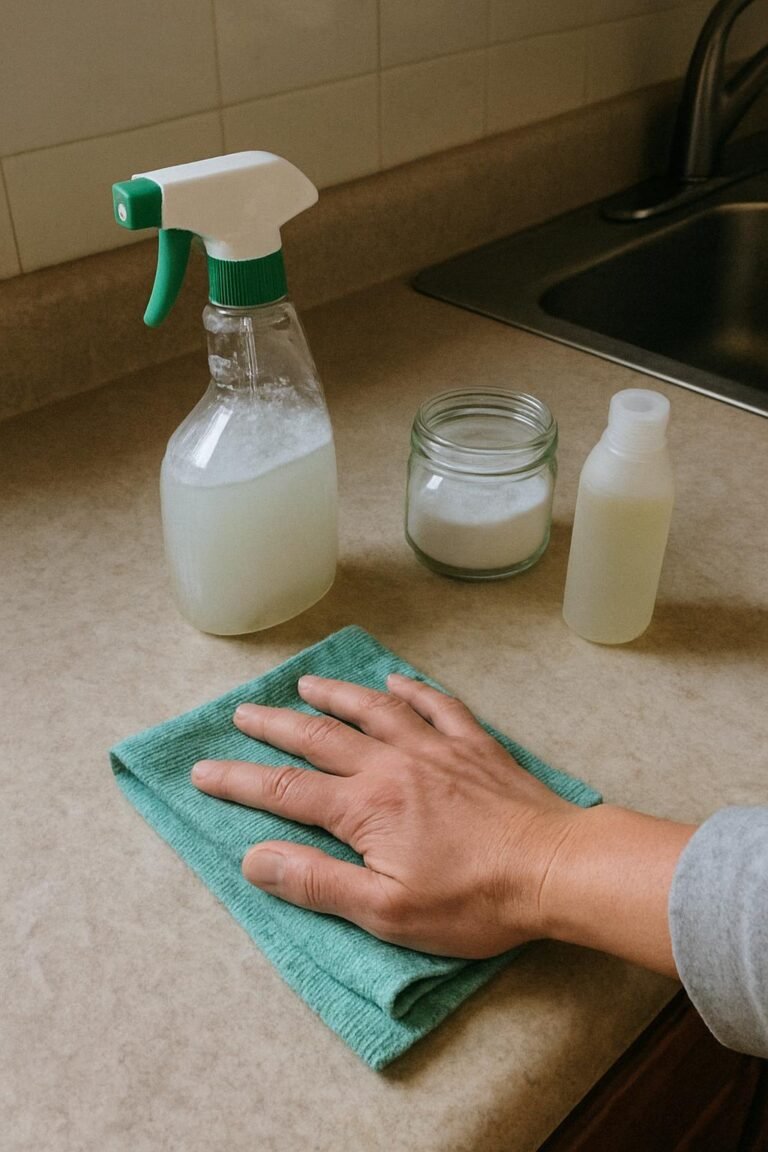
A Safe Vinegar-Free Method for Washable Hard Surfaces
This method is a sensible default for hard surfaces that tolerate water and mild detergent. Do not use it on electronic screens, unfinished wood, or materials whose care instructions require a specialized cleaner.
- Two clean, nonabrasive microfiber cloths
- A mild, pH-neutral cleaner approved for the surface
- Clean water, if the cleaner’s label calls for rinsing
- A soft brush only for durable textured surfaces
- Identify the surface and finish. Check the care label, flooring documentation, countertop paperwork, or appliance manual. If the material is unknown, test the proposed cleaner in a concealed area and allow the spot to dry before proceeding.
- Remove loose dust and grit with a dry microfiber cloth. This prevents particles from scratching stone, wood finishes, paint, or polished metal during wet cleaning.
- Apply the cleaner according to its current label. Put it on the cloth rather than spraying seams, joints, controls, or nearby electronics. The cloth should be damp, not dripping.
- Wipe gently in small sections. Avoid aggressive scrubbing on polished stone, painted surfaces, decorative metal, and glossy finishes. Stop if the area becomes dull, tacky, discolored, or rough.
- Remove cleaner residue if directed by the product label. Use a second cloth lightly dampened with clean water, taking care not to flood grout lines, wood seams, or edges.
- Dry the surface with a clean cloth. Check from an angle for streaks, haze, standing moisture, or finish changes before cleaning the rest of the area.

🧪 Why This Works
Loose grit is removed before it can scratch, while a material-appropriate cleaner loosens ordinary soil without exposing the surface to unnecessary acid. Minimal moisture also reduces the chance of liquid entering seams, softening finishes, or lingering inside porous material.
Appliances Need Their Own Rules
Vinegar isn’t automatically safe or unsafe for every coffee maker, dishwasher, washing machine, steam iron, or humidifier. Some manufacturers permit it for a particular procedure, while others specify a branded descaler or a different cleaning agent because of internal components.
Check the current manual before pouring anything into a reservoir or running a cleaning cycle. If your coffee maker’s instructions don’t permit vinegar—or you simply want another option—use a vinegar-free coffee maker cleaning method that remains consistent with the machine’s manual.
Never assume that a method approved for one appliance applies to another. Don’t spray cleaner into vents, control panels, heating areas, battery compartments, or electrical connections.
What to Do After Accidental Vinegar Contact
Act promptly, but don’t try to counteract vinegar with another household product. The correct response depends on whether the surface tolerates water.
On stone, tile, grout, or a washable countertop
Blot up the vinegar without rubbing. If the care instructions permit water, wipe with a clean damp cloth and dry immediately. A pale, dull, or rough mark on natural stone may be etching rather than residue. Additional cleaning won’t restore lost polish; a stone-care professional may need to refinish the area.
On wood or a coated finish
Blot the area and remove any remaining moisture with a dry cloth. Stop if the finish looks cloudy, sticky, softened, or uneven. Don’t apply oil, wax, polish, or another cleaner until you’ve checked the finish manufacturer’s guidance, since an unsuitable treatment can make refinishing harder.
On cast iron or carbon steel
Rinse only if the cookware instructions permit it, then dry the item thoroughly. If seasoning has become patchy or bare metal is visible, follow the manufacturer’s reseasoning directions rather than continuing to scrub with vinegar.
On a screen or electronic device
Don’t add water or another cleaning product. Disconnect power if it’s safe to do so, blot external liquid without pressing hard, and follow the device manufacturer’s spill guidance. Streaks that remain after drying may be coating damage rather than removable residue.
Vinegar Mistakes That Commonly Cause Damage
Most problems come from treating dilution, short contact, or a homemade mixture as a guarantee of compatibility. None of those factors overrides the care instructions for the surface.
- Mixing vinegar with bleach or another cleaner: Never mix household cleaning products. Use one product at a time according to its label, and rinse only when directed.
- Assuming sealed means acid-proof: Stone and wood sealers vary, wear down, and may have damaged areas that aren’t immediately obvious.
- Spraying directly: Overspray can reach grout, seams, unfinished edges, vents, controls, and nearby materials that aren’t vinegar-safe.
- Letting vinegar sit: Extended contact increases the chance of dulling, etching, discoloration, or finish damage.
- Scrubbing harder when a spot turns dull: A changed sheen may indicate surface damage, not stubborn dirt. Stop and let the area dry before deciding what to do next.
- Using vinegar on tile without considering the grout: Glazed tile may tolerate products that its cement-based grout does not. Clean the whole installation according to the most sensitive exposed material.
Residue, Haze, and Finish Changes
A failed cleaning attempt doesn’t always mean permanent damage. First determine whether you’re seeing removable residue or a physical change to the finish.
- Streaks that move when wiped: These are often cleaner residue. If the surface permits it, wipe once with a clean, lightly damp cloth and dry.
- A fixed dull spot on polished stone: This is likely etching. More cleaner, polish, or scrubbing may worsen the uneven appearance.
- Cloudiness on wood: Moisture or finish disturbance may be involved. Allow the area to dry with normal airflow and avoid direct heat.
- Sticky paint or lacquer: Stop touching the area and let it dry. Contact the item manufacturer or a finish-repair professional before applying anything else.
- Metal discoloration: Dry the item and use restoration guidance for that exact metal. Abrasive powders can change the surrounding sheen.
Aftercare That Prevents Repeat Damage
Store vinegar separately from your everyday surface-cleaning supplies if similar bottles make mix-ups likely. Label refill bottles clearly, and keep a material-appropriate cleaner near frequently cleaned stone counters, wood floors, or specialty fixtures.
After damp cleaning, dry seams, edges, grout lines, and hardware. Drying time varies with porosity, airflow, humidity, and how much liquid entered joints. Don’t cover or reassemble a damp item, and don’t use direct high heat to speed drying on wood, coatings, adhesives, or electronics.
Frequently Asked Questions
Is vinegar safe on granite countertops?
Don’t use it unless the countertop or sealer manufacturer specifically approves it. Granite composition and sealing systems vary, so a pH-neutral stone cleaner is the safer routine choice.
Can you use vinegar on ceramic or porcelain tile?
The tile itself may be less sensitive than the surrounding grout, decorative finish, or natural-stone trim. Use a cleaner approved for the complete installation rather than judging only the tile face.
Is diluted vinegar safe for hardwood floors?
Dilution doesn’t guarantee compatibility with a floor’s factory coating, wax, oil, seams, or prior repairs. Follow the flooring manufacturer’s cleaning instructions and reduce moisture near joints and damaged finish areas.
Can vinegar clean stainless steel?
Some stainless steel items tolerate acidic cleaners, but appliance coatings, protective films, nearby seals, and decorative finishes differ. Check the manufacturer’s instructions and use a stainless-steel cleaner if vinegar isn’t specifically permitted.
Your safest routine is simple: reserve vinegar for materials and tasks that explicitly tolerate it, and use a pH-neutral, material-specific cleaner everywhere else. Apply as little moisture as practical, dry the surface promptly, and stop cleaning if you notice dullness, roughness, discoloration, or a softened finish.
Everything Mentioned Above
Before you leave, grab the tools you need to get the job done right the first time:
*As an Amazon Associate, TidyFormula earns from qualifying purchases.
2 Comments