How to Remove Coffee Stains from Carpet
To remove coffee stains from carpet, act quickly: blot up the spill, apply a small amount of mild carpet-safe cleaning solution, then blot with clean water to remove residue. Avoid scrubbing or soaking the carpet, especially if it is wool, natural fiber, antique, or has an unknown backing.
Black coffee is usually simpler than coffee with milk, cream, sugar, syrups, or flavored creamers. Those additions can leave behind a sticky residue that attracts soil if you do not rinse and blot the area carefully.
⚡ The TidyFormula™ Quick Decision
Best approach: Blot first, then use a lightly damp cloth with a small amount of mild dish soap or a carpet cleaner labeled for your carpet type.
Use caution with: Wool, silk-like fibers, handwoven rugs, older carpet, and heavily saturated padding; use minimal moisture and follow the carpet maker’s care instructions.
Replace instead of cleaning if: The carpet backing has separated, the padding remains wet and odorous, or the stain has caused permanent color loss or fiber damage.
What I Use For This Job
Using the right tools saves time and protects your belongings. Here are my exact recommendations:
*As an Amazon Associate, TidyFormula earns from qualifying purchases.

Check the carpet before treating the stain
A coffee spill is usually safe to spot-clean, but the right cleaner depends on the carpet fiber and dye stability. Test any cleaning solution on a hidden edge, inside a closet, or another inconspicuous area before using it on the visible stain.
- Synthetic carpet: Nylon, polyester, olefin, and similar fibers often tolerate gentle water-based spot cleaning well, but dyes and backing can still vary.
- Wool or natural-fiber carpet: Use less water and choose a cleaner specifically labeled as suitable for wool or delicate carpet. Avoid strong household cleaners unless the carpet manufacturer permits them.
- Area rugs with unknown backing: Keep moisture especially low. Some backings, adhesives, and dyes can be damaged by excess water.
- Dark, patterned, or older carpet: Test first because color transfer or fading may be harder to notice until the area dries.
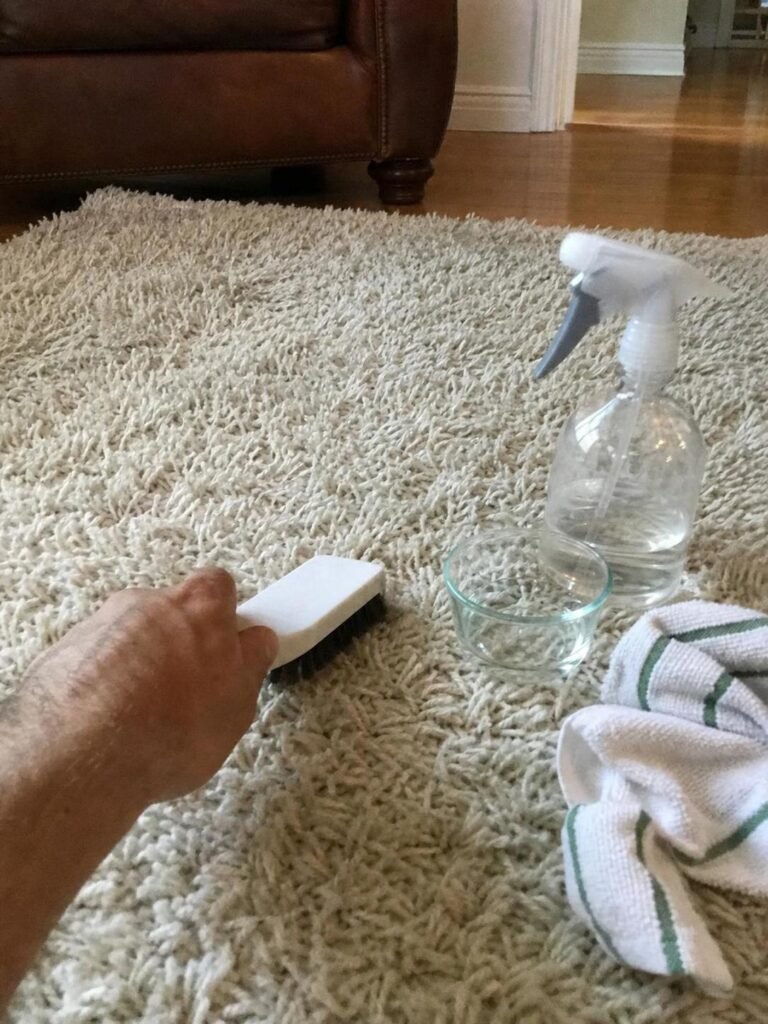
What you need for a fresh coffee spill
Keep the supplies simple. The goal is to lift coffee from the carpet fibers without pushing it deeper into the pile or leaving a soapy film behind.
- White paper towels or clean white absorbent cloths
- Cool or lukewarm water
- A small bowl
- A mild liquid dish soap, used sparingly, or a carpet spot cleaner suitable for your carpet
- A dry towel for final blotting
- A spoon for lifting thicker dried residue, if needed
Avoid colored towels, printed napkins, stiff brushes, and highly concentrated cleaning products. Colored cloth can transfer dye, while aggressive brushing can roughen carpet fibers or spread the stain outward.
Remove the coffee stain with blotting, light cleaning, and a final rinse
Blotting is the most important step. Work from the outer edge toward the center so the coffee does not spread into a larger ring.
- Blot up as much coffee as possible. Press white paper towels or a white cloth into the spill. Replace the towel as it becomes damp. Do not rub back and forth, because rubbing can work coffee deeper into the fibers.
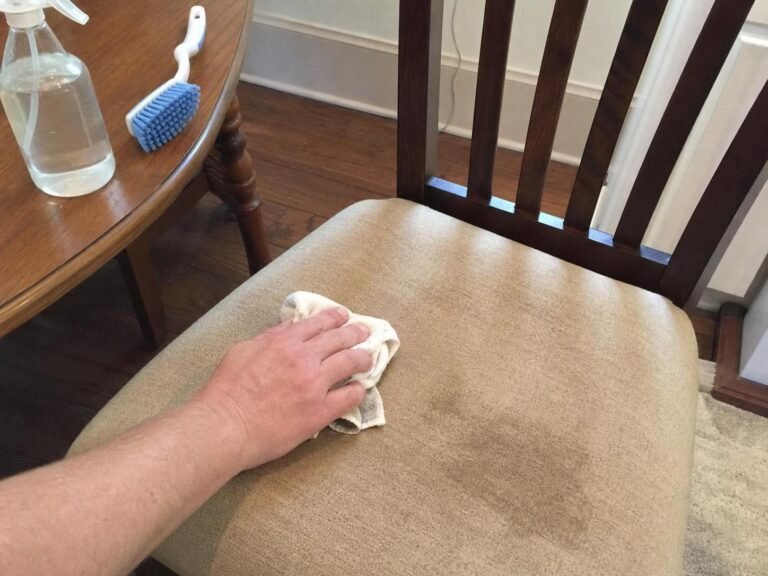
- Apply a small amount of cool or lukewarm water. Dampen a clean cloth rather than pouring water directly onto the carpet. Blot the stain gently to dilute remaining coffee.
- Use a mild cleaning solution if color remains. Add a small amount of mild liquid dish soap to water, or use a carpet cleaner according to its current label. Apply the solution to your cloth, not directly to the carpet, then blot the stained area.
- Alternate between treatment and dry blotting. Use a fresh section of cloth as coffee transfers out. Continue until the cloth no longer picks up noticeable brown color.
- Rinse away cleaner residue. Blot the area with a separate cloth lightly dampened with plain water. This step matters most for coffee with milk, sugar, or syrup and for any soap-based cleaner.
- Dry the spot thoroughly. Press a dry towel firmly over the area to absorb moisture. Leave the carpet uncovered with normal room airflow until it feels dry to the touch.

🧪 Why This Works
Coffee leaves colored residue in the carpet pile. Blotting removes loose liquid before it can travel farther through the fibers. A lightly damp cleaning cloth helps lift the remaining residue, while a final water blot helps prevent soap or sticky coffee ingredients from remaining in the carpet.
For dried coffee stains, loosen the residue before blotting
A dried coffee stain may need several gentle passes. Start by lifting any crusted residue, then treat the remaining discoloration with the same low-moisture method.
- Vacuum the area if the coffee left dry crumbs, sugar crystals, or powdery residue.
- Use the edge of a spoon to gently lift any hardened material. Do not scrape aggressively or pull at carpet loops.
- Place a lightly damp cloth over the stained area briefly to soften the residue.
- Blot with mild cleaning solution, then blot again with plain water.
- Dry the area thoroughly before deciding whether the stain remains.
If the carpet pile looks flattened after drying, lightly brush it with your fingers or a soft upholstery brush once the area is completely dry. Do not brush damp carpet aggressively.
If your carpet needs more than spot treatment, the same principle applies: use enough moisture to lift soil, but not so much that the backing and padding stay wet. This guide to cleaning carpet without a carpet cleaner explains a broader low-moisture extraction approach for larger areas.
What to do if the stain is still visible
A lingering brown mark does not always mean the first cleaning failed. It may be dried coffee residue, soap residue, a stain that reached the backing, or actual dye loss from an earlier treatment.
| What you see | Likely issue | What to do |
|---|---|---|
| Brown color returns after drying | Some coffee residue remains deeper in the pile. | Repeat gentle blotting with minimal cleaning solution, then rinse with a lightly damp cloth and dry again. |
| Spot feels stiff or slightly sticky | Soap, sugar, syrup, or creamer residue remains. | Blot several times with plain water on a clean cloth, then press dry towels into the area. |
| A pale or lighter patch appears | The carpet dye may have been affected by a prior cleaner or aggressive rubbing. | Stop using stronger products. Cleaning cannot reliably restore lost carpet dye; consider a carpet repair or color-restoration professional. |
| A ring forms around the stain | Too much liquid spread soil or coffee outward as the carpet dried. | Lightly dampen the ring area with plain water, blot from the outside inward, and dry evenly with towels. |
| The carpet stays damp underneath | Too much water reached the backing or padding. | Stop adding liquid. Press with dry towels, improve airflow, and avoid covering the area until it is fully dry. |
Coffee-stain cleaning mistakes to avoid
Most carpet damage during spot cleaning comes from too much friction, too much moisture, or leaving cleaner behind. A gentle method usually gives you a better chance of preserving the carpet texture.
- Scrubbing with a brush: This can fray fibers, spread the coffee, and create a fuzzy or worn-looking spot. Blot instead.
- Pouring cleaner directly onto the carpet: Excess liquid can soak into the backing and padding. Apply cleaner to a cloth first.
- Using hot water on an unknown carpet: Heat can complicate stain removal on some materials and may affect certain dyes or backings. Cool or lukewarm water is the safer default.
- Skipping the water rinse: Soap, cream, sugar, and flavored coffee residue can leave the spot stiff or attract new soil.
- Using multiple household cleaners together: Do not mix cleaning products. If you switch products, remove the first product with plain-water blotting and let the area dry before trying another option.
- Covering the spot while it is damp: Furniture, rugs, and plastic coverings can trap moisture. Allow the carpet to dry with airflow first.
Dry the carpet fully and prevent a repeat stain
After cleaning, keep the area uncovered and increase normal room airflow if possible. Drying time varies with carpet thickness, humidity, padding, airflow, and how much liquid reached below the surface. Avoid direct high heat, which may affect some fibers or backing materials.
Once the carpet is dry, vacuum lightly if the pile feels compressed. If coffee is regularly carried through the same room, use a lidded travel mug, place drinks on stable side tables, and keep a stack of white towels nearby for quick blotting. Fast response is the best way to prevent coffee from becoming a set-in carpet stain.
For coffee spills on a removable area rug, use the same blot-first approach but keep the rug backing as dry as possible. For more general rug care, see how to clean a rug without a carpet cleaner.
Frequently Asked Questions
Can you use vinegar to remove coffee from carpet?
Vinegar is not necessary for most coffee stains, and it may not be suitable for every carpet fiber, dye, or backing. Start with water, gentle blotting, and a carpet-safe cleaner. If you are considering another product, check the carpet manufacturer’s instructions and test it in a hidden area first.
Should you use baking soda on a coffee stain?
Baking soda may help absorb surface moisture after blotting, but it does not replace removing the coffee residue itself. It can also leave powder trapped in dense carpet pile if it becomes wet. Focus first on blotting, light cleaning, rinsing, and drying.
What is the safest cleaner for coffee stains on wool carpet?
Use a cleaner specifically labeled for wool or delicate carpet and follow its current directions. Keep moisture low, avoid strong rubbing, and test in an inconspicuous area before treating the visible stain.
Can coffee stains become permanent?
They can, especially if the spill sits for a long time, contains milk or dark syrups, or has been treated with an unsuitable cleaner. Even then, gentle repeat cleaning may improve the appearance. Stop if you see fading, dye transfer, backing damage, or persistent dampness.
For the best way to remove coffee stains from carpet without damage, blot promptly, use the mildest suitable cleaner, rinse away residue, and let the area dry completely. Keep water use low on wool, delicate rugs, and carpet with uncertain backing or padding.
Everything Mentioned Above
Before you leave, grab the tools you need to get the job done right the first time:
*As an Amazon Associate, TidyFormula earns from qualifying purchases.