How to Remove Cat Litter Smell from a Room
To remove cat litter smell from a room, scoop and seal waste, replace overdue litter, wash the box, clean tracked litter and any urine spots, then ventilate. Odor won’t stay gone if urine has reached carpet padding, unfinished wood, or drywall. Use pet-urine cleaner only as labeled, and test delicate surfaces first.
The litter box isn’t always the only source. A dirty scoop, litter mat, nearby baseboard, waste container, bedding, or an old accident can keep the entire room smelling unpleasant.
⚡ The TidyFormula™ Quick Decision
Best approach: Remove every odor source, wash the litter box with a mild compatible cleaner, treat urine separately with a labeled enzyme cleaner, and let the room dry with good airflow.
Use caution with: Carpet padding, unfinished wood, painted trim, natural stone, and any surface that may discolor or swell from excess moisture.
Replace instead of cleaning if: A deeply scratched litter box or heavily urine-saturated porous material still smells after proper cleaning and complete drying.
What I Use For This Job
Using the right tools saves time and protects your belongings. Here are my exact recommendations:
*As an Amazon Associate, TidyFormula earns from qualifying purchases.
Find the Actual Source Before You Clean
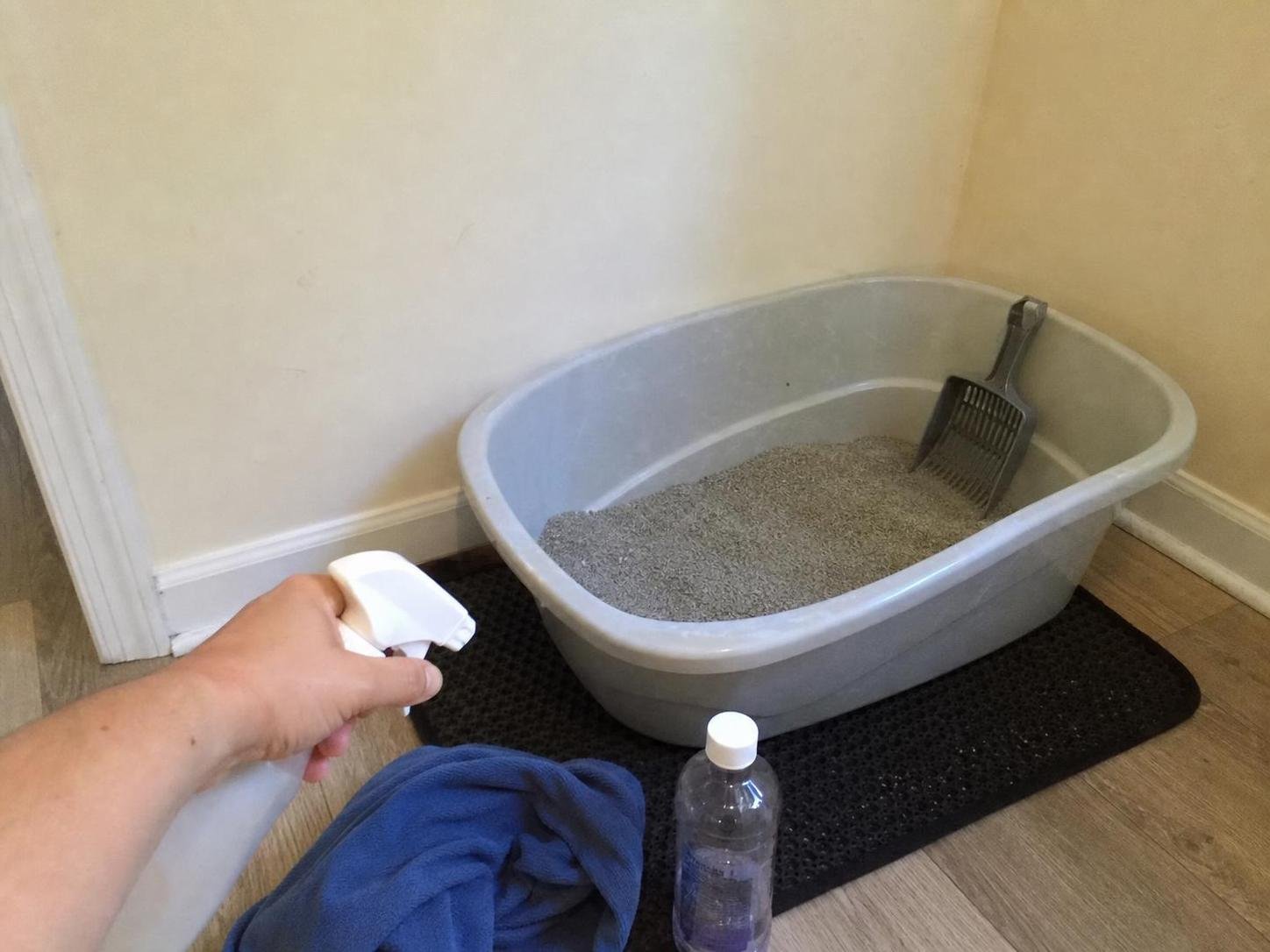
Start by separating ordinary litter-box odor from urine contamination. A general litter smell usually improves after scooping, replacing old litter, and washing the box. A sharp odor that remains in one location often points to residue on a floor, wall, mat, fabric, or another porous surface.
- Litter box: Check the bottom, corners, rim, lid, and seams for stuck residue or deep scratches.
- Scoop and waste container: Inspect both for residue, leaks, and waste left in the room.
- Floor and baseboards: Look behind and underneath the box, not just directly in front of it.
- Litter mat: Check both sides. Urine can collect beneath waterproof or rubber-backed mats.
- Carpet and padding: Press a clean white cloth against suspicious areas to check for dampness or discoloration.
- Nearby fabrics: Inspect curtains, bedding, upholstered furniture, pet beds, and laundry.
Don’t assume a strong fragrance means the room is clean. Scented litter, sprays, and plug-ins may temporarily cover the odor without removing its source.
Supplies You’ll Need
Use simple tools for routine cleaning and a separate product for confirmed urine spots. You don’t need to layer several cleaners.
- Disposable gloves if desired or required by the cleaner label
- Litter scoop and waste bag
- Vacuum, broom, or dustpan for dry tracked litter
- Mild, unscented dish soap or a cleaner approved by the litter-box manufacturer
- Clean cloths or plain white towels
- Pet-urine enzyme cleaner suitable for the affected surface
- Bucket or sink access
- Fan or safe window ventilation
Never mix cleaning products. In particular, don’t combine bleach with ammonia, vinegar, acids, alcohol, or any other cleaner. Follow the current product label for application, ventilation, protective equipment, and pet reentry instructions.
The Best Way to Remove the Odor
The most reliable method is to clean in layers: remove waste and loose litter first, wash the box and surrounding surfaces second, and treat urine-contaminated material separately. Keep your cat away from the work area as directed by each cleaning-product label.
- Ventilate the room. Open a safely screened window or run a fan if conditions allow. Airflow helps carry away stale room odor and supports drying, but it won’t replace source removal.
- Scoop and remove waste. Bag the waste and take it out of the room. Wipe residue from the scoop using a cleaner compatible with its material, then rinse if the product label calls for it.
- Pick up tracked litter. Remove damp clumps with paper towels or a scoop. Vacuum or sweep only dry litter; wet clumping litter can stick inside equipment and spread residue.
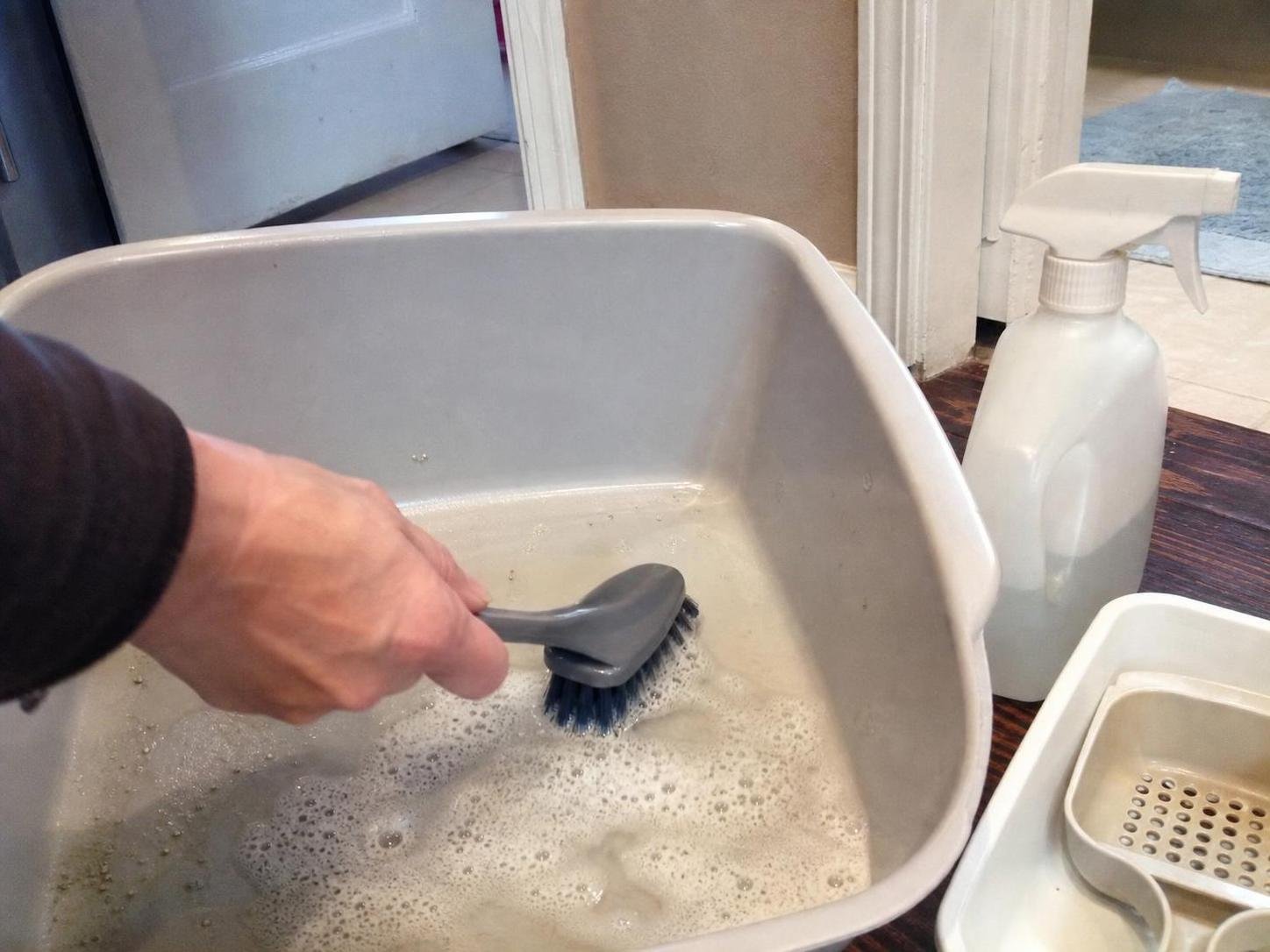
- Empty and wash the litter box. Follow the box manufacturer’s instructions. If permitted, wash it with warm water and a small amount of mild, unscented dish soap. Pay attention to corners, seams, the underside of the rim, and the lid. Rinse away cleaner residue and dry the box completely.
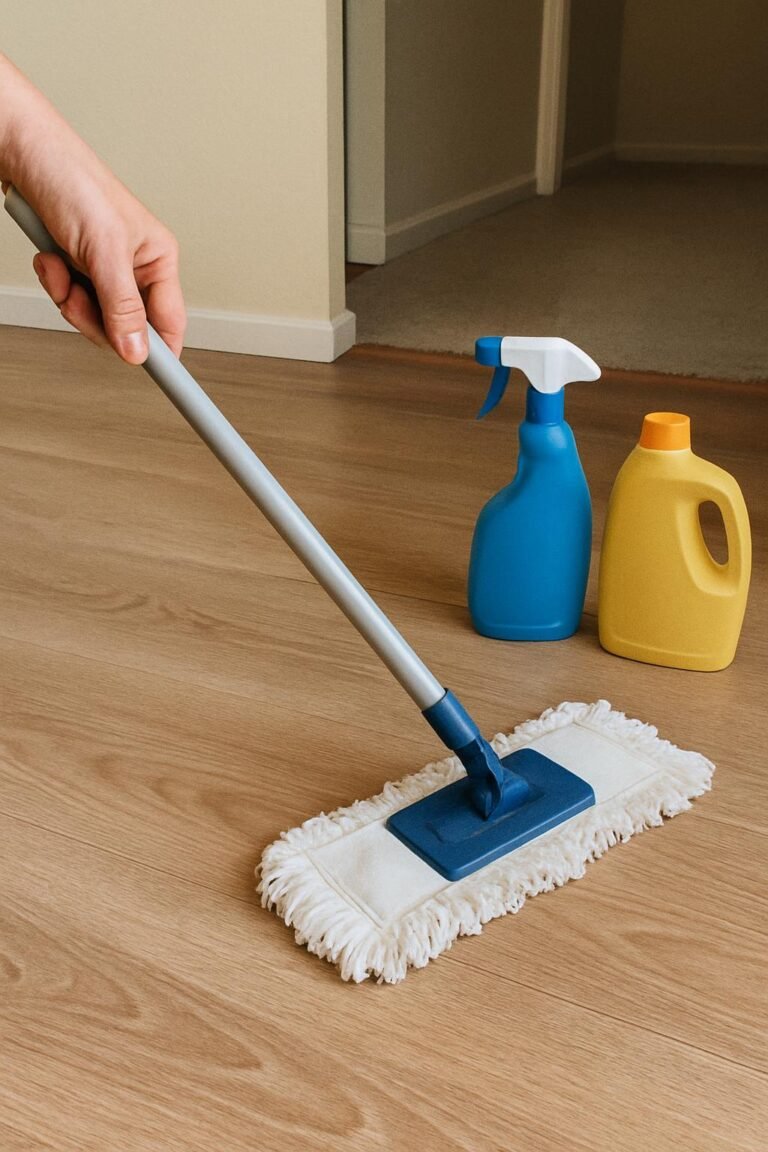
- Clean the litter mat and nearby hard surfaces. Wash a compatible mat according to its care instructions. Damp-wipe sealed flooring and painted trim with a surface-appropriate cleaner, using as little moisture as necessary. Stop if paint transfers to the cloth or the finish becomes cloudy, tacky, or discolored.
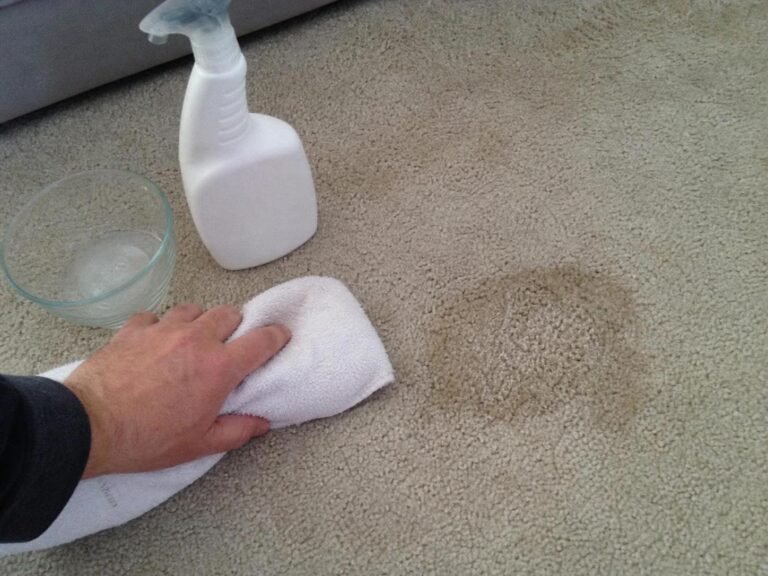
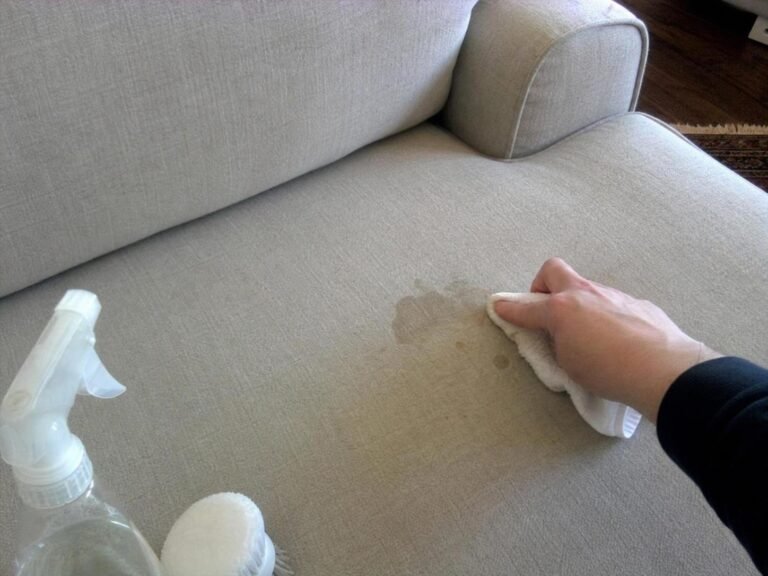
- Treat confirmed urine spots. Blot fresh moisture without rubbing. Apply a pet-urine enzyme cleaner according to its current label, including surface compatibility and waiting directions. Test carpet, upholstery, painted surfaces, and finished wood in a hidden area first. Don’t pour enough product onto carpet to spread the affected area or leave padding impossible to dry.
- Remove residue if directed. Some products require blotting, rinsing, or extraction, while others do not. Follow the label rather than adding another cleaner on top.
- Dry everything fully. Increase airflow and keep the box, mat, flooring, and fabrics separated while they dry. Drying time varies with humidity, airflow, material thickness, and how deeply liquid entered the surface.
- Refill and reassess. Add fresh litter to the manufacturer’s recommended depth. Check the room again after all cleaning scents and dampness have cleared; lingering odor at that point usually means a source was missed or contamination extends below the visible surface.
🧪 Why This Works
Waste, litter dust, surface residue, and absorbed urine are different odor sources. Removing dry debris first prevents it from becoming muddy, while washing the box removes residue that fresh litter can’t cover. A compatible urine cleaner addresses the affected spot instead of adding fragrance to the entire room.
Adjust the Method for the Surface
Moisture tolerance matters more than the room’s location. Use less liquid on wood, painted trim, glued flooring, carpet padding, and other materials that can swell, discolor, or trap cleaner.
| Surface | Recommended approach | Main limitation |
|---|---|---|
| Sealed tile or vinyl | Remove litter, then damp-clean with a manufacturer-approved floor cleaner. | Keep liquid out of open seams and damaged edges. |
| Finished wood or laminate | Use a barely damp cloth and a cleaner approved for the finish. | Standing liquid can enter joints, dull the finish, or cause swelling. |
| Unfinished wood | Blot promptly and use only a compatible product after hidden-area testing. | Urine can penetrate deeply; sanding, refinishing, or replacement may be necessary. |
| Carpet | Blot, treat the affected area with a carpet-compatible urine cleaner, and extract residue if directed. | Overwetting can spread contamination into the padding and slow drying. |
| Painted wall or baseboard | Spot-test, then wipe gently with minimal moisture. | Stop if color transfers, paint softens, or the sheen changes. |
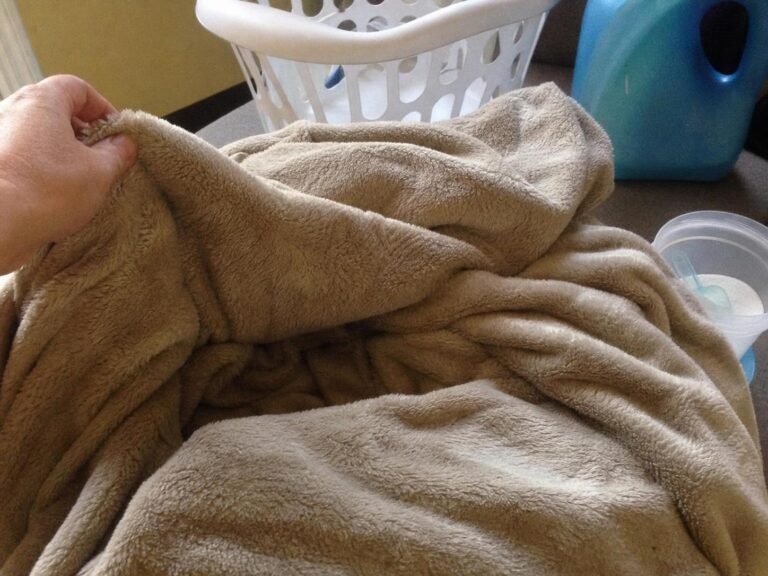
| Washable fabric | Follow the care label and use a compatible pretreatment if needed. | Don’t machine-dry until the odor is gone, because heat may make remaining residue harder to address. |
If the Smell Comes Back
An odor that returns after the room dries usually indicates a hidden source, trapped residue, or contaminated porous material. Repeating the same surface wipe rarely fixes a problem below the surface.
The room smells better only while the cleaner is wet
Wait until the area is completely dry before judging the result. Fragrance and moisture can temporarily change how the room smells. If the odor returns, inspect carpet padding, flooring seams, the underside of the litter mat, and the lower part of nearby walls.
The carpet surface is clean, but the room still smells
Urine may have reached the backing, padding, tack strips, or subfloor. Use a labeled carpet-compatible product without flooding the area. If contamination is widespread or the padding can’t be dried thoroughly, professional treatment or replacement may be more practical.
The litter box smells when it’s empty
Wash and fully dry it, then smell-check it before adding litter. Deep scratches and damaged seams can retain residue. A box that still smells strongly after proper washing is usually a better candidate for replacement than repeated use of stronger cleaners.
The odor seems strongest near a bed
Check the mattress and bedding rather than continuing to deodorize the air. For a urine spot on the mattress itself, use the steps in this guide to clean cat urine from a mattress with an enzyme cleaner.
A mattress topper or padded cover was affected
Remove it from the mattress and check its care label before adding water or cleaner. Thick foam can hold moisture and odor internally; the appropriate process is covered in the guide to removing urine from a mattress topper.
The room now smells strongly of cleaner
You may have used too much product or left residue behind. Follow the product label’s rinse or extraction directions, increase ventilation, and allow the surface to dry. Don’t apply a second cleaner to cancel out the first scent.
Cleaning Mistakes That Keep Litter Odor Around
Most failed attempts either mask the odor or treat only the most visible surface. Avoid these common problems:
- Adding fresh litter over dirty litter: New litter doesn’t clean residue from the box bottom or sides.
- Using air freshener as the main solution: Fragrance may cover the smell briefly, but waste and urine residue remain.
- Flooding carpet or wood: Excess cleaner can carry contamination farther into padding, seams, or unfinished material.
- Scrubbing fresh urine: Hard rubbing spreads liquid across fibers. Blot with firm, controlled pressure instead.
- Layering cleaners: Combining or applying products over one another can damage surfaces and create unwanted fumes or residue.
- Refilling a damp box: Moisture can make litter stick to the box and complicate the next cleaning.
- Ignoring the waste container: A sealed-looking container can still have residue on its lid, rim, exterior, or surrounding floor.
Keep the Room Smelling Better
Consistent source control is more effective than periodic heavy cleaning. Focus on the box, tracked litter, airflow, and early treatment of accidents.
- Scoop at least daily and remove bagged waste from the room.
- Replace the litter according to its package directions rather than continually topping it off.
- Wash and dry the box whenever residue remains after emptying.
- Sweep or vacuum dry tracked litter before it collects beneath furniture and mats.
- Wash the scoop, mat, and waste-container exterior regularly.
- Keep the room ventilated when practical and safe.
- Use an air purifier with an odor-control filter only as a supplement, following the appliance and filter manufacturer’s instructions.
- Investigate repeated accidents promptly instead of relying on room sprays. A sudden or ongoing change in litter-box use is also worth discussing with your veterinarian.
Frequently Asked Questions
Can you use vinegar to remove litter-box odor?
Vinegar isn’t the preferred all-purpose solution. It may be unsuitable for natural stone, some finishes, and certain flooring. For the box, use a mild cleaner allowed by its manufacturer; for urine, choose a surface-compatible pet-urine cleaner. Never combine vinegar with bleach or other cleaning products.
Should you clean a litter box with bleach?
Bleach usually isn’t necessary for routine odor removal. Use it only if the litter-box manufacturer and the current product label specifically permit it. Never mix bleach with ammonia, acids, vinegar, alcohol, or another cleaner.
Can baking soda remove the smell from the room?
Baking soda may absorb some ambient odor, but it won’t remove waste, wash residue from the box, or clean urine from porous material. Don’t add it to litter or apply it around your cat unless the relevant litter or product instructions permit that use.
When should carpet or flooring be replaced?
Consider replacement when urine has repeatedly saturated carpet padding, unfinished subfloor, swollen laminate, crumbling trim, or another porous material that remains odorous after appropriate cleaning and complete drying. Replacement may also be more practical when the material can’t be reached or dried without causing additional damage.
The best way to keep cat litter smell out of a room is to remove waste promptly, wash the box and nearby surfaces with compatible products, and treat urine spots at their source. Use minimal moisture on vulnerable materials, let everything dry completely, and replace deeply contaminated porous items when cleaning no longer produces a lasting result.
Everything Mentioned Above
Before you leave, grab the tools you need to get the job done right the first time:
*As an Amazon Associate, TidyFormula earns from qualifying purchases.