How to Remove Dog Smell from Blankets
The best way to remove dog smell from blankets is to remove loose hair, pretreat concentrated odor, then wash with the correct amount of detergent at the warmest setting the care label allows. Use an enzyme laundry product only if both labels permit it. Wool, electric, weighted, and dry-clean-only blankets need different handling.
Routine dog odor usually comes from a combination of hair, skin oils, saliva residue, dirt, and trapped moisture. Urine, vomit, or a smell that has reached the blanket’s filling requires deeper pretreatment and more cautious drying.
⚡ The TidyFormula™ Quick Decision
Best approach: Remove dry hair, pretreat odor spots, wash without overloading the machine, rinse thoroughly, and dry the blanket completely.
Use caution with: Wool, silk, waterproof backing, electric components, weighted fillers, unstable dyes, and any blanket that restricts machine washing.
Replace instead of cleaning if: The blanket has damaged electrical parts, deteriorating backing, inaccessible filling that stays wet or smelly, or contamination beyond what its care instructions allow you to clean.
What I Use For This Job
Using the right tools saves time and protects your belongings. Here are my exact recommendations:
*As an Amazon Associate, TidyFormula earns from qualifying purchases.
Check the Blanket Before You Wash It
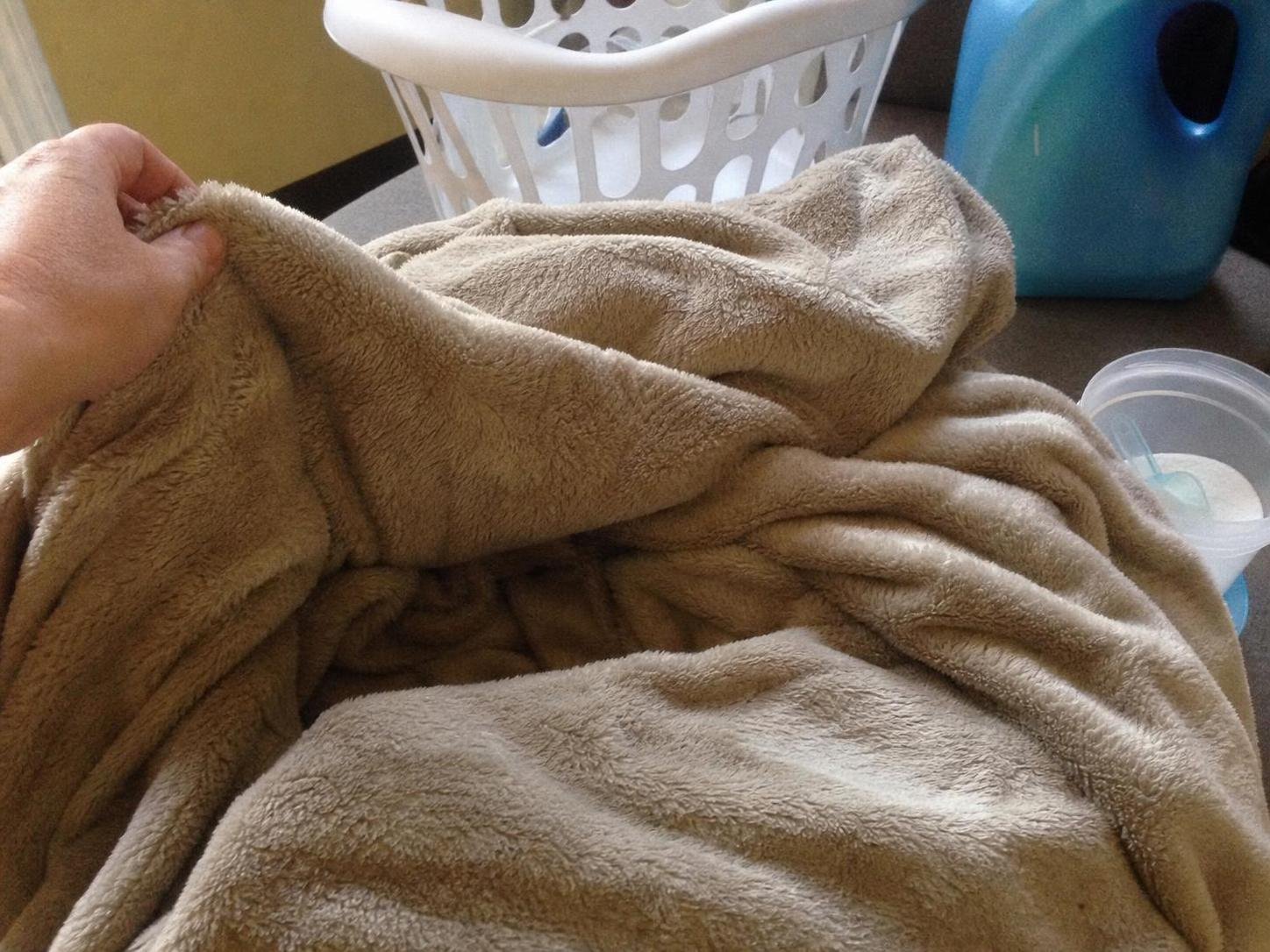
The care label should determine your water temperature, wash cycle, and drying method. Check it before choosing a cleaner, especially if the blanket has filling, a waterproof layer, decorative trim, or electrical components.
- Standard cotton or synthetic blanket: Usually suitable for routine machine washing if the care label permits it.
- Wool or silk: Use only a detergent and cycle approved for the fiber. Don’t use an enzyme product unless its label specifically says it is compatible.
- Electric blanket: Follow the manufacturer’s washing instructions exactly. Disconnect removable controls, and don’t wash a blanket with a damaged cord, connector, or heating element.
- Weighted blanket: Check the filler, outer-cover instructions, and your washer’s load capacity. Some weighted inserts can’t be machine washed.
- Waterproof-backed blanket: Avoid heat beyond the label limit. Stop using it if the backing is cracking, bubbling, peeling, or separating.
- Dry-clean-only blanket: Don’t improvise with soaking or machine washing. Tell the cleaner that you’re dealing with pet odor and identify any accident spots.
Test any pretreater on a hidden area first. Stop if the dye transfers, the fabric lightens, the backing becomes tacky, or the fibers change texture.
| Blanket or odor condition | Recommended approach |
|---|---|
| Light routine dog smell | Remove hair and use a normal care-label-approved wash. |
| Strong odor without a visible accident | Pretreat the smelliest areas with a compatible laundry product, then wash with room for the blanket to move. |
| Urine, drool, or vomit spot | Blot or rinse away as much residue as possible, then use a labeled pet-odor or enzyme laundry treatment if the fabric permits it. |
| Wool, silk, electric, weighted, or dry-clean-only blanket | Follow the specific care instructions rather than using a general odor-removal method. |
| Odor trapped in inaccessible filling | Clean only as directed and replace the blanket if it can’t be rinsed and dried completely. |
What You’ll Need
A short supply list is enough for most washable dog blankets. More cleaner is not better; excess product can remain in the fibers and create its own stale smell.
- A lint roller, rubber pet-hair tool, or vacuum attachment
- Your regular laundry detergent, suitable for the blanket
- An optional enzyme or pet-odor laundry product labeled for the fabric and intended washing method
- Clean absorbent towels for fresh accident spots
- Access to good airflow for drying
Never mix cleaning products. Follow the current product label, including any ventilation or protective-equipment directions. If a product isn’t labeled for washable textiles or the blanket’s material, choose another method.
The Best Washing Method for a Washable Dog Blanket
For most cotton and synthetic blankets, a thorough but ordinary laundry process works better than piling on additives. Hair removal, targeted pretreatment, adequate washer space, and complete drying are the important parts.
- Identify concentrated odor before getting the blanket wet. Smell along folds, edges, and the area where your dog usually lies. Mark any urine, saliva, or other visible spots so they receive pretreatment rather than relying on the wash cycle alone.
- Remove as much dry hair as possible. Shake the blanket outdoors if practical, then use a lint roller, pet-hair tool, or suitable vacuum attachment. Large amounts of hair can collect inside the washer and prevent detergent and rinse water from moving freely through the fabric.
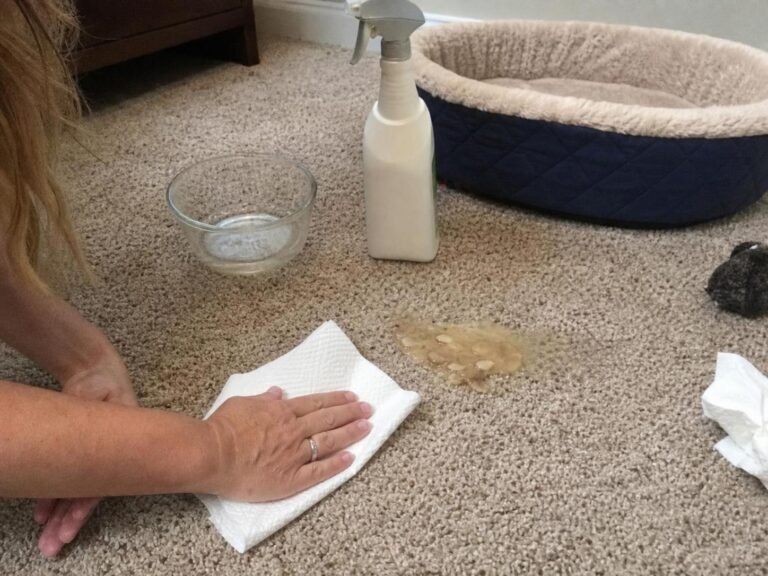
- Handle fresh accidents first. Blot liquid with clean towels without scrubbing it farther into the fibers. If the care label permits rinsing, flush the affected area with cool water. Avoid hot water or dryer heat at this stage.
- Pretreat only where needed. Apply a compatible laundry pretreater or enzyme pet-odor product according to its label. Keep the area evenly damp rather than soaking layers, backing, seams, or filling. Don’t leave the product on longer than directed.
- Load the washer loosely. Wash the blanket alone or with only a few compatible items. If it is packed tightly against the drum, use a larger-capacity machine or another care-label-approved method.
- Use the right amount of detergent. Follow the detergent label and your washer instructions. Select the warmest water and strongest cycle the blanket’s care label allows; that may still mean cold water and a gentle cycle for sensitive materials.
- Skip fabric softener. Softener and strongly scented laundry products can leave a coating that masks odor temporarily while making residue harder to rinse away. If the blanket feels slick or heavily perfumed after washing, run an additional rinse if its care instructions permit it.
- Check before applying dryer heat. If a urine or vomit spot remains visibly stained or clearly smells, repeat the compatible pretreatment and wash rather than drying it on high heat. For uncertain results, air-dry first so you can reassess without exposing the fabric to unnecessary heat.
- Dry completely. Tumble-dry only at a care-label-approved setting, or air-dry with the blanket spread open and supported. Turn or reposition thick blankets so folded edges, seams, and inner layers don’t remain damp.

🧪 Why This Works
Removing hair first exposes more of the fabric to wash water. Pretreating focuses cleaner on the odor source, while a loosely loaded washer allows detergent and rinse water to move through the blanket. Thorough rinsing removes loosened soil and cleaner residue, and complete drying prevents damp fabric from developing another stale odor.
If the Blanket Still Smells After Washing
A failed first wash usually points to residue, an untreated accident spot, an overloaded machine, or odor coming from something underneath the blanket. Match the correction to the pattern you notice.
The blanket smells worse when damp
Wet fabric can make remaining odor more noticeable. If the smell disappears only after complete drying, monitor it during normal use. If it returns whenever the blanket becomes humid, rewash with a correctly measured amount of detergent, omit softener, and use an extra rinse if permitted.
Only one area smells
A concentrated spot often needs pretreatment. Recheck the fabric label, apply a compatible product according to its directions, and wash again. Don’t saturate a multilayer or waterproof-backed blanket because moisture can become trapped between layers.
The whole load smells stale
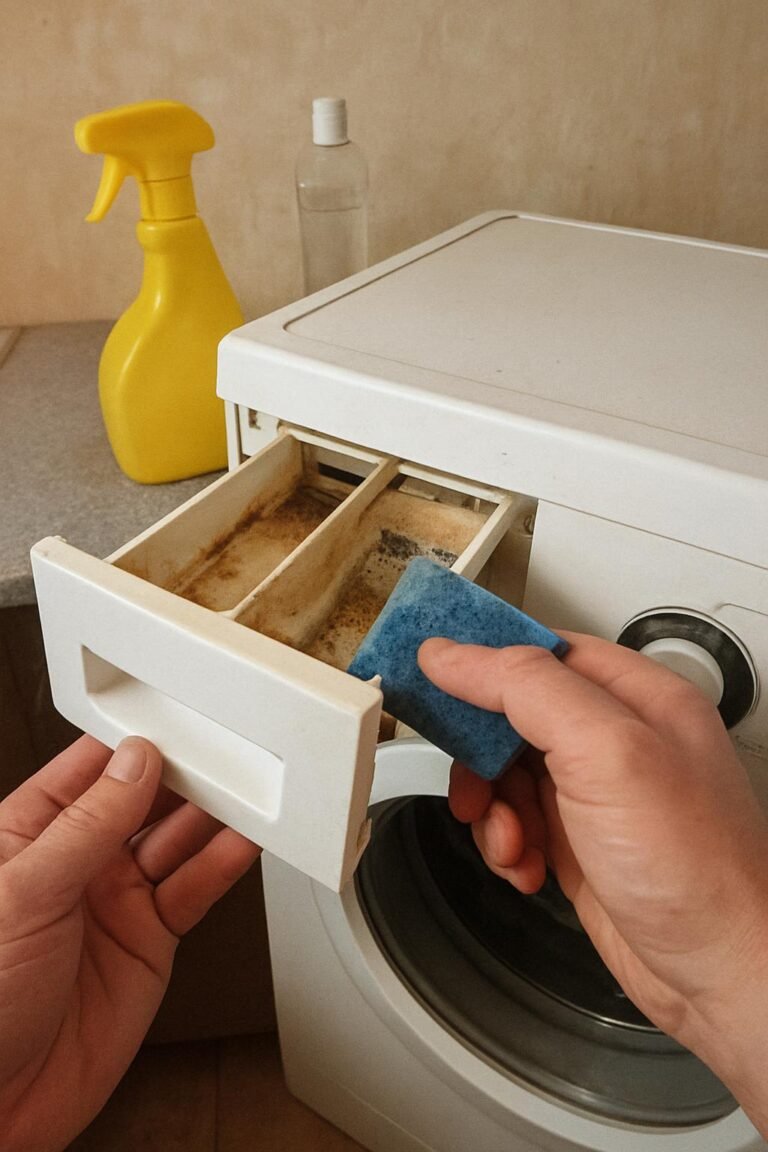
The washer may be overloaded, or the machine itself may have residue in the gasket, dispenser, filter area, or drum. Clean the washer according to its manufacturer’s instructions before rewashing the blanket. Don’t combine washer-cleaning products.
The smell returns as soon as the blanket goes back on the bed
Check the mattress and nearby bedding rather than repeatedly washing the blanket. A hidden accident below the blanket can transfer odor back to clean fabric. Use the appropriate method for cleaning dog urine from a mattress if the mattress is the actual source.
A foam or fiber topper can also hold odor beneath a clean blanket. Because toppers are easier to oversaturate than ordinary bedding, follow a method designed for removing urine odor from a mattress topper rather than treating it like a washable blanket.
The blanket feels stiff, slick, or heavily scented
Those signs suggest detergent, softener, or pretreater residue. Rewash or rinse according to the care label without adding another cleaner. Reduce the detergent amount on the next wash, especially in a lightly soiled load or a high-efficiency washer.
Cleaning Mistakes That Keep Dog Odor Around
The most common mistakes either hide the smell temporarily or prevent the blanket from rinsing and drying properly.
- Using fragrance as the main treatment: Sprays may cover odor without removing the residue causing it. They can also leave another product layer that needs washing out.
- Adding extra detergent: Too much detergent can be difficult to rinse from a thick blanket. Follow the detergent and washer directions instead of estimating a larger dose.
- Overloading the washer: A tightly packed blanket won’t move or rinse well. Use a larger machine if necessary.
- Drying on high heat without checking: High heat can exceed the blanket’s care limit and make lingering accident odor harder to address. Inspect and smell the spot before machine drying.
- Soaking electric, weighted, or backed blankets: Trapped water may damage components, distort filling, or loosen layered construction. Use only the manufacturer-approved method.
- Combining home remedies and commercial cleaners: Product combinations can damage fabric or create unwanted reactions. Use one method at a time and follow its label.
Drying and Preventing Odor From Returning
A blanket isn’t ready to use or store until its seams, folds, and inner layers are dry. Drying time varies with thickness, filling, airflow, humidity, and how much moisture remains after washing.
Spread an air-dried blanket fully open rather than leaving it folded over a narrow rail. Turn thick blankets periodically, and avoid direct high heat unless the care label permits it. If the blanket smells musty only after storage, it was likely stored damp or in an area with poor airflow.
- Keep a second washable blanket available so each one can dry completely before reuse.
- Remove loose hair between washes to keep it from becoming embedded.
- Dry your dog’s coat before allowing access to the blanket after rain, bathing, or swimming.
- Address urine, drool, and vomit spots promptly instead of waiting for the next full wash.
- Store clean blankets only when completely dry, preferably in a dry location with airflow rather than a sealed container that may trap moisture.
Frequently Asked Questions
Is baking soda the best cleaner for dog smell in blankets?
No. A care-label-compatible detergent is the better starting point because it is designed to wash and rinse from textiles. Baking soda can leave powder in thick fibers or create residue if too much is used. If you choose a laundry additive, use one labeled for the fabric and follow its directions.
Can you use vinegar on a dog blanket?
Use vinegar only if the blanket care instructions and washer manufacturer allow it. It isn’t suitable for every fiber, backing, elastic component, or appliance. Never mix it with bleach or another cleaning product. A compatible detergent, followed by thorough rinsing, is the more dependable general method.
Can dog blankets be washed with regular laundry?
Lightly soiled blankets can be washed with compatible items if all care labels agree and the machine remains loosely loaded. Wash blankets with urine, vomit, heavy hair, or strong odor separately so you can pretreat them and select the appropriate cycle.
How many times should you wash a smelly blanket before replacing it?
There isn’t a dependable fixed number. Consider replacement if repeated care-label-approved cleaning leaves strong odor in inaccessible filling, the blanket can’t dry fully, waterproof layers are separating, or electrical parts are damaged. Repeated aggressive washing may cause more harm without reaching the odor source.
For most washable dog blankets, remove the hair, pretreat concentrated spots, wash with a measured amount of compatible detergent, and dry every layer completely. Let the care label control the process, and use extra caution with wool, electrical components, weighted fillers, and waterproof backing. Prompt spot treatment and fully dry storage will make recurring odor easier to manage.
Everything Mentioned Above
Before you leave, grab the tools you need to get the job done right the first time:
*As an Amazon Associate, TidyFormula earns from qualifying purchases.