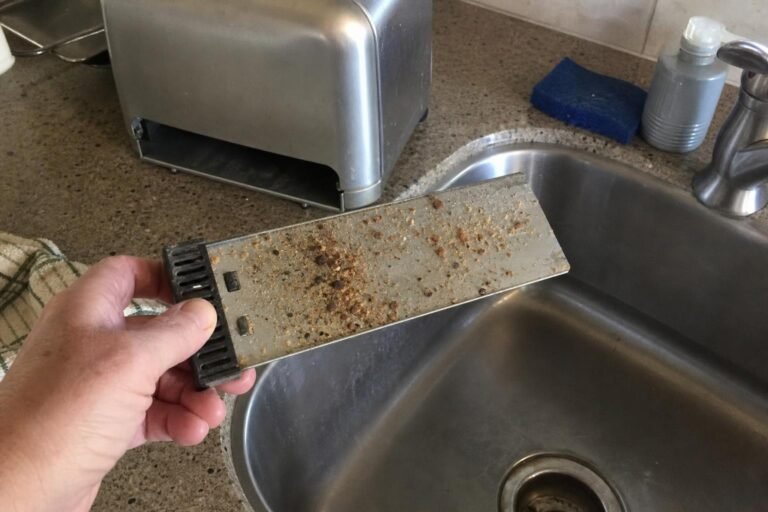
How to Clean an Electric Kettle with Limescale
To clean an electric kettle with limescale, use a kettle descaler according to its label and your kettle’s care instructions, then rinse and boil fresh water once or twice before use. This is the lowest-risk practical approach; never immerse the kettle, scrub the heating area aggressively, or use a cleaner the manufacturer excludes.
⚡ The TidyFormula™ Quick Decision
Best approach: Use a descaling product made for electric kettles and follow both the product label and your kettle manufacturer’s instructions.
Use caution with: Keep liquid away from the power base, cord, underside, and electrical connector, and do not use metal tools or abrasive pads inside the kettle.
Replace instead of cleaning if: The kettle leaks, has a cracked body, damaged cord, loose electrical connection, or a heating area that appears damaged rather than simply scaled.
Check your kettle before descaling
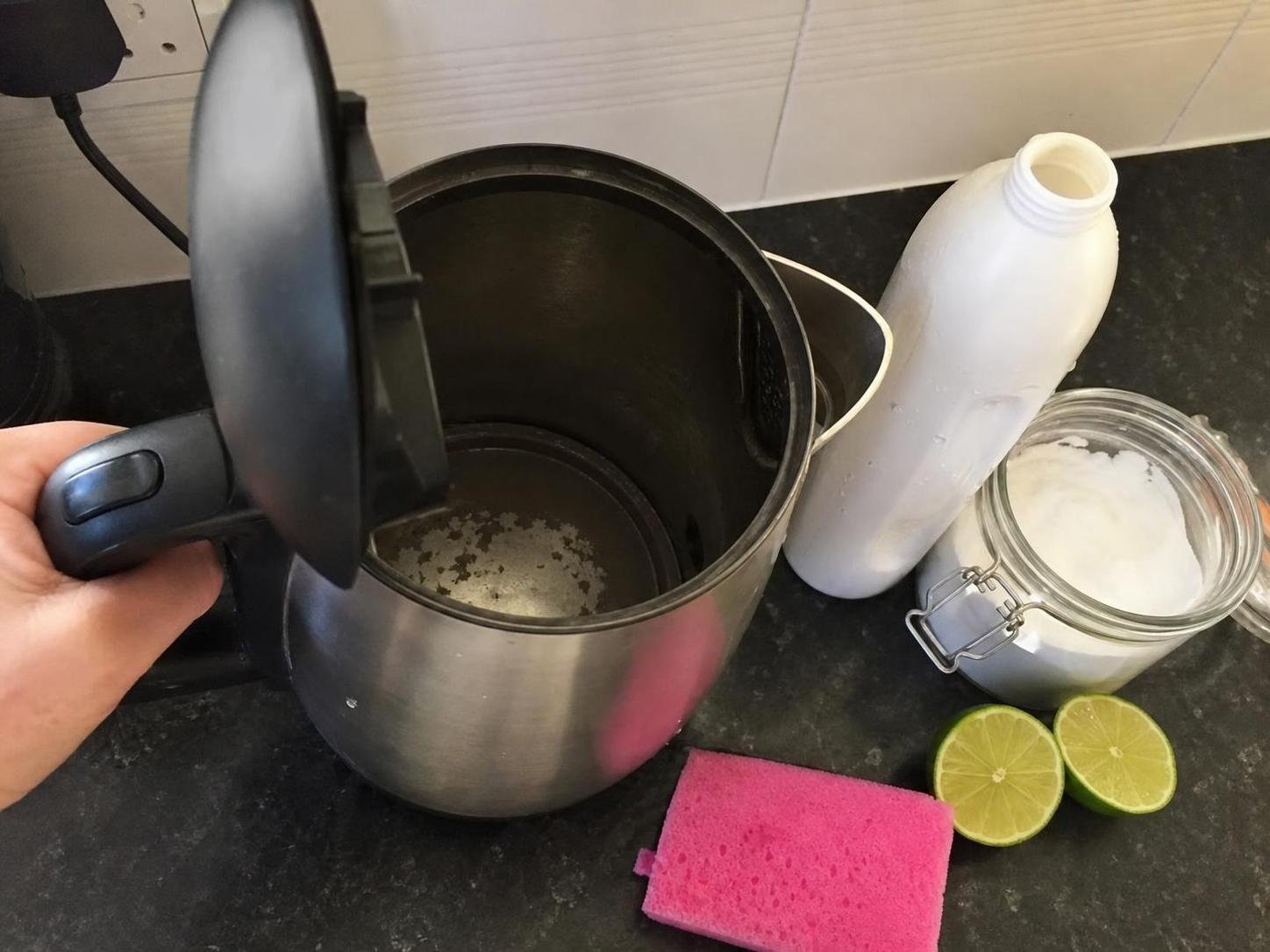
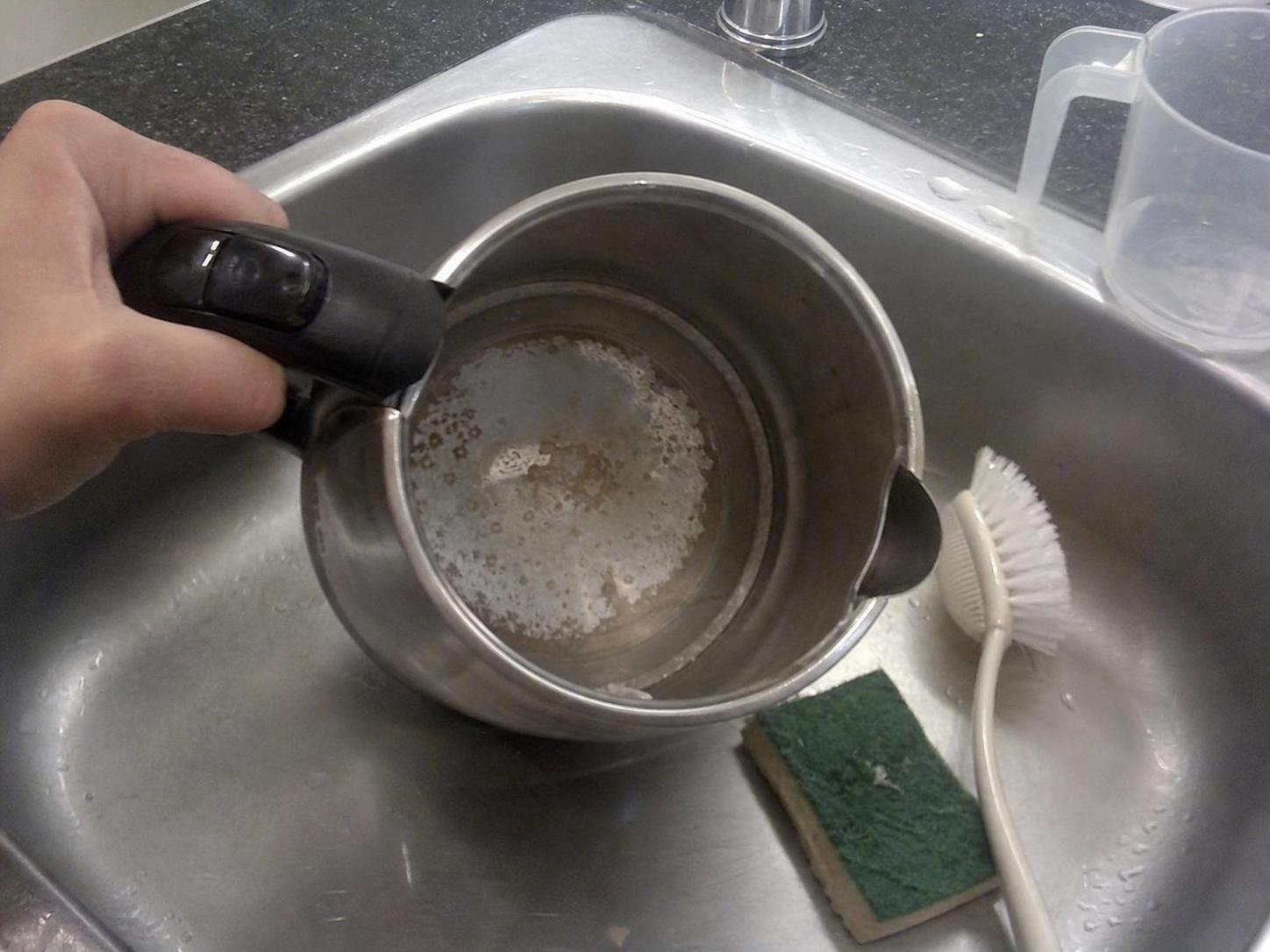
Limescale is usually a chalky white, gray, or beige mineral deposit left behind as water evaporates. It may appear as a ring near the water line, flakes on the bottom, or a crust around an exposed heating element.
What I Use For This Job
Using the right tools saves time and protects your belongings. Here are my exact recommendations:
*As an Amazon Associate, TidyFormula earns from qualifying purchases.
- Unplug the kettle and allow it to cool completely before cleaning.
- Check the manufacturer instructions for approved descaling products and any cleaners to avoid.
- Remove any detachable limescale filter if your model has one. Clean it only as directed by the manufacturer.
- Inspect the interior for deep scratches, peeling surfaces, cracks, rust-colored damage, or loose components. Stop if the issue looks like material damage rather than removable mineral buildup.
Most electric kettles have a stainless-steel, glass, or plastic interior, but the base and electrical connection should always stay dry. Do not submerge an electric kettle or its power base in water.
What you need
- A kettle descaler suitable for your appliance, used according to its current label
- Fresh tap water for rinsing
- A soft cloth for the exterior
- A soft nonabrasive sponge or soft brush, only if the manufacturer permits interior wiping
A commercial kettle descaler is generally the best way to clean an electric kettle with limescale because the label provides directions for use and rinsing. Avoid scouring powder, steel wool, knives, screwdrivers, and other hard tools that can scratch the interior or damage the heating area.
Descale the kettle without damaging it
Use the cleaner inside the kettle only, and follow the product’s filling, heating, and standing directions. The goal is to loosen mineral deposits without scraping or overheating the appliance.
- Fill the kettle as directed. Add the descaling product and water according to the product label. Do not fill beyond the kettle’s maximum line, and do not operate it with too little liquid inside.
- Heat the solution only if the label and kettle instructions allow it. Some descalers are intended to be warmed or boiled, while others work without heating. Let the solution remain in the kettle for the stated period, but do not leave it sitting longer than directed.
- Empty the kettle carefully once the deposits have loosened. Avoid splashing the solution onto the cord, base, countertop seams, or nearby surfaces.
- Check the bottom, sides, spout area, and filter. If a small amount of scale remains, repeat the approved descaling process rather than scraping at it with a metal utensil.
- Rinse the interior thoroughly with fresh water several times. Refill with plain water, bring it to a boil, discard the water, and repeat if needed until no cleaner odor or taste remains.
- Wipe the outside with a soft damp cloth, keeping moisture away from the underside and electrical connection. Dry the exterior before placing the kettle back on its base.
🧪 Why This Works
Limescale is a mineral deposit, not ordinary food soil. A kettle descaler is designed to loosen that buildup so it can be poured away and rinsed out. Repeated rinsing and fresh-water boils help remove any remaining cleaner residue before you make drinks again.
If you do not have kettle descaler
If your kettle manufacturer permits it, a diluted solution of plain white vinegar and water is a common household alternative for mineral buildup. Use it cautiously, do not combine it with other cleaners, and rinse the kettle thoroughly afterward. A vinegar odor may linger longer than with a purpose-made descaler, so several fresh-water rinses and boils may be necessary.
Choose another method if the manufacturer specifically warns against vinegar, acidic cleaners, or heating cleaning solutions. In that case, use only the approved product or contact the manufacturer for the correct care guidance.
Common limescale cleaning mistakes
Most kettle damage happens from harsh scraping, excess moisture around electrical parts, or incomplete rinsing rather than from the limescale itself.
Scraping the heating element or kettle bottom
A hard white crust can be tempting to chip away, especially around an exposed heating element. Metal utensils and abrasive pads can scratch stainless steel, damage coatings, and leave rough areas that collect more deposits. Repeat the descaling process instead, then use only a soft tool if the manufacturer permits it.
Using dish soap inside the kettle
Dish soap can create foam and leave a taste or residue that takes repeated rinsing to remove. If soap was used accidentally, rinse thoroughly and boil and discard fresh water until no suds or soap smell remains.
Pouring liquid over the base or connector
The kettle body may be water-safe inside, but the underside and power base are electrical parts. If liquid reaches the connector or base, unplug it and allow it to dry fully before use. Do not operate the kettle if the connection appears wet, corroded, loose, or damaged.
Stopping after one incomplete rinse
A descaler can leave a noticeable odor or taste if the kettle is not rinsed well. Empty the kettle, rinse it several times with fresh water, then boil and discard plain water again before using it for tea, coffee, or cooking.
Aftercare and preventing heavy buildup
After descaling, leave the lid open until the interior has aired out, and keep the kettle empty between uses when practical. Wipe the exterior and power base with a soft dry cloth rather than washing them under running water.
How often you need to descale depends largely on your water hardness and how frequently you use the kettle. Check the interior regularly and descale when you see a visible mineral ring, flakes, crust on the bottom, or buildup around the filter. If your manufacturer gives a maintenance schedule, use that as your main guide.
For other small-appliance cleaning tasks where moisture control matters, the same careful approach applies to cleaning a George Foreman grill without removable plates: keep cleaning liquid away from electrical components and avoid flooding seams or connections.
Frequently Asked Questions
Can you use lemon juice to remove limescale from an electric kettle?
Lemon juice may contain enough acid to loosen light mineral deposits, but it can leave pulp, oils, or odor behind. A kettle descaler is usually the more predictable option. If you use any household alternative, check the manufacturer instructions first and rinse thoroughly afterward.
Why is there still white residue after descaling?
Heavy buildup may need a second approved descaling cycle. If the remaining marks do not soften or change after descaling, they may be scratches, discoloration, or damage rather than limescale. Do not keep scraping at an unchanged mark.
Is limescale harmful to the kettle?
Light scale is mostly a maintenance issue, but heavy deposits can make the kettle look dirty, shed flakes into the water, and collect around the heating area or filter. Regular descaling helps keep the interior easier to rinse and inspect.
Can you clean the outside of an electric kettle with vinegar?
A lightly damp soft cloth may be suitable for exterior marks if the manufacturer allows it, but do not spray cleaner directly onto the kettle. Keep all moisture away from the underside, cord, handle seams, controls, and power base.
The best way to keep an electric kettle with limescale manageable is to descale it with an approved product before deposits become thick and crusty. Rinse carefully, keep the electrical base dry, and replace the kettle rather than trying to restore it if you find leaks, cracks, or electrical damage.
Everything Mentioned Above
Before you leave, grab the tools you need to get the job done right the first time:
*As an Amazon Associate, TidyFormula earns from qualifying purchases.