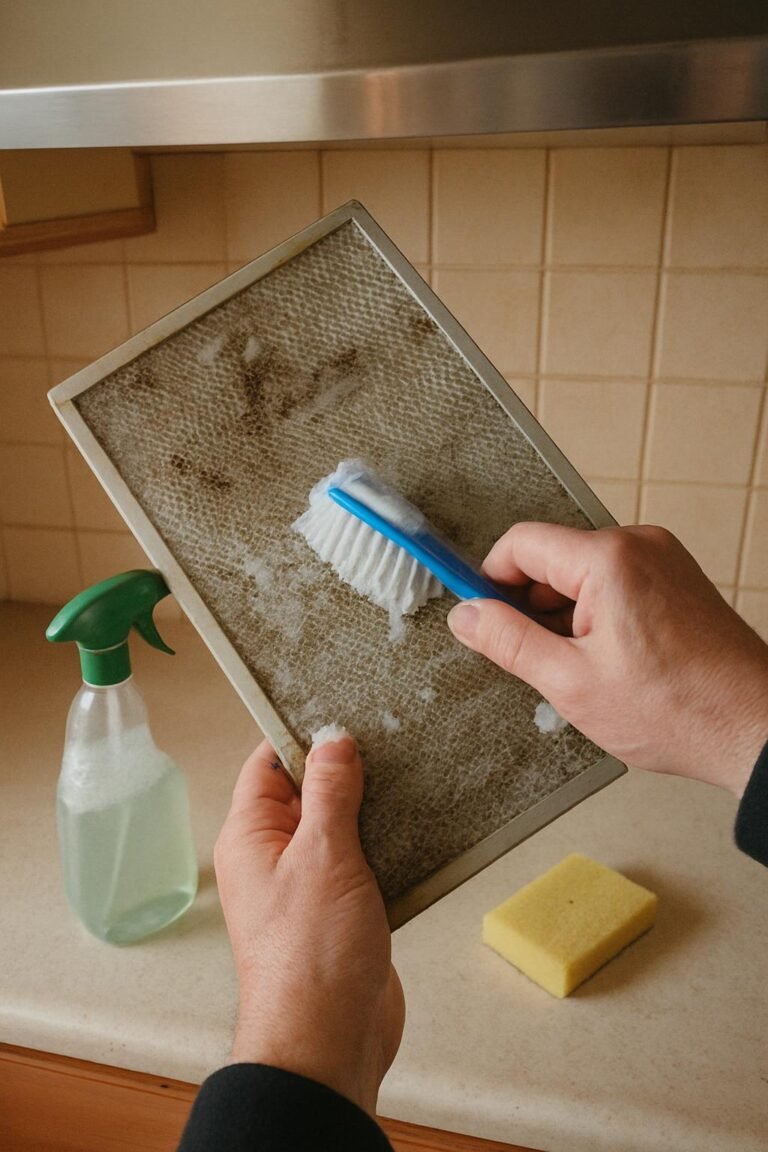
How to Clean an Ice Maker in Freezer: A Simple Step-by-Step Guide for Spotless Ice
To clean an ice maker in your freezer, unplug or turn off the unit, remove all ice, and wipe down the interior bin, arm, and tray with a solution of warm water and mild dish soap or diluted white vinegar. Rinse with a clean damp cloth, dry thoroughly, and let the unit sit for a bit before restarting it so no moisture refreezes inside.
The TidyFormula Quick Decision
Best approach: Turn off the ice maker, empty the bin, and hand-wipe the interior surfaces with a soft cloth dipped in warm water and mild dish soap or a diluted vinegar solution, then dry completely before restarting.
Use caution with: Bleach or ammonia-based cleaners near ice-contact surfaces, abrasive scrubbers on plastic components, and any electrical parts, sensors, or the water fill valve getting wet.
Stop and reassess if: You see cracked plastic, a frayed power cord, standing water near electrical connections, or persistent mold-like spots that keep returning after cleaning — these call for checking the manual or contacting an appliance technician.
What I Use For This Job
Using the right tools saves time and protects your belongings. Here are my exact recommendations:
*As an Amazon Associate, TidyFormula earns from qualifying purchases.
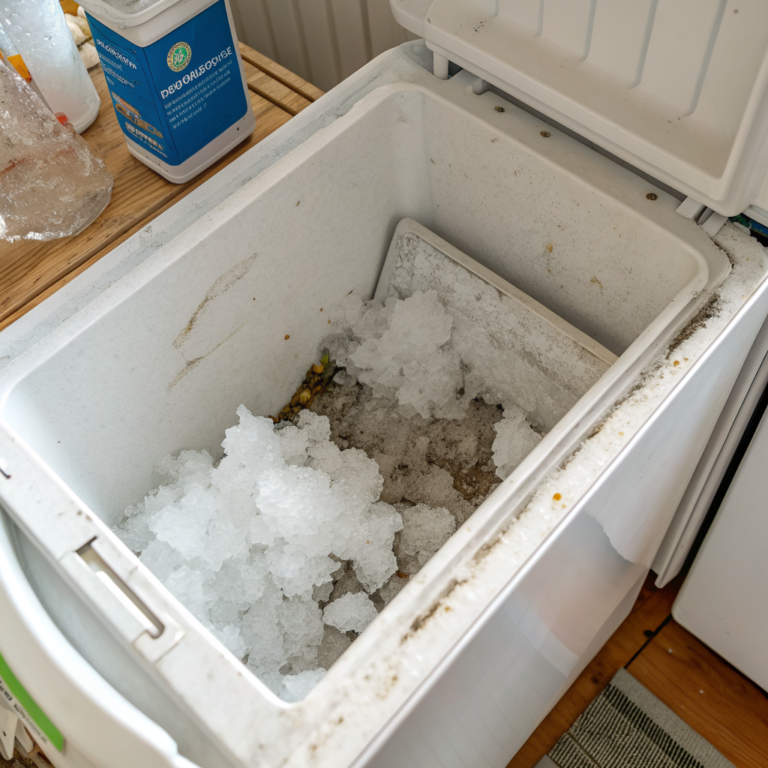
Why Ice Makers Need Regular Cleaning
Ice makers sit in a cold, humid environment where minerals from water, dust from the freezer air, and old ice residue can build up on interior surfaces over time. This buildup can affect ice taste and appearance, and in some cases can lead to slower ice production if the fill tube or sensor area gets coated.
Because the unit stays cold most of the time, buildup often looks like cloudy white deposits, frosty clumps, or a slightly grimy film rather than obvious dirt. It is easy to overlook until the ice itself starts tasting off or looking dull. If nearby food odors are the cause of off-tasting ice, see How to Remove Onion Smell from Refrigerator for tips on tracking and removing stubborn refrigerator odors.
How to Clean an Ice Maker in Freezer Step by Step
The safest way to clean an ice maker in a freezer is to work through it in order: power down, empty, wipe, rinse, dry, restart. Skipping the drying step is one of the more common mistakes, since leftover moisture can refreeze into new ice inside the unit.
- Turn off the ice maker using its on/off switch or arm, or unplug the freezer if the unit does not have a separate switch.
- Remove all ice from the bin and dispose of it, since it may carry old residue.
- Take out any removable trays, bins, or ice scoops and wash them in warm water with a small amount of mild dish soap.
- Wipe the interior walls, arm, and tray of the ice maker with a soft cloth dampened in warm water and mild dish soap, or a diluted white vinegar solution if the buildup is mineral-based.
- Use a soft-bristle brush, such as an old toothbrush, to reach small crevices around the arm or sensor without scratching the plastic.
- Wipe away all soap or vinegar residue with a clean, damp cloth, then dry every surface thoroughly with a lint-free towel.
- Leave the unit open or off for a short time so any remaining moisture can air-dry before you turn it back on.
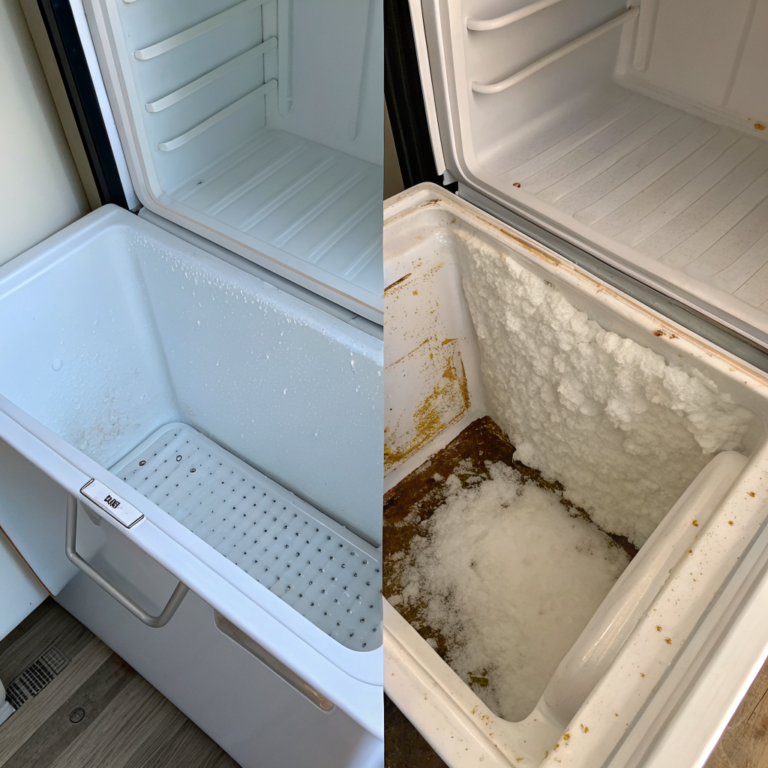
Choosing the Right Cleaning Solution
Mild dish soap and warm water handle everyday grime and light residue without risk to plastic or metal components. Diluted white vinegar can help loosen mineral scale from hard water, but it should be tested on a small area first if you are unsure how a finish will react.
Do not combine vinegar with bleach or ammonia-based products under any circumstances, since mixing these agents is unsafe. If you are unsure whether a stronger cleaner is compatible with your specific model, check the appliance manual before applying anything beyond soap and water.
Built-In vs Portable Ice Makers
| Type | Cleaning Approach | Extra Consideration |
|---|---|---|
| Built-in freezer ice maker | Wipe interior surfaces in place; avoid removing fixed parts | Water line and sensor should stay dry |
| Portable or countertop unit | Often has a removable basket and reservoir that can be hand-washed | Check the manual for dishwasher-safe parts |
| Freezer with heavy scale buildup | May need repeated vinegar wipe-downs over several sessions | Consider professional service if buildup persists |
For broader fridge care that helps ice-maker performance, the Fridge Organization and Cleaning Checklist covers how to keep the surrounding compartment clean and arranged so odors and spills don’t reach the ice maker.
TidyFormula Tip
Keep a dedicated soft cloth just for the ice maker so you never introduce grease or cleaning residue from other kitchen tasks into the ice-contact area.
What to Avoid
Certain habits can damage the ice maker or leave behind residue that affects ice quality. Avoiding them helps the unit stay in usable condition longer.
- Do not use abrasive scouring pads or steel wool on plastic bins, since they can scratch surfaces and create spots where residue collects more easily.
- Do not spray cleaner directly onto electrical components, sensors, or the water fill area.
- Do not restart the unit while surfaces are still visibly wet, since trapped moisture can refreeze into ice clumps.
- Do not use bleach near ice-contact surfaces without checking the manufacturer’s guidance first, since residue from strong chemicals can transfer into ice.
- Do not ignore a musty smell or discoloration that returns quickly after cleaning — this may point to an airflow or drainage issue rather than a one-time cleaning problem.
How Often Should You Clean the Ice Maker
A light wipe-down every few weeks and a fuller clean every couple of months is a reasonable routine for most households, though this can vary depending on water hardness and how often the unit is used. Homes with hard water may notice mineral buildup forming faster and benefit from more frequent vinegar wipes.
Also remember to maintain the surrounding appliance—periodically clean refrigerator coils so the unit runs efficiently and airflow around the freezer compartment stays optimal.
If you notice cloudy ice, an odd smell, or visible frost clumps forming sooner than usual, that is a practical sign to clean again rather than waiting for a fixed schedule.
Drying and Restarting Safely
Thorough drying matters more with ice makers than with most kitchen appliances, since any leftover moisture will freeze rather than evaporate. Use a dry cloth to go over every wiped surface a second time, and leave the door or bin open briefly before restarting.
Once everything feels dry to the touch, turn the ice maker back on and discard the first batch or two of ice, since it may carry trace cleaning residue even after rinsing.
For a broader walkthrough of ice maker safety practices, see How to Clean an Ice Maker Safely. If you are dealing with buildup in the surrounding freezer compartment as well, How to Clean a Freezer Without Defrosting (The Alcohol Hack) covers a related method for the rest of the unit.
Frequently Asked Questions
Can I use vinegar on all ice maker parts?
Diluted white vinegar is generally safe on plastic bins and trays, but it is worth checking the manual first if your model has specific finish or material warnings. Always rinse and dry vinegar-treated surfaces thoroughly before restarting the unit.
Why does my ice taste or smell off after cleaning?
This is often leftover soap or vinegar residue, or old odors trapped in the surrounding freezer air. Discard the first few batches of ice after cleaning and make sure all surfaces were rinsed and dried completely.
Is it safe to run the ice maker while cleaning the rest of the freezer?
It is usually better to turn the ice maker off while doing broader freezer cleaning, since splashes and cleaning residue can otherwise reach ice-contact surfaces. Restart it only once everything nearby is dry.
What if the buildup keeps coming back quickly?
Recurring buildup shortly after cleaning may point to hard water, a drainage issue, or airflow problems rather than a cleaning routine that is failing. If wiping does not resolve it after a few attempts, checking the manual or contacting a technician is a reasonable next step.
Can I clean the ice maker without removing it from the freezer?
Yes, most built-in ice makers can be wiped down in place without removing fixed components. Focus on accessible interior surfaces and avoid forcing out parts that are not designed to be removed.
Everything Mentioned Above
Before you leave, grab the tools you need to get the job done right the first time:
*As an Amazon Associate, TidyFormula earns from qualifying purchases.