
How to Clean Wicker Baskets Easily and Gently
Clean wicker baskets with a soft brush to remove loose dust, then wipe the weave with a barely damp cloth using mild soap and water, working in the direction of the weave and drying thoroughly afterward. Avoid soaking wicker, since trapped moisture can warp the material or encourage mildew.
The TidyFormula Quick Decision
Best approach: A soft-bristle brush or vacuum attachment to lift dust from the grooves, followed by a lightly damp cloth with mild soap and water for general grime.
Use caution with: Painted, varnished, or unsealed natural wicker, and any basket with loose or splintering strands, where excess moisture or scrubbing can cause more damage.
Stop and reassess if: The wicker feels soft, swollen, or starts shedding fibers, or if you notice a musty smell or dark spotting that could indicate mildew.
What I Use For This Job
Using the right tools saves time and protects your belongings. Here are my exact recommendations:
*As an Amazon Associate, TidyFormula earns from qualifying purchases.
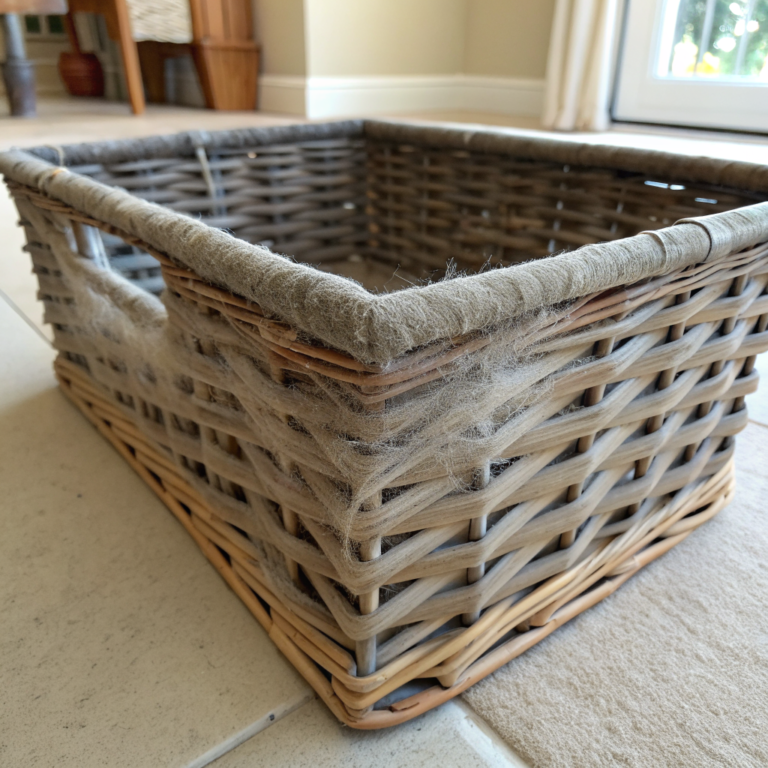
Wicker baskets collect dust, pet hair, and general household grime in their woven texture, which makes them look dull even when they aren’t heavily soiled. Because wicker is a natural, porous material, the safest cleaning approach favors light moisture and gentle tools over soaking or scrubbing.
What Type of Wicker Are You Cleaning?
Before cleaning, look at whether the basket is natural, painted, varnished, or made from a synthetic wicker-look material like resin or vinyl. Natural, unfinished wicker is the most sensitive to moisture, while painted or varnished wicker tolerates a damp cloth more easily since the coating adds a layer of protection.
Synthetic or resin wicker is generally the most water-tolerant of the group, but it can still scratch or dull if you use an abrasive pad. If you’re unsure what your basket is made of, treat it as natural wicker and use the gentlest method first. For a household-wide, gentle approach to cleaners and ingredients that are safe on many surfaces, see our non-toxic cleaning routine for the whole house.
How to Clean Wicker Baskets Step by Step
Start with dry cleaning to remove loose debris before introducing any moisture. This prevents you from grinding dust into the fibers once they’re damp.
- Take the basket outside or hold it over a trash bin, then use a soft-bristle brush, an old toothbrush, or a vacuum with a brush attachment to work dust and debris out of the woven grooves.
- Mix a small amount of mild dish soap into water until it’s just slightly soapy, not sudsy.
- Dampen a soft cloth or sponge in the solution and wring it out well so it isn’t dripping.
- Wipe along the direction of the weave, section by section, rinsing the cloth in clean water as needed.
- Wipe again with a cloth dampened in plain water to help lift soap residue.
- Dry the basket with a clean towel, then let it air-dry fully in a well-ventilated area away from direct heat before using or storing it.
If the basket has a liner or removable insert, take it out before cleaning so you can wash liners and similar fabrics separately according to their own material and care instructions.
Removing Stubborn Grime or Stains
For grime that doesn’t lift with plain soap and water, a soft brush dipped lightly in the same mild soap solution can help work residue out of textured areas without adding much extra moisture. Always test an inconspicuous spot first, especially on colored or varnished wicker, since some finishes can lighten or streak if agitated too aggressively.
Avoid pouring cleaner directly onto the basket or scrubbing with anything abrasive, since this can fray the strands or strip a painted or varnished finish. If a stain remains after a couple of gentle passes, it may be set into the fiber, and further scrubbing is more likely to damage the wicker than remove the mark.
Dealing with Musty Odor or Mildew Concerns
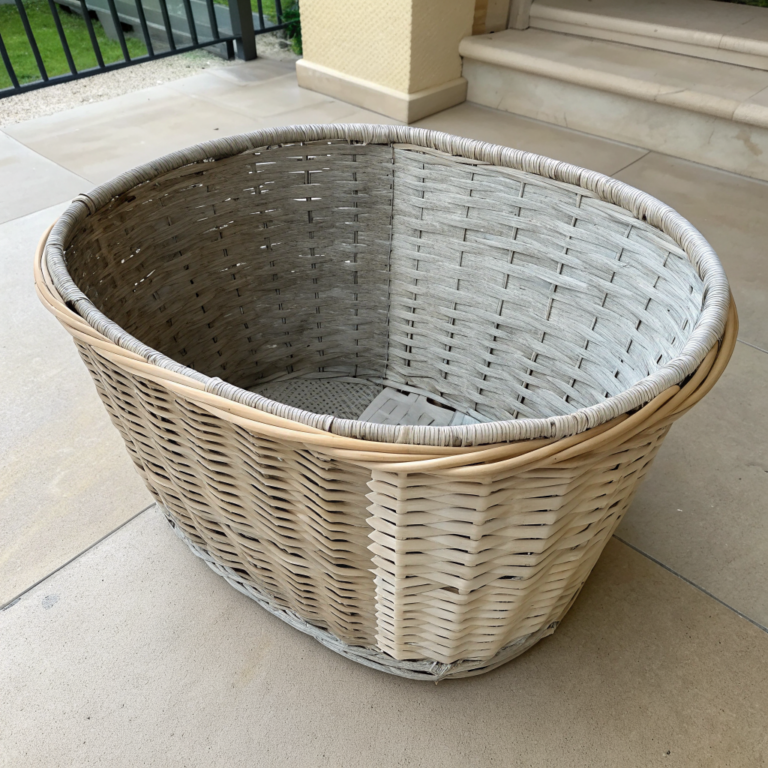
A musty smell in wicker often comes from trapped moisture or long-term storage in a damp space. Airing the basket out in a dry, ventilated area for a while can help reduce lingering odor from the fibers; for room-level advice on airing and drying spaces that hold odor, see our guide on how to remove damp smell from a bedroom.
If you see dark spotting, fuzzy growth, or a persistent musty smell that doesn’t improve with airing, that may point to mold or mildew, which affects health and materials differently than ordinary dirt. For larger or structural mold problems that could be beyond a quick handheld clean, consult guidance such as our how to remove mildew smell from a basement article, and consider a professional cleaning or restoration service rather than continued home scrubbing.
Drying and Aftercare
Wicker needs to dry completely before storage or heavy use, since trapped dampness in tightly woven areas can lead to weakening or mildew over time. After wiping, let the basket sit in open air, ideally with some airflow, rather than placing it in a closed cabinet while still damp.
Once dry, natural wicker can sometimes benefit from being kept in a room with moderate humidity rather than a very dry or very damp environment, since extreme conditions can make the fibers brittle or encourage warping over the long run. If you notice odors or dampness when storing baskets, our steps for how to remove musty smell from a closet may help reduce recurrence.
What to Avoid
- Do not soak the basket in water or run it under a faucet, since natural fibers absorb moisture and can warp, loosen, or mildew.
- Do not use bleach or ammonia-based cleaners on natural wicker, and never combine cleaning chemicals together in an attempt to boost cleaning power.
- Do not use metal scouring pads or stiff wire brushes, which can snap thin wicker strands or scratch painted finishes.
- Do not dry wicker with a hair dryer or place it near a heater or direct sun for fast drying, since rapid heat can cause cracking or fading.
- Do not skip drying time before storing the basket, since residual dampness is a common cause of musty odor developing later.
TidyFormula Tip
A vacuum with a brush attachment set on low suction is often gentler than a handheld brush for pulling dust out of deep weave patterns.
Frequently Asked Questions
Can you use vinegar to clean wicker baskets?
A small amount of white vinegar diluted in water can sometimes help with mild odor or grime on natural wicker, but it should never be combined with bleach or other cleaning chemicals. Test a hidden area first, since vinegar’s acidity can affect certain finishes or dyes.
Is it safe to put a wicker basket in the dishwasher?
No, wicker baskets should not go in a dishwasher. The prolonged heat, water exposure, and drying cycle can warp, loosen, or crack the woven fibers, even on sturdier synthetic wicker.
How often should wicker baskets be cleaned?
Light dusting every few weeks, with a more thorough damp-cloth cleaning every few months, is usually enough for baskets in normal household use. Baskets used for pet items, shoes, or outdoor storage may need more frequent attention.
What should I do if the basket still smells after cleaning?
Try airing it out longer in a dry, ventilated space, since lingering odor is often tied to trapped moisture rather than surface dirt. If the smell persists or worsens, inspect closely for mold growth and consider professional advice if you’re uncertain. For fabric liners and similar washable items, guidance on how to remove mildew smell from towels may be applicable to removing persistent odor from washable inserts.
Can painted or varnished wicker be cleaned the same way as natural wicker?
Painted or varnished wicker generally tolerates a damp cloth a little better because the coating adds some protection, but it can still chip or dull with abrasive scrubbing. Use the same gentle, weave-direction wiping method and dry thoroughly afterward.
Everything Mentioned Above
Before you leave, grab the tools you need to get the job done right the first time:
*As an Amazon Associate, TidyFormula earns from qualifying purchases.