
How to Remove Leather Stains: A Simple Guide
The fastest way to get stains out of leather is to blot away excess liquid or residue right away, then clean the spot with a small amount of mild soap diluted in water, applied gently with a soft cloth and worked in small circles from the outer edge inward. The right cleaner and technique change depending on the leather’s finish and the type of stain, so identifying both first helps you avoid making the mark worse.
The TidyFormula Quick Decision
Best approach: A soft microfiber cloth with mild soap and water, tested in a hidden spot before treating the visible stain.
Use caution with: Unfinished or aniline leather, suede, nubuck, oil-based stains, and any piece where the finish or leather type is unknown.
Stop and reassess if: Color transfers onto your cloth, the leather darkens unevenly or feels stiff, or the stain hasn’t improved after two gentle cleaning attempts.
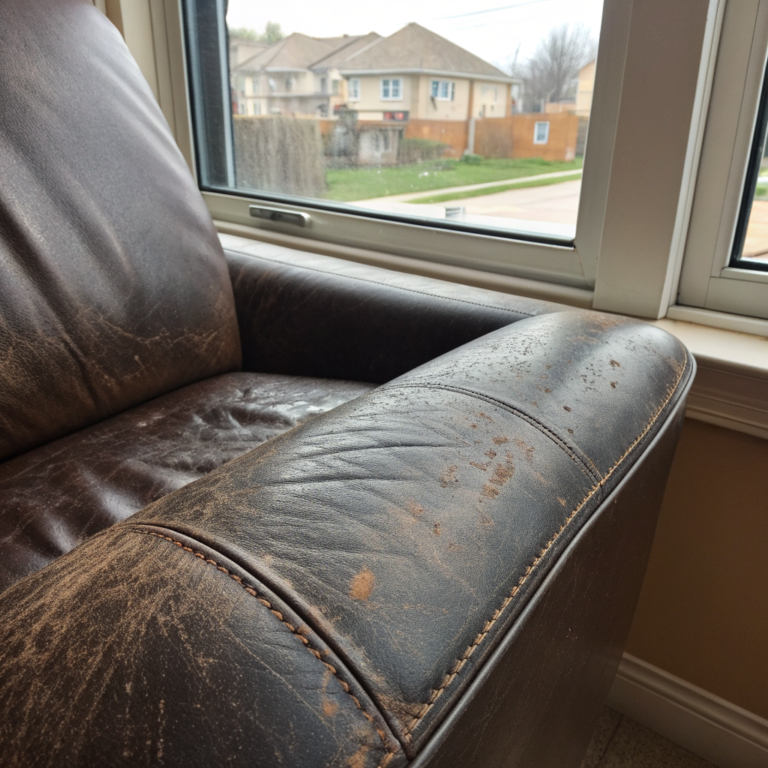
TidyFormula Tip
Keep a leather conditioner on hand after cleaning, since even mild soap and water can leave leather feeling slightly dry once it’s fully dry.
What I Use For This Job
Using the right tools saves time and protects your belongings. Here are my exact recommendations:
*As an Amazon Associate, TidyFormula earns from qualifying purchases.
Identify Your Leather Type Before You Start
Finished leather with a protective topcoat, often found on furniture and bags, tolerates gentle soap and water better than unfinished or aniline leather, which absorbs liquid more readily and stains more easily. If you’re not sure what type you have, check the manufacturer’s care tag or manual, and when in doubt, treat it as delicate and start with the mildest option available.
Suede and nubuck are different animals entirely. They respond to dry cleaning methods like a suede brush or eraser far better than they respond to liquid, and adding water to these napped finishes can leave a permanent water mark rather than removing the original stain — for step-by-step tips on safe dry cleaning, see our guide on how to clean suede shoes without suede cleaner.
General Steps for Removing Stains from Leather
Most fresh stains on finished leather respond to a simple, low-risk cleaning sequence. Moving slowly and testing first protects the finish while still giving the stain a real chance to lift.
- Blot the stain immediately with a clean, dry cloth. Do not rub, since rubbing can push the stain deeper into the leather’s pores.
- Mix a small amount of mild soap with water until it’s barely soapy, then test it on a hidden area such as the underside of a cushion or an inside seam.
- If the test spot looks fine after it dries, dampen a soft cloth with the solution and wipe the stain gently in small, overlapping motions.
- Wipe the area again with a cloth dampened in plain water to help remove soap residue.
- Blot dry with a clean towel and let the leather air dry away from direct heat or sunlight.
If the stain is still visible after it dries, you can repeat the process once more before considering a leather-specific cleaner. Two or three passes is usually the reasonable limit for a household method before further scrubbing risks damaging the finish rather than helping it.
Matching the Method to the Type of Stain
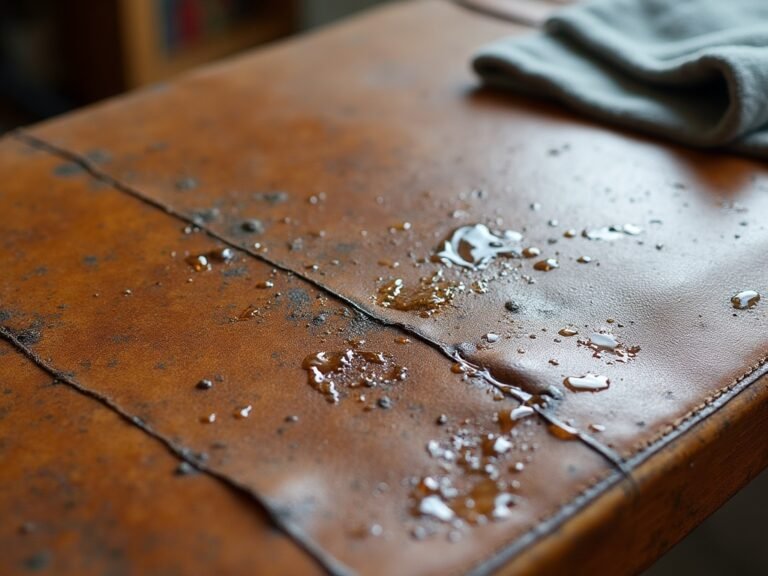
Not every mark on leather behaves the same way, and matching your approach to the stain type saves time and reduces the chance of spreading it. The table below gives a general starting point, but always test in a hidden spot first.
| Stain Type | Reasonable Starting Approach |
|---|---|
| Water spots | Often fade on their own as the leather dries evenly; light buffing with a dry cloth can help. |
| Oil or grease | Blot excess oil, then let a light dusting of cornstarch or talc sit on the spot to help absorb it before brushing away. For heavier upholstery grease, see our guide on how to remove grease stains from a fabric sofa for more extraction options. |
| Ink | Requires a more targeted approach and different products than general soap-and-water cleaning; see the linked guide below for ink specifically. |
| Food or drink | Blot immediately, then clean with the mild soap and water method described above. |
| Mold or mildew spots | Wipe gently with a dry cloth first; if the spotting persists or you notice a musty smell, this may call for professional cleaning or advice from a specialist. |
For ink specifically, the removal process differs enough from general stains that it deserves its own method. TidyFormula’s guide on how to remove ink from a leather couch walks through that process in more detail.
What to Avoid When Cleaning Leather Stains
Several common instincts actually make leather stains worse rather than better. Avoiding these mistakes protects the material while you work on the mark itself.
- Do not use baby wipes, disinfecting wipes, or all-purpose cleaners on leather unless the product label specifically states it’s safe for leather, since many contain alcohol or solvents that can strip the finish.
- Do not soak leather or apply heavy amounts of water, since excess moisture can warp, stain, or crack the material as it dries.
- Do not use a hair dryer, heater, or direct sunlight to speed up drying, since fast or uneven drying can cause cracking or stiffness.
- Do not scrub aggressively or use abrasive brushes on finished leather, since scrubbing can wear through the protective topcoat.
- Never combine cleaning products, such as mixing a leather cleaner with bleach or ammonia-based solutions. Cleaning agents that shouldn’t be combined must not be combined, regardless of the surface.
Drying and Conditioning After Cleaning
Letting leather air dry slowly, away from heat sources and direct sun, gives the material the best chance of drying evenly without stiffening or cracking. Once the leather is fully dry, a leather conditioner formulated for the specific type of leather you have can help restore flexibility and reduce the look of dryness left behind by cleaning.
If you’re working on leather car seats or interior panels, moisture control and drying time matter even more because of limited airflow inside a vehicle. TidyFormula’s guide to DIY car interior detailing covers additional considerations for cleaning car interiors without specialized equipment.
Preventing Future Stains on Leather
Wiping up spills as soon as they happen remains the single most effective way to reduce staining, since leather absorbs liquid more the longer it sits. Regularly conditioning leather furniture, bags, and car seats also helps the material resist absorption in the first place, since a well-conditioned finish sheds light spills more easily than dry, thirsty leather.
Keeping leather items out of direct, prolonged sunlight also reduces the fading and dryness that can make existing stains more noticeable over time. For footwear and winter salt specifically, our step-by-step advice on how to remove salt stains from leather shoes shows how to treat salt without damaging the finish.
Frequently Asked Questions
Can I use vinegar to remove stains from leather?
Diluted vinegar is sometimes used on finished leather in small amounts, but it can dull or dry out the finish with repeated use. If you try it, test on a hidden spot first and follow with a leather conditioner afterward to help offset the drying effect. Also see our guide on surfaces you should never clean with vinegar to understand when vinegar is a poor choice.
What if soap and water doesn’t remove the stain?
If the stain remains after a couple of gentle attempts, a cleaner made specifically for leather is a reasonable next step rather than repeating soap and water indefinitely. For stubborn or set-in stains, or leather that’s aged or delicate, consulting a professional leather cleaner helps avoid accidental damage.
Is it safe to use baking soda on a leather stain?
A dry baking soda paste is sometimes used to help draw out fresh oil-based stains, but it should be brushed off promptly rather than left on for an extended time, and it should be tested first since it can affect color or finish on some leathers. Before trying this, read our notes on baking soda cleaning mistakes to avoid so you don’t overdo it on delicate finishes.
How often should leather furniture be conditioned to help prevent stains?
This depends on the leather type, the climate, and how much use the piece gets, so checking the manufacturer’s care instructions is the most reliable guide. In general, conditioning a few times a year helps many finished leathers stay more resistant to absorbing spills.
Everything Mentioned Above
Before you leave, grab the tools you need to get the job done right the first time:
*As an Amazon Associate, TidyFormula earns from qualifying purchases.