How to Remove Mildew Smell from a Basement
To remove mildew smell from a basement, first stop the moisture, then remove damp or moldy materials, clean washable hard surfaces with a compatible detergent, and dry the space thoroughly. Odor absorbers can help afterward, but they won’t fix the source. Widespread, hidden, recurring, or sewage-related growth calls for professional assessment.
A musty odor may come from damp cardboard, carpet padding, unfinished wood, drywall, stored fabrics, or moisture hidden behind finished walls. Treat the smell as a moisture warning rather than trying to cover it with fragrance.
⚡ The TidyFormula™ Quick Decision
Best approach: Correct the leak or humidity problem, remove unsalvageable porous materials, clean compatible hard surfaces, and use ventilation or a dehumidifier until the basement is fully dry.
Use caution with: Drywall, insulation, unfinished wood, carpet padding, electrical equipment, and any surface that may be damaged by water or cleaning products.
Replace instead of cleaning if: Porous material is crumbling, swollen, extensively affected, repeatedly moldy, or impossible to dry completely.
What I Use For This Job
Using the right tools saves time and protects your belongings. Here are my exact recommendations:
*As an Amazon Associate, TidyFormula earns from qualifying purchases.
Check the Source and Scope Before Cleaning
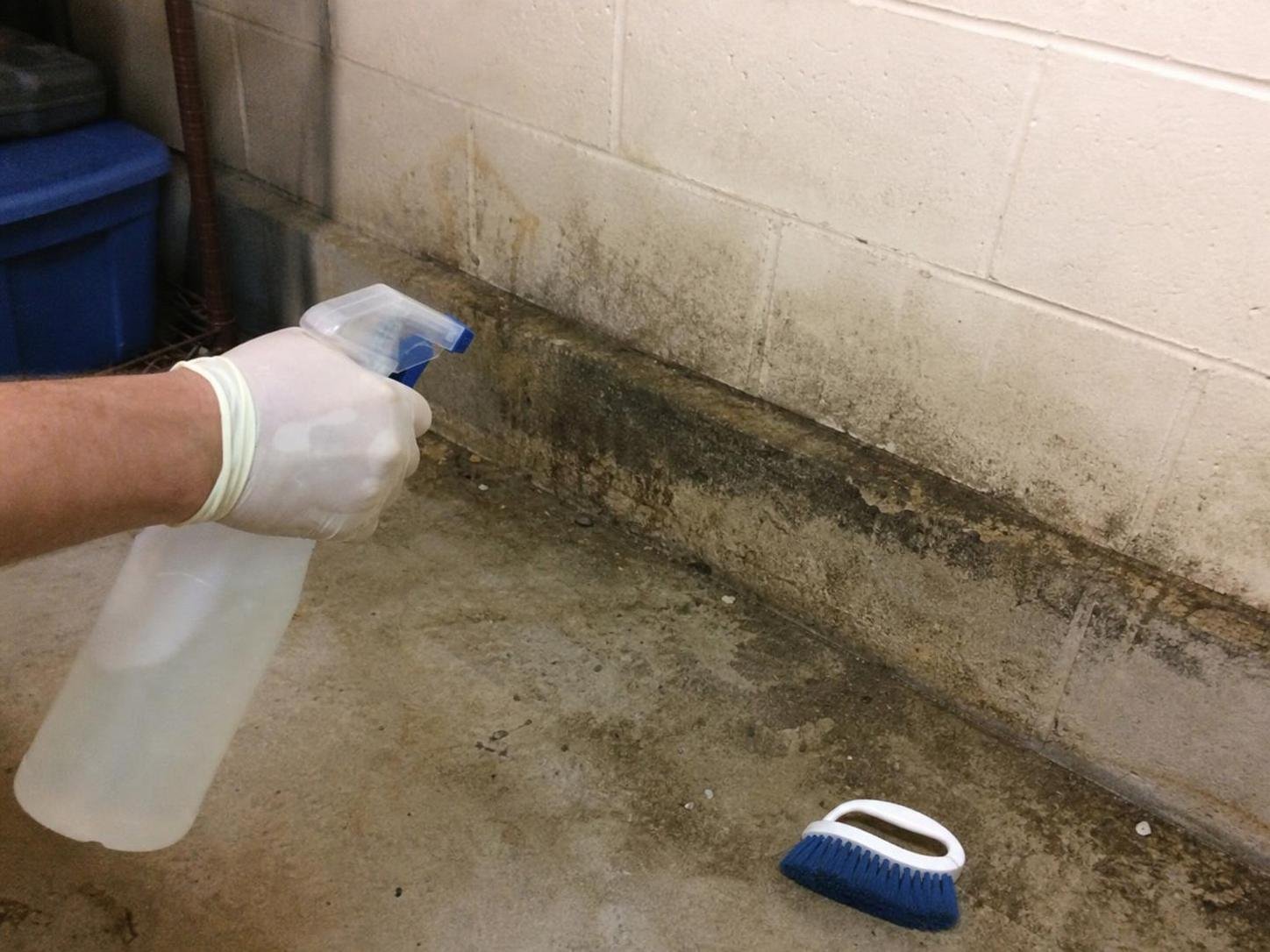
The odor will return unless you correct the moisture problem. Inspect the basement before moving boxes, scrubbing walls, or running equipment.
- Look for plumbing leaks, damp foundation walls, condensation, wet window wells, overflowing drains, and moisture around heating or cooling equipment.
- Check under rugs, behind shelving, along baseboards, beneath sinks, and around stored cardboard.
- Press gently on suspicious drywall or wood. Softness, swelling, flaking paint, or crumbling material indicates damage that surface cleaning won’t repair.
- Notice whether the odor becomes stronger near a wall, floor drain, carpet edge, storage cabinet, or HVAC opening.
Do not use plug-in cleaning equipment or a dehumidifier in standing water. If water is near outlets, wiring, appliances, or an electrical panel, keep out of the area and contact an appropriate professional.
Choose professional assessment rather than routine household cleaning if the affected area is widespread, hidden inside walls, repeatedly returns, involves HVAC components, or follows sewage-contaminated water. Renters should document visible damage and notify the property owner or manager promptly.
Gather Only the Supplies You Need
For a small, accessible moisture and odor problem, basic cleaning supplies are usually enough. The cleaner must be suitable for the specific surface.
- Gloves and any additional protection required by the cleaning-product label
- A flashlight for inspecting corners, joists, and the backs of stored items
- Disposable cloths or washable microfiber cloths
- A soft or medium-bristle brush suitable for the surface
- A mild household detergent or a mold-cleaning product labeled for the material
- Clean water for removing residue when the product directions require it
- Trash bags for damaged cardboard and other disposable materials
- A fan or dehumidifier, provided the area is electrically safe
- A hygrometer for monitoring basement humidity
Open windows only when the outdoor air is drier than the basement air. On humid days, open windows can make the problem worse. Never mix cleaning products, and follow the current product label for ventilation, application, protective equipment, and residue removal.
The Best Method for Removing the Musty Odor
Remove moisture and affected material before treating the air. Cleaning in this order prevents you from wasting effort on deodorizing a basement that’s still damp.
- Stop active water entry. Repair accessible plumbing leaks or arrange for the appropriate contractor to address foundation seepage, drainage problems, roofing runoff, or equipment leaks. Don’t clean over an active leak and assume a dehumidifier will compensate for it.
- Begin controlled drying. Remove standing water using methods appropriate for the amount and source of the water. Run a dehumidifier in an electrically safe location and follow its operating instructions. A moderate humidity setting around 40% to 50% is practical in many basements, provided condensation doesn’t develop and the equipment manufacturer doesn’t specify otherwise.
- Sort stored belongings. Move dry, unaffected items to a clean staging area. Bag moldy cardboard, deteriorated ceiling tiles, damaged insulation, and other disposable porous materials before carrying them through the house. Don’t place damp belongings into sealed storage bins.
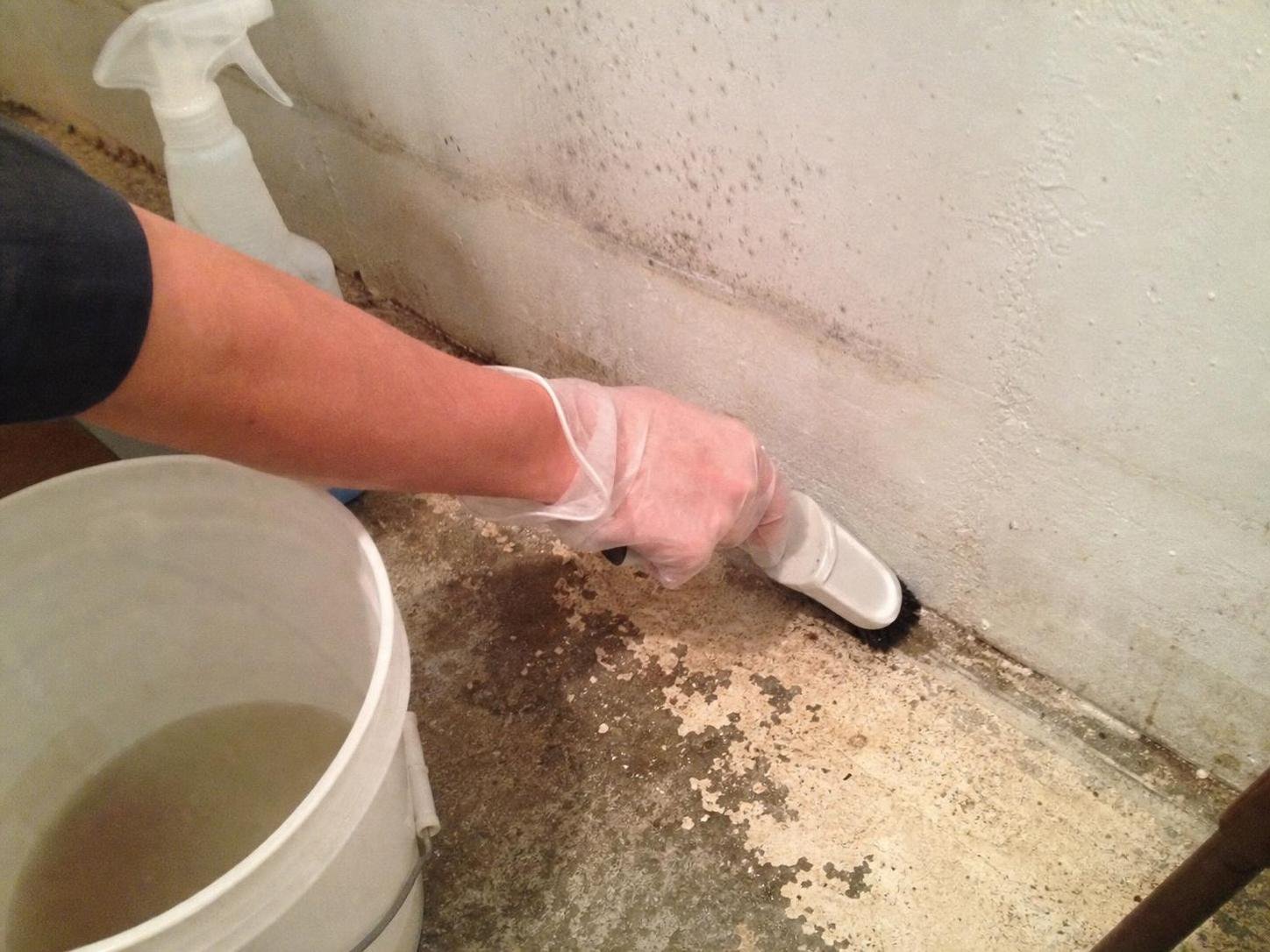
- Clean small areas of washable hard surfaces. Apply a detergent or labeled cleaner that is compatible with the surface. Use only enough moisture to loosen grime; avoid flooding seams, wall cavities, unfinished wood, or floor cracks. Wipe or gently scrub, then remove cleaner residue according to the product directions. Stop if paint softens, color transfers, metal corrodes, or a finish becomes cloudy.
- Handle washable contents separately. Launder fabrics according to their care labels and dry them completely before returning them. Wipe compatible plastic storage bins inside and out, including lids and handles. For a musty suitcase or travel bag, use the material-specific steps in this guide to cleaning mold and odor from luggage.
- Dry every cleaned surface. Blot remaining moisture and maintain airflow without directing a powerful fan at visible growth. Drying time varies with humidity, material thickness, temperature, airflow, and moisture trapped behind finished surfaces.
- Recheck the basement before deodorizing. Once the space and its contents are dry, close it under normal conditions and check again later. If the odor is substantially reduced, activated charcoal or an open container of baking soda may help with a faint residual smell. Keep loose deodorizing products away from children and pets, and replace them as directed. If the odor quickly returns, keep looking for hidden moisture instead of adding fragrance.
🧪 Why This Works
A musty basement smell persists when damp materials keep releasing odor into the air. Fixing water entry, removing materials that can’t be restored, wiping away surface residue, and drying the room address the source. Charcoal, baking soda, and air filters may reduce leftover airborne odor, but they cannot dry a wall cavity or repair damaged material.
Adjust the Method to the Material
Basement surfaces don’t all tolerate the same amount of moisture or scrubbing. Use the least-wet method that removes the residue, and test cleaners on an inconspicuous area first.
| Material or condition | Recommended approach |
|---|---|
| Sealed concrete or masonry | Use a compatible detergent and moderate scrubbing, remove residue as directed, and dry thoroughly. Recurring dampness indicates a water-management problem rather than a cleaning failure. |
| Painted walls | Use a well-wrung cloth and mild cleaner if the paint is intact. Stop if the paint blisters, flakes, softens, or transfers to the cloth. |
| Drywall | Lightly clean only intact, dry, washable paint. Soft, swollen, crumbling, deeply stained, or extensively affected drywall usually requires removal and replacement rather than repeated wet cleaning. |
| Finished wood | Wipe with minimal moisture and a cleaner approved for the finish. Avoid soaking joints and end grain. Stop if the finish lifts or the wood feels soft. |
| Unfinished wood | Use minimal moisture and assess how deeply staining and odor have penetrated. Persistent growth, softness, or structural damage warrants professional evaluation. |
| Carpet and padding | If the carpet only absorbed ambient odor and remained dry, clean it according to its care instructions. Wet, moldy, deteriorated, or impossible-to-dry carpet padding is generally more practical to replace. |
| Cardboard, insulation, and ceiling tiles | Discard materials that are damp, moldy, misshapen, or strongly odorous. Their porous structure makes thorough household cleaning and drying unreliable. |
| Metal shelving | Use a compatible cleaner and dry promptly. Stop if the finish changes or corrosion appears, and follow the shelving manufacturer’s care instructions. |
Why the Smell May Return
A returning odor means moisture, affected material, or cleaner residue remains. Don’t keep repeating the same surface treatment without investigating the cause.
The odor disappears while the dehumidifier runs
This usually points to ongoing humidity or moisture absorption rather than a one-time spill. Check the dehumidifier’s drainage, filter, placement, and capacity instructions. Inspect cool pipes, foundation walls, window frames, and corners for condensation.
The smell is strongest near one finished wall
Moisture may be trapped behind drywall, paneling, baseboards, or insulation. Avoid drilling or opening the wall if you don’t know what utilities are behind it. A moisture or building professional can help determine whether the cavity needs to be opened.
The basement smells worse after cleaning
The cleaning process may have added too much moisture or left detergent residue. Wipe washable surfaces with a clean, barely damp cloth if the product directions allow residue removal, then increase drying and airflow. Don’t add another cleaner on top.
The odor is coming from carpet
Lift an accessible edge only if doing so won’t damage the installation. The carpet face can feel dry while the padding or subfloor remains damp. If the backing, padding, or floor underneath is affected, surface shampooing won’t solve the entire problem.
The smell resembles sewage, fuel, or rotten eggs
Stop treating it as ordinary mildew. Leave the area if necessary and contact the utility company, fire department, plumber, property manager, or another appropriate service based on the suspected source and local emergency instructions.
Cleaning Mistakes That Keep Basements Musty
- Masking the odor before fixing the leak: Fragrance may briefly cover the smell, but it makes it harder to judge whether the moisture source is improving.
- Closing damp belongings in plastic bins: Sealed containers trap moisture. Clean and dry both the item and bin before closing the lid.
- Soaking drywall or unfinished wood: Excess cleaning solution can enter seams and cavities, prolong drying, damage finishes, or worsen swelling.
- Using bleach as the automatic first choice: Bleach can discolor materials, corrode some metals, and may not be labeled for every basement surface. Use it only where the current product label permits, and never mix it with vinegar, ammonia, acids, alcohol, or any other cleaner.
- Painting over odor or visible damage: Paint doesn’t repair wet drywall, deteriorated wood, or active water entry. The surface must be suitable, clean, and dry before refinishing.
- Using strong airflow on undisturbed visible growth: A powerful fan can spread loose dust and debris. Remove affected material or clean the manageable area first, then use airflow for drying.
Keep the Basement Dry After Cleaning
Prevention depends on controlling water, humidity, and storage conditions. A deodorizer is optional; moisture management isn’t.
- Monitor humidity with a hygrometer and adjust the dehumidifier as conditions change.
- Empty or drain the dehumidifier and maintain its filter according to the manufacturer’s instructions.
- Keep boxes and fabrics off the basement floor, preferably on washable shelving.
- Leave a little space between stored items and exterior walls so you can inspect for dampness and allow air movement.
- Store only completely dry belongings in lidded plastic bins.
- Check plumbing connections, window wells, floor drains, gutters, downspouts, and equipment condensate lines periodically.
- After heavy rain or snowmelt, inspect previously affected areas before a strong smell develops.
Frequently Asked Questions
Will an air purifier remove mildew smell from a basement?
An air purifier may reduce some airborne particles and odors, depending on its design and filter, but it won’t repair a leak, dry damp material, or clean an affected surface. Treat it as an optional support tool after moisture control and cleaning.
Can baking soda remove the smell by itself?
Baking soda may absorb a faint residual odor in a dry basement. It won’t correct damp walls, moldy carpet padding, wet boxes, or hidden moisture, so it shouldn’t be your first step.
Is vinegar a safe cleaner for every basement surface?
No. Acids can affect certain stone, concrete finishes, metals, grout, and painted surfaces. Use only a cleaner compatible with the material, test it in a hidden spot, and never combine vinegar with bleach or other cleaning products.
When is cleaning no longer worthwhile?
Replacement is usually the more practical choice when porous material is extensively affected, structurally weakened, repeatedly becomes damp, has contamination deep inside it, or cannot be opened and dried. Structural components and large hidden areas should be evaluated before removal.
The most reliable way to clear a mildew smell is to fix the moisture source, remove damaged porous material, clean compatible surfaces without saturating them, and dry the basement completely. If the odor returns quickly or stays concentrated near a wall, floor, or HVAC opening, investigate hidden moisture rather than applying more deodorizer.
Everything Mentioned Above
Before you leave, grab the tools you need to get the job done right the first time:
*As an Amazon Associate, TidyFormula earns from qualifying purchases.