How to Clean a Wool Rug without Shrinking
To clean a wool rug without shrinking, vacuum it gently, then spot-clean or lightly surface-clean it with cool water and a cleaner specifically labeled for wool. Keep moisture, rubbing, and heat to a minimum. Saturated washing is a poor DIY choice for tufted, vintage, or color-unstable rugs.
Wool fibers can distort or felt under the combined effects of moisture, heat, and agitation. The rug’s dyes, foundation, backing, and adhesive may be less water-tolerant than the wool itself, so identify what you have before cleaning.
⚡ The TidyFormula™ Quick Decision
Best approach: Vacuum first, then use a low-moisture blotting method with cool water and a wool-labeled cleaner.
Use caution with: Handmade, vintage, tufted, damaged, unlabeled, or color-bleeding rugs; professional cleaning is the safer choice for these.

Check the Rug Before Adding Moisture
The care label, construction, dyes, and existing condition determine whether home cleaning is reasonable. A method that works for a small machine-made wool rug may damage a hand-knotted or adhesive-backed rug.
What I Use For This Job
Using the right tools saves time and protects your belongings. Here are my exact recommendations:
*As an Amazon Associate, TidyFormula earns from qualifying purchases.
- Read the care label: Follow any cleaning restrictions or professional-cleaning instructions. If the label conflicts with general advice, the label takes priority.
- Identify tufted construction: Many tufted rugs have a fabric backing held in place with adhesive. Saturation may weaken that adhesive or create persistent odors.
- Inspect the foundation and edges: Loose fringe, splits, brittle areas, exposed backing, and previous water damage are reasons to avoid wet cleaning.
- Consider age and value: Vintage, handmade, collectible, and expensive rugs are not good candidates for experimental DIY washing.
- Test every major color: Apply a small amount of prepared cleaner to an inconspicuous area with a white cloth. Stop if dye transfers, the pile changes texture, or the area develops a ring.
If your rug passes these checks, low-moisture cleaning is usually the most practical household option. General rug-cleaning principles are covered in this guide to cleaning a rug without a carpet cleaner, but wool requires stricter control of moisture, heat, and agitation.
Gather a Small, Wool-Safe Cleaning Kit
You don’t need heavy equipment. The goal is to lift surface soil while putting as little liquid as practical into the pile and backing.
- A vacuum with adjustable suction or a hard-floor attachment
- A cleaner whose current label specifically permits use on wool
- Cool water
- Several clean white absorbent cloths
- White towels for moisture removal
- A soft white sponge or very soft-bristled brush, if permitted by the care label
- A fan for room airflow
Avoid hot water, steam, pressure washing, stiff brushes, aggressive rotary machines, and general-purpose cleaners that don’t list wool as a suitable surface. Don’t combine the wool cleaner with vinegar, bleach, ammonia, stain removers, or any other cleaning product.
The Low-Moisture Cleaning Method
This method is best for routine soil, minor spots, and light surface cleaning. It is not a substitute for professional washing when dirt or liquid has penetrated the rug’s foundation.
- Remove loose soil. Take away furniture and vacuum the rug gently in the direction of the pile. Disable the beater bar or use an attachment that won’t pull fibers. If the rug is manageable and structurally sound, vacuum the underside and the floor beneath it as well.
- Test the prepared cleaner. Follow the product’s current label directions, including dilution, ventilation, and protective-equipment instructions. Blot a hidden spot with a white cloth and let it dry enough to judge the color and texture. Do not proceed if you see dye transfer, pile distortion, or discoloration.
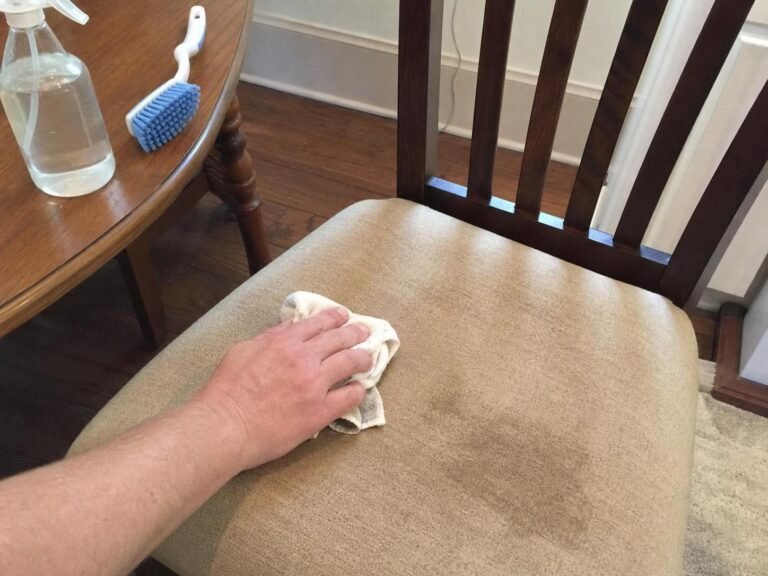
- Load the cloth, not the rug. Dampen a clean white cloth or sponge with the prepared solution, then wring it thoroughly. It should be damp rather than dripping. Never pour cleaning solution directly onto wool.
- Clean a small section. Blot and lightly wipe with the pile, working in a limited area. Use minimal pressure. Avoid scrubbing back and forth, which can roughen or felt the fibers. The backing should not become wet.
- Treat spots from the outside inward. Blot a spill or stain with a fresh section of cloth so you don’t spread it. Repeat gently rather than soaking the spot. If the stain continues to spread, changes color, or reaches the backing, stop and consult a rug-cleaning professional.
- Remove cleaner residue as directed. If the cleaner label calls for rinsing, blot with a separate cloth lightly dampened with cool water. Wring the cloth well and make several restrained passes instead of flooding the area.
- Extract moisture with towels. Press dry white towels onto the cleaned area. Don’t twist, wring, or aggressively rub the rug. Replace the towel as it becomes damp.
- Dry the rug flat. Restore the edges and corners to their normal shape, then provide airflow above and, when practical, beneath the rug. Keep it away from heaters and other direct heat. Do not return the rug pad or furniture until the pile and backing are completely dry.

🧪 Why This Works
Vacuuming removes abrasive loose soil before moisture can turn it into grime. Damp blotting lifts remaining surface dirt while limiting how much water reaches the foundation. Cool water, light pressure, and flat drying also reduce the conditions that encourage wool fibers to tighten, distort, or become matted.
Choose Surface Cleaning or Professional Cleaning
Low-moisture cleaning has firm limits. Choose professional rug cleaning when the problem extends beyond the surface or the rug’s construction makes controlled drying difficult.
| Rug condition | Recommended approach |
|---|---|
| Loose dust and ordinary tracked-in soil | Gentle vacuuming |
| Small, recent surface spill on a colorfast rug | Careful blotting with a wool-labeled cleaner |
| General dullness without heavy embedded soil | Low-moisture surface cleaning after testing |
| Large stain, widespread soil, or liquid in the backing | Professional rug cleaning |
| Handmade, vintage, fragile, color-bleeding, or unlabeled rug | Professional assessment before wet cleaning |
| Tufted rug with loose backing or failing adhesive | Repair or professional assessment rather than DIY wet cleaning |
Cleaning Mistakes That Can Shrink or Damage Wool
Saturating the pile
Too much water can reach the foundation, carry dyes into neighboring colors, and make controlled drying difficult. If the rug feels wet through to the underside, stop adding solution, press it with dry towels, and increase airflow.
Using heat to speed drying
Hot water, steam, hair dryers, space heaters, and other concentrated heat can contribute to distortion and uneven texture. Use ordinary room airflow instead. Drying time varies with the rug’s thickness, construction, humidity, and the amount of moisture used.
Scrubbing a stain
Hard scrubbing can create a fuzzy, matted, or lighter-looking patch even if the stain improves. Blot instead. If gentle repetitions don’t work, continuing with more force is more likely to damage the pile than solve the stain.
Using a cleaner that isn’t labeled for wool
Wool is a protein-based fiber, and not every carpet cleaner or stain remover is suitable for it. Choose a product that explicitly lists wool on its current label, then follow its directions. “Natural” or homemade doesn’t automatically mean wool-safe.
Cleaning one obvious spot too aggressively
A heavily treated patch may dry with a ring, stiff residue, or a noticeably different texture. Use restrained applications, feather the edge lightly, and remove residue according to the cleaner label rather than repeatedly soaking the center.
Fix Residue, Rings, and Slow Drying
Most failed first attempts come from excess cleaner, excess moisture, or uneven treatment. Correct the cause without escalating to stronger chemicals.
- Stiff or sticky pile: Cleaner residue is a likely cause. If the product label permits water rinsing, blot with a thoroughly wrung cloth dampened with cool water, then press with dry towels.
- A visible water ring: Don’t scrub the boundary. Lightly feather the outer edge with the approved cleaning solution or rinse method, using minimal moisture. Seek professional help if the ring expands or dye moves.
- Color on your cloth: Stop immediately. Blot moisture with a dry white towel without rubbing, and don’t apply another product.
- Wavy edges or puckering: Place the rug flat, gently return it to its natural outline, and allow it to finish drying without heat. Don’t iron it or stretch it forcefully.
- Persistent damp or musty odor: Increase airflow and check whether the underside or rug pad is still damp. If the backing remains wet, smells persist, or the rug cannot be dried thoroughly, arrange professional cleaning.
- Noticeable shrinkage: Stop DIY treatment. Shrinkage and foundation distortion generally can’t be reliably reversed at home; a rug specialist may be able to assess reshaping or repair.
Drying and Ongoing Care
A wool rug isn’t ready for use just because the top feels dry. Check the underside, edges, and rug pad before reassembling the room.
Keep the rug flat while it dries and provide steady room ventilation. If you elevate it for underside airflow, support it evenly so the wet weight doesn’t stretch the foundation. Avoid hanging a heavy damp rug over a narrow railing, and keep it out of harsh direct sun that could affect its color.
Vacuum according to foot traffic rather than following a rigid schedule. High-traffic areas may need attention weekly, while lightly used rooms may need less. Clean spills promptly, rotate the rug periodically for more even wear, and deep-clean only when visible soil remains after careful vacuuming.
Before replacing furniture, confirm that the rug, floor, and rug pad are completely dry. Use furniture protectors if there is any risk that damp fibers could contact wood or metal feet.
Frequently Asked Questions
Can you use a carpet-cleaning machine on a wool rug?
Only if the rug manufacturer and machine or cleaning-product instructions specifically permit it. Household extraction machines can apply more water and agitation than a wool rug’s backing can safely tolerate. For room-size, tufted, handmade, or valuable rugs, professional cleaning is the safer recommendation.
Is steam cleaning safe for wool?
Don’t assume it is. Steam introduces heat and moisture, and some rugs also contain water-sensitive dyes, backing materials, or adhesives. Follow the rug manufacturer’s care instructions or use a qualified rug cleaner.
Should you wash a wool rug outdoors with a hose?
No, not as a general DIY method. Hosing saturates the pile and foundation, makes moisture difficult to remove, and may cause dye migration, distortion, adhesive problems, or prolonged drying.
When is a wool rug not worth cleaning?
Replacement may be more practical when an inexpensive rug has extensive foundation damage, widespread backing separation, severe distortion, or contamination that has penetrated deeply and cannot be removed and dried reliably. Valuable or handmade rugs should be assessed for restoration before you discard them.
The safest way to clean a wool rug without shrinking is to remove dry soil first, use the least possible amount of cool cleaning solution, and avoid heat and scrubbing. If dyes move, the backing becomes wet, or the rug is handmade, tufted, fragile, or valuable, stop and choose professional cleaning.
Everything Mentioned Above
Before you leave, grab the tools you need to get the job done right the first time:
*As an Amazon Associate, TidyFormula earns from qualifying purchases.