How to Remove Musty Smell from a Closet
To remove a musty smell from a closet, empty it, correct the moisture source, clean compatible surfaces with a barely damp cloth and mild detergent, then dry the space completely before returning anything. Don’t mask the odor or soak drywall, unfinished wood, or composite shelving; trapped moisture can make the problem worse.
The odor may come from damp clothing, dusty shelves, cardboard boxes, poor airflow, a plumbing leak, condensation, or moisture behind a wall. Cleaning won’t provide lasting results until you identify which part of the closet is actually affected.
⚡ The TidyFormula™ Quick Decision
Best approach: Empty the closet, locate the moisture source, use the least-wet cleaning method suitable for each surface, and ventilate until everything is completely dry.
Use caution with: Unfinished wood, drywall, wallpaper, laminate edges, composite shelving, painted finishes, and anything held together with adhesive.
Replace instead of cleaning if: Cardboard, shelf liner, drywall, or composite wood is swollen, crumbling, extensively affected, or remains musty after the moisture problem has been corrected.
What I Use For This Job
Using the right tools saves time and protects your belongings. Here are my exact recommendations:
*As an Amazon Associate, TidyFormula earns from qualifying purchases.

Check the Closet Before You Start Cleaning
First determine whether you’re dealing with stale air and dusty contents or an active moisture problem. A closet that still feels damp, has water staining, or develops a returning odor needs more than surface cleaning.
- Look for an active leak: Check ceilings, plumbing-adjacent walls, baseboards, carpet edges, and the floor beneath stored items. Stop and address the leak before cleaning.
- Inspect porous materials: Press gently around suspicious drywall, particleboard, and laminate edges. Softness, swelling, crumbling, or peeling indicates material damage.
- Check the contents separately: Clothing, shoes, luggage, cardboard, and fabric storage bins can hold odor even when the closet itself is dry.
- Assess visible growth: Don’t disturb extensive, recurring, or hidden growth behind walls or built-in shelving. Correct the moisture issue and consider qualified remediation or property-management assistance.
- Identify the finish: Test any cleaner on a hidden spot, especially on painted shelves, stained wood, wallpaper, metal hardware, and laminate.
If you rent, document leaks, damp drywall, peeling paint, or recurring visible growth and report the issue to the property owner or manager. Repeatedly wiping the surface won’t correct moisture entering from the building.
What You’ll Need
The safest cleaner for most washable closet surfaces is usually a small amount of mild detergent used according to its label. Keep the cloth damp rather than wet.
- Trash bags or washable bins for sorting contents
- Vacuum with a brush or crevice attachment for ordinary dry dust
- Soft microfiber cloths
- Mild detergent or a cleaner labeled for the specific finish
- Clean water for residue removal, if the surface permits it
- Dry towels
- A fan or dehumidifier for drying and airflow
Don’t use chlorine bleach as an automatic odor treatment. It may discolor finishes, corrode hardware, or add unnecessary moisture, and its suitability depends on the surface and product label. Never mix bleach with vinegar, ammonia, alcohol, acids, or any other cleaner.
The Best Way to Clean a Musty Closet
Work from the contents to the structure of the closet, using as little liquid as possible. This prevents musty belongings from being returned to a clean space and reduces the chance of damaging moisture-sensitive materials.
- Empty the entire closet. Remove clothes, hangers, shoes, boxes, shelf liners, and loose organizers. Separate clearly damp or musty belongings so they don’t transfer odor back to other items.
- Correct the moisture source. Repair or report leaks, move items away from a cold or damp wall, and address condensation or poor ventilation. Don’t continue with cosmetic cleaning while water is still entering the area.
- Remove ordinary dry dust. If there’s no visible growth, vacuum shelves, corners, rods, baseboards, and the floor from top to bottom. Don’t use an ordinary vacuum to disturb suspicious visible growth unless the equipment and method are specifically intended for that task.
- Test the cleaning solution. Apply a small amount to an inconspicuous area and let it dry. Stop if the finish becomes tacky, dull, discolored, softened, or transferable to the cloth.
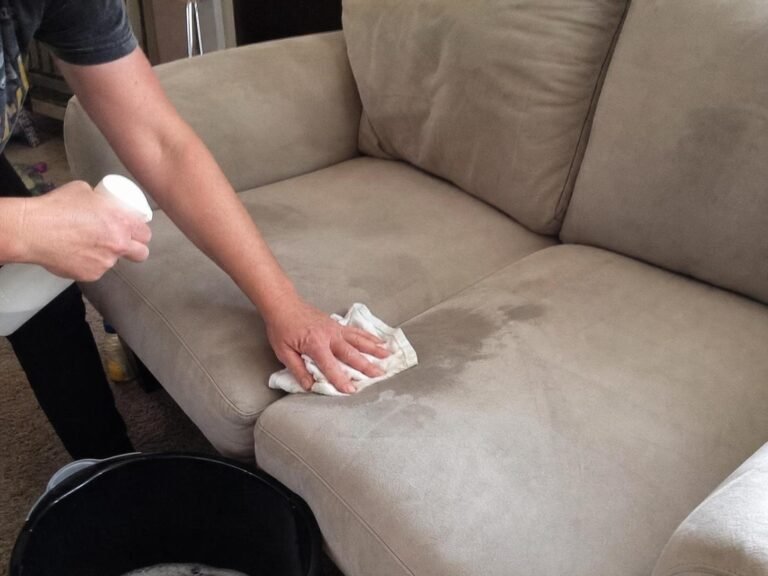
- Wipe compatible surfaces. Following the cleaner label, wipe sealed shelves, washable painted walls, rods, doors, and baseboards with a well-wrung cloth. Use light pressure and avoid flooding corners, seams, screw holes, laminate edges, or joints.
- Remove cleaner residue if needed. If the product label calls for rinsing, make a second pass with a separate barely damp cloth. Residue can leave shelves sticky and attract more dust.
- Dry every surface. Blot remaining moisture with a clean towel, leave the door open, and improve airflow. A fan can move air across a dry, cleaned closet; a dehumidifier can help where indoor humidity remains high.
- Clean the contents separately. Launder washable textiles according to their care labels, use professional cleaning for dry-clean-only items, wipe compatible hard goods, and discard damp cardboard that has softened or retained odor.
- Return only dry, odor-free items. Check shelf corners, carpet edges, shoes, storage bins, and folded fabrics before reloading the closet. Leave some open space so air can circulate.

🧪 Why This Works
A musty odor usually persists because moisture, dusty residue, or an affected stored item remains in the closet. Removing the contents exposes hidden areas, mild cleaning lifts surface residue without unnecessarily soaking the structure, and complete drying prevents damp materials from continuing to release odor.
Adjust the Method for the Surface
Closets often contain several materials that tolerate moisture differently. Use the gentlest method that removes the residue, and follow the finish or furniture manufacturer’s instructions where available.
| Material | Recommended approach | Main limitation |
|---|---|---|
| Washable painted walls | Spot-test, then wipe with a well-wrung cloth and mild detergent. | Flat or aging paint may mark, soften, or transfer to the cloth. |
| Sealed wood | Use a cleaner labeled for the wood finish, applied sparingly to a cloth. | Water can enter scratches, joints, and worn areas. |
| Unfinished wood | Begin with dry dust removal and ventilation; consult the manufacturer before damp cleaning. | Liquid may raise the grain, create staining, or penetrate deeply. |
| Laminate or composite shelving | Wipe the intact surface with minimal moisture and dry immediately. | Exposed edges and screw holes can swell if water enters. |
| Drywall or wallpaper | Use minimal moisture only if the finish is washable and undamaged. | Soft, stained, peeling, or crumbling material may require repair or replacement. |
| Metal rods and hardware | Wipe with mild detergent, remove residue, and dry promptly. | Persistent moisture may affect the finish or encourage corrosion. |
| Carpet | Vacuum dry debris and investigate damp padding or flooring underneath. | Saturating the carpet can trap moisture below the visible surface. |
Deal With Musty Items Before They Go Back
If the empty closet smells normal but the odor returns after reloading it, one or more stored items are probably responsible. Add belongings back in small groups rather than returning everything at once.
Pay particular attention to luggage, leather or fabric shoes, winter coats, fabric bins, and boxes stored against an exterior wall. If a suitcase has visible spotting or a persistent odor, use a material-appropriate method for cleaning mold and musty odor from luggage before putting it back.
Washable clothing should be cleaned according to its care label and dried completely. Don’t place damp laundry, recently worn shoes, or partially dried outerwear in a closed closet. Dry-clean-only, vintage, leather, and structured items may need specialist care rather than household washing.
If the Smell Comes Back
A returning odor usually means the source was missed, the closet wasn’t fully dry, or an affected item was returned too soon. Don’t keep adding fragrance; use the timing and location of the odor to narrow down the cause.
The closet smells worse after wiping
The surfaces may still be damp, or cleaner residue may remain. Increase ventilation and allow more drying time. If the finish permits, remove residue with a separate barely damp cloth and dry it immediately.
The odor is strongest near the floor
Check carpet padding, baseboards, flooring seams, shoes, and boxes stored directly on the floor. Damp padding, warped flooring, or soft baseboards may require removal or repair rather than repeated surface wiping.
The smell is strongest on one wall
Look for plumbing on the other side, an exterior wall prone to condensation, roof staining above, or furniture blocking airflow. A recurring smell from inside a wall should be investigated rather than covered with paint or deodorizer.
Shelves feel sticky or look streaked
Too much product or an unsuitable cleaner may be the cause. Stop applying cleaner. Follow the product label for residue removal, and test clean water on a hidden area before wiping again.
The odor returns only after the door stays closed
Improve airflow and reduce how tightly the closet is packed. If the smell returns even while the empty closet is dry and ventilated, inspect for hidden damp materials or building-related moisture.
Musty-Closet Cleaning Mistakes to Avoid
- Masking the odor with fragrance: Scented sprays don’t remove damp cardboard, residue, or a leak. They can also make it harder to locate the original smell.
- Soaking shelves or walls: Excess liquid can enter drywall paper, laminate seams, unfinished wood, carpet padding, and composite shelving.
- Painting before correcting moisture: Fresh paint may temporarily hide staining or odor, but it doesn’t repair a leak or damaged wall material.
- Returning contents too soon: A shelf may feel dry on top while corners, carpet edges, or wall seams remain damp.
- Using several cleaners in succession: Combining or layering products can damage finishes and create avoidable chemical hazards. Use one appropriate product and follow its label.
- Keeping damaged cardboard: Soft, damp, or persistently musty boxes are inexpensive to replace and difficult to clean without adding more moisture.
Keep the Odor From Returning
Prevention depends more on moisture control and airflow than on odor absorbers. A clean closet packed tightly with damp or poorly ventilated belongings can quickly become musty again.
- Let coats, shoes, towels, and laundry dry completely before storage.
- Keep boxes and fabric bins slightly away from walls, especially cold exterior walls.
- Avoid packing shelves and hanging rods so tightly that air can’t move between items.
- Use a dehumidifier where needed, following its manufacturer’s operating and maintenance instructions.
- Inspect plumbing-adjacent closets and ceiling corners periodically for new staining or dampness.
- Use closed plastic storage containers only for items that are already completely dry.
- Clean dust from shelves, baseboards, vents, and the floor before it builds up.
Frequently Asked Questions
Will baking soda remove a musty closet smell?
Baking soda may help with mild residual odor in a dry closet, but it won’t correct damp drywall, affected belongings, leaks, or condensation. Keep loose powder contained so it doesn’t spill into carpet, shelf joints, or stored items.
Should you use vinegar in a musty closet?
Vinegar isn’t the best default choice for unknown closet finishes. Its acidity may affect some paints, metals, stone, unfinished wood, or coatings. A mild detergent labeled for the surface is generally easier to control. Never combine vinegar with bleach or another cleaner.
Can you put clothes back while the closet is still airing out?
Wait until the shelves, walls, floor edges, and stored items are fully dry and no longer smell musty. Drying time varies with humidity, airflow, material thickness, carpet padding, and moisture trapped in seams or corners.
When is a closet not worth cleaning?
Cleaning alone may not be worthwhile when drywall or composite shelving is soft, swollen, crumbling, repeatedly damp, or extensively affected. Replace damaged porous material after the underlying leak or moisture problem has been corrected.
The most reliable way to remove a musty closet odor is to empty the space, correct the moisture source, clean each compatible surface with minimal liquid, and allow complete drying before reloading it. Keep damp belongings and damaged cardboard out, and preserve enough open space for routine airflow.
Everything Mentioned Above
Before you leave, grab the tools you need to get the job done right the first time:
*As an Amazon Associate, TidyFormula earns from qualifying purchases.