
How to Clean a Diffuser: The Ultimate Step-by-Step Guide to Keeping Your Diffuser Running Effectively
The best way to clean a diffuser is to empty any leftover water and oil residue, then run a mixture of water and white vinegar through the reservoir to loosen mineral buildup and oily film before wiping the interior dry with a soft cloth. How often you do this, and how aggressive you can be, depends on whether the diffuser is ultrasonic, uses a fan pad, or is a nebulizing model.
The TidyFormula Quick Decision
Best approach: Wipe out standing water and oil residue, then run a diluted water-and-vinegar solution through the reservoir with a soft cloth or cotton swab to lift mineral scale and oily film from the plate and walls.
Use caution with: Nebulizing diffusers, USB-powered mini diffusers, and any model with exposed electronic components near the water chamber, since these often cannot tolerate submersion or vinegar left to soak against internal seals.
Stop and reassess if: The mist plate looks corroded, discolored, or pitted, the unit no longer produces mist after cleaning, or liquid appears to have reached the base housing where the electronics sit. If water has contacted electrical parts, consult guidance on cleaning cables and power strips safely before powering the unit back on.
What I Use For This Job
Using the right tools saves time and protects your belongings. Here are my exact recommendations:
*As an Amazon Associate, TidyFormula earns from qualifying purchases.
What Causes Buildup Inside a Diffuser
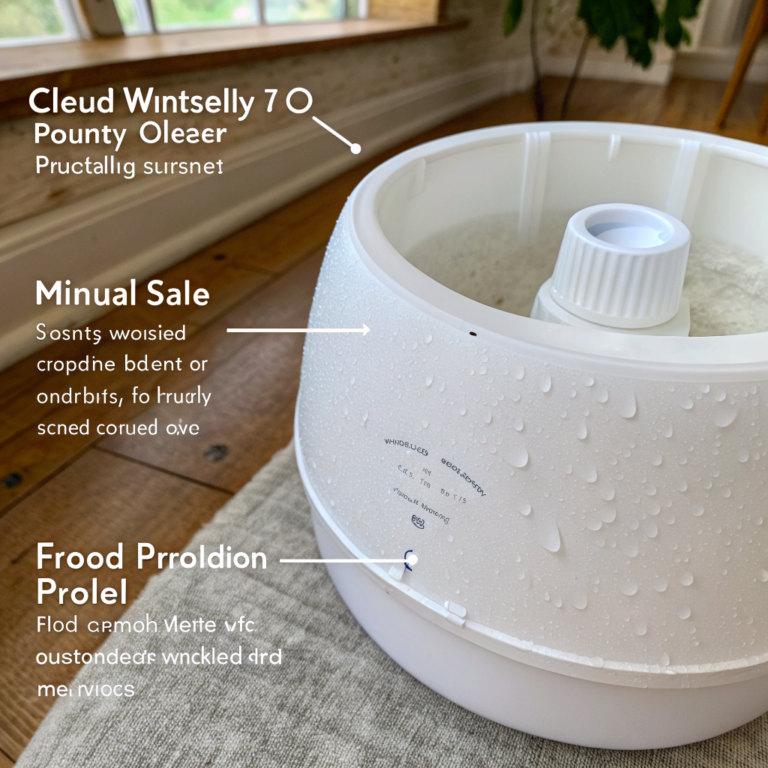
Most residue inside a diffuser comes from two sources working together: mineral content left behind as water evaporates, and essential oil that clings to the plastic or metal surfaces instead of fully dispersing. Over time this combination forms a cloudy film or a chalky ring, usually most visible around the waterline and directly over the ultrasonic plate.
Tap water tends to leave more mineral residue than filtered or distilled water, so the buildup speed can vary quite a bit between households. If your diffuser has started misting weaker or producing a visible film even after refilling with clean water, that buildup is very likely the reason. This behaves much like hard-water deposits in other small spray outlets—see how to clean a shower head with hard water buildup for descaling tips that apply on a smaller scale.
How to Clean a Diffuser Step by Step
Cleaning a diffuser is most effective when done regularly with a mild solution rather than occasionally with something stronger. This approach removes buildup without stressing the plastic housing or the ultrasonic disc.
- Unplug the diffuser and pour out any remaining water and oil into the sink.
- Wipe the reservoir with a dry cloth or cotton swab to remove loose oily residue before adding any liquid.
- Fill the reservoir about halfway with plain water, add a small amount of white vinegar (or follow tested recipes in homemade cleaning solutions that are actually safe if you prefer alternatives), and let it sit briefly rather than for an extended soak.
- Swirl gently or run the diffuser for a short mist cycle if the manufacturer instructions allow it, since the vibration can help loosen film from the plate.
- Empty the solution and wipe the interior with a soft cloth or cotton swab, paying attention to the area directly over the ultrasonic disc.
- Rinse with plain water, empty again, and let the reservoir air dry fully before refilling or storing the unit.
If the plastic is tinted, textured, or has a printed finish, a quick spot check on an inconspicuous area with the vinegar solution is a reasonable precaution before treating the whole interior the same way.
Cleaning the Mist Outlet and Cap
The mist outlet and cap collect oily residue even when the reservoir itself looks clean, since concentrated mist passes directly through that opening. A cotton swab dipped in the same diluted vinegar solution usually reaches into the vents and grooves better than a cloth.
Let these parts air dry completely before reassembling the diffuser. Trapped moisture inside the cap or outlet can affect how the mist disperses and may encourage further residue buildup if left damp. If your diffuser has decorative coatings or unusual plastics, check surfaces you should never clean with vinegar before using an acidic solution on those parts.
Cleaning a Fan-Style or Nebulizing Diffuser
Fan-style and nebulizing diffusers work differently from ultrasonic models and often cannot handle the same water-based cleaning approach. Many nebulizing diffusers use glass tubing that oil residue can cling to, and that tubing typically needs a gentle wipe with a cotton swab dampened in rubbing alcohol rather than vinegar, following whatever the manufacturer instructions specify. For stubborn mineral crust in narrow glass tubes, the same descaling caution used for small appliances applies—see how to clean an electric kettle with limescale for an appliance-focused perspective on scale removal.
If your diffuser also relies on a small internal fan to circulate air rather than ultrasonic vibration, buildup on the fan blades themselves is a separate issue from the reservoir. A general guide to cleaning a fan without taking it apart can be useful if dust rather than oil residue is the main concern on that component.
What to Avoid When Cleaning a Diffuser
A few habits cause more damage to diffusers than the residue itself ever would.
- Do not submerge the base or plug end in water, since that area houses the electronics and is not designed to get wet.
- Do not use undiluted vinegar or other acidic cleaners left to sit for long periods, since prolonged contact can affect certain plastics and coatings over time. For guidance on materials that react poorly to vinegar, see surfaces you should never clean with vinegar.
- Do not use abrasive scrub pads or stiff brushes on the ultrasonic plate, since scratching that surface can affect how the mist forms.
- Do not mix vinegar with bleach or other household cleaning agents. Cleaning agents that should not be combined must not be combined, and this applies inside a diffuser reservoir as much as anywhere else in the home.
- Do not reassemble or refill the diffuser while parts are still damp, since trapped moisture can encourage further residue and may affect the internal components.
TidyFormula Tip
Using distilled or filtered water instead of tap water in your diffuser can noticeably slow down mineral buildup between cleanings.
How Often to Clean a Diffuser
A light wipe-down after emptying the reservoir between uses helps prevent oil residue from settling in, while a full vinegar-based cleaning every one to two weeks is a reasonable baseline for most ultrasonic models used regularly. Diffusers used daily or with thicker, more viscous oils may need attention more often, since some oils leave heavier residue than others.
Frequently Asked Questions
Can I use rubbing alcohol instead of vinegar to clean a diffuser?
Rubbing alcohol can help dissolve oily residue and is often recommended for nebulizing diffuser tubing, but check your manufacturer instructions first, since some ultrasonic plates and plastics react differently to alcohol than to a diluted vinegar solution.
Why does my diffuser still smell like old oil after cleaning?
Lingering oil scent usually means residue is still trapped in the mist outlet, cap, or grooves rather than the main reservoir. Cleaning those smaller parts separately with a cotton swab often resolves the smell when the reservoir alone does not.
Is it safe to run vinegar through the diffuser while it’s misting?
Running a brief mist cycle with diluted vinegar is a common approach for loosening buildup, but only do this if the manufacturer instructions do not specifically warn against it, since some models are not designed to mist anything other than water and oil.
What should I do if the diffuser stops misting after cleaning?
Check that all parts are completely dry and reassembled correctly, since trapped moisture or a loose cap can prevent misting. If the unit still will not mist after that, the ultrasonic plate itself may need professional evaluation or replacement.
Can hard water damage my diffuser over time?
Hard water can accelerate mineral buildup on the ultrasonic plate, which may reduce mist output if left uncleaned for long stretches. Switching to distilled or filtered water and cleaning on a regular schedule usually helps manage this.
Everything Mentioned Above
Before you leave, grab the tools you need to get the job done right the first time:
*As an Amazon Associate, TidyFormula earns from qualifying purchases.