How to Wash Bed Sheets: A Practical Guide
Wash bed sheets in warm or hot water on a regular or normal cycle using a standard laundry detergent, then dry them completely before putting them back on the bed. The right temperature and cycle depend on the fabric, but most cotton and cotton-blend sheets tolerate warmer water better than delicate or specialty fabrics.
The TidyFormula Quick Decision
Best approach: Wash sheets in warm water on a regular cycle with a standard detergent, then tumble dry on medium heat or line dry until fully dry.
Use caution with: Silk, delicate linen, sheets with elastic corners, and any sheets with a care label specifying cold water or a gentle cycle.
Stop and reassess if: Fabric feels thinner, colors bleed or fade noticeably, seams pull apart, or the care label instructions contradict the method you are using.
What I Use For This Job
Using the right tools saves time and protects your belongings. Here are my exact recommendations:
*As an Amazon Associate, TidyFormula earns from qualifying purchases.
How to Wash Bed Sheets Correctly
The most reliable way to wash bed sheets is to sort them by color and fabric, use an appropriate water temperature, and avoid overloading the washing machine. Overloading is one of the most common reasons sheets come out still smelling or looking dingy, because there isn’t enough room for water and detergent to circulate. For help removing detergent residue from fabrics, see How to Remove Detergent Buildup from Clothes.
- Check the care label for fabric type and recommended washing instructions.
- Separate light and dark sheets if colors are new or prone to bleeding.
- Shake sheets out before loading to remove loose debris.
- Add a normal amount of detergent based on the product label and load size.
- Select warm water and a regular cycle for most cotton or cotton-blend sheets, or follow the care label for other fabrics.
- Run the machine and avoid packing the drum too tightly so sheets can move freely.
What Water Temperature Is Best for Bed Sheets
Warm water is usually a reasonable middle ground for everyday sheets, since it helps loosen body oils and everyday soil without being as harsh as hot water on fabric and elastic. Hot water can help with heavily soiled sheets or during illness recovery, but it can also shrink certain fabrics or fade colors over time, so check the care label first.
Cold water is gentler on color and fiber but may leave oily residue behind if sheets are heavily soiled. If sheets are only lightly used, cold or warm water with a normal detergent amount is often enough.
Washing Sheets by Fabric Type
Fabric affects both water temperature and cycle choice, so it helps to know what you’re working with before starting a load.
| Fabric | Suggested Approach | What to Watch For |
|---|---|---|
| Cotton or cotton blend | Warm water, regular cycle | Shrinkage on first few washes |
| Linen | Cool to warm water, gentle cycle | Fabric can weaken if agitated too aggressively |
| Microfiber | Cool to warm water, gentle cycle | Avoid high heat, which can affect the fibers |
| Silk or silk blend | Cold water, delicate cycle or hand wash | Can be damaged by standard detergent or high heat |
| Flannel | Warm water, regular cycle | Pilling with repeated washing |
For duvet inserts and similar bulky bedding, follow the care instructions to avoid clumping and preserve fill—see our guide on how to clean a duvet insert without clumping.
Drying Bed Sheets Without Damage
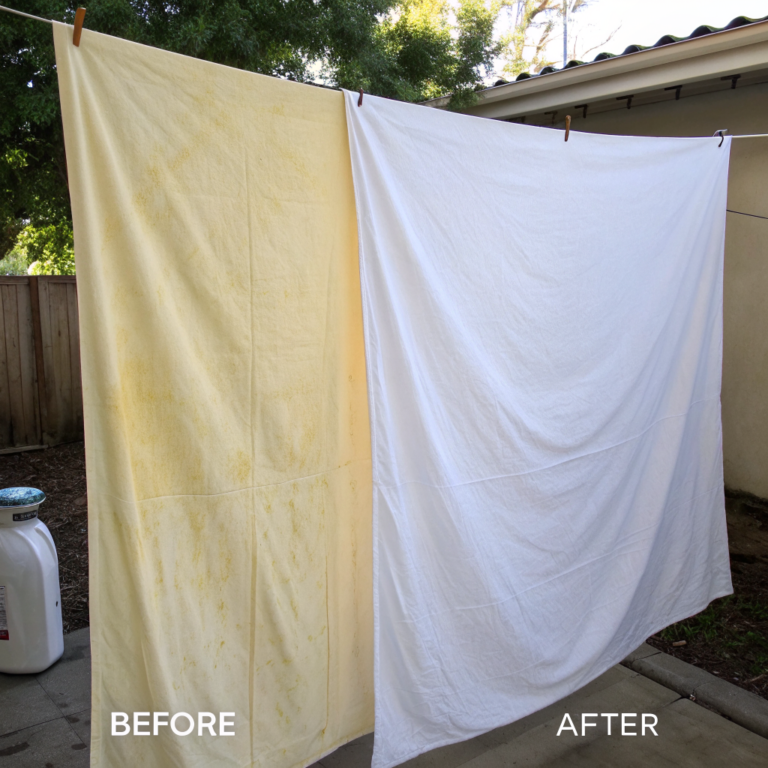
Dry sheets fully before storing or making the bed, since damp fabric can develop odor or mildew-related issues. Medium heat is usually a safer choice than high heat for most sheet fabrics, since high heat can weaken fibers and cause premature wear over repeated cycles.
Line drying is a gentler option and can help preserve fabric longer, though it takes more time and space. If you use a dryer, removing sheets promptly once the cycle ends can reduce wrinkling and the need for ironing. For electric bedding or heated products, follow the manufacturer’s instructions—learn how to clean an electric blanket safely rather than treating it like ordinary sheets.
TidyFormula Tip
Washing two sets of sheets on a rotation makes it easier to keep one set clean while the other is in use, especially during busier weeks.
How Often Should You Wash Bed Sheets
Most households benefit from washing sheets roughly once a week, though this can shift depending on allergies, pets sleeping on the bed, sweating, or illness. If someone in the home has been sick or sheets are visibly soiled, washing sooner is a reasonable adjustment rather than waiting for the usual schedule. Pillows and pillowcases may need more frequent attention—if you’re dealing with persistent odors, see how to remove sweat smell from pillows.
What to Avoid When Washing Bed Sheets
A few habits tend to cause more harm than help when washing sheets.
- Overloading the washer, which prevents sheets from rinsing and cleaning evenly.
- Using excessive detergent, which can leave residue that traps odor rather than removing it.
- Mixing sheets with items that have zippers, hooks, or heavy hardware that can snag fabric.
- Using high heat on delicate fabrics like silk or certain synthetic blends.
- Storing sheets while still slightly damp, which can lead to a musty smell.
If sheets come out of the wash with a lingering odor, it often points to residue buildup or a load that was too large rather than a failed wash cycle. For a closer look at this issue, see How to Get Sour Smell out of Laundry after Washing. If odors persist, check your machine—cleaning the washing machine filter often fixes trapped hair and buildup.
Keeping Sheets Fresh Between Washes
Airing out the bed each morning by pulling covers back can help sheets stay fresher longer between washes. Pairing a regular sheet-washing routine with a broader cleaning schedule, such as a household cleaning checklist, can make it easier to stay consistent without overthinking timing. Treat pillowcases promptly after heavy sweating to avoid yellow sweat stains on pillowcases.
Frequently Asked Questions
Can you wash bed sheets with towels?
Washing sheets with towels is generally not recommended, since towels can shed lint onto sheets and the combined load may become too heavy for even cleaning. Washing sheets on their own or with similar lightweight items usually gives better results.
Should you use fabric softener on bed sheets?
Fabric softener can make some sheets feel softer, but it may reduce absorbency on certain fabrics like microfiber or leave residue that affects breathability over time. Check the care label and use it sparingly if at all.
Why do sheets still smell after washing?
Lingering odor after washing is often caused by an overloaded machine, too much detergent, or sheets sitting damp before or after the cycle. Rewashing with a smaller load and less detergent can often resolve the issue.
Is it safe to wash colored and white sheets together?
This depends on how new the colored sheets are and whether they are prone to bleeding. If colors are new or unknown, washing whites and colors separately for the first several washes is a safer approach.
What should you do if sheets shrink after washing?
Shrinkage is often related to high heat during washing or drying rather than the fabric itself. Switching to a cooler wash and lower dryer heat for future loads can help prevent further shrinkage, though sheets that have already shrunk may not stretch back to their original size.
Everything Mentioned Above
Before you leave, grab the tools you need to get the job done right the first time:
*As an Amazon Associate, TidyFormula earns from qualifying purchases.