How to Clean Couch Pillows: A Simple Guide to Washing and Care
Most couch pillows can be washed safely once you separate the cover from the insert and match your method to what’s actually inside the pillow. Removable covers usually tolerate a gentle machine cycle, while foam, feather, and fiber inserts each need a different approach to avoid clumping, mildew, or shape loss. The right method depends on the fill type and what the care tag allows.
The TidyFormula Quick Decision
Best approach: Remove the cover and wash it on a gentle cycle with cold or warm water, then hand wash or spot clean the insert based on its fill type before air drying everything fully.
Use caution with: Foam inserts, feather-filled pillows, and covers with trims, zippers, or delicate fabrics like velvet or silk blends that can distort or fray in a washing machine.
Stop and reassess if: The insert stays heavy or damp after a full drying attempt, you notice a musty smell, or the fabric bleeds color or shows visible damage during a spot test.
Check the Care Label Before You Start
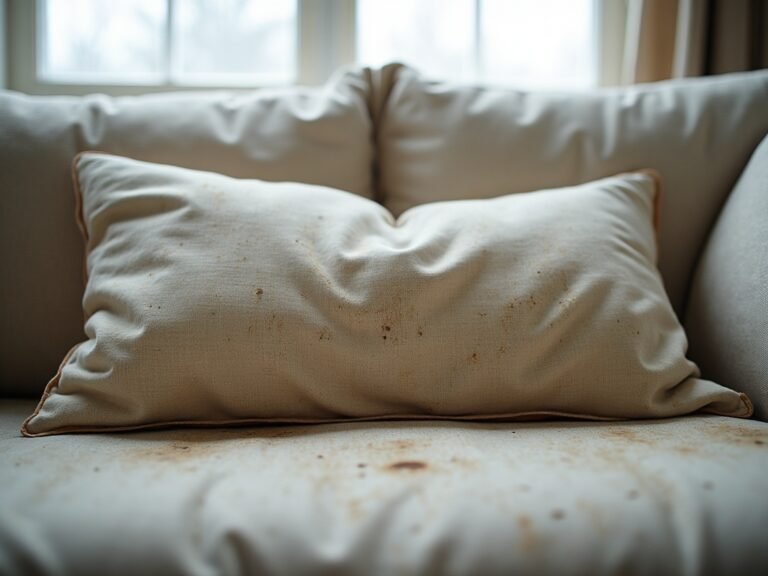
The care tag on the cover and, when present, the insert tells you whether machine washing is safe or whether the manufacturer recommends spot cleaning only. Some decorative covers are labeled dry clean only because of trims, beading, or delicate weaves, and ignoring that label can shrink or warp the fabric.
What I Use For This Job
Using the right tools saves time and protects your belongings. Here are my exact recommendations:
*As an Amazon Associate, TidyFormula earns from qualifying purchases.
If there’s no tag, treat the pillow cautiously. Test an inconspicuous area, like the underside near a seam, with a damp cloth and a small amount of mild detergent to see if the color holds before committing to a full wash. For additional guidance on testing and spot-cleaning upholstery fabrics, see How to Clean a Fabric Office Chair for step-by-step precautions and test methods.
How to Wash Couch Pillows With Removable Covers
Removable covers are the easiest part of a couch pillow to wash, and in most cases a gentle machine cycle works well if the care label allows it.
- Unzip or unbutton the cover and set the insert aside.
- Turn the cover inside out to protect the outer fabric and any printed design.
- Wash on a gentle or delicate cycle using a mild detergent, matching water temperature to the care label.
- Skip the dryer if the fabric is delicate, or use a low-heat setting if the label allows it.
Zippers, buttons, and decorative trims can catch on other laundry, so washing covers alone or inside a mesh laundry bag helps them hold their shape.
How to Wash Couch Pillow Inserts
The right method for the insert depends entirely on what’s inside it, since foam, polyester fiber, and feather or down each respond differently to water and agitation.
Foam Inserts
Foam inserts generally should not go through a washing machine, since agitation can tear or compress the foam permanently. Instead, spot clean the surface with a cloth dampened in mild soapy water, then blot with a clean, damp cloth to lift the soap. Let the foam air dry completely before putting the cover back on, since trapped moisture inside foam can lead to a musty smell. For related cautions and step-by-step foam cleaning tips, review our guide on How to Clean Foam Play Mats Safely, which highlights similar risks of soaking and the need for thorough drying.
Polyester Fiber Inserts
Polyester fiberfill inserts often tolerate a gentle machine wash better than foam, as long as the insert isn’t oversized for your machine. Use a gentle cycle and mild detergent, then run an extra rinse if the insert feels soapy afterward. Reshape the insert by hand while it’s still damp so the filling doesn’t settle unevenly.
Feather and Down Inserts
Feather and down inserts are more sensitive to water damage than synthetic fill, since clumped feathers can take a long time to dry through and may develop odor if they stay damp. Hand washing in a basin with mild detergent, followed by a thorough rinse and gentle press to remove excess water, is usually safer than a full machine cycle for these inserts.
Machine Washing vs Hand Washing
Machine washing saves time and works well for sturdy covers and many polyester inserts, but hand washing gives you more control over delicate fabrics, feather fill, and pillows with structural details like piping or tufting.
| Pillow Part | Machine Wash | Hand Wash |
|---|---|---|
| Removable cover (sturdy fabric) | Usually safe on gentle cycle | Good alternative for delicate trims |
| Foam insert | Not recommended | Spot clean only, no full soaking |
| Polyester fiber insert | Often safe on gentle cycle | Works well if machine size is a concern |
| Feather or down insert | Higher risk of clumping | Generally the safer choice |
TidyFormula Tip
Press a clean towel against a damp insert before air drying to pull out extra moisture and shorten the overall drying time.
Drying Couch Pillows Without Damage
Full drying matters more for couch pillows than most laundry items, since trapped moisture inside foam, fiber, or feather fill can lead to odor or mildew if it isn’t fully resolved. Air drying flat, with occasional fluffing or turning, usually gives the most even result.
If the care label allows low-heat tumble drying, adding a couple of dry towels can help reduce clumping in fiber or down inserts. Always check that the insert feels completely dry all the way through, not just dry on the surface, before covering it again. For extra tips on sun-drying and airflow—especially useful when you can lay cushions outdoors—see How to Clean Outdoor Furniture Cushions.
What to Avoid
- Avoid soaking foam inserts, since they can absorb water and take an extended time to dry, increasing the risk of a musty smell.
- Avoid high heat on delicate covers or trims, which can shrink fabric or melt decorative elements.
- Avoid combining cleaning products, such as mixing bleach with other household cleaners, since certain combinations are unsafe regardless of how effective they seem individually.
- Avoid putting a damp insert back into its cover, which can trap moisture and lead to lingering odor.
If a couch pillow insert has lost its shape significantly after washing, or if odor persists even after a full dry-out, replacing the insert is often more practical than repeated cleaning attempts. For focused strategies to remove lingering smells from cushions, our guide How to Remove Odors from Couch Cushions walks through targeted odor treatments and prevention.
For pillows with memory foam inserts specifically, the risks are similar to those covered in Can You Put a Memory Foam Pillow in the Washing Machine? (The Hard Truth), which goes deeper into why foam and washing machines don’t mix well.
If you’re weighing whether hand washing is worth the extra effort for a foam-filled cushion, Can You Wash Memory Foam Pillow? (The Risk vs. Reward Guide) outlines the tradeoffs in more detail.
Frequently Asked Questions
Can you wash couch pillows with attached, non-removable covers?
Yes, but spot cleaning or hand washing is usually safer than full machine washing when the cover can’t be separated from the insert, since the whole pillow gets wet at once. Focus on treating visible spots first, then air dry thoroughly before use.
How often should couch pillows be washed?
Covers benefit from washing every few weeks to a couple of months depending on use, while inserts need cleaning far less often unless there’s a spill, odor, or visible soiling. Regular vacuuming or brushing between washes helps reduce how often a full wash is needed.
What if the couch pillow still smells after washing?
Lingering odor usually means moisture is still trapped inside the insert. Let it dry longer in a well-ventilated area, and if the smell persists after the insert is fully dry, consider whether the insert has reached the end of its usable life. For sweat-specific odors and step-by-step deodorizing methods, see How to Remove Sweat Smell from Pillows, which covers treatments that work on fabric and fill residues.
Can couch pillow inserts be dry cleaned instead?
Some foam and feather inserts may tolerate professional cleaning better than home washing, especially for pillows with structural shaping. Check with the cleaner about fill type before dropping off the item, since not all cleaners handle every fill material the same way.
Is it safe to spray a fabric refresher on couch pillow covers instead of washing them?
Fabric refreshers can help with light odor between washes, but they don’t remove soil, stains, or buildup the way an actual wash does. For visible dirt or spills, cleaning the cover directly gives a more reliable result than a spray alone.
Everything Mentioned Above
Before you leave, grab the tools you need to get the job done right the first time:
*As an Amazon Associate, TidyFormula earns from qualifying purchases.