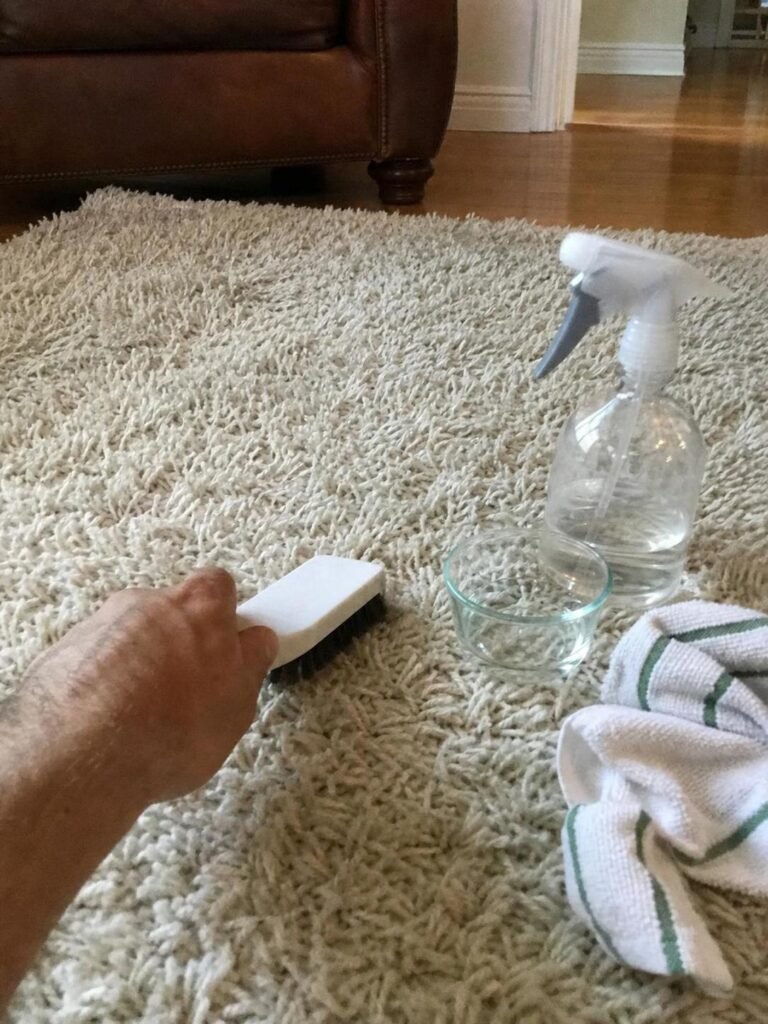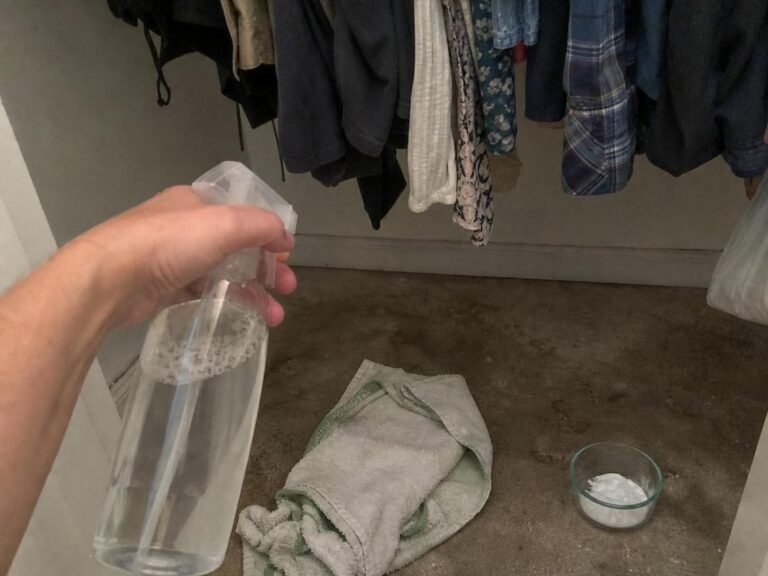
How to Remove Odors from Couch Cushions
To remove odors from couch cushions without damage, start dry: vacuum thoroughly, apply baking soda to odor-freeable fabric, then use the least-moisture cleaner allowed by the cushion’s care label for any remaining source odor. The main risk is soaking foam, batting, seams, or non-washable upholstery, which can trap moisture and make the odor harder to resolve.
Cooking smells, pets, body oils, spills, and damp cushions can all leave different odors behind. A surface deodorizing step may help with light, general odors, but a localized smell usually needs the original residue cleaned—not simply covered with fragrance.
⚡ The TidyFormula™ Quick Decision
Best approach: Vacuum the cushion, use dry baking soda for general odors, then spot-clean the source with a care-label-compatible upholstery cleaner using minimal moisture.
Use caution with: Loose cushion covers, foam inserts, down-filled cushions, velvet-like fabrics, and cushions marked for dry cleaning or vacuum-only care.
Replace instead of cleaning if: The cushion has heavily contaminated or deteriorating foam, remains strongly odorous after it is fully dry, or cannot be cleaned and dried through its interior.
What I Use For This Job
Using the right tools saves time and protects your belongings. Here are my exact recommendations:
*As an Amazon Associate, TidyFormula earns from qualifying purchases.
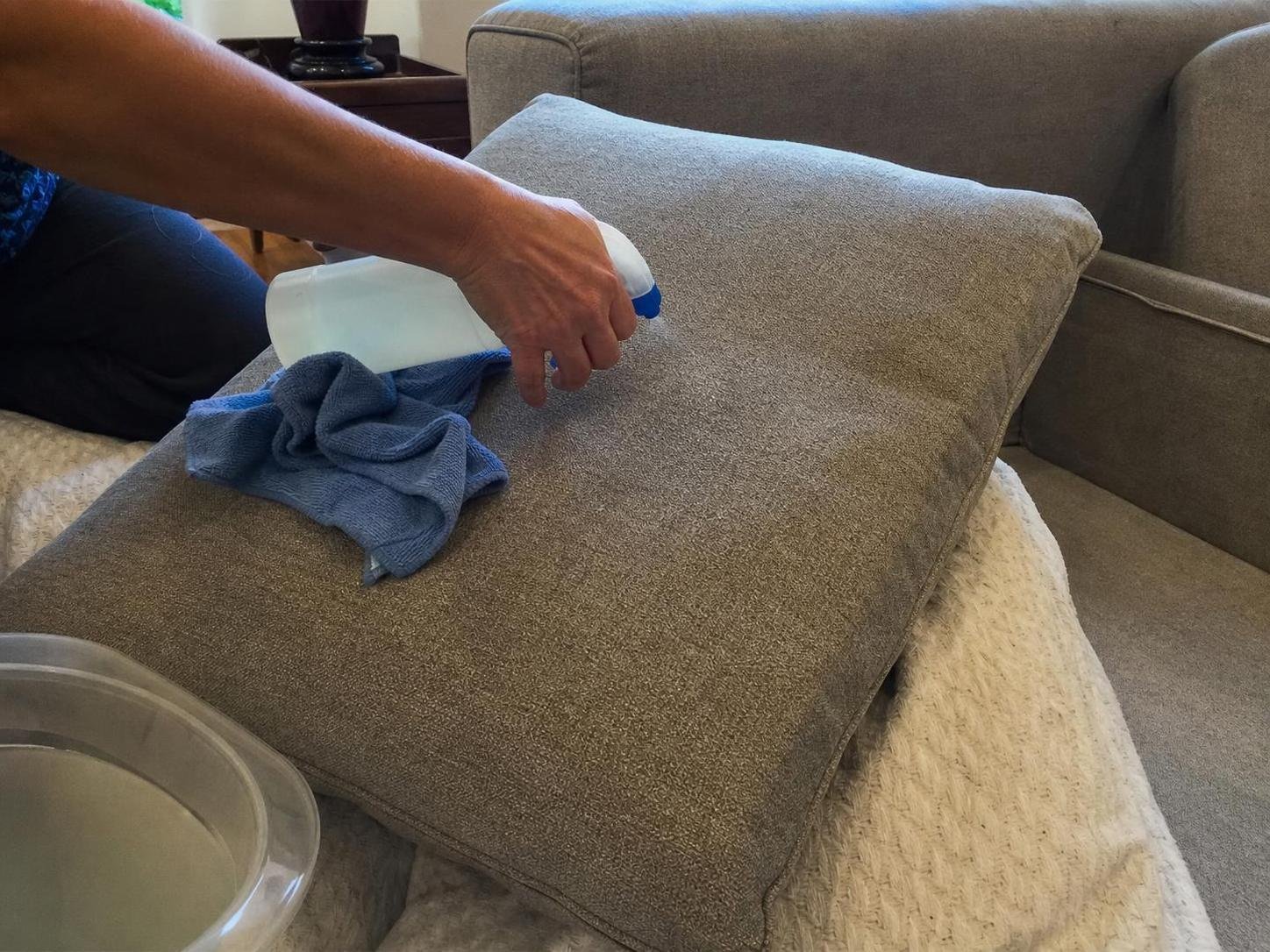
Check the cushion before you clean it
Look for a care tag on the cushion, under the sofa, or inside a removable cover before using any liquid cleaner. The cover and the cushion insert may have different care requirements, so treat them as separate parts.
- Removable, machine-washable cover: Follow the sewn-in washing instructions. Wash the cover only if the label allows it, and do not assume the foam insert is washable.
- W or WS upholstery code, if present: A water-based upholstery cleaner may be suitable, but test it first in a hidden area.
- S upholstery code, if present: Avoid water-based cleaning unless the manufacturer says otherwise. Use only a product intended for that fabric and follow its label.
- X upholstery code, if present: Use vacuuming and other dry methods only unless the manufacturer provides a different instruction.
- Foam, feather, down, or fiberfill inserts: Keep liquid treatment shallow. These fillings can hold moisture long after the fabric surface feels dry.
Inspect seams, zippers, loose threads, and worn fabric before cleaning. Stop if the fabric begins to bleed color, feel sticky, shed excessively, or separate from its backing during your hidden-area test.
What you need for a low-moisture odor treatment
- A vacuum with an upholstery attachment
- Baking soda for dry deodorizing
- A clean, dry soft-bristle brush or cloth
- White absorbent cloths or plain paper towels
- A care-label-compatible upholstery cleaner for localized residue
- A fan or access to good indoor airflow for drying
A commercial upholstery cleaner can be a safe cleaner for odors from couch cushions only when it is suitable for your fabric and used according to its current label. If the odor came from urine, vomit, food, or another specific spill, choose a cleaner designed for that type of residue only if the cushion label permits it. Never mix cleaning products or apply several products on top of one another.
Use this method for most washable or water-safe couch cushions
This sequence works best for ordinary fabric cushions with a mild-to-moderate odor. It keeps moisture low while giving you a way to address the original spot if dry deodorizing alone is not enough.
- Remove the cushion and vacuum every side. Vacuum the top, bottom, seams, piping, zipper area, and creases. Dust, pet hair, crumbs, and loose debris can hold odor and prevent powder or cleaner from reaching the fabric evenly.
- Air the cushion out before adding cleaner. Stand it on its edge in a dry, well-ventilated room. If one side smells stronger, leave that side exposed to airflow. Avoid placing it in direct high heat, which can affect some fabrics, foam, adhesives, and finishes.
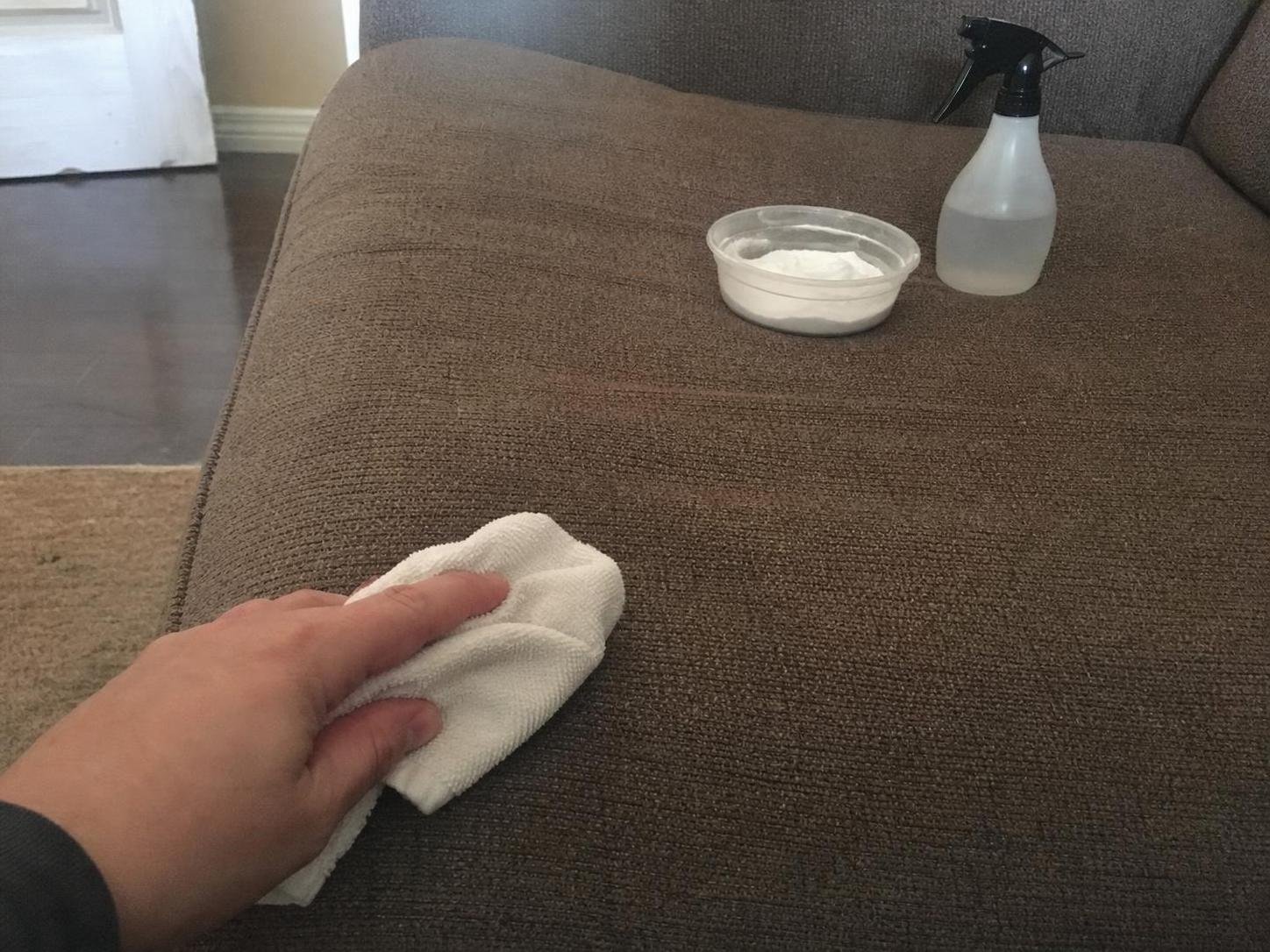
- Apply baking soda to dry upholstery. Sprinkle a light, even layer over the odorous fabric. Gently work it into textured weave or seams with a dry brush or cloth; do not scrub aggressively. Leave it in place until it has had time to sit on the dry fabric, then vacuum it away completely.
- Recheck the odor only after vacuuming. If the general stale odor is gone or noticeably lighter, no wet cleaning may be needed. If the smell remains in one defined area, identify the likely source before treating that spot.
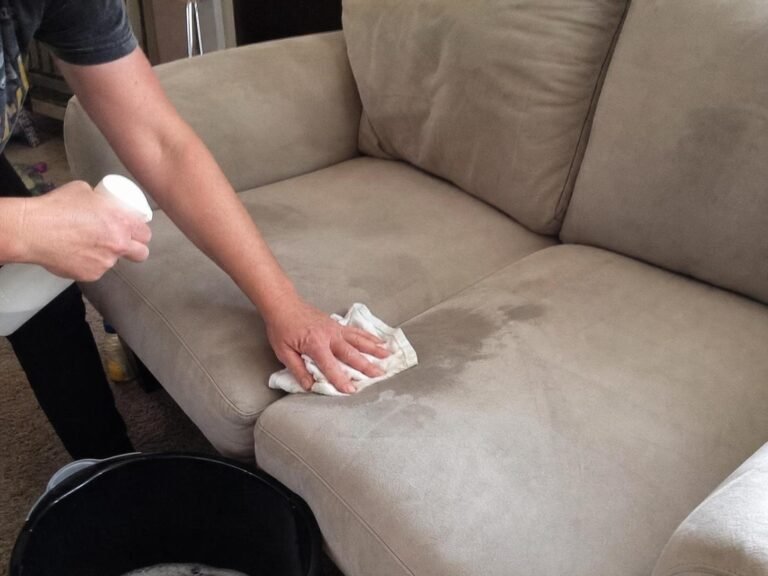
- Spot-clean the source with minimal moisture. Apply the approved cleaner to a cloth rather than flooding the cushion whenever the product directions allow. Blot the affected area from the outside toward the center. Use light pressure and avoid rubbing the fabric hard enough to roughen fibers or spread a stain.
- Remove cleaner residue as directed. If the product label calls for rinsing or blotting with water, use a barely damp cloth and then blot again with dry towels. Residue can leave fabric stiff or attract soil, so do not leave excess cleaner behind.
- Dry the cushion all the way through. Stand it on an edge or prop it so air can reach both sides. Rotate it occasionally and keep the room ventilated. Do not return it to the sofa until the fabric, seams, and interior feel dry and no damp odor remains.
🧪 Why This Works
Vacuuming removes loose odor-holding debris, while baking soda is a low-moisture option for mild, general fabric odors. Spot-cleaning is reserved for the actual residue or spill area, so you avoid wetting the entire cushion and reduce the chance of moisture becoming trapped in the filling.
Match the treatment to the odor source
| Odor situation | Preferred approach | What to avoid |
|---|---|---|
| General stale, dusty, or pet-hair odor | Vacuum, air out, and use baking soda on dry fabric. | Soaking the entire cushion with spray cleaner. |
| Food or drink odor in one spot | Remove loose residue, blot, then use a fabric-compatible spot cleaner. | Rubbing hard or spreading the spill into a larger area. |
| Urine or other body-fluid odor | Clean the affected area promptly with a suitable product allowed by the care label, then dry the cushion thoroughly. | Using fragrance spray as the only treatment or saturating the foam insert. |
| Musty odor after a cushion became damp | Improve airflow, dry the cushion fully, and clean the source area if residue is present. | Covering the cushion or putting it back on the sofa while it is still damp. |
| Dry-clean-only, solvent-only, or unknown fabric | Vacuum and consult the manufacturer or a qualified upholstery cleaner before using liquids. | Trying water, vinegar, steam, or an unverified cleaner on the fabric. |
For cushions affected by a urine accident, the key is to treat the specific area without driving liquid deeper into the filling. The same low-moisture approach used for other absorbent sleeping surfaces can be helpful; see guidance for cleaning dog urine from a mattress for handling an odor source that has reached padded material.
Common odor-removal mistakes to avoid
Using too much spray cleaner
Overwetting is one of the most common reasons a couch cushion develops a lingering damp smell. The cover may look dry while moisture remains in the foam or batting. If you accidentally use too much product, blot firmly with dry towels, stand the cushion on edge, increase airflow, and allow extra drying time before using it again.
Putting baking soda on a damp cushion
Baking soda is best used on dry fabric. On a damp surface, it can clump, become difficult to vacuum out, and leave powder in seams or textured upholstery. Let the cushion dry first, vacuum loose debris, then apply a light dry layer.
Masking the smell with fragrance
Fabric sprays may temporarily change the scent, but they do not remove spilled food, pet residue, body oils, or trapped moisture. If the odor returns after the fragrance fades, go back to the likely source area and clean it with a compatible method.
Using vinegar, alcohol, steam, or homemade mixtures without checking the fabric
These methods are not universally safe for upholstery. They may affect dyes, backing, adhesives, finishes, or delicate pile fabrics. Choose another method if the care label does not clearly permit the product or moisture level you plan to use.
Skipping the final dry check
A cushion should not feel cool, damp, heavy, or smell musty before it goes back on the sofa. Check the seams and the side that faced the spill, since those areas can hold moisture longer than the center of the fabric panel.
What to do if the odor comes back
If the odor returns after the cushion has fully dried, the first treatment likely addressed only the surface or did not reach the original residue. Repeat the process only after checking that the fabric tolerated the first attempt without fading, stiffness, or water marks.
- Vacuum again, including zipper edges and seams where powder or debris may remain.
- Look for a forgotten source beneath the cushion, on the sofa deck, or on the cushion’s underside.
- Clean only the affected area with a product that matches the care label and odor source.
- Use less liquid on the second attempt, not more, if the cushion has foam or thick filling.
- Allow more ventilation time before deciding whether the odor remains.
If the cushion cover is removable and washable, laundering it according to its label may help with surface odors. Clean the insert separately and make sure both parts are fully dry before reassembling them. For a wider upholstery refresh without a machine, this low-moisture couch-cleaning method can help you address the surrounding sofa fabric as well.
Keep couch cushions from getting smelly again
Regular light maintenance is usually easier on upholstery than repeated deep cleaning. Vacuum cushions and the sofa base periodically, rotate removable cushions when the sofa design allows it, and address spills before they dry into the fabric or filling.
- Keep damp clothing, towels, and pet bedding off upholstered cushions.
- Use washable throws where pets or children regularly sit.
- Open windows or use indoor airflow when cushions have been exposed to humidity or a spill.
- Do not store cushions in plastic or a closed space unless they are completely dry.
- Check under removable cushions for crumbs, pet hair, and dampness during routine vacuuming.
The best way to remove odors from couch cushions is to start dry, clean the actual source only where needed, and avoid saturating the filling. Test any cleaner first, follow the cushion’s care instructions, and give the cushion as much drying time and airflow as it needs before putting it back in place.
Everything Mentioned Above
Before you leave, grab the tools you need to get the job done right the first time:
*As an Amazon Associate, TidyFormula earns from qualifying purchases.