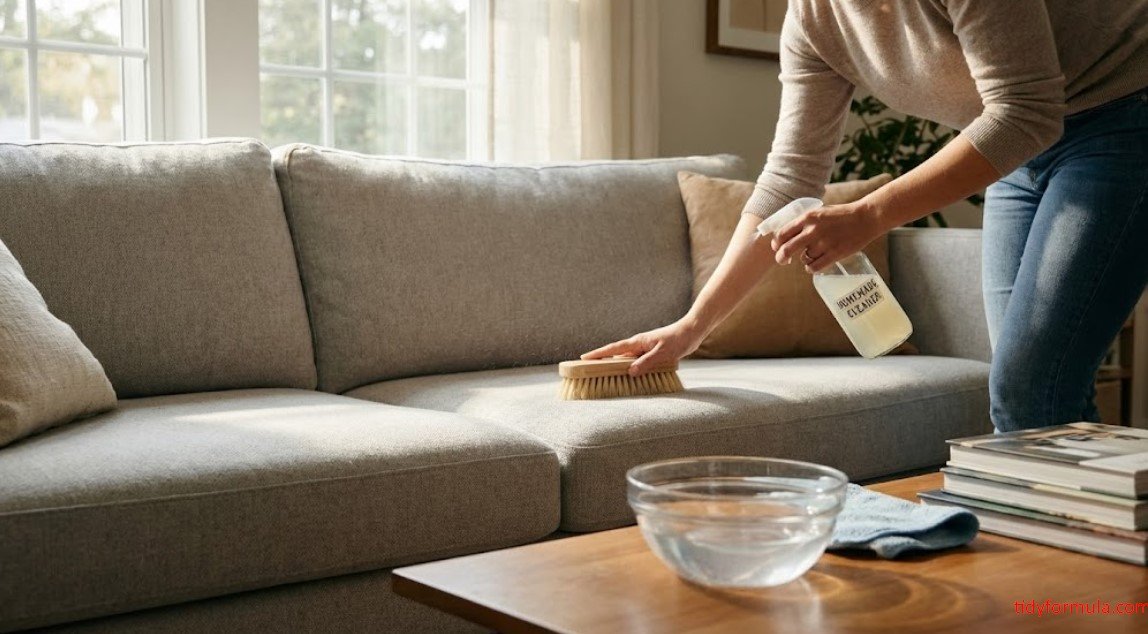
How to Clean a Couch Without a Machine (The Pot Lid Hack)
So, I reached a breaking point this morning when I realized my couch was more ‘pet hair and mystery stains’ than actual furniture.
My arms feel like absolute noodles after figuring out how to clean a couch without a machine, but at least it doesn’t smell like a wet dog anymore.
I refused to spend $200 on a bulky steamer, so I grabbed a pot lid and got to work. It’s 90% better—not showroom new, but clean enough that I don’t feel gross sitting on it.
⚡ The TidyFormula™ Quick Answer
The Verdict: Use the “Pot Lid” friction method to lift surface dirt and body oils without soaking the deep foam of the cushions.
- The Mix: 2 cups warm water + 1 tablespoon clear dish soap.
- Time: 20-30 minutes.
- Effectiveness: 8/10 (Excellent for surface stains, oils, and odors).
How to Clean Upholstery Without a Machine
The biggest lie the cleaning industry tells you is that you absolutely need “steam” to lift dirt. But steam is just hot water vapor. You can get the same results with basic chemistry and a little bit of elbow grease. And since I’m a frugal minimalist at heart, I’m using the stuff I already have under my sink. No fancy machines required.
What I Use For This Job
Using the right tools saves time and protects your belongings. Here are my exact recommendations:
*As an Amazon Associate, TidyFormula earns from qualifying purchases.
What You’ll Need:
- A Vacuum: You have to get the crumbs out first. (I found three quarters and a petrified french fry in mine—gross, I know).
- Clear Dish Soap: Don’t use the blue or green stuff unless you want a weirdly tinted couch.
- A Microfiber Cloth: It’s basically a magnet for dirt.
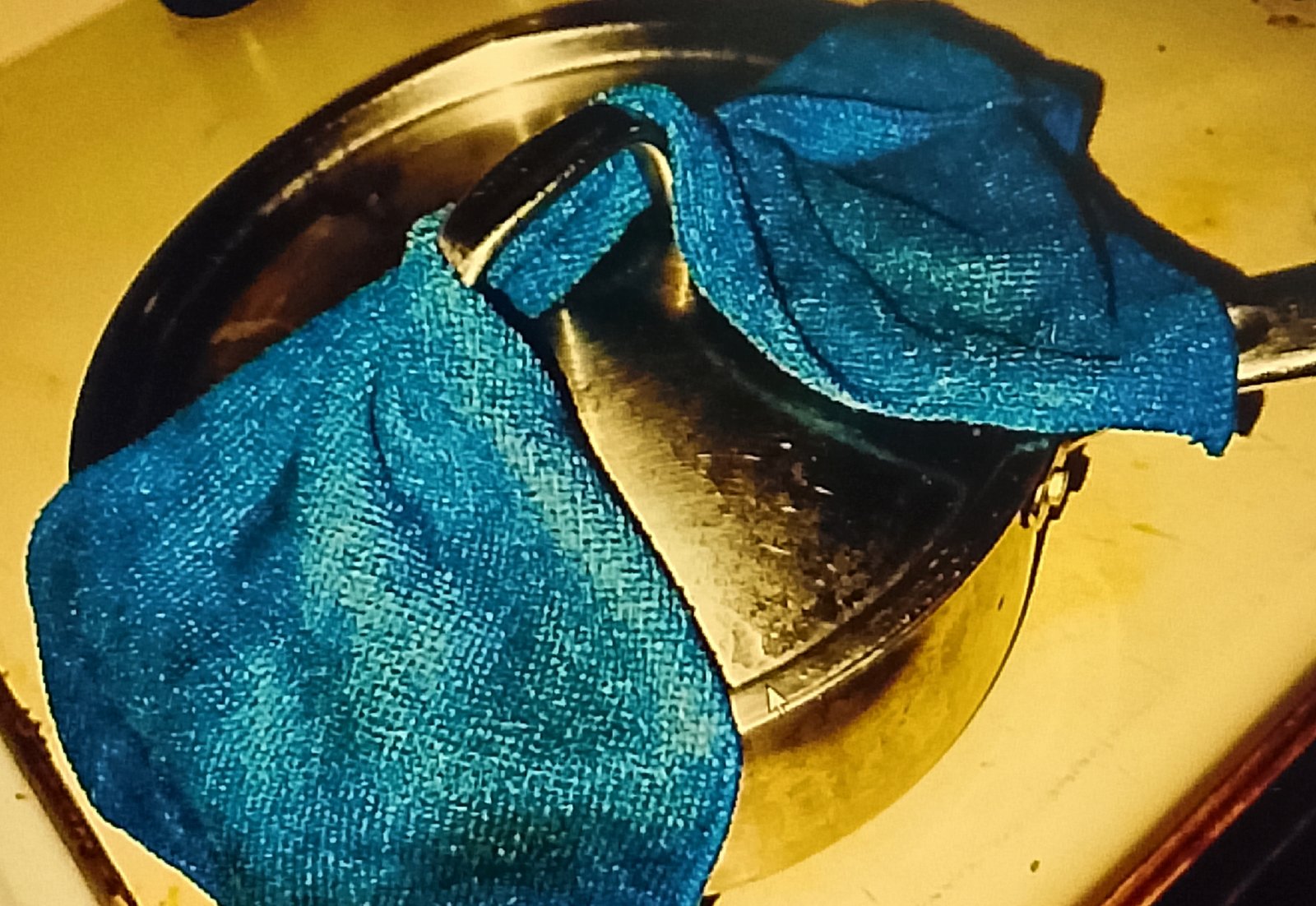
- A Large Pot Lid: This is your “machine.”
🧪 The Science: Why It Works
Dish soap contains surfactants. Think of them as tiny “hands.” One side of the molecule grabs the oil and dirt on your couch, and the other side grabs the water in your cloth. When you use the pot lid to create even pressure and friction, you’re physically pulling the dirt off the fibers and onto the cloth. It’s like exfoliating your sofa.
Step-by-Step: The “Pot Lid” Method
So, here is exactly how I did it while drinking my first cup of coffee. It’s simple, but you have to follow the order or you’ll just make a mess.
1. The Dry Run
Vacuum every single crevice. If you skip this, you’re just turning dust into mud once you add water. And trust me, mud is way harder to get out of upholstery.
2. The Mix & Wrap
Drop the soap into the warm water. But don’t shake it like a cocktail; you want soapy water, not a massive foam party.
Soak your cloth in the water, wring it out until it’s barely damp, and lay it flat. Put the pot lid in the middle and tie the corners of the cloth over the handle.
3. The Scrub
Hold the lid by the handle and scrub the couch in firm, circular motions.
But you have to be fast. Or else the water will sink too deep into the cushions, and then you’ve got a potential mold problem waiting to happen. (My cat hates the sound of the scrubbing, but he’ll appreciate the clean nap spot later).
4. The Results & Drying
As you scrub, you’ll start to hear a rhythmic shuck-shuck sound. That’s the cloth grabbing the upholstery fibers and pulling the grime out. But keep an eye on that cloth. (I was genuinely horrified by how grey mine turned after just one seat cushion. I live here?!).
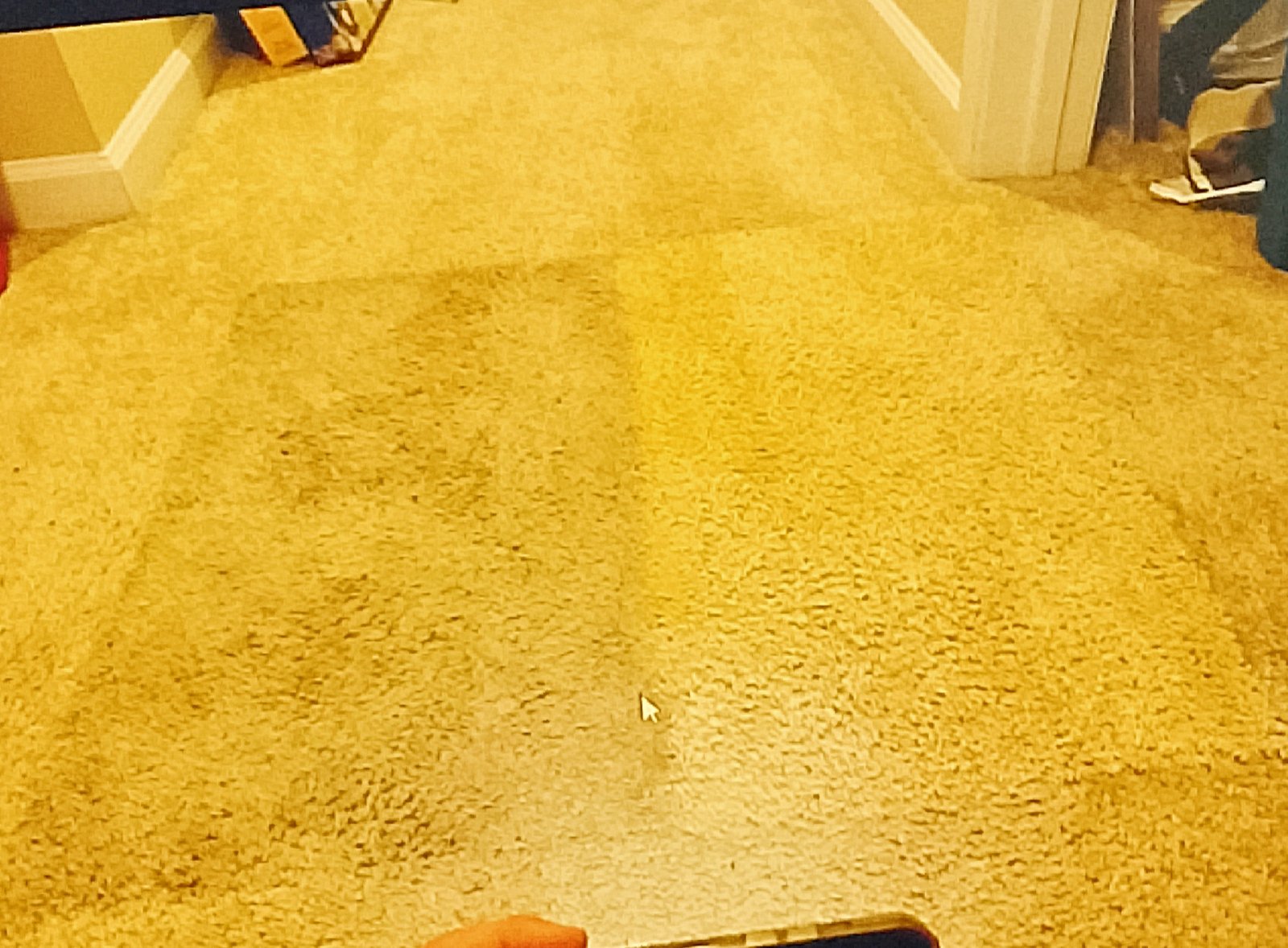
So, does this work for everything? Honestly, no. If you have a massive red wine spill from 2019, this might just fade it. But for general “I live here and it smells weird” cleaning, it’s a total win. And the smell? The sour, lived-in scent is replaced by a faint, fresh soap smell. It’s not a chemical “mountain breeze” spray; it just smells… empty. Which is exactly what I want.
The Skeptic’s FAQ
Will this ruin my velvet couch?
Maybe. Always test a tiny, hidden spot first. But for polyester or cotton blends, it’s usually fine.
What if I don’t have a microfiber cloth?
Use an old cotton t-shirt. It won’t grab the dirt as well, but it’s better than a rough bath towel.
How long does it take to dry?
About 2-3 hours if you didn’t drown it. Keep the windows open and the fans on.
Can I use vinegar?
Sure, if you want your living room to smell like a pickle jar. I stick to soap.
Why the pot lid?
Because it gives you an even, flat surface to apply pressure. Scrubbing with just your hand is uneven and way more exhausting.
What if it leaves streaks?
That means your cloth was too dirty. Rinse it out and go over the area again with a fresh, damp cloth.
I’m going to finish my coffee now and try to keep Buster off the couch for at least an hour while it dries. Wish me luck. I’m going to need it.
Everything Mentioned Above
Before you leave, grab the tools you need to get the job done right the first time:
*As an Amazon Associate, TidyFormula earns from qualifying purchases.