One Day Whole House Cleaning Schedule
A one day whole house cleaning schedule works best when you clean in a fixed order: declutter first, work from high surfaces to floors, and save kitchen and bathroom cleaning for focused blocks. Don’t try to deep-clean every drawer or wash every wall in one day; prioritize visible dirt, touch points, floors, and the rooms you use most.
The main challenge is losing momentum to small decisions. A simple room-by-room route, limited supplies, and a rule to finish one task before starting another will help you make the house look and feel noticeably better without turning the day into an exhausting overhaul.
⚡ The TidyFormula™ Quick Decision
Best approach: Start with pickup and dry dusting, clean bathrooms and kitchen next, then vacuum or mop floors as your final task.
Use caution with: Use only lightly damp cloths on wood, unsealed surfaces, electronics, and areas with peeling paint or loose finishes; follow care labels and product instructions for specialty materials.
Set a realistic goal before you begin
A successful whole-house cleaning day is a reset, not a restoration project. Focus on the rooms that affect daily life: kitchen, bathrooms, entryway, living areas, and bedrooms. Leave organizing projects, packed closets, storage areas, and repairs for another day unless they are preventing you from cleaning.
What I Use For This Job
Using the right tools saves time and protects your belongings. Here are my exact recommendations:
*As an Amazon Associate, TidyFormula earns from qualifying purchases.
Use this schedule when your home needs general cleaning, dust removal, surface wiping, trash collection, and floor care. Choose another plan if you are dealing with heavy construction dust, extensive water damage, pests, a large amount of mold-like growth, or an item that needs specialized care.
Gather supplies once so you do not keep stopping
Keep your supplies portable. A small caddy or handled basket makes it much easier to move through the house without repeatedly returning to a cabinet.
- Trash bags and a laundry basket for loose items that belong elsewhere
- Microfiber cloths or other soft, lint-free cloths
- A vacuum with appropriate attachments, broom, or dry mop
- A general household cleaner that is suitable for the surfaces you plan to clean
- A separate bathroom cleaner if needed, used according to its current label
- A scrub brush or nonabrasive sponge for sinks, tubs, and shower surfaces
- Glass cleaner or a lightly damp cloth for mirrors and glass, if suitable
- A mop and floor cleaner approved for your floor type, or plain water where manufacturer instructions allow
- Fresh bed linens and towels, if changing them is part of your reset
Do not combine cleaning products. Use one product at a time, follow its label directions, and keep the room ventilated when a product label calls for it. Skip abrasive pads on glossy fixtures, coated appliances, painted surfaces, and delicate finishes unless the manufacturer specifically permits them.
Check surfaces that need a gentler approach
Most of the house can be cleaned with dry dusting followed by a damp cloth or an appropriate surface cleaner. A few materials need extra restraint because too much moisture or friction can leave permanent marks.
- Wood furniture and wood floors: Use a barely damp cloth, wipe up moisture promptly, and follow the finish manufacturer’s instructions.
- Natural stone: Avoid acidic cleaners unless the stone-care instructions specifically allow them. Use a cleaner labeled for that stone or a damp cloth.
- Electronics: Turn off and unplug equipment when practical. Do not spray cleaner directly onto screens, ports, vents, remotes, or controls.
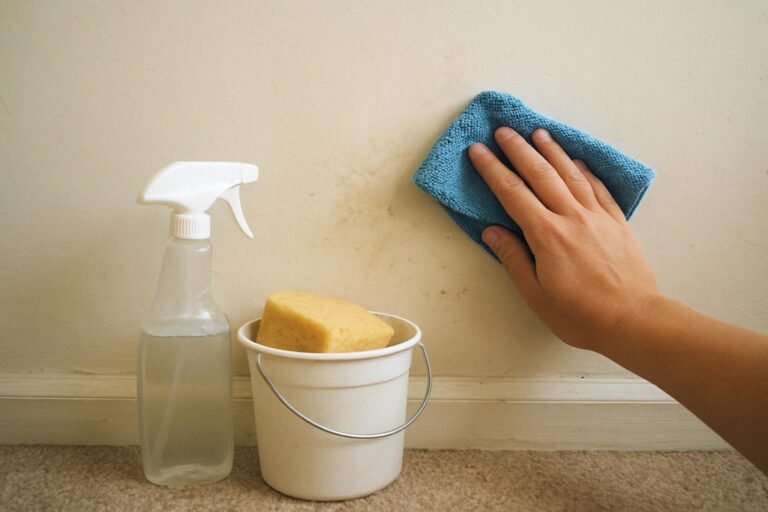
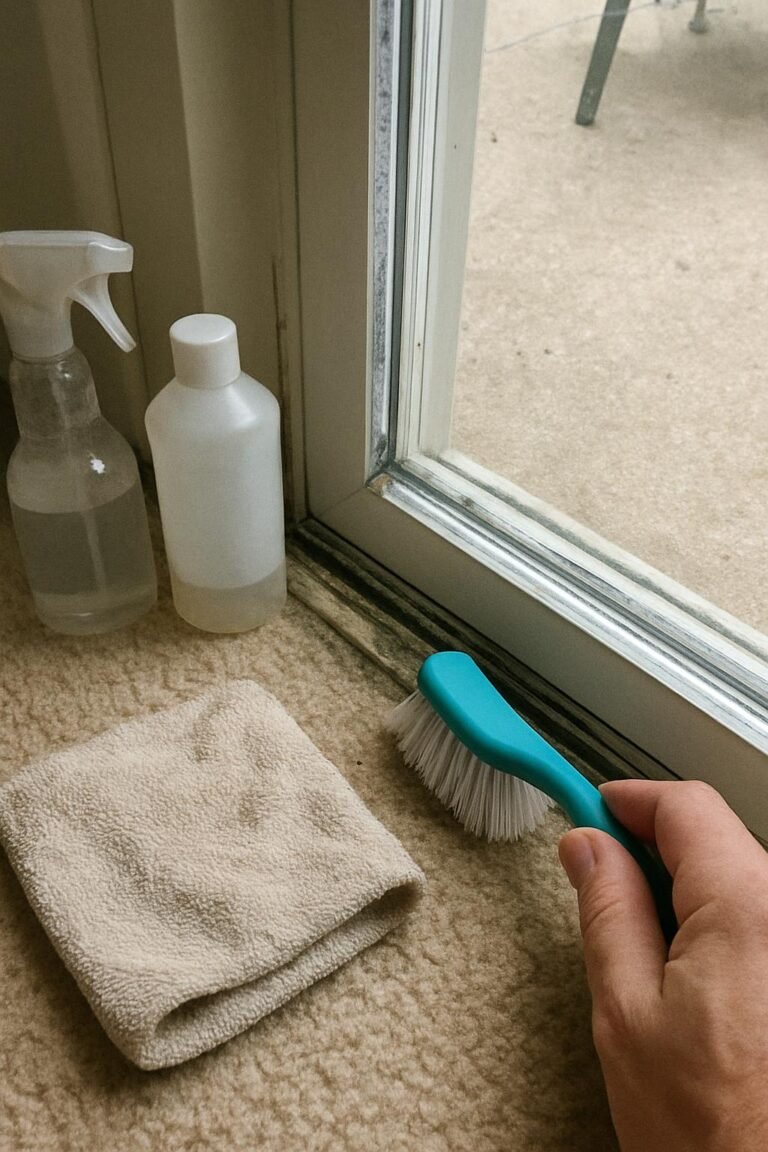
- Painted walls and trim: Dust first. Test a hidden spot before wiping, especially on flat paint, older paint, or areas with scuffs.
- Upholstery and rugs: Check care tags before applying any cleaner. Vacuuming is the lower-risk choice when the fabric’s cleaning code is unknown.
- Laminate and vinyl floors: Avoid flooding seams and edges. Excess water can work underneath planks or tiles and cause swelling or lifting.
If you have a wet-dry floor cleaner, match the machine and solution to your floor type. This comparison of the Tineco Floor One S3 and S5 may help if you are deciding whether a wet-dry floor cleaner fits your regular floor-care routine.
Your one-day cleaning schedule, step by step
Work through the house in this order: remove clutter, dust high areas, clean wet rooms, wipe main surfaces, then finish with floors. This prevents crumbs, dust, and hair from landing on surfaces you have already cleaned.
Start with a whole-house pickup. Walk through every room with a trash bag and laundry basket. Throw away obvious trash, collect dishes, and place out-of-place items in the basket rather than stopping to put each item away immediately. Return the basket’s contents after the main cleaning is done.
Begin laundry and clear the kitchen sink. Start a load of towels, bedding, or everyday laundry if you need it. Gather dirty dishes, load the dishwasher or wash what is necessary, and clear the sink. An empty sink makes the kitchen feel cleaner quickly and gives you room to wash items later.
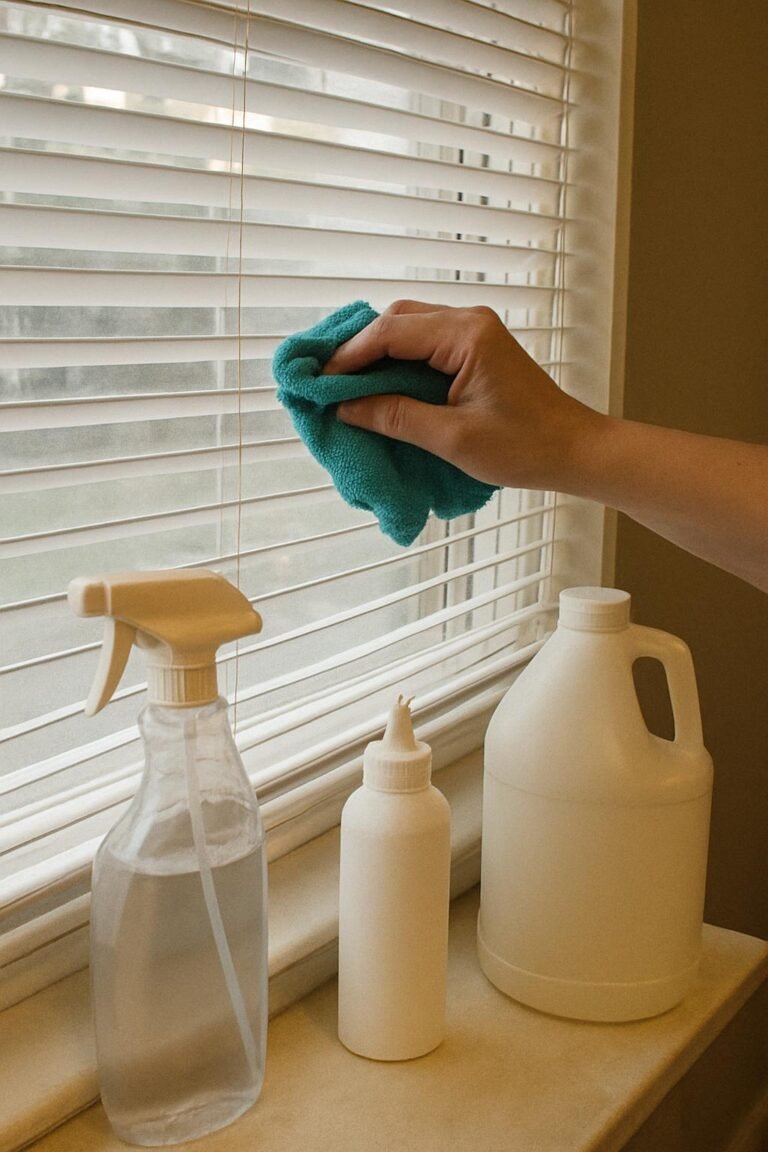
Dust from top to bottom. In each room, dust ceiling fan blades, light fixtures you can safely reach, shelves, furniture tops, window sills, baseboards, and lower surfaces in that order. Use a dry microfiber cloth first. Use a slightly damp cloth only if dry dusting leaves residue and the surface can tolerate moisture.
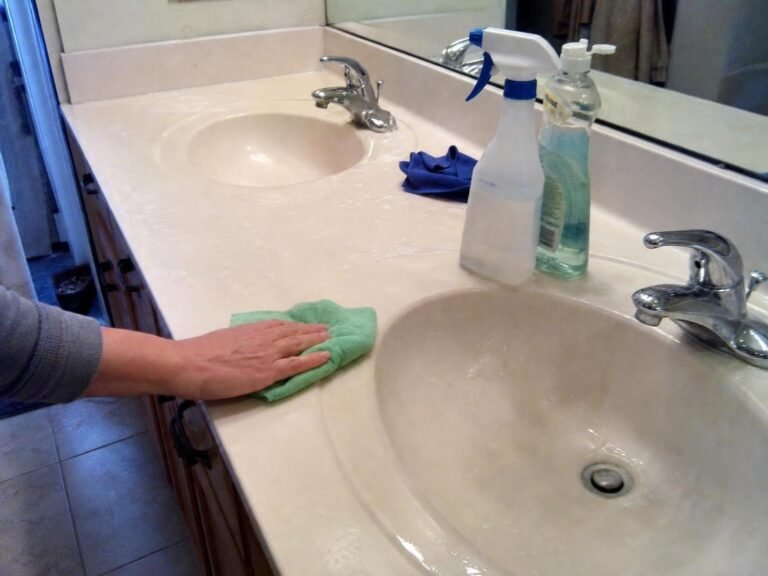
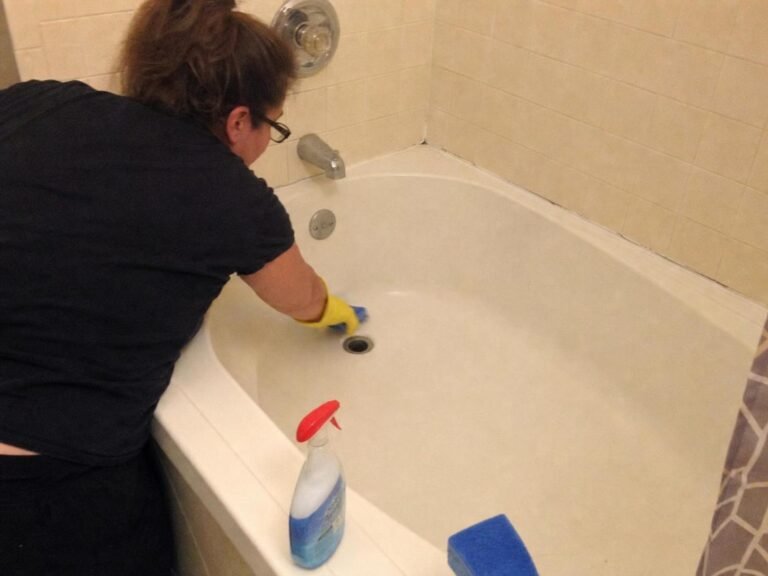
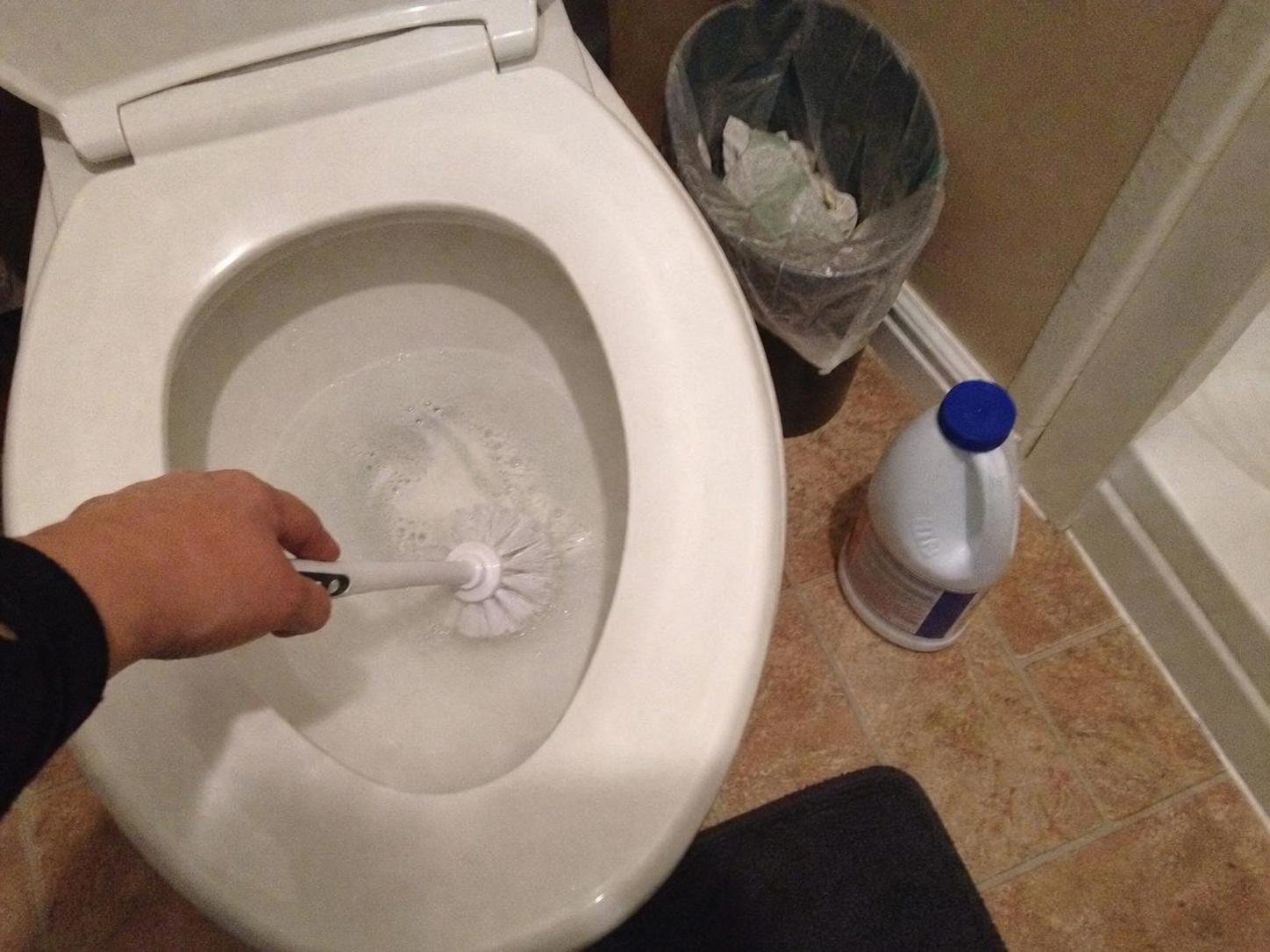
Clean the bathrooms while products have time to work. Apply an appropriate cleaner to the toilet, sink, tub, and shower according to the product label. While it sits as directed, remove empty bottles, replace used towels, wipe mirrors, and dust shelves or vents. Return to scrub only where needed, rinse or wipe away residue as the product label requires, and dry shiny fixtures with a clean cloth.
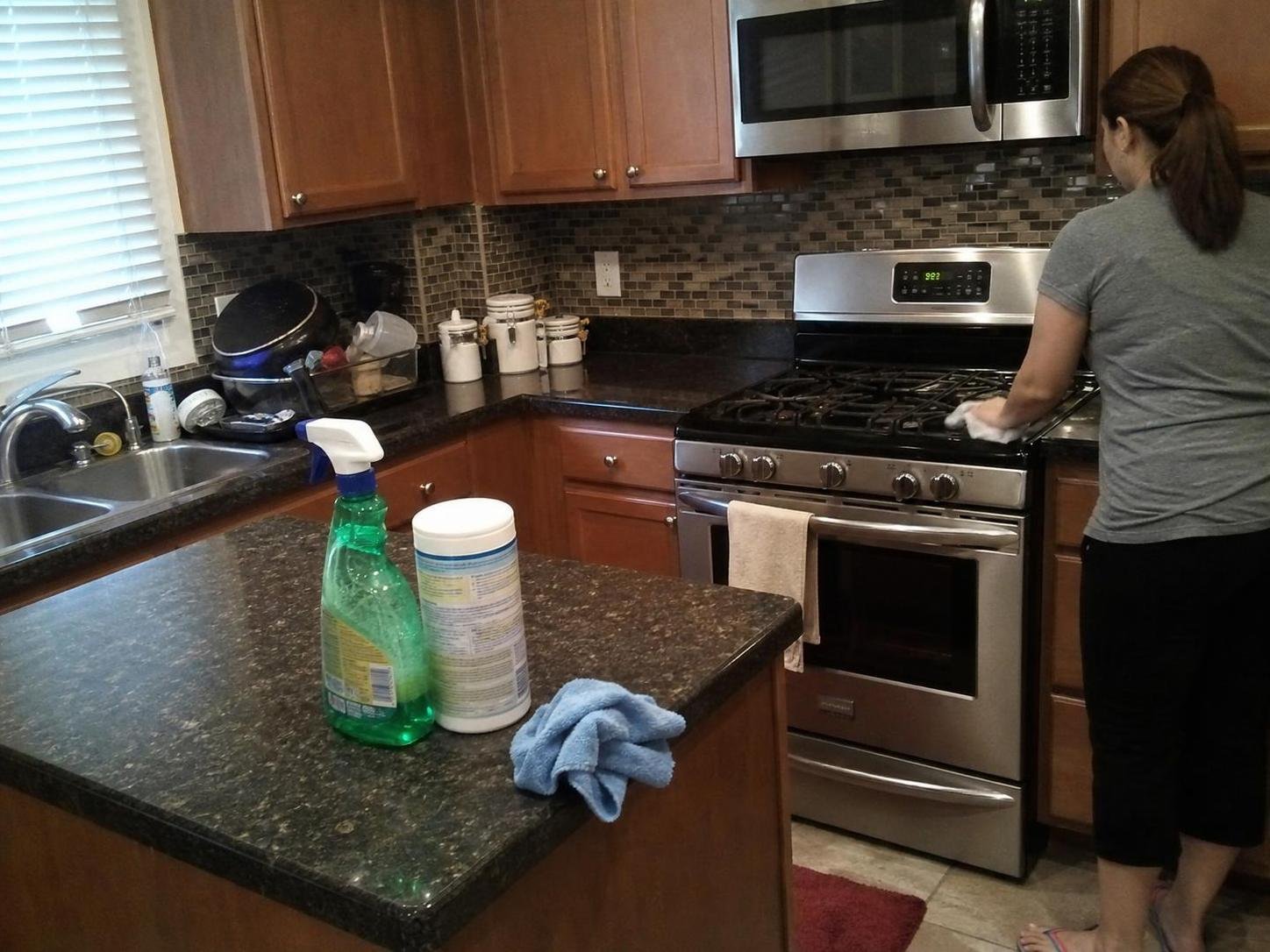
Reset the kitchen from high surfaces down. Wipe cabinet fronts around handles, counters, backsplash, appliance exteriors, table surfaces, and the sink. Remove crumbs before wiping counters so you are not dragging grit across the finish. For a greasy stovetop or range hood, use a cleaner appropriate for the surface and avoid soaking buttons, seams, or electronic controls.
Refresh bedrooms and living areas. Make beds with clean or aired-out linens, straighten pillows, wipe bedside tables and coffee tables, and remove cups, wrappers, and clutter. Vacuum upholstered furniture with an attachment if needed. Do not saturate cushions or spray unknown fabrics directly.
Clean mirrors, glass, and frequently handled surfaces. Use a clean cloth for mirrors, interior glass, door handles, switches, and remote controls. Spray cleaner onto the cloth rather than directly onto electrical switches, remotes, or nearby electronics. If a surface looks streaky, use a second dry cloth instead of adding more product.
Vacuum or sweep every floor. Start in bedrooms and work toward the exit so you are not walking across freshly cleaned floors. Use attachments along baseboards, under furniture edges, and around pet beds. Empty the vacuum if suction drops or the bin becomes full.
Mop only after dry debris is gone. Use the least moisture needed for your floor type. Mop hard floors in sections, leaving yourself a path to the door. Change dirty water or pads as needed so you are not spreading visible soil back across the floor.
Finish with a five-minute reset. Take out trash, return cleaning supplies, move the laundry along, and put the collected basket items away. Open windows if weather and home conditions allow, or use normal ventilation to help damp surfaces dry.
🧪 Why This Works
Cleaning high surfaces before floors lets dust and crumbs fall where they can be vacuumed or swept up later. Doing bathrooms and the kitchen before floors also limits repeat work, since these rooms often create splashes, crumbs, and tracked debris while you clean them.
What to clean deeply and what to leave for another day
The best method for a one day whole house cleaning schedule is to choose visible, high-use tasks over hidden projects. Deep cleaning can be useful, but it is usually better handled as a rotating task rather than added to an already full-house reset.
| Include today | Usually save for a separate session |
|---|---|
| Trash removal, dishes, counters, sinks, toilets, mirrors, dusting, vacuuming, and mopping | Decluttering every closet, sorting paperwork, cleaning inside cabinets, washing walls, and detailed garage work |
| Changing bed linens and towels if they are due | Washing curtains, deep-cleaning upholstery, or shampooing large carpeted areas |
| Spot-cleaning fingerprints, crumbs, and visible marks | Moving heavy furniture, cleaning behind major appliances, or tackling repairs |
If you need a recurring list for weekly and monthly tasks, use this household cleaning checklist to divide larger jobs across the month instead of trying to complete them all in one day.
Common mistakes that slow down the schedule
Cleaning rooms in random order
Moving back and forth between rooms creates extra walking and makes it easy to forget what has already been done. Finish similar tasks together: collect trash throughout the house, dust throughout the house, then move on to wet cleaning and floors.
Using too much cleaner
Extra product does not necessarily improve the result. It can leave haze on counters, streaks on mirrors, and tacky residue on floors. If a surface feels sticky or looks cloudy after drying, wipe it again with a clean cloth lightly dampened with plain water if the material tolerates water, then dry it with another cloth.
Starting floors too early
Vacuuming and mopping before dusting means you will likely need to do the floors again. Leave them until the end unless a spill needs immediate attention.
Trying to organize while cleaning
Sorting old papers, rearranging cabinets, or deciding what to donate can consume the entire day. Put uncertain items in one temporary basket or box and schedule a separate decluttering session. Keep only items that clearly belong in the room when you do the final reset.
Over-wetting floors, upholstery, or wood furniture
Visible puddles, darkened seams, curling floor edges, a musty smell, or fabric that remains damp are signs to stop adding moisture. Blot excess liquid promptly, increase airflow, and allow the item to dry fully before putting cushions, rugs, or furniture back in place. If water has entered a floor seam, electrical device, or heavily padded item, follow the manufacturer’s instructions or seek appropriate professional help.
Keep the house manageable after cleaning day
A one-day reset lasts longer when you protect the highest-traffic areas. Clear dishes after meals, wipe kitchen counters as needed, do a quick evening pickup, and vacuum or sweep entryways before grit travels through the house. Keep a small cloth and a suitable surface cleaner where you are most likely to use them, rather than storing every supply in one distant location.
For floors, wait until they are completely dry before replacing rugs, pet beds, baskets, or furniture that could trap moisture. Drying conditions vary with humidity, airflow, floor material, and how much moisture was used. Check that mop pads, cloths, brushes, and vacuum attachments are clean and dry before storing them so they are ready for the next reset.
Frequently Asked Questions
How long should a whole-house cleaning day take?
The time depends on the size of your home, the amount of clutter, the number of bathrooms, and whether you include laundry or bedding changes. Use the schedule as an order of operations rather than a rigid clock. If you run short on time, finish bathrooms, kitchen, trash, and floors first.
Should you clean one room at a time or do the same task throughout the house?
For a one-day reset, doing the same task throughout the house is usually more efficient. Pickup, dusting, vacuuming, and mopping are faster when you complete them in one pass. Bathroom and kitchen cleaning work better as room-specific blocks because they require different tools and cleaners.
What should you do if the house is too cluttered to clean properly?
Remove trash, dishes, laundry, and obvious items that belong elsewhere first. Then clean the exposed surfaces and floors. Avoid opening storage bins, drawers, and closets unless their contents are preventing access to a necessary area.
Can you use one cleaner on every surface?
No. A general cleaner may be suitable for many sealed hard surfaces, but wood, natural stone, electronics, screens, painted walls, and specialty flooring can require different care. Check the surface manufacturer’s instructions and test a hidden area when the finish is uncertain.
The most effective one-day whole-house cleaning schedule is the one you can finish: pick up clutter, clean high-use rooms, dust before floors, and use only as much moisture and product as each surface can safely handle. Keep larger organizing and deep-cleaning projects on a separate rotation so your regular reset stays practical.
Everything Mentioned Above
Before you leave, grab the tools you need to get the job done right the first time:
*As an Amazon Associate, TidyFormula earns from qualifying purchases.