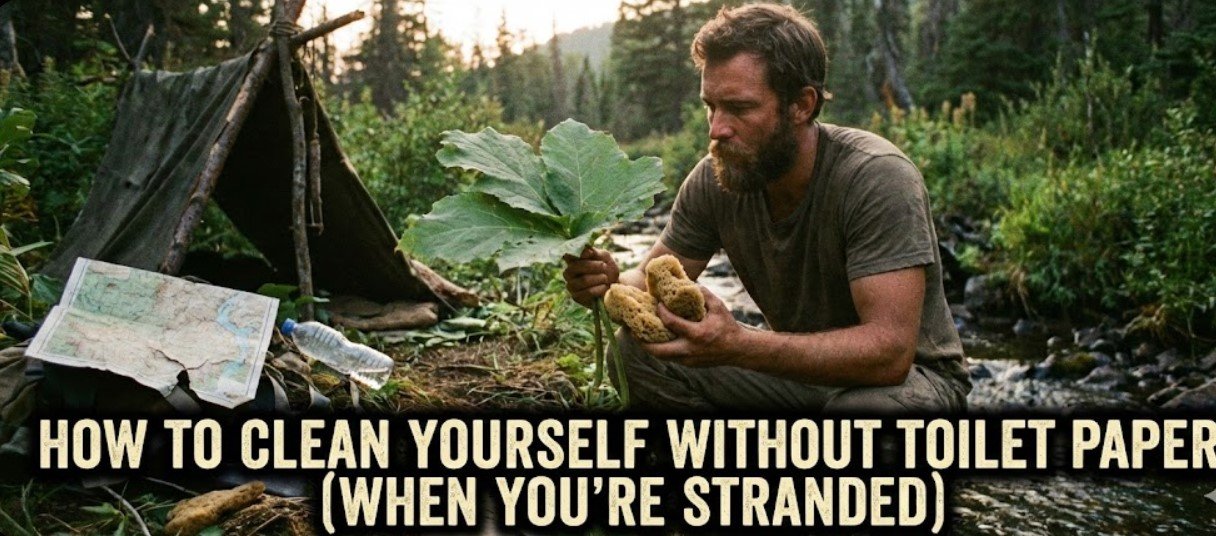
How to Clean Yourself Without Toilet Paper (When You’re Stranded)
“Yesterday, I reached blindly for the roll, felt the cold, hollow cardboard, and seriously debated for a solid minute whether my left sock was worth saving.”
It’s the silence that gets you first. You reach out, expecting the familiar crinkle of tissue, and your fingers just hit the hollow, smooth cardboard of an empty tube.
Total panic.
I’ve been there. We’ve all been there. Last month, I was actually testing a new bathroom cleaner for TidyFormula, got distracted by a stubborn grout stain, and completely forgot to check the supply level before sitting down. Big mistake. The air suddenly felt very still.
You look around. The trash can is empty. The sink seems a mile away. You start doing the mental math on the “Sock Sacrifice.”
What I Use For This Job
Using the right tools saves time and protects your belongings. Here are my exact recommendations:
*As an Amazon Associate, TidyFormula earns from qualifying purchases.
But here’s the truth: Toilet paper is actually a relatively modern luxury. For most of human history—and in many parts of the world right now—people have managed just fine without it. In fact, many argue they are cleaner for it.
Here is how to clean yourself without toilet paper, based on emergency necessity and a bit of awkward trial and error.
⚡ The TidyFormula™ Quick Answer
The Recommendation: The “Manual Bidet” method (using water) is vastly superior and more hygienic than scavenging for paper alternatives.
- The Mix: A cup, water bottle, or peri-bottle + warm water.
- Time: 2–3 minutes.
- Effectiveness: High (Actually leaves you cleaner than paper).
The “MacGyver” Bidet Method
I jokingly call this the “Hydro-Blast” technique, but let’s be real—it’s just splashing water. But there is a technique to doing it without soaking your pants.
If you are within reaching distance of a sink or shower, you are golden. If not, you need a vessel.
Step 1: Secure Your Water Source
Look around. Do you have a water bottle? A plastic cup? An empty shampoo bottle from the recycling bin?
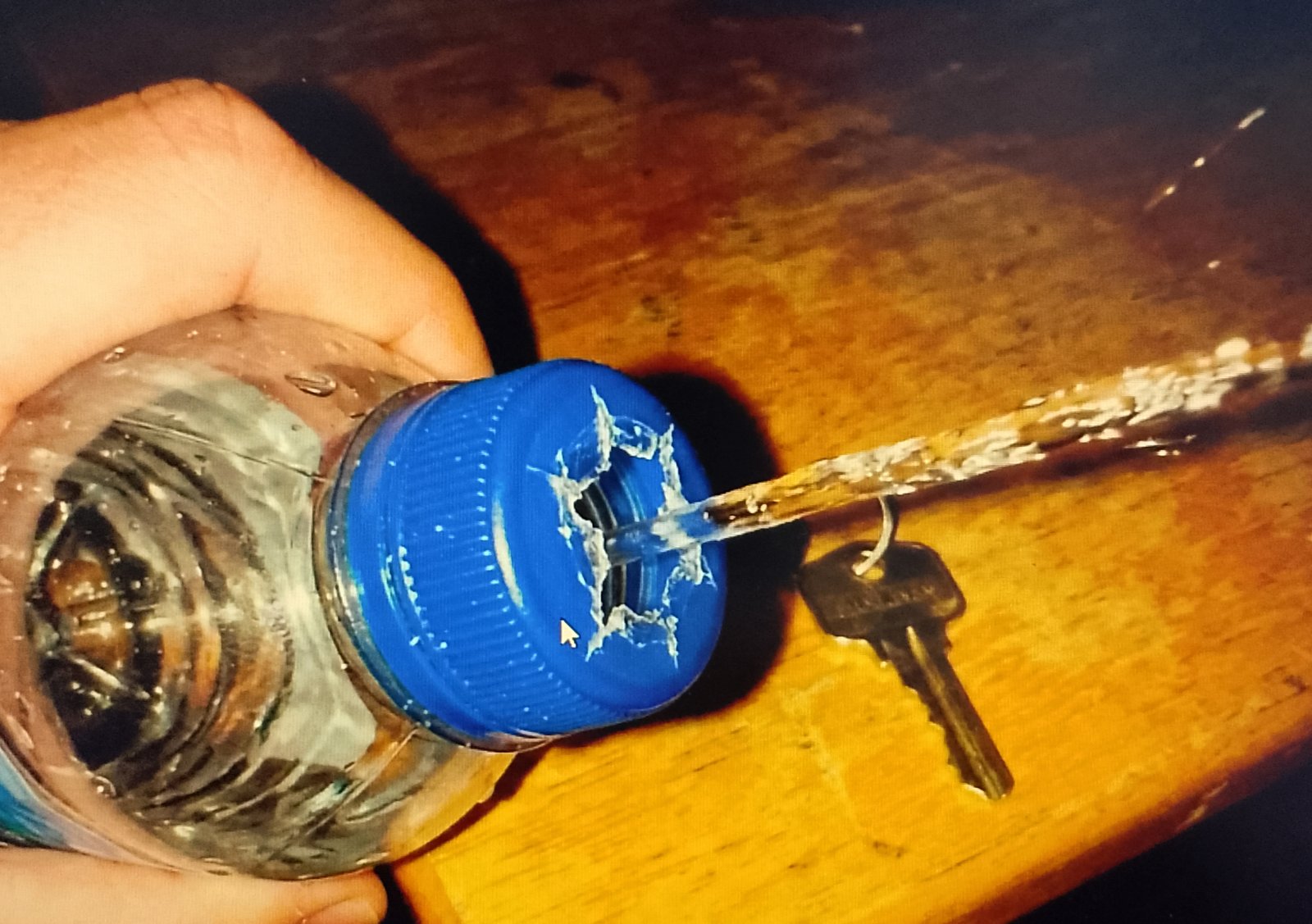
If you have a disposable water bottle, this is the jackpot.
- The Hack: Poke a hole in the cap with a key or a nail file. Screw it back on. Squeeze. You now have a pressurized stream.
- The Pour: If you only have a cup, fill it with lukewarm water. Cold water is… bracing. It’s a shock to the system you don’t need right now.
Step 2: The Approach
You need to remain seated or hover slightly.
- Pour from the front: If using a cup, pour water down your backside (for #2) while using your other hand to gently clean the area. Yes, you have to touch. Wash your hands later.
- The Bottle Squeeze: If you made the “squeezy bottle” contraption, aim from behind.
The sensation is wet and cold, obviously. It takes getting used to. But visually, when you check, the water runs clear much faster than you’d expect.
Step 3: The Dry Off
This is the tricky part. You are now clean, but wet.
- Air Dry: If you have privacy and time, just wait a minute.
- The Sacrifice: If you are in a rush, this is where the “Sock Sacrifice” comes in. Or the inside of a laundry hamper towel. Pat dry; don’t rub.
The Scavenger Hunt (Dry Alternatives)
If water isn’t an option (maybe you’re in a dry stall), you have to scavenge. But be careful.
1. Facial Tissues:
Soft, but they crumble. They leave behind what I call “lint snow.” It’s annoying, but it works. Do not flush these; they don’t dissolve like TP.
2. The Cardboard Tube:
Desperate times. I tried this once. It is rigid, sharp, and effective only for “scraping.”
- Texture: Like trying to wipe with a piece of stale toast. Not recommended unless it’s a dire emergency.
3. Paper Towels / Napkins:
These are sturdy. Too sturdy. They feel rough, like a cat’s tongue against your skin.
- Warning: Never, ever flush these. I once had to snake a drain because of a “flushable” wipe that wasn’t actually flushable. Paper towels are pipe killers.
🧪 The Science: Why Water Wins
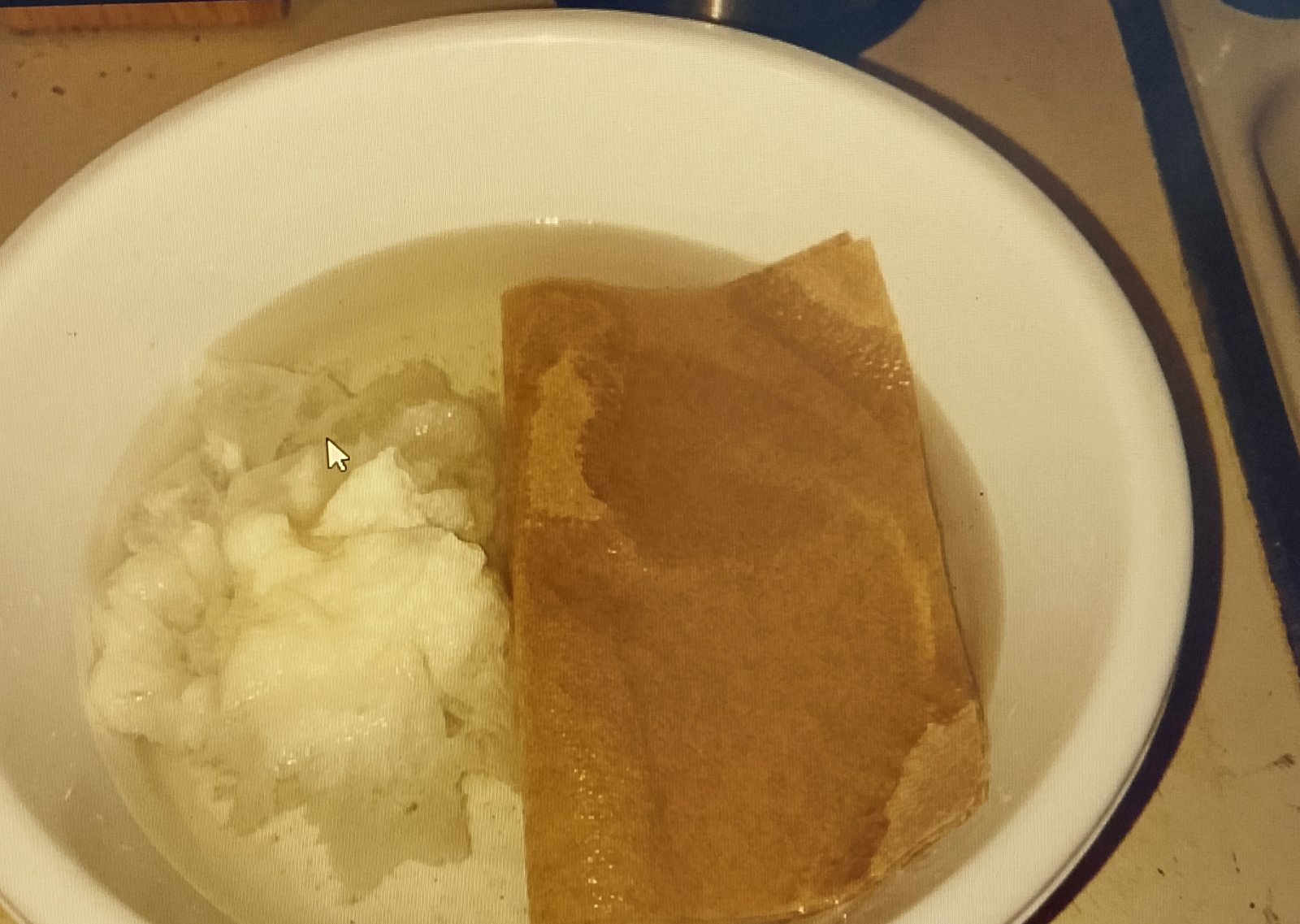
Think about getting peanut butter on your carpet. If you wipe it with a dry paper towel, you just smear it deeper into the fibers. If you use water, you lift and rinse the particles away. Using dry paper is essentially just smearing. Water uses hydro-dynamics to physically displace the waste, leaving the skin chemically cleaner.
Reality Check: The “Family Cloth”
There is a movement called “Family Cloth” where people use reusable flannel wipes instead of paper. We tested this at home for a week.
- The Good: It is incredibly soft. Like wiping with a cloud.
- The Bad: You have to wash them. Looking at a bucket of dirty cloths requires a strong stomach.
- The Verdict: Great for the environment, high “ick” factor for guests.
If you are out of paper, cutting up an old cotton t-shirt into squares is actually a top-tier solution. It’s softer than paper and grabs debris well. Just have a plan for the dirty rags (a ziplock bag or a soak bucket).
Wrap Up
Running out of toilet paper feels like a crisis, but it’s really just a logistics issue.
My advice? Don’t panic. Use water if you can—it’s cleaner anyway. If you have to use paper towels or tissues, put them in the trash, not the toilet. Your plumber (and your wallet) will thank you.
And maybe… just maybe… keep a spare roll under the sink from now on. I know I do.
Frequently Asked Questions
1. Is it safe to use newspapers?
It’s old school, but yes. However, the ink can smudge onto your skin (black streaks everywhere), and the paper is stiff. Crumple it up and uncrumple it a few times to soften the fibers first. Do not flush it.
2. Can I use wet wipes?
Yes, they clean very well. But trust me on this—even if the package says “flushable,” do not flush them. They snag on pipes and create “fatbergs” in the sewer system. Trash bin only.
3. How do I clean my hands afterwards if I used the water method?
Vigorously. Soap and warm water for at least 20 seconds. Scrub under the fingernails. If you don’t have soap, hand sanitizer is a decent backup, but actual washing is non-negotiable here.
4. What if I’m in a public stall with nothing?
Wait until the bathroom is empty and waddle to the next stall? Just kidding (sort of). Check the seat cover dispenser. It’s thin and flimsy—like tissue paper ghosts—but if you bunch up 5 or 6 of them, you have a makeshift wipe.
5. Does using water leave a smell?
Actually, less than paper. Paper can leave residue behind. Water rinses it away. As long as you dry off the excess moisture, you will be fresher than if you used Charmin.
Read Next: Dealing with other household disasters? Check out The Ultimate Guide to Gutter Cleaning Tools (because sometimes the mess is outside, not inside).
Everything Mentioned Above
Before you leave, grab the tools you need to get the job done right the first time:
*As an Amazon Associate, TidyFormula earns from qualifying purchases.