How to Make Your House Smell Great: A Practical Guide (SEO-friendly version)
A house smells good when the actual sources of odor are removed first and only then supported with light, well-placed scent. Skipping straight to candles or sprays just layers fragrance over the problem instead of solving it, so the fastest lasting fix is cleaning the source, improving airflow, and adding scent last.
The TidyFormula Quick Decision
Best approach: Identify and clean the specific odor sources first (trash, drains, fabric, litter boxes, laundry), then ventilate the space, and finish with a light, consistent scent source like a diffuser or baking soda in problem areas.
Use caution with: Scented sprays or plug-ins used on top of an unaddressed odor source, strong essential oils near pets, and any combination of cleaning products used together to “boost” results.
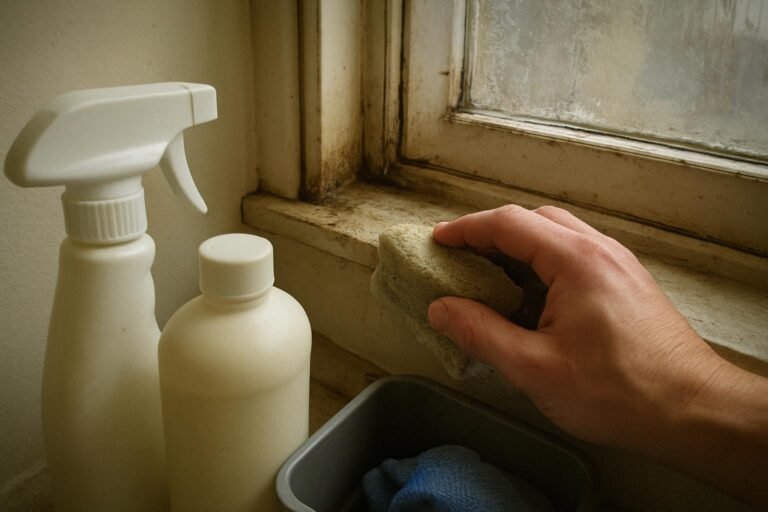
Stop and reassess if: A musty or sour smell keeps returning after cleaning and airing out the room, or if you notice visible mold, water staining, or a smell that seems to come from inside a wall, floor, or appliance rather than a surface.
What I Use For This Job
Using the right tools saves time and protects your belongings. Here are my exact recommendations:
*As an Amazon Associate, TidyFormula earns from qualifying purchases.
What Actually Makes a House Smell Good
A house smells good when there is no competing bad odor left to mask. Most persistent household smells come from a handful of predictable sources: trash, drains, laundry, pet areas, and soft furnishings that have absorbed cooking or moisture odors over time.
Once those sources are handled, a light scent layer reads as clean rather than covered up. This is why a home that only smells like air freshener often still smells “off” underneath, while a home with fewer odor sources can smell pleasant with almost no fragrance at all.
Remove the Source Before Adding Scent
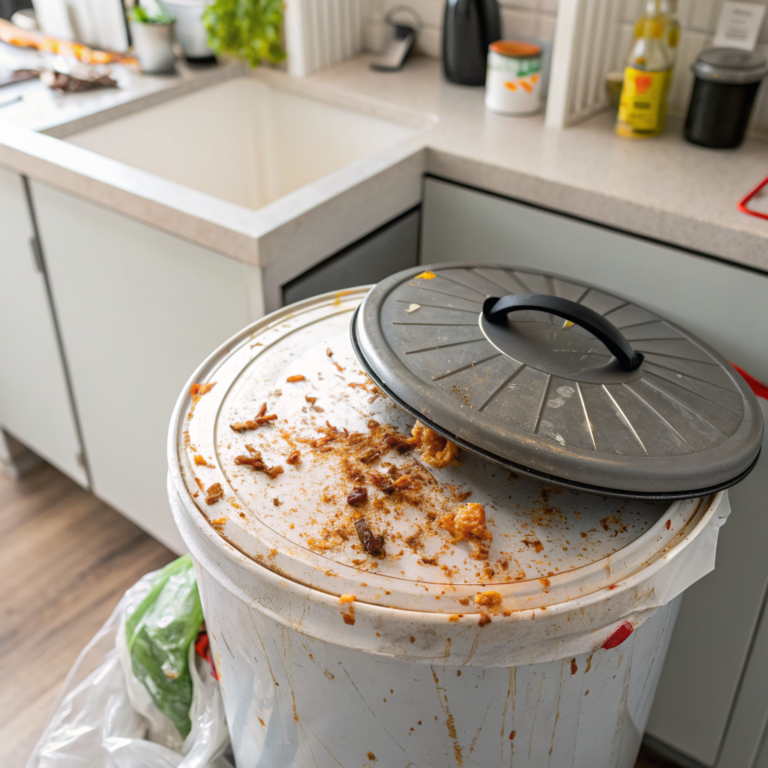
Start with the areas that generate odor daily rather than the ones that simply hold it. Kitchen trash cans, sink drains, and dish sponges are common daily sources that get overlooked because they are small and easy to ignore.
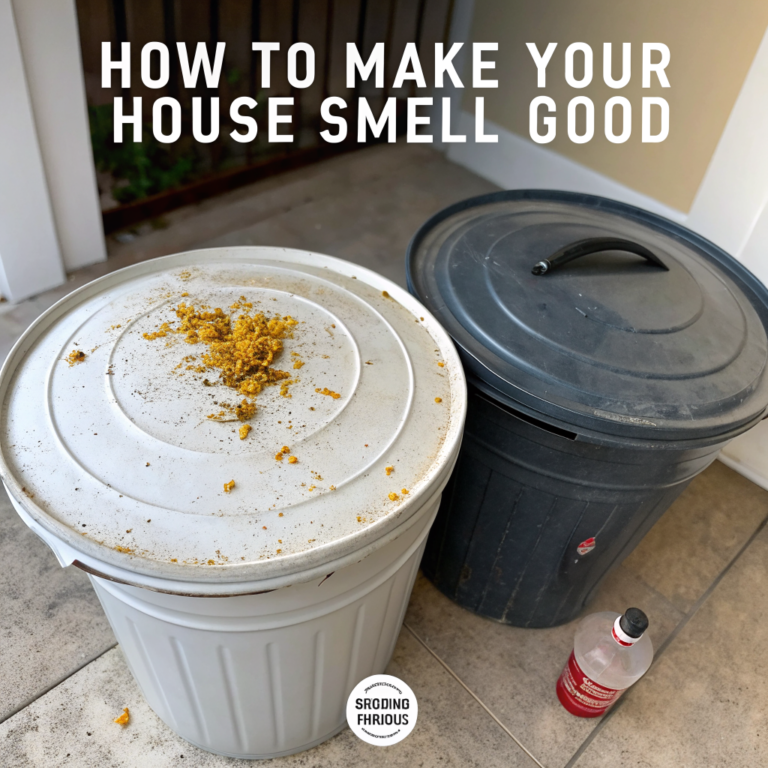
- Empty and rinse kitchen and bathroom trash cans regularly, including the lid and any dried residue on the rim
- Wipe down the inside of the fridge and check for anything expired
- Run water through slow or smelly drains and clean visible buildup around the drain cover
- Replace or clean sponges and dish rags that have started to smell sour
These habits address the smells that return the fastest, often within a day, if they are not kept up.
Clean the Fabric and Soft Surfaces That Hold Smells
Fabric, carpet, and upholstery absorb odor more than hard surfaces do, so they often need direct cleaning rather than just airing out. (For persistent stale-home odor, see How to Remove Old House Smell from a Room.) Couch cushions, curtains, rugs, and pet bedding can hold cooking smells, pet odor, or moisture long after the source is gone.
Vacuuming fabric surfaces on a regular basis lifts loose dust and debris that can hold odor, and washing removable covers or blankets according to the care label helps remove absorbed smells rather than just masking them. If pet odor is the main issue in a specific room, a room-specific approach may work better than a whole-house method.
For pet-related smells specifically, methods differ depending on whether the odor is in bedding, a couch, carpet, or a litter area, since fabric, foam, and flooring absorb and hold odor differently. If pet odor is coming from a specific item or area, a targeted guide such as How to Remove Dog Smell from Blankets or How to Remove Cat Litter Smell from a Room may be more useful than general deodorizing. If pillows or bedding are the problem, consider steps from How to Remove Sweat Smell from Pillows to treat trapped body odors safely.
Check for Damp, Musty, or Mildew Smells
A musty or mildew-like smell usually points to moisture rather than dirt, and it will not resolve with cleaning alone. Basements, bathrooms without good ventilation, and areas near leaks are the most common sources, and the smell often gets stronger in humid weather. If the odor is isolated to sleeping spaces, follow steps in How to Remove Damp Smell from Bedroom to dry and treat the room effectively.
If a musty smell is coming from a specific area like a basement, the moisture source usually needs to be addressed before any scent method will hold. A guide like How to Remove Mildew Smell from a Basement covers that situation in more depth. If mold growth is visible or the smell is strong and persistent, it is reasonable to involve a professional, since mold and moisture issues can affect indoor air quality beyond what surface cleaning can fix.
Use Scent Sources That Actually Work
Light, consistent scent sources tend to work better than short bursts of strong fragrance. Options like a simmer pot with citrus or herbs, an unscented baking soda dish in a problem area, or a diffuser with a modest amount of essential oil can add pleasant background scent without becoming overwhelming.
Scented candles and sprays can help for a specific event or short-term freshening, but they generally work best after cleaning rather than instead of it. In homes with pets, young children, or anyone sensitive to strong fragrance, lighter and less frequent scent use is usually the safer approach.
TidyFormula Tip
Open windows for a short period after cleaning, even in cooler weather, since fresh airflow removes lingering odor faster than any scent product added on its own.
Keep Air Moving Through the House
Odor tends to build up fastest in rooms with little airflow, so improving ventilation is one of the most effective long-term steps. Bathroom and kitchen exhaust fans, open windows when weather allows, and simple air circulation from a fan can all help prevent smells from settling into fabric and corners.
Closets, laundry hampers, and under-sink cabinets are common places where trapped, still air lets odor concentrate. Leaving these spaces slightly open when possible, and washing laundry before it sits too long, helps reduce the buildup that leads to a stale smell throughout the house.
What to Avoid
Avoid relying only on fragrance products without addressing the source, since this usually creates a mixed smell rather than a clean one. It also becomes harder to notice when a real problem, like a leak or spoiled food, develops underneath the fragrance layer.
Do not combine cleaning products in an attempt to boost odor removal. Cleaning agents that are not meant to be combined must not be mixed together, since this can create unsafe fumes rather than a stronger clean. Stick to one product at a time and rinse or air out an area before applying a different one.
Avoid using very strong or concentrated scent products in small, enclosed rooms, since this can create an overpowering smell rather than a pleasant one, especially for household members sensitive to fragrance.
Frequently Asked Questions
How often should I deep clean to keep the house smelling good?
Most homes benefit from a weekly pass on trash, drains, and high-traffic fabric, with a deeper clean of curtains, rugs, and upholstery every few months, and wash towels as needed—see How to Remove Mildew Smell from Towels. Homes with pets or frequent cooking odors may need these tasks more often to keep smells from building up.
Why does my house smell fine when I’m home but musty when I return from a trip?
This usually happens because the house had no airflow or activity while you were away, allowing existing moisture or trapped odor to concentrate. Airing out the space and checking damp-prone areas like bathrooms or basements after time away can help.
Is it safe to use scented plug-ins around pets?
Some pets are more sensitive to strong fragrance than people are, so lighter, less frequent use is generally the safer approach. If you notice a pet avoiding a room after a new scent product is introduced, it is reasonable to remove it and monitor the reaction.
What if I clean everything and the house still smells off?
A lingering smell after cleaning often points to a hidden source, such as a drain, appliance, or moisture issue rather than a surface that was missed. Checking less obvious areas, and involving a professional if a musty or chemical smell persists, is a reasonable next step.
Can I use baking soda in multiple rooms at once?
Yes, an open dish or shallow container of baking soda can be placed in more than one room, since it works passively without needing ventilation to a specific spot. Replacing it periodically keeps it effective as it absorbs surrounding odor over time.
Everything Mentioned Above
Before you leave, grab the tools you need to get the job done right the first time:
*As an Amazon Associate, TidyFormula earns from qualifying purchases.