How to Remove Old House Smell from a Room
You can remove old house smell from a room by combining deep source cleaning with fresh airflow, not by relying on air fresheners or scented sprays alone. The odor usually clings to soft materials like carpet, curtains, and upholstery, so treating those surfaces directly, along with several days of ventilation, gets you a lasting result rather than a temporary cover-up.
If the smell has settled into an older home with original carpet, heavy drapes, or wood surfaces that have never been refinished, expect the process to take longer than a quick wipe-down. Some odor sources are surface-level, while others sit deep in porous materials, and that difference changes how much work is involved.
⚡ The TidyFormula™ Quick Decision
Best approach: Identify and clean the porous materials holding the odor (carpet, fabric, wood surfaces), then ventilate the room continuously for several days while a mild cleaning solution and open airflow do the actual work.
Use caution with: Old or delicate fabrics, unfinished wood, antique furniture, and any surface without a visible care label, since strong cleaners or heavy moisture can cause staining or warping.
Stop and reassess if: You notice visible mold growth, water stains, a musty smell that returns quickly after cleaning, or soft/spongy flooring, since these point to a moisture problem that cleaning alone will not solve.
What I Use For This Job
Using the right tools saves time and protects your belongings. Here are my exact recommendations:
*As an Amazon Associate, TidyFormula earns from qualifying purchases.
Find the Source Before You Clean
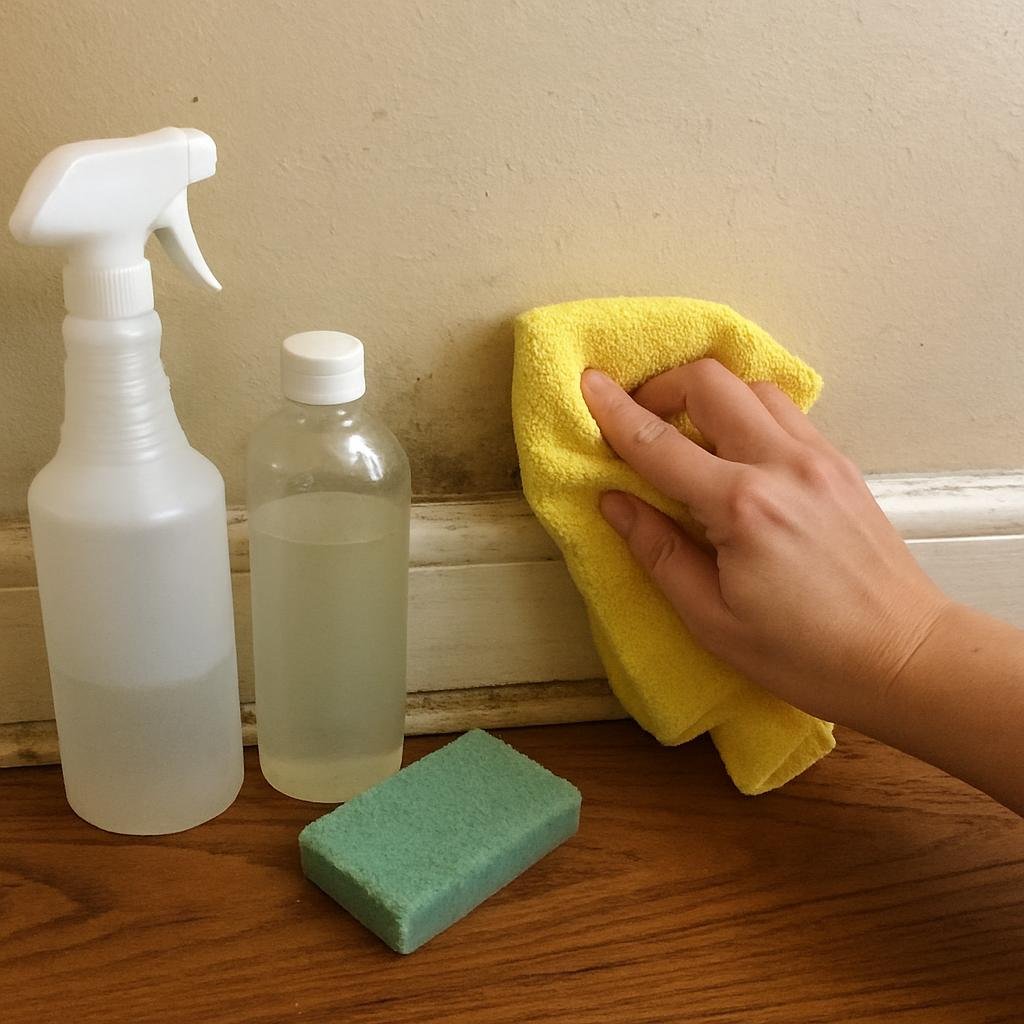
Old house smell is rarely coming from the air itself. It is almost always trapped in a material that has absorbed odor over months or years. Before choosing a cleaning method, walk the room and check the usual sources:
- Carpet and rugs — check the padding underneath if the carpet lifts easily at an edge
- Curtains and heavy fabric — these hold odor longer than hard surfaces
- Upholstered furniture — cushions and armrests often smell stronger than the frame
- Closets and enclosed cabinets — poor airflow lets odor concentrate
- Wood trim, floors, or furniture — older finishes can trap smell in the wood grain
Once you know which material is holding the odor, you can match the cleaning method to what that material can actually tolerate.
Safe Cleaning Approach by Material
Carpet and Rugs
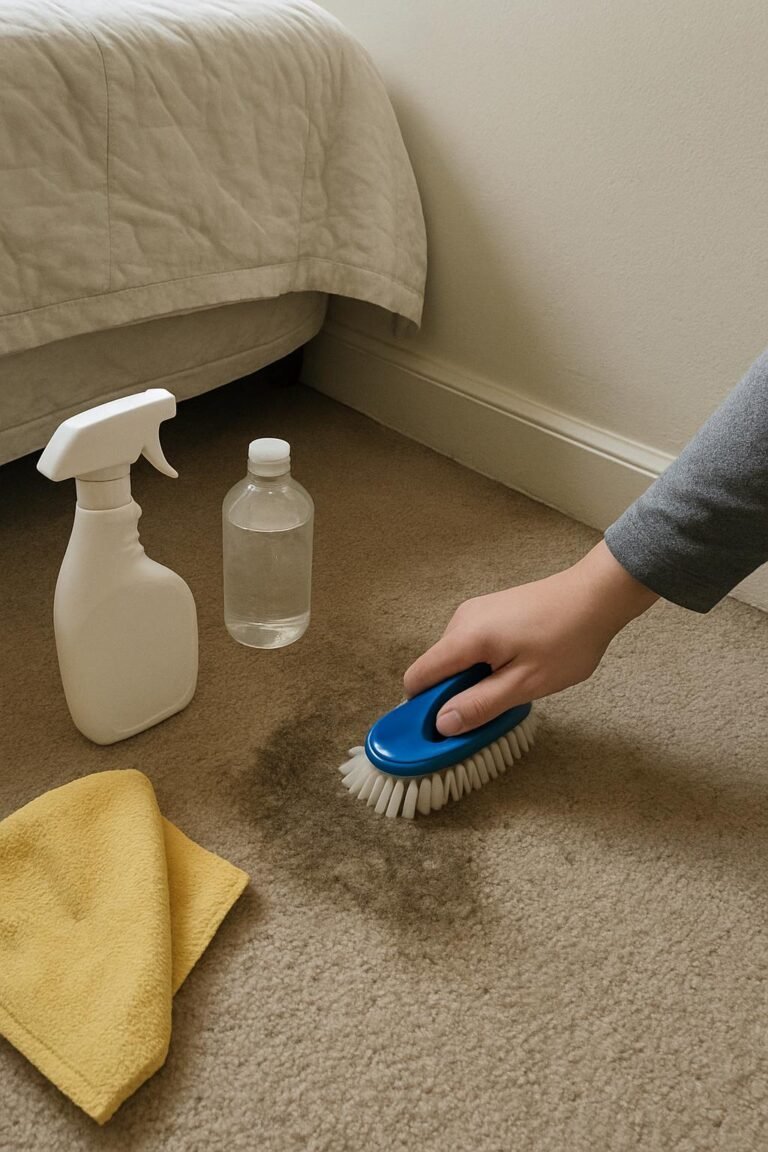
Vacuum thoroughly first, using slow, overlapping passes to pull odor-holding dust out of the fibers. For synthetic carpet with a washable backing, a carpet-specific cleaner used according to the label can help lift trapped odor. For natural-fiber rugs or antique rugs, check the care tag before using any liquid cleaner, since some fibers stain or shrink with moisture.
If the carpet has ever had a spill, pet accident, or moisture issue, treat that as a separate problem. A different removal method may apply if the odor is tied to a stain rather than general staleness — for stains specifically, see how to get a urine stain out of a mattress topper for guidance that also applies to similar absorbent materials.
Fabric: Curtains, Cushions, and Upholstery
Check the care label first. Machine-washable fabric can go through a normal wash cycle using your regular detergent. Dry-clean-only fabric should not be treated with home cleaners or heavy moisture, since that can cause shrinking, discoloration, or a damaged finish. For non-washable upholstery, a fabric-safe upholstery cleaner used exactly as labeled is the safer option, applied to a small hidden area first to confirm it doesn’t leave a mark.
Wood Surfaces and Trim
Wipe wood trim, floors, or furniture with a barely damp cloth and a cleaner appropriate for that specific wood finish. Avoid soaking wood, since trapped moisture can warp panels or dull a finish. If the wood is unfinished or has visible cracking, a professional refinisher can advise whether the smell is sitting in a damaged surface layer.
Closets and Enclosed Spaces
Empty the space completely, vacuum corners and shelves, and leave the door open with a fan directed inside for at least a few hours. Stagnant air is often the biggest contributor to musty smell in closets, more so than the materials themselves.
Ventilate the Room the Right Way
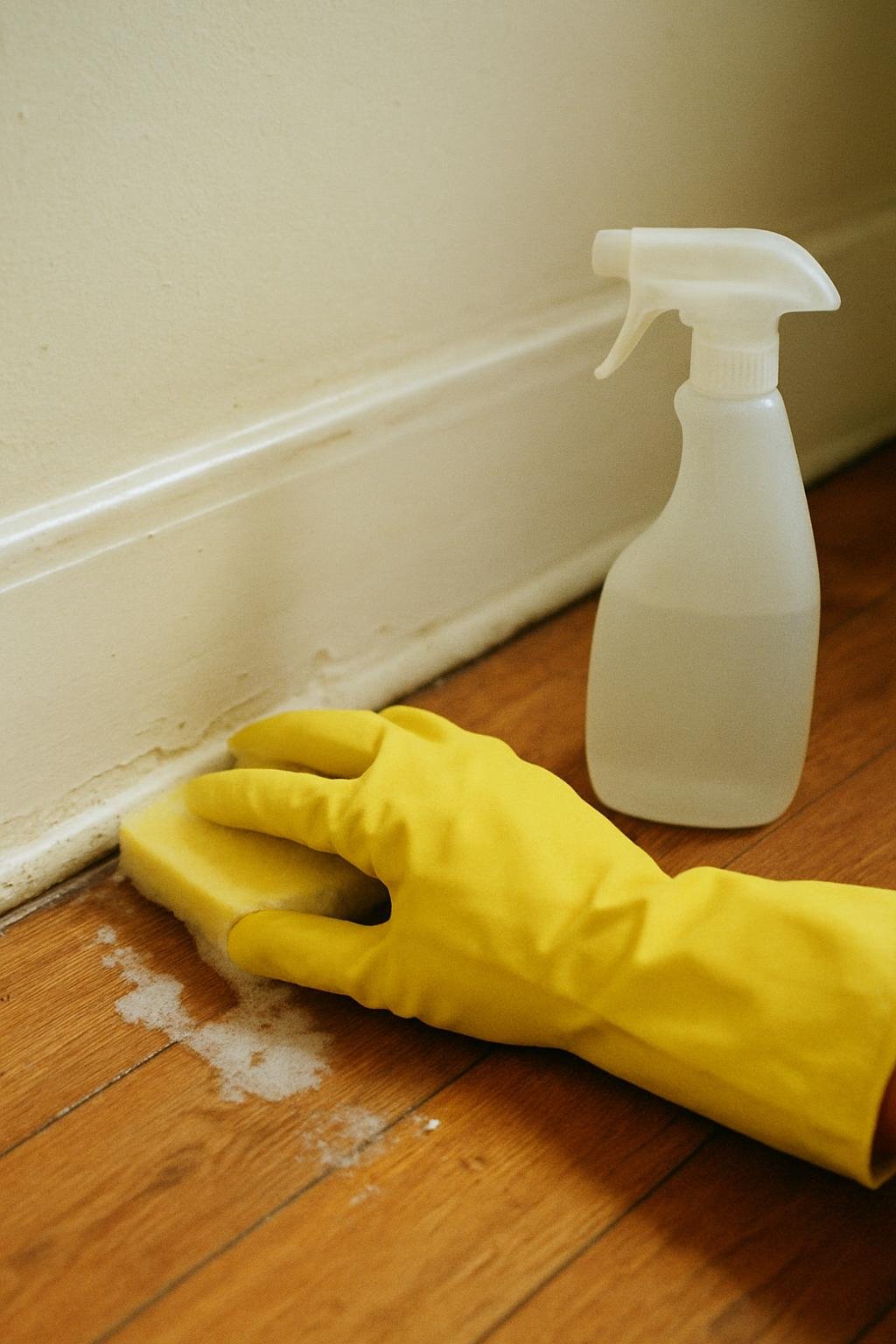
Cleaning removes the source, but airflow removes what is left in the air and prevents odor from resettling into fabric and carpet you just cleaned.
- Open windows on opposite sides of the room if possible, so air moves through rather than sitting still.
- Run a fan pointed toward the open window to pull air out rather than just circulating it.
- Keep the room ventilated for several days, not just a few hours, especially if the smell has been present for months.
- Avoid closing the room back up immediately after cleaning, since trapped humidity can reintroduce a musty smell.
Cleaning Mistakes That Make Old House Smell Worse
A few common habits can trap odor instead of removing it:
- Relying only on air freshener or scented spray — this masks the smell temporarily but does not remove the source, and the odor typically returns within a day or two.
- Over-wetting carpet or upholstery — excess moisture left in padding or foam can create a new musty smell that is harder to remove than the original one.
- Closing the room immediately after cleaning — this traps humidity from cleaning products and slows odor removal.
- Skipping the padding under carpet — if odor persists after cleaning the surface, the padding underneath may be the actual source.
If cleaning attempts pull up unrelated debris, such as dried craft material stuck in carpet fibers, that’s a separate issue worth handling on its own; see how to get dried slime out of carpet for that specific removal method.
When Cleaning Alone Is Not Enough
If the smell returns quickly after a thorough cleaning and full ventilation cycle, that often points to a moisture source rather than surface odor. Signs worth taking seriously include:
- Visible mold or dark spotting on walls, baseboards, or carpet backing
- Soft, spongy, or discolored flooring
- A musty smell that returns within a day of cleaning
- Peeling paint or bubbling near baseboards
These signs suggest a moisture or ventilation problem behind the wall or under the flooring, which is outside the scope of surface cleaning. A qualified inspector or moisture-remediation professional can evaluate whether there’s an underlying leak, humidity issue, or material that needs to be replaced rather than cleaned.
Keeping the Room Smelling Fresh
Once the odor is gone, a few habits help prevent it from building back up:
- Vacuum carpet and upholstery on a regular schedule, especially in rooms with less foot traffic and airflow.
- Crack windows periodically, even in rooms you don’t use often, to prevent stagnant air from settling into fabric.
- Wash curtains and removable cushion covers on the schedule recommended by their care label.
- Address spills or moisture immediately rather than letting them dry into carpet or upholstery.
For a broader room-by-room routine that helps prevent odor buildup before it starts, the household cleaning checklist covers the maintenance tasks that keep stale smells from settling in over time.
Everything Mentioned Above
Before you leave, grab the tools you need to get the job done right the first time:
*As an Amazon Associate, TidyFormula earns from qualifying purchases.