Why Does My House Smell Musty after Rain
A musty smell after rain usually means moisture is getting into materials that trap odor, such as damp carpet, a humid crawl space, a slow roof or window leak, or trapped humidity in a basement with poor airflow. The smell is a signal of dampness somewhere in the house, not just an odor problem, so treating it means finding where water or humidity is getting in first.
In many homes this shows up gradually, where the smell fades within a day or two after a storm, then comes back every time it rains again. That pattern is worth paying attention to, since it usually points to a repeating moisture source rather than a one-time spill.
⚡ The TidyFormula™ Quick Decision
Best approach: Track down where moisture is entering or collecting (windows, roof, foundation, crawl space, or a damp material like carpet or drywall), then dry that area thoroughly and improve airflow so the smell has no source to return to.
Use caution with: Porous materials such as carpet padding, drywall, and wood subflooring, which can hold moisture long after the surface feels dry and may need professional drying equipment rather than a quick wipe-down.
Stop and reassess if: You see visible mold growth, water stains that keep spreading, warped flooring, or a smell that gets stronger instead of weaker, since these can point to an active leak or a mold issue that needs a qualified inspector rather than a cleaning fix.
What I Use For This Job
Using the right tools saves time and protects your belongings. Here are my exact recommendations:
*As an Amazon Associate, TidyFormula earns from qualifying purchases.
Why Rain Brings Out a Musty Smell
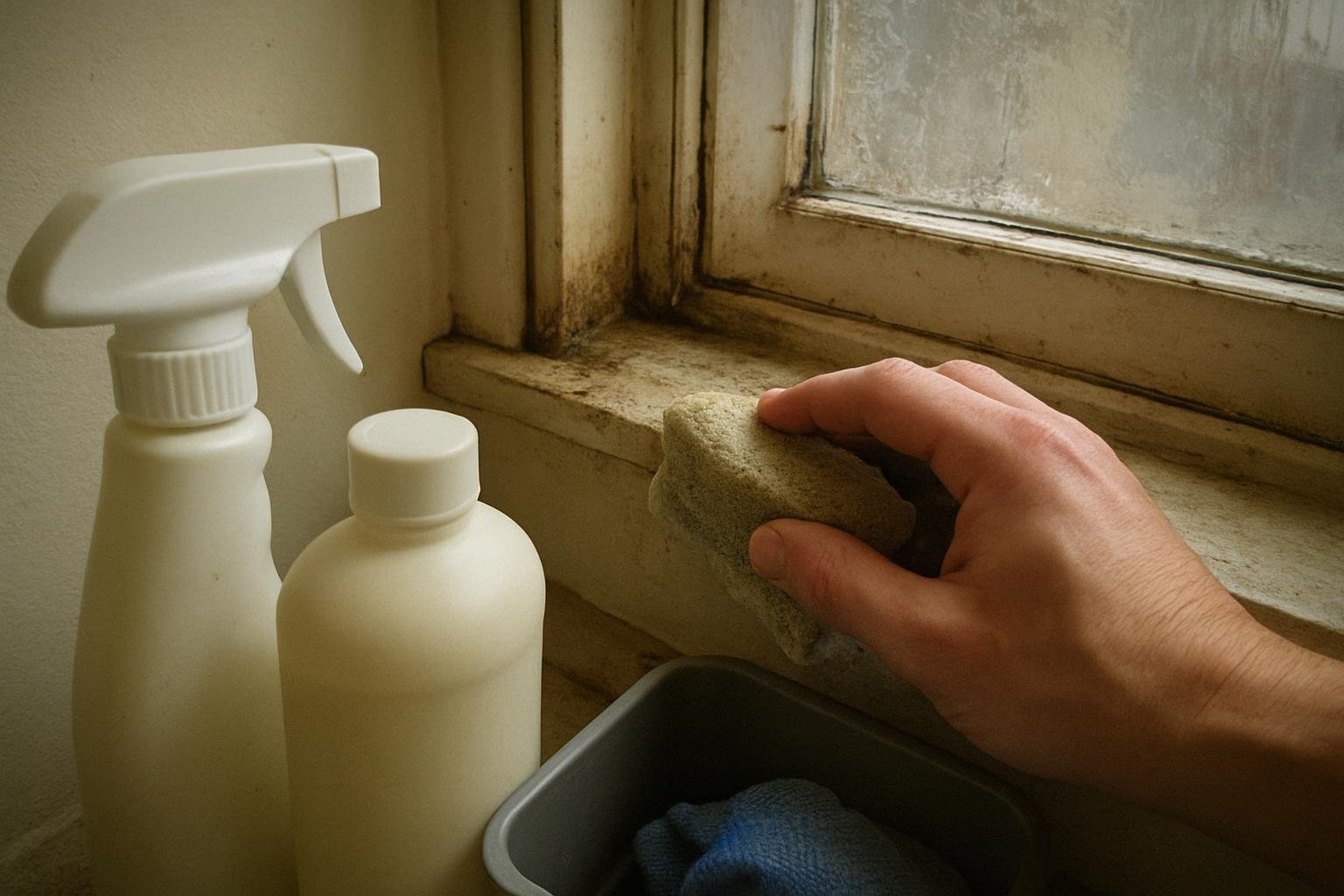
Musty odor is typically linked to dampness sitting in materials that do not dry out quickly, like fabric, wood, drywall, or unsealed concrete. Rain raises indoor humidity through small leaks, poor drainage around the foundation, or simply higher outdoor humidity working its way indoors through windows, vents, and gaps. If your house already has a hidden damp spot, rain often intensifies the smell because it adds more moisture on top of what is already there.
The smell itself does not tell you exactly what is happening behind the scenes. It can come from a genuinely wet material, from stagnant air in an enclosed space, or from a small ongoing leak that never fully dries between rain events. Treating the odor without identifying the source usually means the smell returns with the next storm.
Common Causes Worth Checking
Not every musty smell has the same cause, so it helps to narrow down where the moisture is likely coming from before choosing a fix.
- Basement or crawl space humidity: These areas often have limited airflow and can hold moisture in concrete, wood framing, or insulation long after rain stops.
- Window or door leaks: Worn weatherstripping or degraded caulking can let water seep in around frames, sometimes only in heavy rain or wind-driven storms.
- Roof or attic moisture: A minor roof leak may not show an obvious drip but can slowly dampen insulation or attic wood, creating a musty smell that drifts down into living spaces.
- Foundation drainage issues: Gutters, downspouts, or grading that direct water toward the house instead of away from it can push moisture into basement walls or under flooring.
- Damp textiles or flooring: Carpet, rugs, or upholstered furniture near an entryway can absorb rainwater tracked in on shoes or pets and stay damp long enough to develop a musty smell.
How to Find the Actual Source
- Walk through the house shortly after a rain event, paying attention to where the smell is strongest. Basements, closets, and rooms near exterior walls are common starting points.
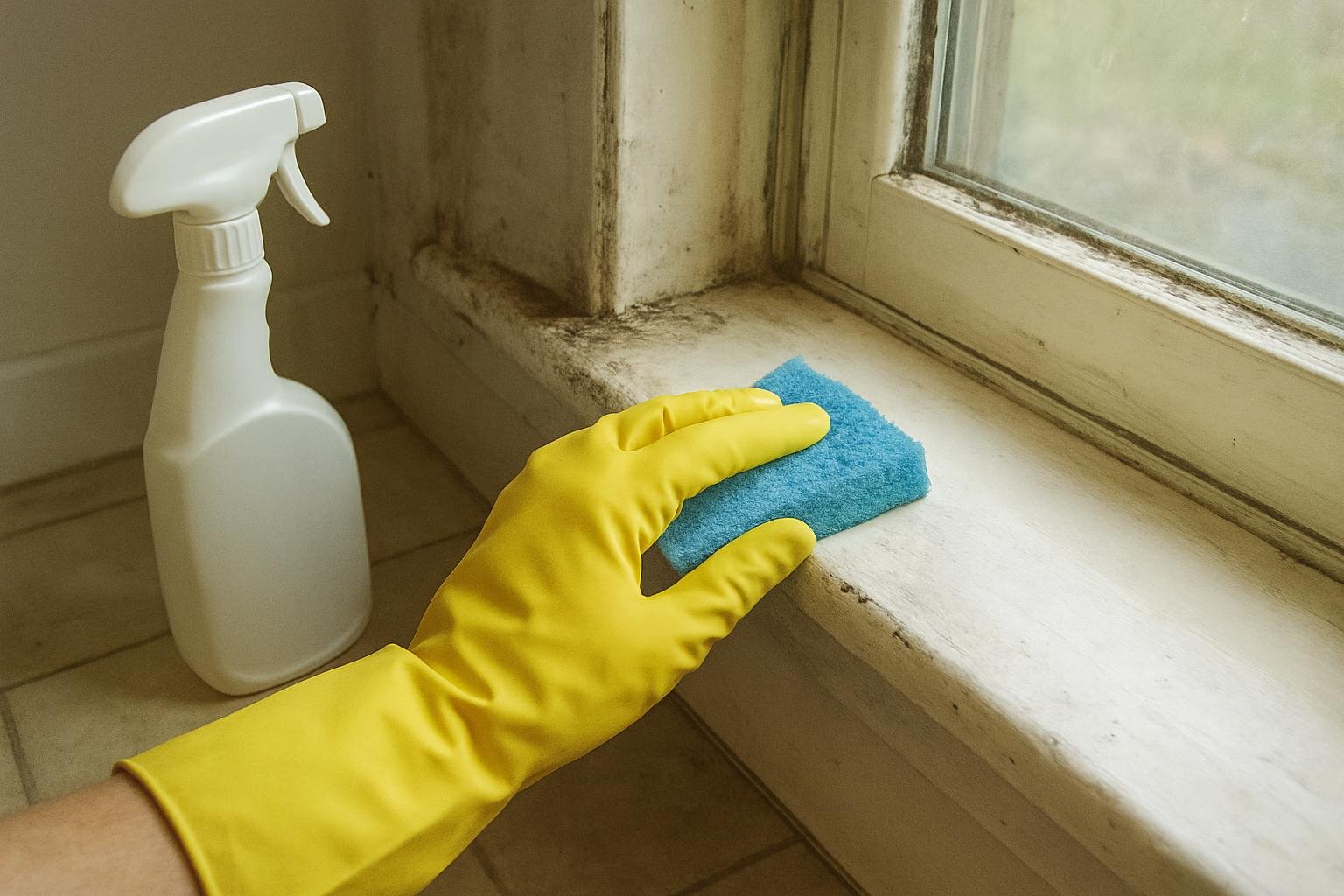
- Check windows, door frames, and any areas below grade for visible dampness, discoloration, or a soft feel when pressed. A soft or spongy spot on drywall or wood often means moisture has been sitting there for a while.
- Look at attic insulation and ceiling corners for staining, especially in rooms directly under the roof. Staining that reappears after every rain suggests an ongoing leak rather than a one-time event.
- Inspect gutters and downspouts to confirm water is being carried away from the foundation rather than pooling near it.
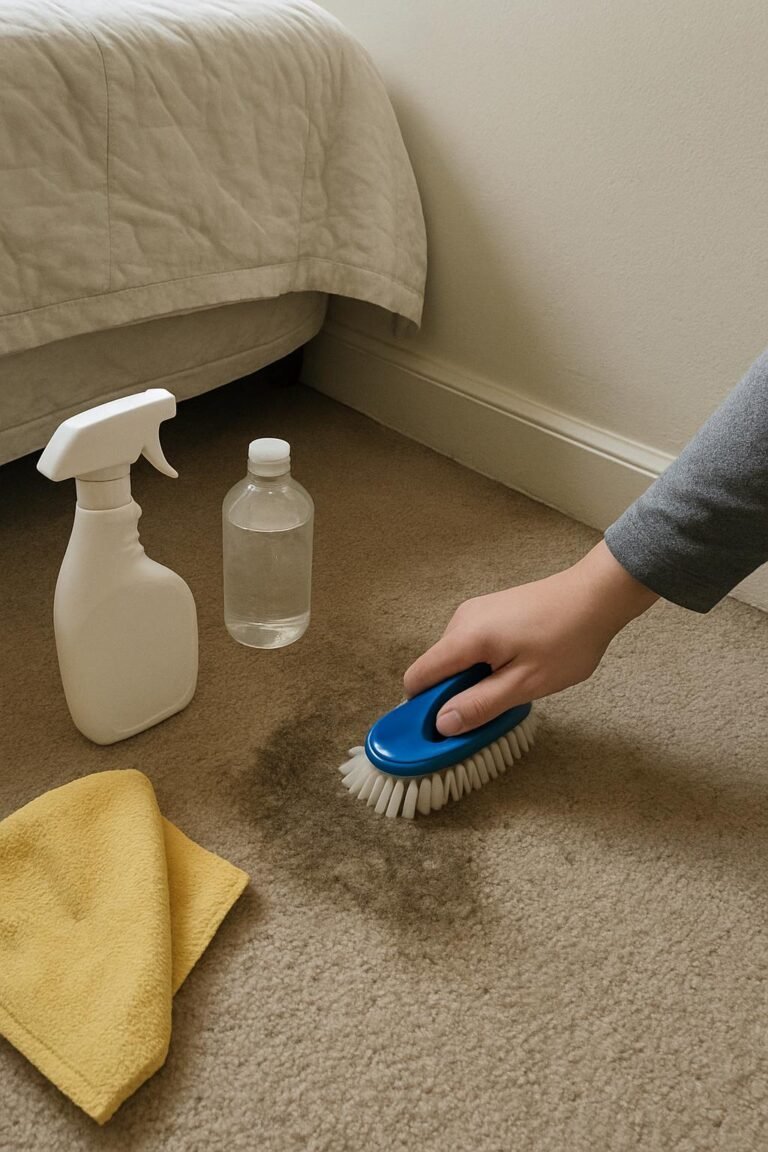
- Press on carpet near exterior doors or in basement rooms to see if it feels damp, since carpet padding can hold water well after the surface looks dry.
If you find damp carpet or padding that stays wet for more than a day, that material may need to be pulled up and dried separately, or replaced if it has been wet long enough to smell strongly on its own.
Fixing the Smell Once You Know the Source
Once you have identified where the dampness is coming from, the fix usually falls into one of two categories: drying out what is already wet, or stopping water from getting in again.
For a damp room with no active leak, start by increasing airflow. Open windows when humidity outside is lower than indoors, run a dehumidifier in basements or enclosed spaces, and use exhaust fans in bathrooms or laundry areas connected to the affected space. A portable fan aimed at a damp area can speed up drying, but it will not fix a material that has been wet for several days, since mustiness at that point usually means the moisture has soaked in rather than just sitting on the surface.
For damp carpet or fabric near entry points, blot up as much moisture as possible with clean towels, then let the area dry fully before deciding whether it needs a deeper clean. If the odor is coming from a specific item rather than the room itself, treating that item directly is more effective than trying to deodorize the whole space. For general upkeep once things are dry, a routine from the household cleaning checklist can help you keep entryways and damp-prone rooms from building up moisture between storms.
If the source is a leak around a window, door, or roof, drying the area helps temporarily, but the smell will likely return with the next rain until the leak itself is sealed or repaired. Small gaps in caulking or weatherstripping are sometimes a reasonable do-it-yourself fix, but a roof leak or foundation drainage problem usually calls for a qualified contractor, since misdiagnosing the entry point can mean spending time on drying without solving anything.
Cleaning Mistakes That Make the Smell Worse or Keep It Coming Back
A few habits can undermine an otherwise reasonable cleaning effort:
- Deodorizing instead of drying: Air fresheners and odor sprays can mask a musty smell temporarily but do nothing for the moisture causing it, so the smell typically returns once the product wears off.
- Closing up a damp room: Shutting doors and windows to “keep the smell in” actually traps humidity and slows drying. Airflow is usually more useful than isolation.
- Skipping the padding under carpet: Cleaning only the visible carpet surface while the padding underneath stays wet leaves the real source of the smell untouched.
- Ignoring gutters and grading: Treating an indoor symptom while water continues pooling near the foundation outside means the same problem is likely to repeat with the next storm.
Preventing the Smell From Returning
Once you have dealt with the current moisture, a few ongoing habits can reduce how often the smell comes back after future rain:
- Run a dehumidifier in basements or crawl spaces during humid seasons, keeping indoor humidity in a range that discourages dampness from lingering in building materials.
- Check gutters and downspouts periodically, especially before rainy seasons, to make sure water is directed well away from the foundation.
- Inspect window and door seals yearly, replacing worn weatherstripping or caulking before it becomes a source of water intrusion.
- Keep entryway rugs and mats clean and dry, and lift them occasionally to check that moisture is not collecting underneath on the floor.
If the musty smell keeps returning after you have addressed obvious sources, or if you notice visible mold growth, persistent water stains, or a smell that seems to be getting stronger over time, it is worth having a professional inspect the house for a leak or moisture issue that is not visible from a simple walk-through.
Everything Mentioned Above
Before you leave, grab the tools you need to get the job done right the first time:
*As an Amazon Associate, TidyFormula earns from qualifying purchases.