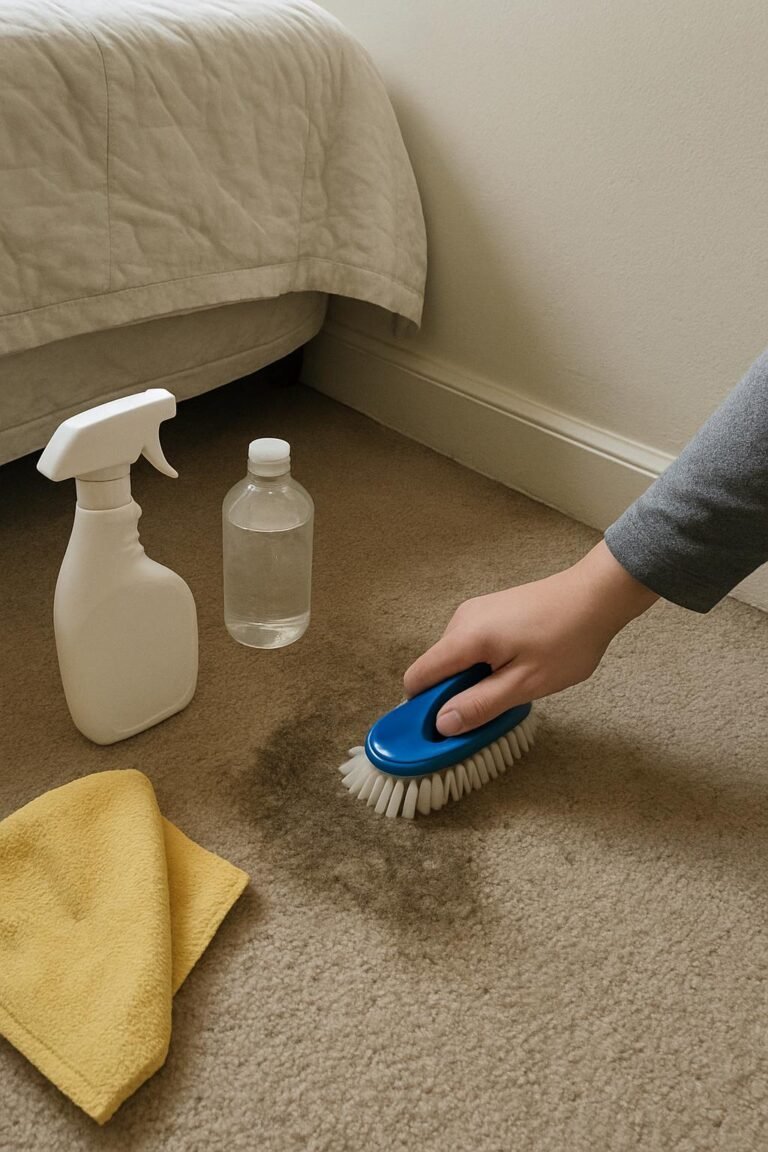
How to Remove Fish Smell from Kitchen
The fastest way to remove fish smell from your kitchen is to tackle it in three places at once: the air, the surfaces the fish touched, and any lingering cookware or trash. Simmering an acidic solution on the stove helps cut airborne odor, while washing surfaces and containers removes the oils that keep smelling long after cooking. Ventilation matters as much as any cleaner you use.
Fish odor tends to cling because the oils are more persistent than the smell from most other foods, so a quick wipe-down or a scented candle usually isn’t enough on its own.
⚡ The TidyFormula™ Quick Decision
Best approach: Ventilate the kitchen first, then simmer an acidic solution like lemon water or a light vinegar-water mix on the stove while washing any surfaces, dishes, or containers the fish touched with dish soap and warm water.
Use caution with: Unsealed wood cutting boards and countertops, which can absorb fish oils, and any appliance with a fan or filter you have not checked for cleaning instructions.
Stop and reassess if: The smell persists after a full day of cleaning and airing out the space, since that can mean odor has settled into a drain, disposal, appliance gasket, or porous surface that needs targeted treatment.
What I Use For This Job
Using the right tools saves time and protects your belongings. Here are my exact recommendations:
*As an Amazon Associate, TidyFormula earns from qualifying purchases.
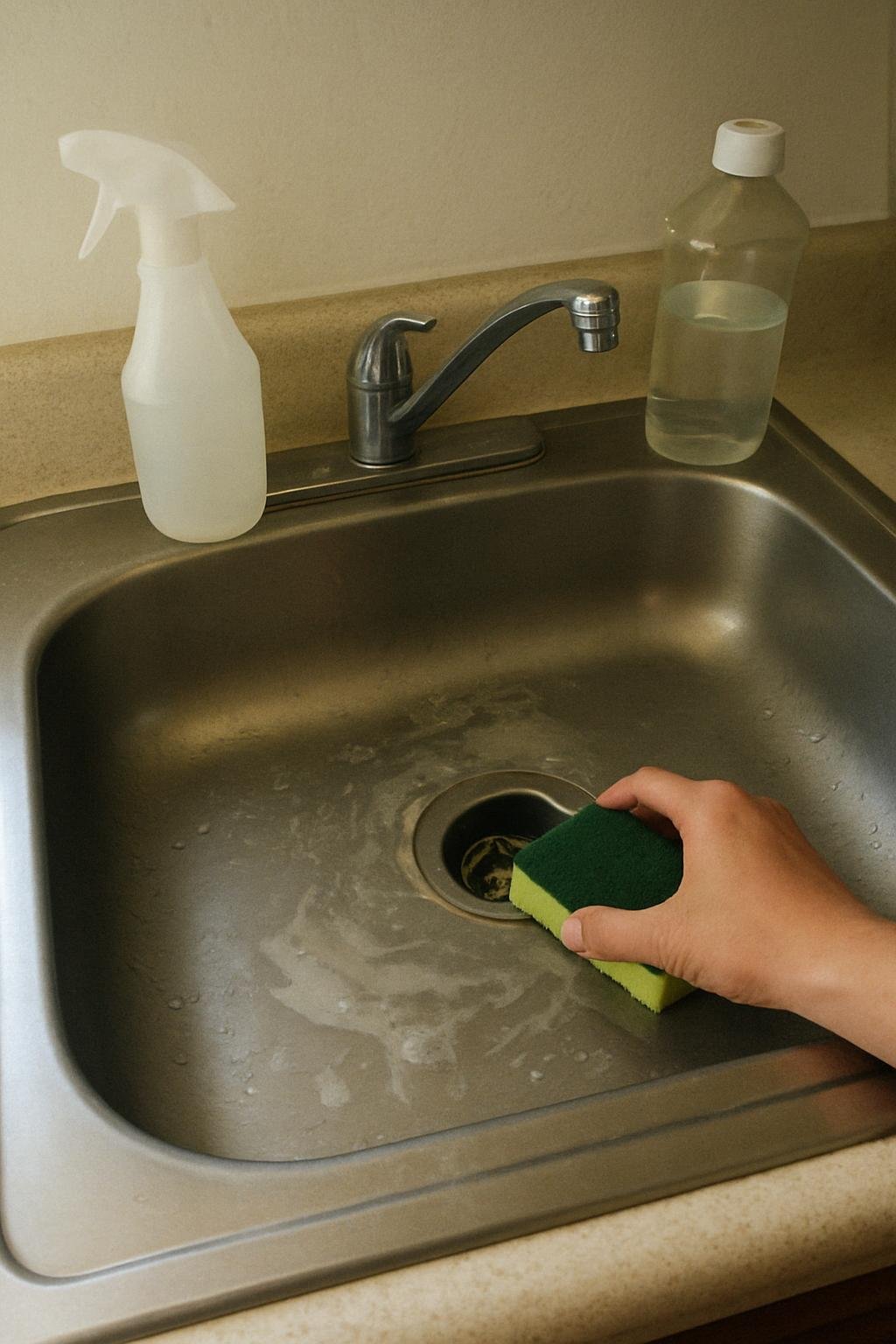
Start With Ventilation, Not Cleaner
Before you scrub anything, open windows and turn on your range hood or an exhaust fan if you have one. Fish odor is carried largely through the air, and no cleaning product will outpace a closed, poorly ventilated kitchen. If your range hood vents outside rather than recirculating air through a filter, run it during and after cooking, not just while the fish is on the stove.
A box fan or portable fan aimed toward an open window or door can speed this up significantly, especially in kitchens without strong exhaust ventilation.
Simmer an Odor-Neutralizing Pot on the Stove
While the kitchen airs out, fill a small pot with water and add either sliced lemon or a few tablespoons of white vinegar. Bring it to a low simmer, not a hard boil, and let it run for 15 to 20 minutes. The steam carries the acidic scent through the air and can help offset the fish odor that’s settled into the room.
Avoid combining vinegar with bleach or ammonia-based cleaners anywhere in the kitchen during this process. Keep this pot separate from any other cleaning products you’re using at the same time.
Wash Everything the Fish Touched
Fish oils transfer easily to cutting boards, countertops, utensils, and cookware, and those oils are usually the real source of a lingering smell rather than the air itself. Wash these items with regular dish soap and the warmest water safe for the material.
- Scrape and rinse cookware and utensils immediately after cooking, before oils have a chance to dry and set.
- Wash sealed cutting boards and countertops with dish soap and warm water, then dry thoroughly.
- For unsealed wood cutting boards, avoid soaking; wipe with a soapy cloth and dry quickly to limit how much oil the wood absorbs.
- Run affected dish towels or cloth items through a normal wash cycle before reusing them in the kitchen.
If your cutting board or countertop has a manufacturer care label or finish that restricts water exposure, follow that guidance rather than a generic cleaning method.
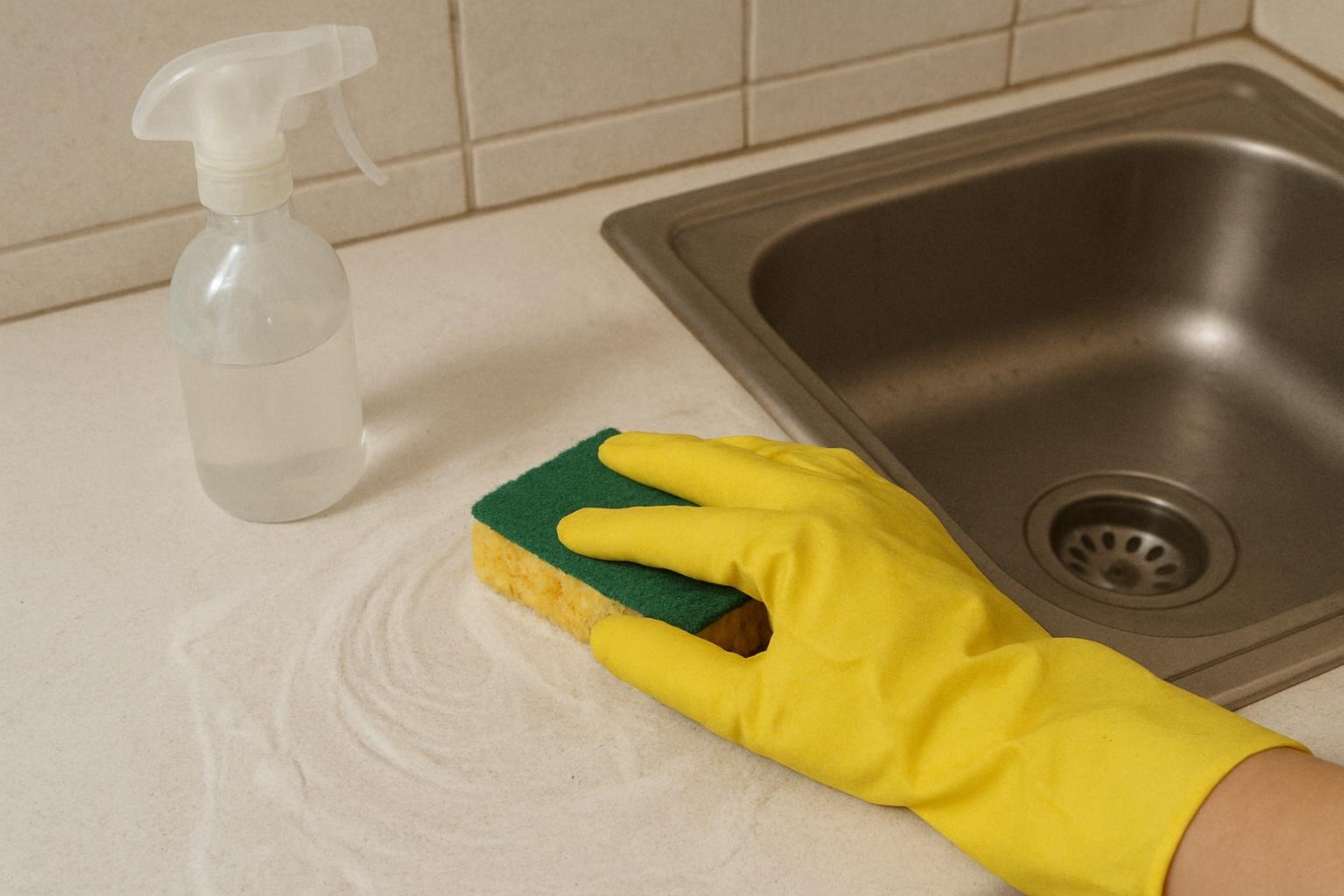
Check the Sink, Disposal, and Trash
If you rinsed fish in the sink or discarded scraps in the disposal, odor can settle into the drain even after the counters are clean. Run cold water through the disposal briefly to help clear residue, and check your disposal’s manual before adding anything beyond water, since some units have specific manufacturer guidance on what’s safe to run through them.
Take out kitchen trash promptly if fish packaging or scraps went into it, and consider double-bagging particularly odorous scraps before they go into an outdoor bin.
Cleaning Mistakes That Make Fish Smell Worse
A few common habits actually prolong the odor instead of solving it:
- Relying only on air fresheners or candles, which mask the smell temporarily but don’t remove the oils causing it.
- Leaving dishes to soak for hours, since standing water with fish residue can intensify odor rather than reduce it.
- Skipping ventilation because it’s cold outside, which allows odor to settle into curtains, upholstery, and other soft surfaces nearby.
- Using a wood cutting board without drying it quickly, which lets oils absorb deeper into the material.
Preventing Fish Smell From Kitchen Cooking Next Time
You likely can’t eliminate fish odor entirely while cooking, but you can reduce how much it lingers:
- Turn on ventilation before you start cooking, not after the smell is already noticeable.
- Use a lid when pan-searing or sautéing fish to limit how much oil and odor escapes into the air.
- Keep a dedicated cutting board for fish if you cook it often, so odors don’t transfer to boards used for other foods.
- Wipe down counters and wash cookware immediately after cooking rather than letting residue sit.
When the Smell Won’t Go Away
If you’ve ventilated the kitchen, cleaned every surface the fish touched, and run water through the disposal, but the odor is still noticeable after a day, the smell may have settled somewhere less obvious, such as inside a refrigerator gasket, a dishwasher filter, or under an appliance. Refer to the manufacturer’s manual before removing any appliance panel, filter, or component, since procedures vary by brand and model. For odor that persists in soft furnishings or textiles rather than hard kitchen surfaces, a broader household cleaning checklist can help you track down other areas worth checking.
Everything Mentioned Above
Before you leave, grab the tools you need to get the job done right the first time:
*As an Amazon Associate, TidyFormula earns from qualifying purchases.