
How to Remove Poop Stains from Clothing, Fabric, and More
Poop stains come out of most washable fabrics if you remove the solid residue first, rinse from the back of the stain, and treat it with an enzyme-based stain remover before washing on the warmest setting the care label allows. Fresh stains respond faster than dried ones, and colored or delicate fabrics may need a gentler approach than sturdy white cotton.
The TidyFormula Quick Decision
Best approach: Scrape off solids, rinse the stain from the back under cool running water, apply an enzyme-based stain remover, then launder on the warmest water the care label allows.
Use caution with: Wool, silk, leather, suede, and any fabric marked dry-clean only, since water and rubbing can distort or damage these materials.
Stop and reassess if: The stain has already dried into the fabric fibers, the color starts to fade during spot testing, or the item is a specialty or dry-clean-only piece that should go to a professional cleaner instead.
What I Use For This Job
Using the right tools saves time and protects your belongings. Here are my exact recommendations:
*As an Amazon Associate, TidyFormula earns from qualifying purchases.
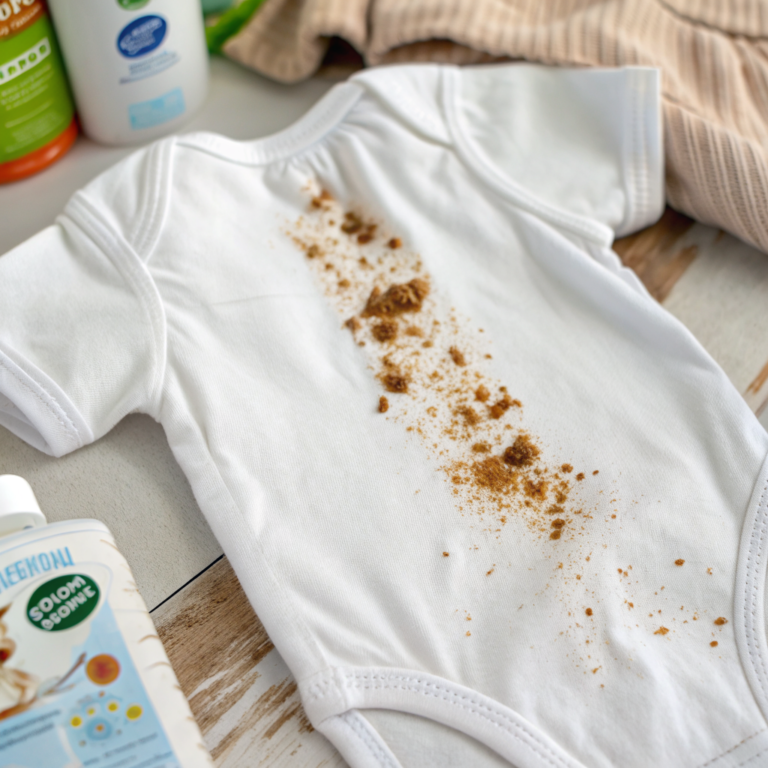
How to Remove Poop Stains From Clothing and Fabric
Washable clothing usually responds well to a rinse-and-pretreat method done before the item goes anywhere near the washing machine. Treating the fabric this way keeps the stain from setting deeper into the fibers during a regular wash cycle.
- Scrape or shake off any solid material into the toilet or trash before touching the fabric with water.
- Hold the stained area under cool running water with the back of the fabric facing the faucet, so water pushes the residue out rather than through the fibers.
- Apply a small amount of enzyme-based stain remover or a liquid laundry detergent directly to the stain and gently work it in with your fingers or a soft brush.
- Let the product sit on the fabric for the time listed on its label, since dwell times vary by brand and formulation.
- Wash the item on the warmest water setting the care label allows, ideally as soon as possible after pretreating.
- Check the stain before drying. If any shadow remains, repeat the pretreatment rather than running the item through the dryer, since heat can set a lingering stain permanently.
Hot water and dryer heat both help fix protein-based stains in place, so avoiding the dryer until the stain is fully gone is one of the most useful habits with this type of soiling.
Removing Poop Stains From Carpet and Upholstery
Carpet and upholstery need a blotting approach instead of rinsing, since you cannot run these materials under a faucet. For stubborn, sticky residues on sofas, our guide on how to remove slime from a fabric couch covers safe scraping and spot-treating techniques.
Lift as much solid material as possible with a plastic scraper or paper towel before any liquid touches the area.
Once the solids are gone, blot the stain with a cloth dampened in cool water, working from the outer edge toward the center so you do not spread the residue further. Follow with a small amount of enzyme-based carpet or upholstery cleaner, applied according to its label, then blot again with a clean dry cloth. Avoid scrubbing hard, since aggressive rubbing can push residue deeper into carpet backing or upholstery padding. If the stain is a biological accident, our guide for cleaning pet vomit from carpet shows how enzyme products can be used safely on carpets.
Always spot test any cleaner on a hidden section of the carpet or upholstery first. Some dyes and natural fibers react to cleaning products with fading or discoloration that is not always reversible. For fabric-covered seating with glued seams or foam padding, follow the steps in how to clean a fabric office chair to avoid water marks and damage from over-wetting.
TidyFormula Tip
Keep a dedicated cloth or paper towels for the initial blotting step so you are not reusing the same surface across different areas of the stain.
Poop Stains on Bedding and Blankets
Bedding and blankets generally follow the same rinse-and-pretreat logic as clothing, but the size of the item changes how practical each step is. A fitted sheet or pillowcase can go directly under a faucet, while a large comforter or a weighted blanket may need spot treatment instead of full submersion. Our guide to cleaning a duvet insert explains safe handling for bulky bedding.
For heavier or specialty blankets, check the care label before soaking any section, since some fillings and outer fabrics do not tolerate machine washing the same way standard cotton bedding does. If you are dealing with a weighted, electric, or otherwise specialty blanket, consult the relevant care instructions—see how to clean an electric blanket safely for model-specific precautions—because soaking or aggressive agitation can ruin fillings or wiring. If you are dealing with a weighted blanket specifically, a related guide on whether you can wash an Oodie weighted blanket walks through the safe way to approach washing that type of item without damaging the fill or the outer shell.
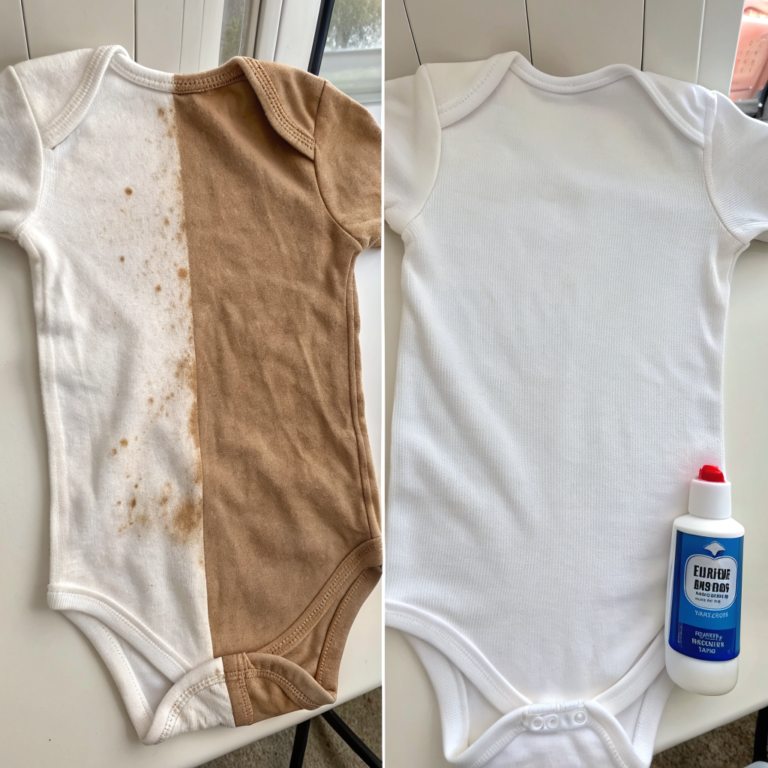
What to Avoid When Cleaning Poop Stains
A few common habits make poop stains harder to remove instead of easier, and most of them come from rushing the process or reaching for the wrong product.
- Do not use hot water during the initial rinse. Heat can cook protein-based residue into the fabric before you have had a chance to lift it out.
- Do not put a stained item in the dryer until the stain is fully gone. Dryer heat can set a faint stain permanently, turning a treatable mark into one that no longer responds to washing.
- Do not scrub aggressively on carpet, upholstery, or delicate fabric. Hard scrubbing can push residue deeper or damage fibers, especially on wool, silk, or napped surfaces.
- Do not mix cleaning chemicals in an attempt to boost strength. Combining bleach-based products with ammonia-based products or other cleaners is not simply less effective, it is unsafe, and these products must never be mixed.
- Do not assume a stain is gone just because it looks clean. Visible cleanliness is not the same as sanitizing, and if you have specific health concerns about bacteria or contamination, a healthcare or environmental health professional is a better resource than a cleaning guide.
Drying and Aftercare
Air drying is the safer choice any time you are not fully certain the stain is gone, since it lets you inspect the fabric again before committing to heat. Lay the item flat or hang it in a well-ventilated area and check it in good light once it is dry. If the item is attached to furniture—like a fabric bed frame—consult our fabric bed frame cleaning guide before applying liquids or soaking sections to avoid trapped moisture in padding or glued seams.
If a faint mark remains after air drying, repeat the pretreatment step rather than washing the item again on its own. Repeating the wash cycle without fresh pretreatment rarely removes a stain that has already been through one full cycle unresolved.
Frequently Asked Questions
Can I use bleach on poop stains?
Bleach can help on white, bleach-safe cotton fabrics, but it should never be combined with other cleaning products, and it is not suitable for colored fabrics, wool, silk, or many synthetic blends. Check the care label first and always spot test.
What if the stain has already dried in?
Dried stains often need a longer soak in cool water before pretreatment, since the residue has to rehydrate before an enzyme cleaner can work on it. Repeat the rinse-and-treat cycle more than once if needed before giving up on the item.
Is hydrogen peroxide safe for poop stains?
Hydrogen peroxide can work as a stain treatment on some white or colorfast fabrics, but it can lighten dyes on colored items, so a spot test in an inconspicuous area is necessary before applying it to a visible section.
Why did the stain come back after washing?
A returning stain usually means residue was left behind at the fiber level even though the surface looked clean, or the item was dried with heat before the stain was fully treated. Re-treating with a fresh application of enzyme cleaner before the next wash usually helps.
How often should I treat carpet for this type of stain?
Treat carpet as soon as you notice the stain rather than waiting, since fresh residue lifts far more easily than residue that has had time to settle into the carpet backing. There is no routine schedule needed beyond prompt spot treatment when an accident happens.
Everything Mentioned Above
Before you leave, grab the tools you need to get the job done right the first time:
*As an Amazon Associate, TidyFormula earns from qualifying purchases.