Engineered vs Laminate vs Hardwood: Understanding Differences and Durability
Engineered, laminate, and hardwood flooring differ mainly in how they handle moisture, wear, and repair over time: hardwood is solid wood that can be sanded and refinished but reacts poorly to standing water, engineered wood has a real wood veneer over a stable core that tolerates humidity changes better, and laminate is a printed wear-layer over composite board that resists scratches well but cannot be refinished. The right choice depends on the room, the moisture level, and how much long-term maintenance you want to take on.
The TidyFormula Quick Decision
Best approach: Match the flooring type to the room’s moisture exposure first, then choose hardwood for dry living areas you want to refinish someday, engineered wood for basements or humid climates, and laminate for high-traffic households that want scratch resistance and easier upkeep.
Use caution with: Solid hardwood in bathrooms, laundry rooms, or below-grade spaces, and laminate flooring near frequent standing water, since its core board can swell if moisture reaches the seams.
Stop and reassess if: You see boards cupping, lifting at the seams, a soft or spongy feel underfoot, or a musty smell, since these signs point to moisture damage that needs a flooring professional rather than a cleaning fix.
What I Use For This Job
Using the right tools saves time and protects your belongings. Here are my exact recommendations:
*As an Amazon Associate, TidyFormula earns from qualifying purchases.
What Is the Difference Between Engineered, Laminate, and Hardwood Flooring?
Hardwood is a single piece of solid wood milled into planks, so the entire board is the same material top to bottom. Engineered wood has a thin layer of real wood glued to layers of plywood or composite core, which gives it more dimensional stability. Laminate has no real wood at all; it uses a photographic wear layer over a dense fiberboard core, which is why it can mimic wood, stone, or tile at a lower cost.
These construction differences drive almost every other difference in this comparison, including how each floor handles water, how it can be repaired, and how long it tends to last with normal household use.
Durability and Wear
Hardwood holds up well to years of foot traffic and can often be sanded and refinished when the surface becomes scratched or dull, though that depends on how thick the boards are and how many times they have already been refinished. Engineered wood has a thinner wear layer, so it can usually be lightly refinished once, sometimes not at all, depending on the product.
Laminate resists surface scratches from pet claws and grit better than either wood option because of its hard wear layer, but once that layer is damaged or the core is exposed, the board typically needs to be replaced rather than repaired.
| Flooring Type | Scratch Resistance | Refinishing | Typical Lifespan Range |
|---|---|---|---|
| Hardwood | Moderate | Often possible multiple times | Decades with care |
| Engineered Wood | Moderate | Limited or once | One to several decades |
| Laminate | High | Not possible | Around a decade or more |
Water and Moisture Resistance
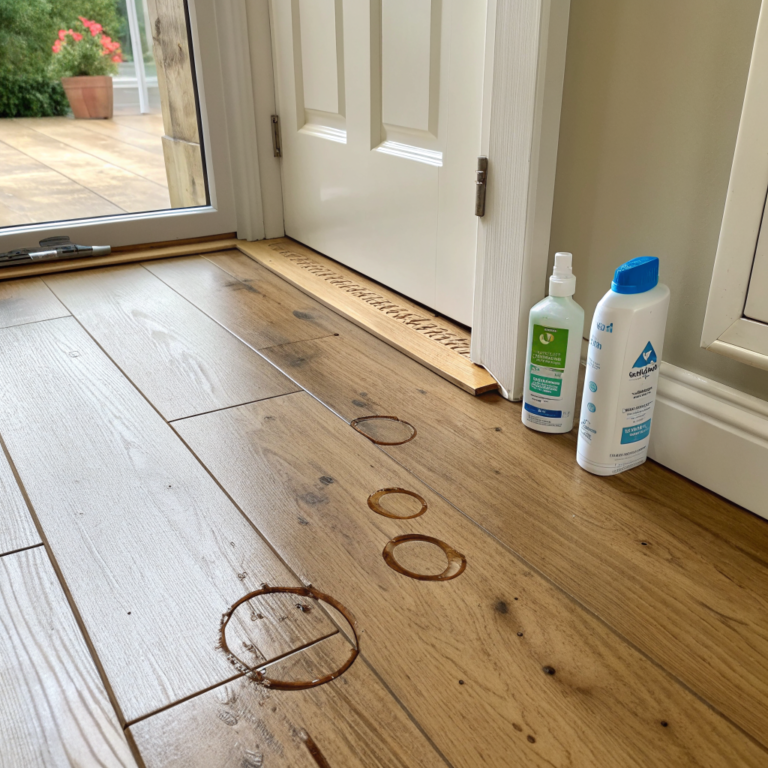
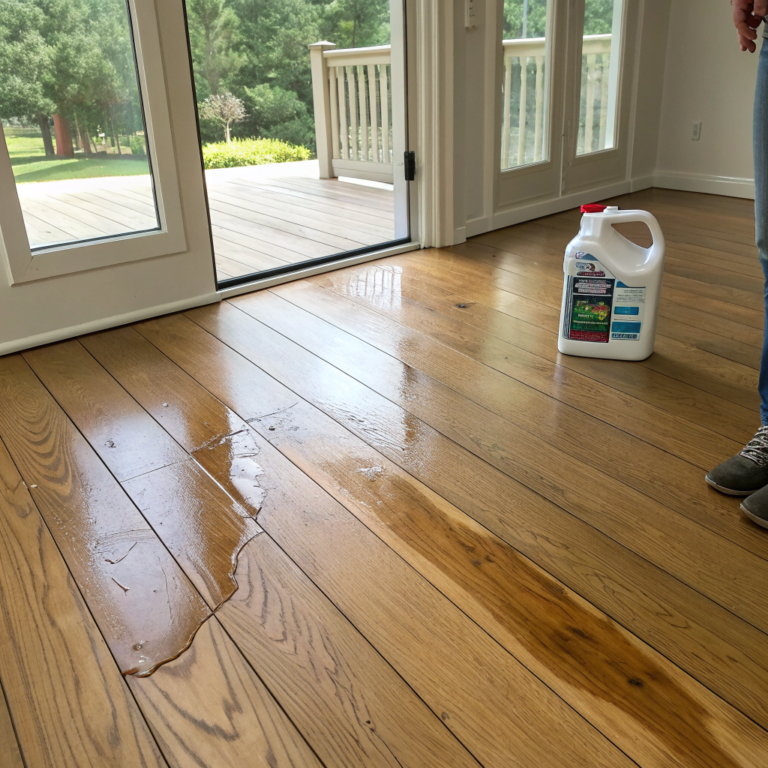
Solid hardwood is the most vulnerable of the three to standing water and high humidity, since the wood can absorb moisture and warp or cup. Engineered wood’s layered core generally resists humidity swings better than solid hardwood, which is why many manufacturers approve it for basements, though the wood veneer surface still should not sit in standing water.
Laminate’s core is also moisture-sensitive; spills that sit on the surface too long can seep into the seams and cause swelling. Some laminate products include a water-resistant coating, but that is a feature to confirm on the specific product label rather than assume.
Cleaning and Maintenance Differences
Hardwood generally needs a dry or barely damp mop, a cleaner formulated for wood floors, and prompt drying to avoid moisture damage to the finish. For pet households, a look at options like a pet safe floor cleaner for hardwood floors can help you avoid residue that dulls the finish or bothers animals that walk and lie on the floor. For step-by-step technique on mopping and preventing streaks, see how to clean hardwood floors without streaks.
Engineered wood is usually cleaned the same cautious way as hardwood, since the surface is real wood veneer even though the core underneath is different. Laminate tolerates a damp mop more comfortably than either wood option because there is no bare wood to swell, but it still should not be soaked or cleaned with a wet mop that leaves standing water on the seams. For best results and to avoid a filmy residue, follow the guidance in how to clean laminate floors without leaving film.
- Wipe up spills on any of the three flooring types as soon as you notice them.
- Use a cleaner made for the specific flooring type rather than an all-purpose cleaner.
- Avoid steam mops on hardwood and most laminate, since heat and moisture together can affect the finish or core.
For sticky or gummy residues on hard floors, a targeted approach like the one described in how to remove sticky residue from tile floor usually works without harming finishes.
Cost and Installation Considerations
Solid hardwood is typically the most expensive of the three, both in material cost and installation labor, since it is usually nailed or glued down by a professional. Engineered wood often costs less than solid hardwood and can sometimes be installed as a floating floor, which can shorten installation time.
Laminate is generally the least expensive option and is frequently designed for straightforward click-lock installation, which is one reason it appeals to homeowners doing the work themselves. Keep in mind that lower upfront cost can mean a shorter usable lifespan compared with hardwood or engineered wood.
Best Rooms for Each Flooring Type
Hardwood tends to suit living rooms, dining rooms, bedrooms, and other areas with low moisture exposure and lighter foot traffic. Engineered wood works well in those same rooms plus spaces like basements or over radiant heating systems, where solid wood is more likely to react to temperature and humidity changes.
Laminate is often chosen for high-traffic areas, rental properties, and households with pets or kids because of its scratch resistance and lower repair cost, though it is still not the best fit for rooms with frequent water exposure like full bathrooms.
What to Avoid
Avoid choosing solid hardwood for bathrooms, laundry rooms, or basements based only on appearance, since the moisture risk in these spaces is a structural concern, not just a cosmetic one. Avoid assuming all laminate or engineered products are equally water-resistant; water tolerance varies by product, so check the specific manufacturer information when a room has regular moisture.
Avoid using vinegar-based or oil-soap cleaners on hardwood or engineered wood unless the finish manufacturer specifically allows it, since some finishes can dull or become sticky with the wrong cleaner. Avoid wet-mopping laminate to the point that water sits on the seams, and avoid dragging heavy furniture across any of these three floor types without protective pads, since all three can scratch or dent under sharp pressure. If scuffs or black marks appear on resilient surfaces, the methods shown in how to remove black marks from vinyl flooring are a useful starting point.
Frequently Asked Questions
Is engineered wood as good as solid hardwood?
Engineered wood is not identical to solid hardwood, but it offers comparable appearance with better resistance to humidity changes in many cases. The trade-off is a thinner wear layer, which usually limits how many times, if any, the floor can be refinished.
Can laminate flooring get wet?
Laminate can handle brief contact with water better than solid hardwood, but standing water at the seams can still cause swelling over time. Wipe up spills promptly and avoid wet mopping that leaves pooled water on the surface.
Which flooring type is easiest to clean?
Laminate is generally the most forgiving to clean day to day because there is no bare wood surface to protect from moisture or wood-specific cleaners. Hardwood and engineered wood both need more careful, wood-appropriate cleaning routines.
Does hardwood always outlast engineered wood?
Solid hardwood often has a longer potential lifespan because it can usually be refinished multiple times, but actual lifespan depends heavily on foot traffic, humidity, and how well the floor is maintained. A well-cared-for engineered floor can still outlast a poorly maintained hardwood floor.
What should I do if my floor is already cupping or swelling?
Stop any wet cleaning on the affected area and check for an ongoing moisture source, such as a leak or high humidity. If the cupping or swelling does not improve once the moisture source is addressed, a flooring professional can assess whether the boards need replacement.
Everything Mentioned Above
Before you leave, grab the tools you need to get the job done right the first time:
*As an Amazon Associate, TidyFormula earns from qualifying purchases.