How to Remove Sticky Residue from Tile Floor
To remove sticky residue from a tile floor, start with warm water, a microfiber cloth or mop, and a small amount of mild pH-neutral floor cleaner. Work in small sections and rinse away cleaner residue afterward. The main limitation is the tile type: glazed ceramic and porcelain tolerate more than natural stone, unsealed tile, damaged grout, or a worn floor coating.
Sticky floors are often caused by spilled food, tracked-in residue, excess floor cleaner, or a product that was not fully rinsed away. The best approach is to remove the residue gradually rather than using strong solvents or abrasive scrubbers that can dull tile or damage grout.
⚡ The TidyFormula™ Quick Decision
Best approach: Loosen the residue with a lightly damp microfiber cloth, clean with a small amount of mild pH-neutral cleaner, then rinse the area with clean water and dry it.
Use caution with: Avoid vinegar, acidic cleaners, abrasive powders, and strong adhesive removers on natural stone, unsealed tile, damaged grout, or floors with an unknown protective coating.
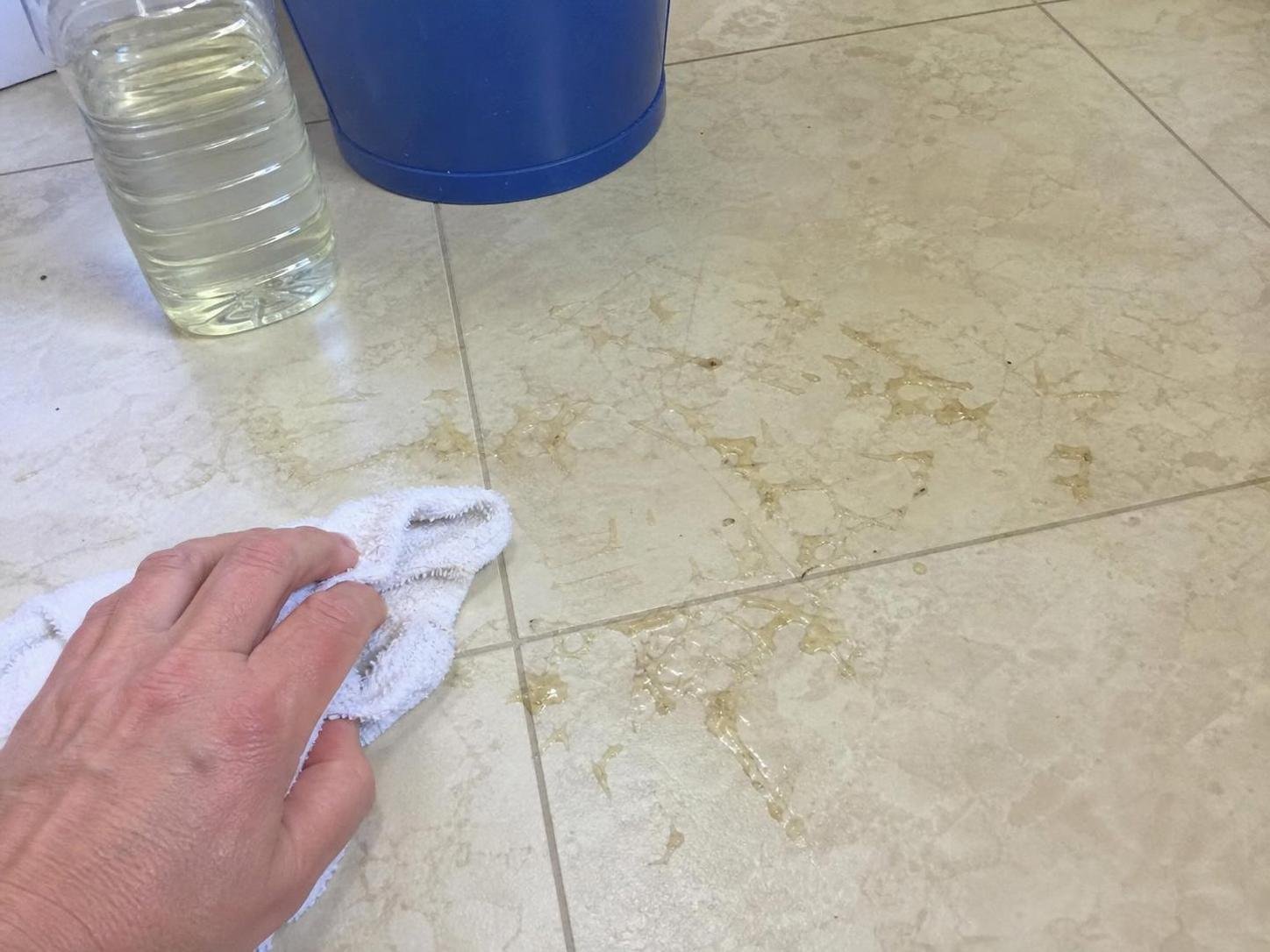
Identify the residue and tile before choosing a cleaner
The safest cleaner for sticky residue depends on whether you are dealing with a spill, dried adhesive, or leftover cleaning product. Check the tile material before using anything stronger than mild cleaner and water.
What I Use For This Job
Using the right tools saves time and protects your belongings. Here are my exact recommendations:
*As an Amazon Associate, TidyFormula earns from qualifying purchases.
- Glazed ceramic or porcelain tile: Usually suitable for careful cleaning with warm water and a mild pH-neutral floor cleaner. Use a plastic scraper only for localized dried residue.
- Natural stone tile: Marble, travertine, limestone, slate, and similar stone can react badly to acidic or harsh cleaners. Use a stone-safe cleaner that follows the product label.
- Textured or matte tile: Residue can settle into the texture. A soft nylon brush may help, but avoid aggressive scrubbing.
- Damaged grout or cracked tile: Use less moisture and avoid soaking the area. Water and cleaner can work into cracks, loose grout, or failing edges.
- Unknown tile or coating: Test the cleaner in an inconspicuous area first. Stop if the surface becomes dull, discolored, tackier, or unusually slippery.
What you need for a low-risk cleanup
You do not need a heavy-duty cleaner for most sticky tile floors. Using too much product is one of the most common reasons a floor stays tacky after mopping.
- Microfiber cloths, microfiber mop pads, or a clean sponge
- Warm water
- A bucket or separate container for clean rinse water
- Mild pH-neutral floor cleaner, used according to its current label
- Plastic scraper, old plastic card, or plastic putty knife for hardened residue
- Soft nylon brush for textured tile or grout lines
- Dry towel or dry microfiber mop pad
Avoid steel wool, scouring powders, razor blades, and stiff wire brushes. They can scratch glazed tile, wear down protective finishes, or roughen grout enough to make future soil harder to remove.
Remove sticky residue without damaging the tile
Start with the mildest method that can reasonably work. This process handles most food spills, drink residue, oily footprints, and cleaner film without leaving more product behind.
- Remove dry grit first. Sweep, vacuum with a hard-floor setting, or dry-mop the area. Sand and crumbs can scratch tile if you rub them into the floor while cleaning.
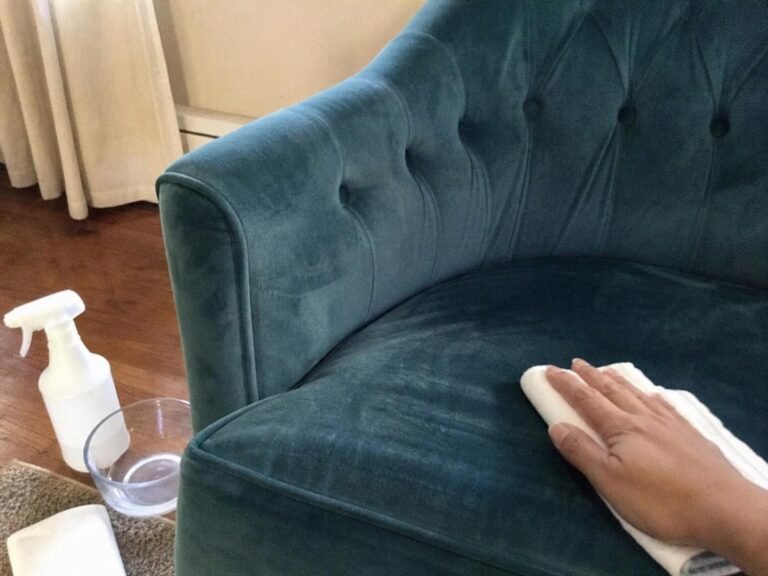
- Soften the sticky area. Dampen a microfiber cloth with warm water and lay it over the residue for a short period. The cloth should be damp, not dripping. This is especially useful for dried syrup, juice, soft drink spills, and food residue.
- Wipe with gentle pressure. Lift the cloth and wipe the area in small passes. Rinse or switch to a clean section of cloth as it picks up residue. Do not spread the sticky material across a larger area.
- Use a small amount of floor cleaner if plain water is not enough. Apply a diluted pH-neutral cleaner according to its label, either to the mop pad or cloth rather than flooding the floor. Work on one small section at a time.
- Lift stubborn dried spots carefully. Hold a plastic scraper nearly flat against the tile and push gently. Do not dig into grout lines or scrape at chipped edges. If the residue does not release, soften it again rather than increasing pressure.
- Rinse away the cleaner. Wipe the area with a separate cloth dampened with clean water. This step matters because leftover cleaner can feel sticky, hazy, or slippery once the floor dries.
- Dry the floor completely. Buff the tile with a dry microfiber cloth or dry mop pad. Check the area by walking over it only after it is dry.
🧪 Why This Works
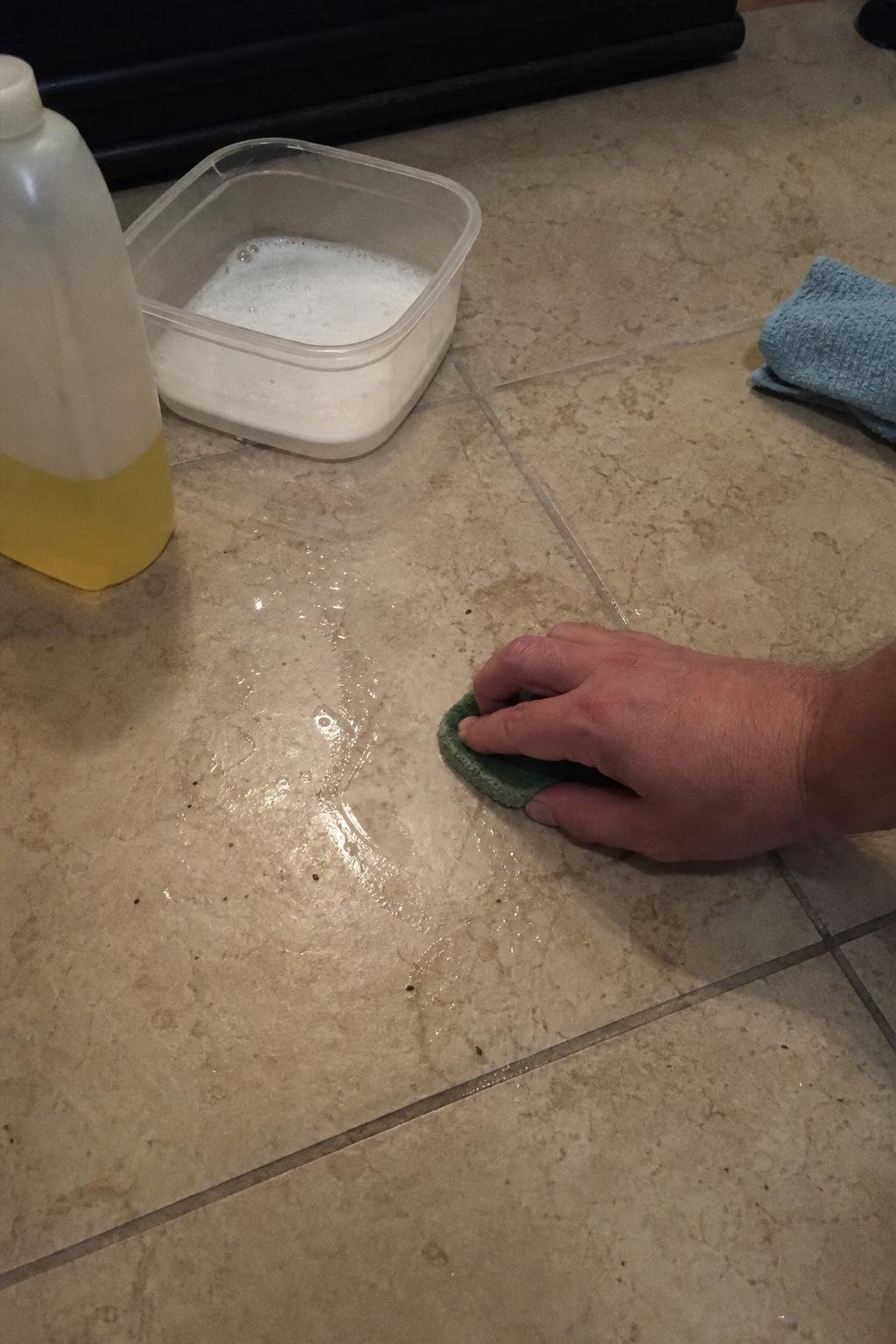
Sticky residue usually needs two separate actions: loosening and lifting. Warm water helps soften many water-based spills, while a mild cleaner can help release oily or tracked-in film. The final clean-water wipe is just as important because it removes the cleaner and loosened residue instead of leaving them on the tile.
What to do with adhesive, tape, or label residue
Adhesive residue needs more caution than a normal spill. First remove as much as possible with a plastic scraper after softening it with a warm damp cloth. If a sticky film remains, use only a product that is labeled for your specific tile type and follow its directions.
Test any adhesive remover in a hidden spot before using it on a visible area. This is especially important near painted trim, vinyl transitions, rubber-backed mats, repaired tile, decorative tile, and grout. Wipe the treated area with clean water afterward if the product label permits it, then dry the floor.
Choose another method if the residue is actually coming from a failing floor finish, deteriorating grout sealer, a rubber mat backing, or adhesive beneath loose tile. Cleaning may temporarily reduce the tacky feel, but it will not correct a failing coating or installation issue.
Common sticky-floor mistakes and how to fix them
Many sticky tile floors become worse after a well-intended cleanup. The problem is usually excess product, dirty rinse water, or residue that was spread instead of lifted.
Using too much floor cleaner
More cleaner does not necessarily mean a cleaner floor. If the tile looks streaky, feels tacky after drying, or attracts footprints quickly, cleaner film may be the problem. Re-mop with a clean, lightly damp microfiber pad and plain water, changing the water when it becomes cloudy.
Mopping with dirty water
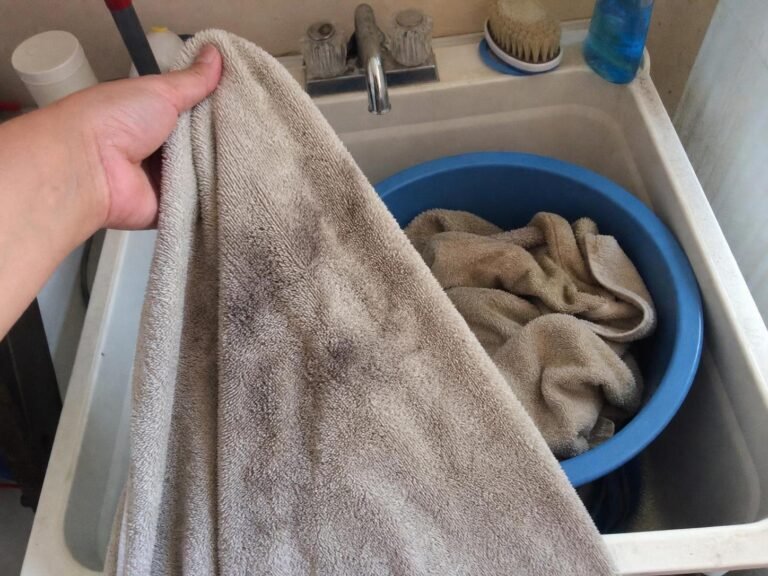
Dirty mop water redistributes dissolved grime and sticky residue. If the water turns gray, greasy, or visibly dirty, replace it before continuing. For a large kitchen or entryway, cleaning in sections helps keep residue from spreading back over the floor.
Scrubbing grout too aggressively
Heavy scrubbing can roughen grout, pull loose material from damaged joints, or leave a lighter-looking patch. Use a soft nylon brush with mild cleaner only where needed, then wipe away loosened soil with a damp cloth. Stop if grout begins to crumble or flakes off.
Using vinegar on every type of tile
Vinegar is acidic, so it is not a universal tile cleaner. Avoid it on natural stone and use manufacturer-approved care products when the tile material is uncertain. A pH-neutral cleaner is the more conservative choice for routine sticky residue.
Leaving the floor wet
Standing moisture can settle into grout cracks, loose tile edges, and seams around cabinets or appliances. After cleaning, dry the floor with a towel or dry mop pad, especially around damaged grout and transition strips.
If the floor is still sticky after cleaning
If the tile remains tacky after a mild cleaning and rinse, narrow down the source before trying stronger products. A sticky feel limited to one spot often points to spilled food, adhesive, or a rubber-backed item. A tacky feeling across the whole floor more often suggests cleaner buildup or dirty mop water.
| What you notice | Likely next step |
|---|---|
| The entire floor feels tacky after mopping | Clean again with plain water and a fresh microfiber pad to remove possible cleaner film. |
| One small spot remains sticky | Use a warm damp cloth to soften it, then lift it with a plastic scraper or a tile-compatible adhesive remover. |
| Tile looks dull or cloudy after a stronger cleaner | Stop using the product, rinse with clean water if appropriate for the tile, and check the tile or cleaner manufacturer’s instructions. |
| Stickiness returns in the same location | Inspect nearby mats, furniture pads, tape, cabinet leaks, pet bowls, or a failing floor coating. |
| Grout is soft, missing, or darkened by moisture | Use minimal moisture and consider having damaged grout or loose tile assessed before repeated wet cleaning. |
Keep tile floors from becoming sticky again
The simplest prevention is using less cleaning product and removing spills before they dry. For routine maintenance, damp-mop rather than saturating the floor, and finish with a clean-water pass whenever the floor cleaner label calls for rinsing.
- Use entry mats that do not have a deteriorating rubber or latex backing.
- Wipe up syrup, cooking splatter, drink spills, and tracked-in mud before they dry.
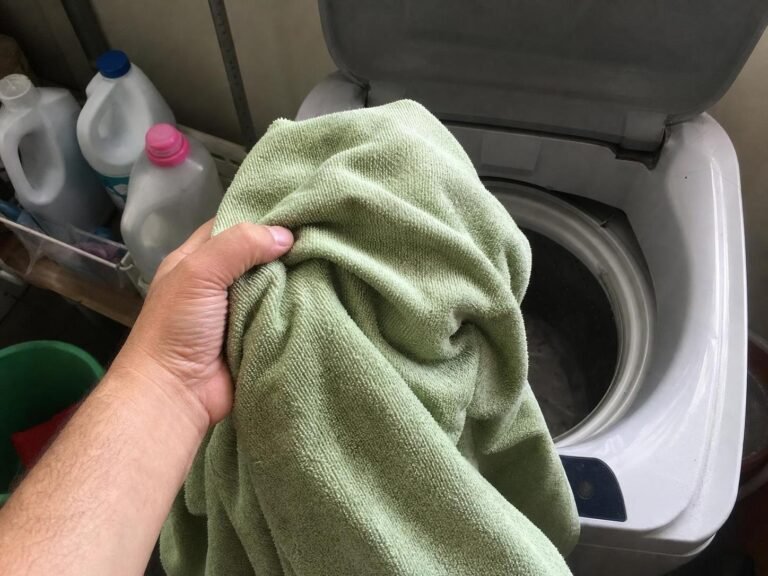
- Wash microfiber pads thoroughly so old detergent and floor residue do not transfer back to the tile.
- Do not pour floor cleaner directly onto tile unless its label specifically directs you to do so.
- Check under pet bowls, trash cans, and kitchen mats where small spills can stay hidden.
If you use a wet/dry floor cleaner for regular maintenance, choose a setting and cleaning solution that suit hard floors, and keep the recovery tank and roller clean. This comparison of the Tineco Floor One S3 and S5 may help if you are deciding between hard-floor cleaning machines.
Frequently Asked Questions
Can dish soap remove sticky residue from tile floors?
A very small amount of mild dish soap can help with greasy food residue on glazed ceramic or porcelain tile, but it can also leave its own film if overused. Rinse the area with clean water and dry it afterward. For natural stone, use a cleaner intended for stone instead of assuming dish soap is suitable.
Can you use a steam mop on sticky tile?
A steam mop may loosen some residue on suitable sealed tile, but it is not the first choice for unknown tile, cracked grout, loose tile, natural stone, or floors with an uncertain finish. Check the tile and steam mop manufacturer instructions before using steam.
Why does my tile floor feel sticky after it dries?
The most common cause is leftover cleaner or dirty mop water. Reclean the floor with fresh water and a clean microfiber pad, then dry it. If the tackiness remains only near a mat or taped area, inspect that item for adhesive or deteriorating backing.
For most tile floors, warm water, a small amount of appropriate cleaner, and a thorough clean-water wipe are the safest way to remove sticky residue. Use stronger adhesive products only when necessary, test them first, and keep moisture away from cracked grout, loose tile, and uncertain floor finishes.
Everything Mentioned Above
Before you leave, grab the tools you need to get the job done right the first time:
*As an Amazon Associate, TidyFormula earns from qualifying purchases.