How to Clean Velvet Upholstery Safely
To clean velvet upholstery safely, start with dry soil removal, then spot-clean with the least moisture your care label allows. The safest choice is a cleaner matched to the upholstery code and tested in a hidden area first. Velvet can crush, develop water marks, or lose its directional pile if you scrub, soak, or use heat.
For routine care, gentle vacuuming and prompt blotting handle most problems. Deep washing, steam, and improvised cleaning mixtures are usually where velvet upholstery cleaning mistakes begin.
⚡ The TidyFormula™ Quick Decision
Best approach: Vacuum with a soft upholstery attachment, blot spills immediately, and use only a small amount of cleaner permitted by the upholstery care label.
Use caution with: Water, steam, vigorous brushing, and heat can leave marks or flatten the pile, especially on cotton, rayon, silk, and older velvet.
Replace instead of cleaning if: The upholstery has widespread pile loss, torn backing, crumbling foam, permanent color loss, or staining across a large area that cannot be treated without saturating the cushion.
What I Use For This Job
Using the right tools saves time and protects your belongings. Here are my exact recommendations:
*As an Amazon Associate, TidyFormula earns from qualifying purchases.

Check the upholstery code before using any cleaner
The care tag is more important than the fabric’s appearance. Velvet may be cotton, polyester, rayon, silk, or a blend, and those materials can react very differently to moisture and cleaning products.
- W: Use a water-based upholstery cleaner only, following its current label directions.
- S: Use a solvent-based upholstery cleaner only. Do not substitute water or a homemade water-based solution.
- WS or W/S: Either water-based or solvent-based upholstery cleaner may be allowed, but use one method at a time and test first.
- X: Vacuum or brush lightly only. Professional upholstery cleaning may be the safer option for stains.
- No readable tag: Treat the fabric as delicate. Start with dry cleaning methods and seek manufacturer guidance before applying liquid.
Check removable cushion covers, the underside of the furniture, and the manufacturer information for a care code. A cover may have different instructions from the upholstery beneath it, and removable does not automatically mean machine-washable.
Gather only low-risk tools
You do not need a large cleaning kit for most velvet furniture. The goal is to lift loose soil and transfer a stain into a cloth without flooding the fabric.
- A vacuum with a clean, soft upholstery attachment
- A soft clothes brush or upholstery brush, used lightly
- Several clean, white, lint-free cloths
- Distilled water for W or WS upholstery, if the care label permits water-based cleaning
- A water-based or solvent-based upholstery cleaner that matches the care code
- A small bowl or dish for dampening a cloth rather than pouring liquid onto the velvet
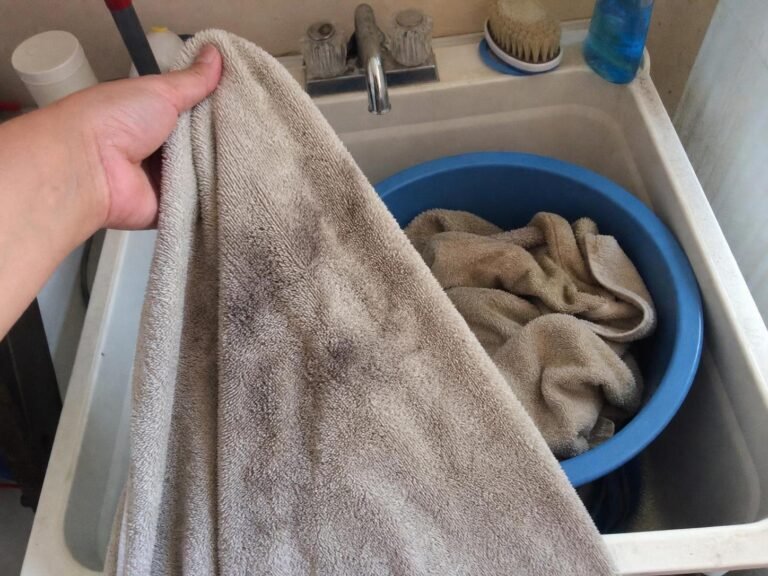
Avoid colored towels, stiff scrub brushes, steam cleaners, and aerosol products not labeled for your upholstery code. Colored cloths can transfer dye, while steam and excess liquid may change the pile direction or create uneven drying marks.
Use this low-moisture method for routine soil and small stains
This is the best way to clean velvet upholstery safely when the label permits the cleaner you are using and the stain is limited to a small area. Work slowly and keep the fabric only lightly damp.
- Vacuum in the direction of the pile. Use low suction if your vacuum allows it. Move the upholstery attachment gently in one direction rather than repeatedly dragging it back and forth. Pay attention to seams, piping, and the space beneath cushions.
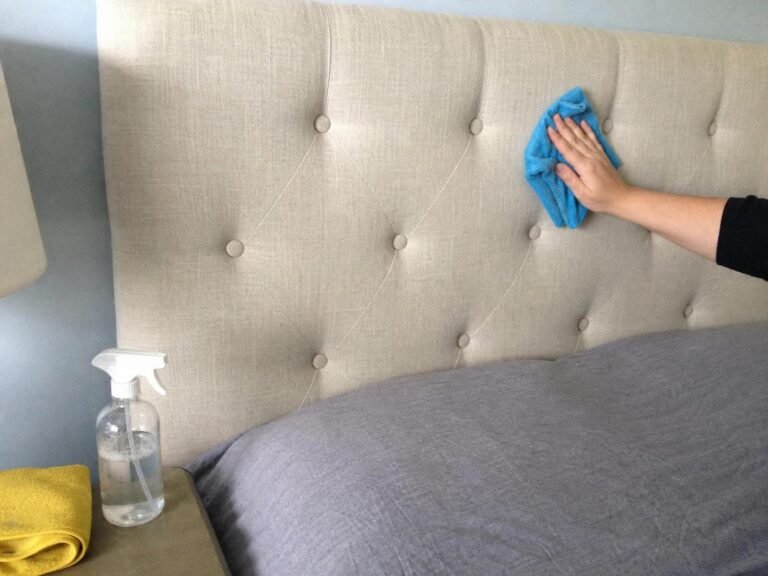
- Blot a fresh spill immediately. Press a clean white cloth onto the spill to absorb it. Lift and move to a dry section of cloth as moisture transfers. Do not rub, because rubbing can spread the spill and mat the velvet.
- Test the chosen cleaner in a hidden area. Apply the cleaner to a cloth according to the product label, then dab an inconspicuous spot. Let the test area dry completely before treating the visible stain. Stop if the color transfers, the fabric stiffens, or the pile changes noticeably.
- Apply cleaner to the cloth, not directly to the upholstery. For W or WS upholstery, use a lightly damp cloth with the approved water-based cleaner. For S upholstery, use only the approved solvent-based cleaner as directed on its label. The cloth should be damp enough to lift the stain, not wet enough to soak through the velvet.
- Blot from the outside of the stain toward the center. Use gentle pressing motions and rotate to a clean part of the cloth often. Keep the treated area as small as practical. If the stain is not improving, stop rather than increasing the amount of cleaner.
- Remove cleaner residue if the product label calls for it. For a water-based method, lightly blot with a separate cloth dampened with distilled water. For a solvent-based product, follow its label rather than adding water afterward.
- Restore the pile after the surface is dry. Brush very lightly in the fabric’s natural direction with a soft brush. Do not brush while the velvet is wet or tacky.

🧪 Why This Works
Velvet has a raised pile that reflects light differently depending on its direction. Vacuuming removes dry particles before they are pressed deeper into the fibers, while blotting transfers liquid and soil into a cloth. Using very little moisture helps prevent the backing, cushion filling, and pile from becoming unevenly wet.
Adjust your approach for the type of velvet
Polyester velvet is often more forgiving than natural or rayon velvet, but the care label still controls the cleaning method. Delicate velvet deserves a more conservative approach, even for a small spot.
| Velvet or upholstery condition | Safer cleaning approach |
|---|---|
| Polyester or synthetic velvet with a W or WS code | Use light vacuuming and a minimal amount of approved water-based upholstery cleaner after a hidden-area test. |
| Cotton, rayon, silk, or unknown velvet | Use dry soil removal first. Avoid water unless the care label clearly permits it; professional help may be more practical for visible stains. |
| S-coded upholstery | Use only a solvent-based upholstery cleaner that follows the label and test it in a concealed area. |
| X-coded upholstery | Vacuum or brush gently only. Do not attempt wet spot cleaning unless the manufacturer provides different instructions. |
| Large stain, saturated cushion, or staining near glued trim | Stop home treatment. Saturation can spread staining, affect adhesive, and leave moisture inside the cushion. |
Common velvet cleaning mistakes and how to correct them
Most damage comes from too much friction, too much product, or uneven drying. Catching the problem early gives you the best chance of improving the appearance without making the spot larger.
Scrubbing leaves a crushed or shiny patch
Hard rubbing presses the pile flat and can make one area reflect light differently from the surrounding fabric. Stop scrubbing, allow the area to dry fully, then brush it gently in the original pile direction. If the pile remains permanently flattened, further brushing or wetting may make the contrast more obvious.
A water ring appears after spot cleaning
A ring often happens when the treated center dries differently from the edge of the damp area. If your W or WS care code permits water-based cleaning, lightly and evenly feather the edge with a barely damp white cloth, then blot immediately with a dry cloth. Do not saturate the surrounding fabric in an attempt to erase the ring.
The fabric feels stiff or looks dull
Too much cleaner can leave residue on the fibers. Once the upholstery is dry, vacuum it gently. If the product label permits residue removal with a damp cloth, use a minimal amount of distilled water and blot again. Stop if the fabric darkens, feels wetter than the surrounding area, or develops another uneven mark.
The stain gets larger instead of lighter
The cloth may be too wet, the cleaner may not suit the fabric, or the stain may have reached the cushion filling. Stop applying product. Blot excess moisture with dry cloths and improve airflow around the furniture. For a large or deeply soaked area, professional upholstery cleaning may be more sensible than repeated spot treatment.
The pile looks streaky after vacuuming
Velvet naturally changes appearance when the pile is brushed in different directions. Use a soft brush or clean hand to smooth the fabric consistently in one direction. Avoid aggressive brushing around seams, button tufting, and decorative trim.
Dry the upholstery completely before using it
Allow the treated area to air-dry with good room airflow. Keep cushions uncovered and separated if possible so moisture does not remain trapped along seams or between the cushion and frame. Avoid hair dryers, heaters, direct high heat, and sitting on the area while it is still damp.
Drying time varies with the velvet type, cushion thickness, humidity, airflow, and how much liquid reached the fabric. If the cushion feels cool, damp, or heavier than usual, give it more time before reassembling the furniture or placing pillows and throws over it.
Keep velvet cleaner between spot treatments
Vacuum velvet upholstery regularly with a clean soft attachment, especially along seams and under removable cushions where grit collects. Brush lightly in the pile direction after vacuuming if needed. Address spills quickly, use throws only if they do not trap moisture, and keep strongly pigmented foods, drinks, and oily products away from pale velvet when practical.
When home cleaning is not worthwhile
Choose another method if the stain covers a broad area, the cushion is soaked through, the velvet is antique or especially delicate, or a hidden-area test changes the color or texture. Professional upholstery cleaning is also worth considering for smoke residue, persistent oily staining, extensive odor, or furniture with detailed trim, glued sections, or nonremovable cushions.
Frequently Asked Questions
Can you use a steam cleaner on velvet upholstery?
Do not use a steam cleaner unless the furniture manufacturer specifically permits it. Steam can add substantial moisture and heat, which may flatten the pile, create water marks, or affect backing materials and cushion filling.
Can you use dish soap and water on velvet?
Only use a water-based cleaner if the upholstery code permits it. Dish soap is not automatically suitable for velvet and may leave residue or create uneven marks. A cleaner labeled for the applicable upholstery code is the safer choice.
How often should you clean velvet upholstery?
Vacuum as needed to remove dust, crumbs, and pet hair, and spot-clean spills promptly. Reserve deeper cleaning for visible soil or a manufacturer-approved maintenance schedule. Frequent wet cleaning is usually unnecessary and increases the chance of pile changes or water marks.
Can dried stains be removed from velvet?
Some dried stains can improve with careful blotting and the correct cleaner, but complete removal is not always realistic. Start by vacuuming away dry residue, test the approved cleaner in a hidden spot, and avoid scraping or wetting the stain heavily.
Use the least-moisture method your care label allows: vacuum gently, blot rather than scrub, and let every treated area dry completely before use. Velvet rewards restraint; adding more cleaner or water is rarely the safest answer when the first attempt does not improve the spot.
Everything Mentioned Above
Before you leave, grab the tools you need to get the job done right the first time:
*As an Amazon Associate, TidyFormula earns from qualifying purchases.