Why Does My Washing Machine Smell after Cleaning
If your washing machine still smells after cleaning, the cleaner almost certainly never reached the source. Odor lives in biofilm and trapped water inside the rubber door gasket, the detergent drawer, the drain pump filter, and the outer drum — places a tub-clean cycle rinses past. Hand-scrub those parts, then run a hot cycle.
I know how deflating it is to run a cleaning tablet, wait an hour, open the door, and get hit with that same sour-towel smell. It feels like the machine is mocking you. The good news: this is almost always a mechanical access problem, not a broken washer.
⚡ The TidyFormula™ Quick Decision
Best approach: Hand-scrub the door gasket, dispenser drawer, and drain pump filter first, then run the hottest tub-clean or sanitize cycle — cleaning products alone can’t dislodge built-up residue.
Use caution with: Never mix bleach with vinegar, ammonia, or another cleaner in the drum, and check your manual before using bleach or citric acid on machines with stainless or coated parts.
Replace instead of cleaning if: The rubber gasket is cracked, torn, or permanently stained black and stiff — a degraded seal keeps re-seeding odor no matter how often you clean it.
What I Use For This Job
Using the right tools saves time and protects your belongings. Here are my exact recommendations:
*As an Amazon Associate, TidyFormula earns from qualifying purchases.
Why the Smell Comes Back Right After You Clean
A tub-clean cycle does one thing well: it flushes the inner drum with hot water. That’s maybe 30% of the odor problem. The rest of the smell hides in spots water pressure never scrubs.
Odor in a washer comes from a slimy film made of leftover detergent, fabric softener, body oils, lint, and moisture. That film clings to surfaces. Warm, damp, dark, and fed constantly — that’s a washer’s default state, especially a front-loader. Rinsing it isn’t enough. Film has to be physically wiped away, which is why mechanical scrubbing beats any product you pour in.
The Six Most Common Causes
- The door gasket folds. On front-loaders, the flexible boot has a lip that holds a half-inch of standing water, hair, and sludge. Peel it back and look. It’s usually ugly.
- The detergent and softener dispenser. Fabric softener in particular sets into a waxy pink-gray gunk in the drawer housing, and cleaning cycles barely touch it.
- The drain pump filter (front-loaders). Behind the small access panel at the bottom front. Coins, lint, and stagnant water sit there for months.
- Too much detergent. Excess suds don’t rinse out. They coat the drum, hoses, and outer tub, then feed odor. This is the single most common cause I see described by frustrated readers.
- The drain hose or standpipe. A sewer-gas smell that only shows up during or after draining usually isn’t the washer at all — it’s the plumbing behind it.
- Left-in wet laundry. One forgotten load re-contaminates a clean drum in a day.
The Parts Most Cleaning Routines Skip
Before you buy another cleaning product, do a five-minute inspection. Grab a flashlight and a paper towel.
Wipe under the gasket fold. Pull out the dispenser drawer and look at the cavity behind it. Open the filter access panel. Sniff the drum, then sniff the drain hose area separately. Whichever paper towel comes back gray, black, or slimy — that’s your source. That’s also where all your effort should go.
One more overlooked culprit: the items you wash. Bulky, foam-filled, or coated items shed material and hold water in ways cotton doesn’t, and some shouldn’t go in a home washer at all. If you’ve been washing foam pillows, our guide on whether memory foam pillows belong in the washing machine explains why crumbling foam ends up as residue in your drum and pump.
How to Fix a Washing Machine That Smells After Cleaning
Do these steps in order. Skipping to the hot cycle is exactly why the smell survived last time.
Step 1: Deep-Clean the Door Gasket
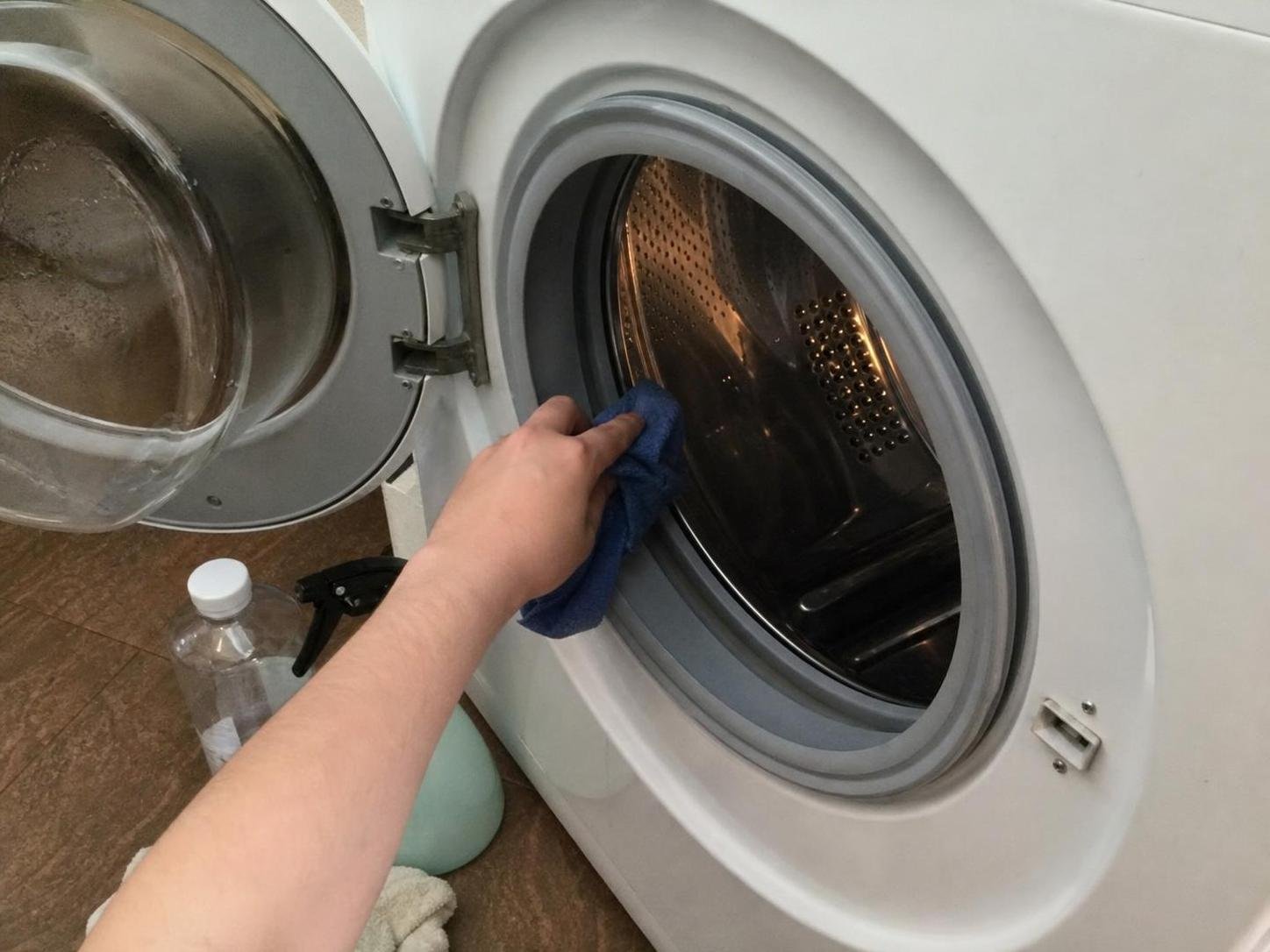
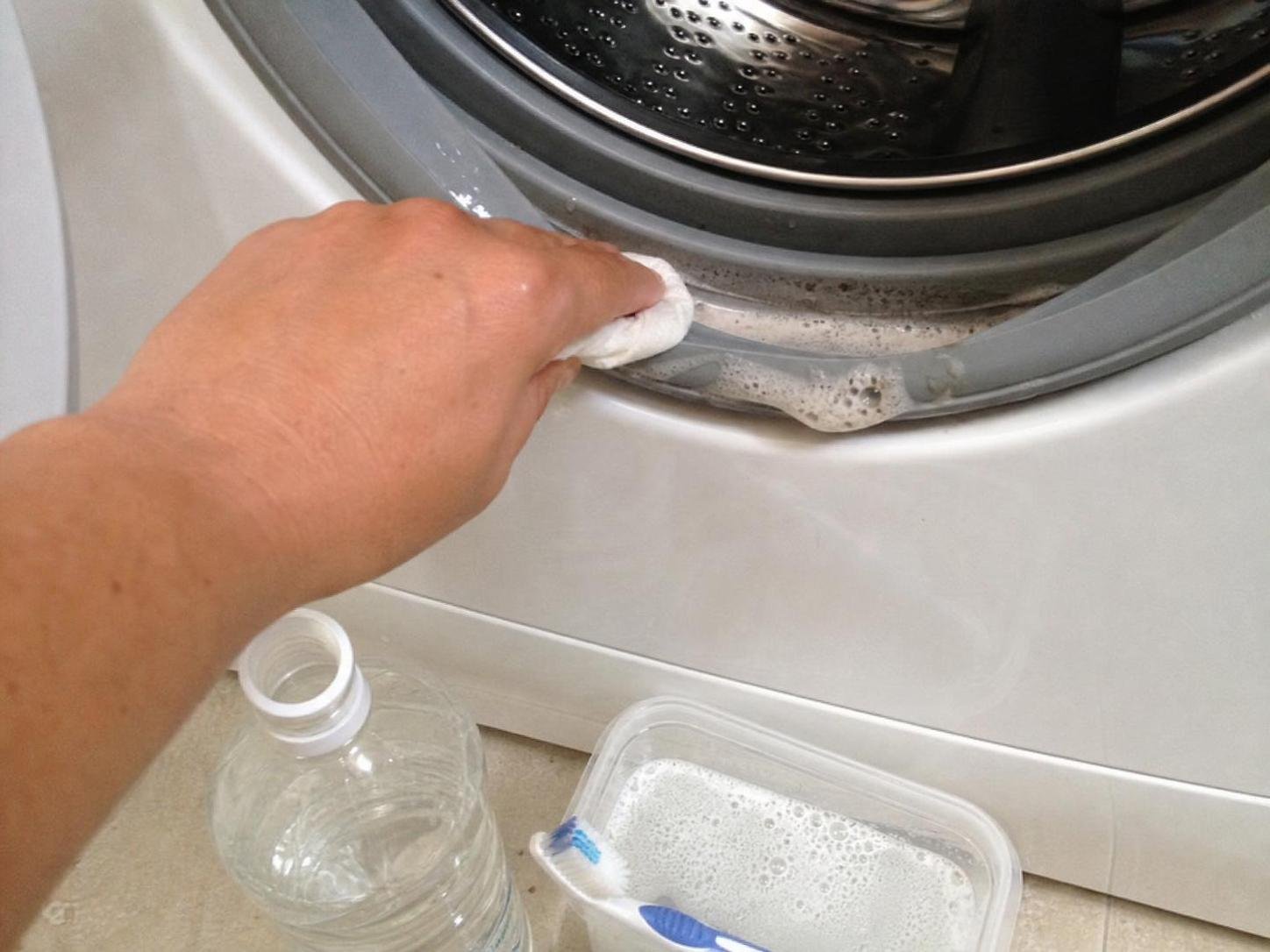
Mix warm water with a small amount of dish soap, or use a diluted bleach solution if your manufacturer allows it (many front-loader manuals specifically recommend a bleach-and-water wipe for the boot). Peel the rubber lip back gently. Scrub the entire channel with an old toothbrush or a microfiber cloth wrapped around your finger. Work all the way around, including the very bottom where water pools. Dry it completely when you’re done.
Step 2: Pull and Soak the Dispenser Drawer
Most drawers release with a tab or a firm pull. Soak it in hot water for 15 minutes, then scrub every channel with a bottle brush. Then clean the empty housing in the machine — reach in with a damp cloth on a chopstick or a long brush. Softener residue in the housing is a classic reason the smell returns within days.
Step 3: Empty the Drain Pump Filter
Front-loaders and some top-loaders have one behind a small panel at the bottom. Put down a towel and a shallow pan first — there’s always more water than you expect. Unscrew the cap slowly, drain, then remove the filter, rinse the lint and debris out, and scrub the threads. If a cup of foul black water comes out, you just found your answer.
Step 4: Run the Hottest Cycle — Empty
Now the tub clean actually matters. Use your machine’s tub clean or sanitize cycle with the cleaner your manufacturer recommends. If your machine has no dedicated cycle, run the hottest, longest wash with no laundry inside. Use one cleaning agent at a time. Bleach, or citric acid, or a commercial washer tablet — not a mixture.
Step 5: Wipe the Drum and Door Dry
Immediately after the cycle, wipe the drum, the door glass, and the gasket dry with a towel. Leave the door and dispenser drawer open for several hours. Damp surfaces are what start the cycle over again.
Step 6: Repeat If Buildup Was Heavy
If the machine has gone a year or more without maintenance, one round rarely does it. Run the hot cycle a second time a day later. Smell should drop noticeably each round. If it doesn’t improve at all, the source is somewhere else — check the troubleshooting table below.
Troubleshooting by Smell Type
The specific odor is a useful diagnostic. Match yours:
| What you smell | Most likely source | What to do |
|---|---|---|
| Musty, damp-basement smell | Gasket fold, drum seams, closed door trapping moisture | Scrub gasket, dry after every load, leave door ajar |
| Sour, like old milk or wet towels | Detergent and softener residue, cold-only washing | Cut detergent dose, stop softener temporarily, run hot cycles |
| Rotten egg or sewer | Drain standpipe, P-trap, or drain hose — not the washer | Check hose height and trap; call a plumber if it persists |
| Chemical or burning | Possible mechanical or electrical issue | Stop using it and contact a service tech |
| Smell only on clean laundry | Residue in outer tub or overloading preventing rinse | Wash smaller loads, extra rinse, repeat tub clean |
The chemical or burning smell is the one to take seriously. Stop the machine, unplug it, and get it looked at. Odor troubleshooting isn’t worth guessing on when electrical parts are involved.
Cleaning Mistakes That Keep the Smell Coming Back
These are the habits that undo good work:
- Using too much detergent. Modern HE detergent is concentrated, and the fill line on the cap is generous. Try half of what you normally use. Clothes will still come out clean, and there will be far less residue to feed odor.
- Relying on tablets alone. A tablet in a drum with a filthy gasket is a wasted dollar. Scrub first, product second.
- Washing everything cold. Cold water is fine for most laundry, but a washer that never sees a hot cycle accumulates residue faster. One hot cycle every few weeks helps.
- Closing the door right after unloading. This traps humidity against the gasket. Leave it open.
- Heavy fabric softener use. The waxy buildup in dispensers and hoses is a repeat offender. Dial it back or skip it for a month and see what happens.
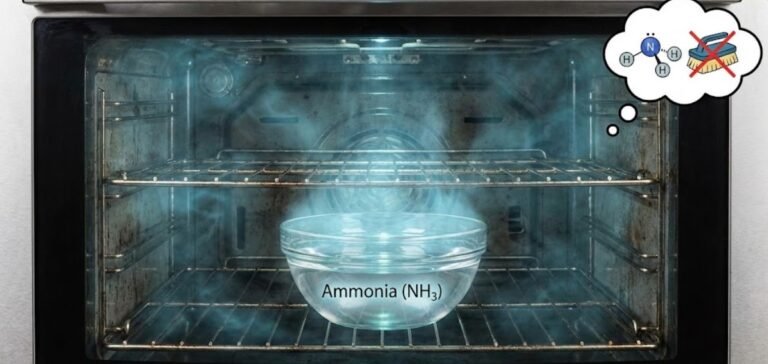
- Mixing cleaners. Bleach plus vinegar or bleach plus ammonia creates hazardous fumes. One product per cycle, always.
Worth noting: odor problems are fundamentally moisture problems. The EPA’s guidance on controlling moisture and mold in the home makes the same core point — remove the water source and you remove the conditions that let growth continue. In a washer, that means drying surfaces and improving airflow, not just adding cleaner.
How to Prevent the Smell From Returning
A short routine keeps this from becoming a recurring chore:
- Wipe the gasket and door dry after your last load of the day. Takes 20 seconds.
- Leave the door and dispenser drawer open between loads.
- Move laundry to the dryer promptly — wet clothes sitting overnight will restart the problem alone.
- Run a tub clean cycle monthly, or every two weeks with heavy use.
- Check the drain pump filter every three to six months.
- Measure detergent instead of pouring it.
- Don’t overload. Cramming the drum blocks rinsing and leaves residue behind.
Also think about what you put in the machine. Bulky items that hold water, shed foam, or carry heavy coatings can leave debris behind long after the load is finished. Some things genuinely do better with a hand-cleaning approach — the dry-revive method for cleaning pillows without a washer is a good example, and gear like Herschel backpacks with manufacturer no-machine guidance is another.
When to Stop Cleaning and Call for Service
Most odor problems are fixable in an afternoon. A few aren’t. Consider professional help or a part replacement when:
- The gasket is torn, cracked, hardened, or stained black deep in the rubber. Replacement gaskets are a standard, affordable part on most front-loaders and solve what scrubbing can’t.
- You find standing water in the drum days after a cycle, which points to a drain or pump issue.
- The smell is strongest during drain, and you’ve already confirmed the hose is properly installed with an air gap at the standpipe.
- You’ve done two full deep cleans with no improvement at all.
- The machine is 10 to 15 years old, needs multiple repairs, and smells persistently — at that point, repair costs start approaching replacement value.
My honest take: the vast majority of “my washing machine still smells after cleaning” cases come down to a gasket that never got scrubbed and a detergent dose that’s twice what it needs to be. Fix those two things, and the machine usually turns around within a week.
Everything Mentioned Above
Before you leave, grab the tools you need to get the job done right the first time:
*As an Amazon Associate, TidyFormula earns from qualifying purchases.