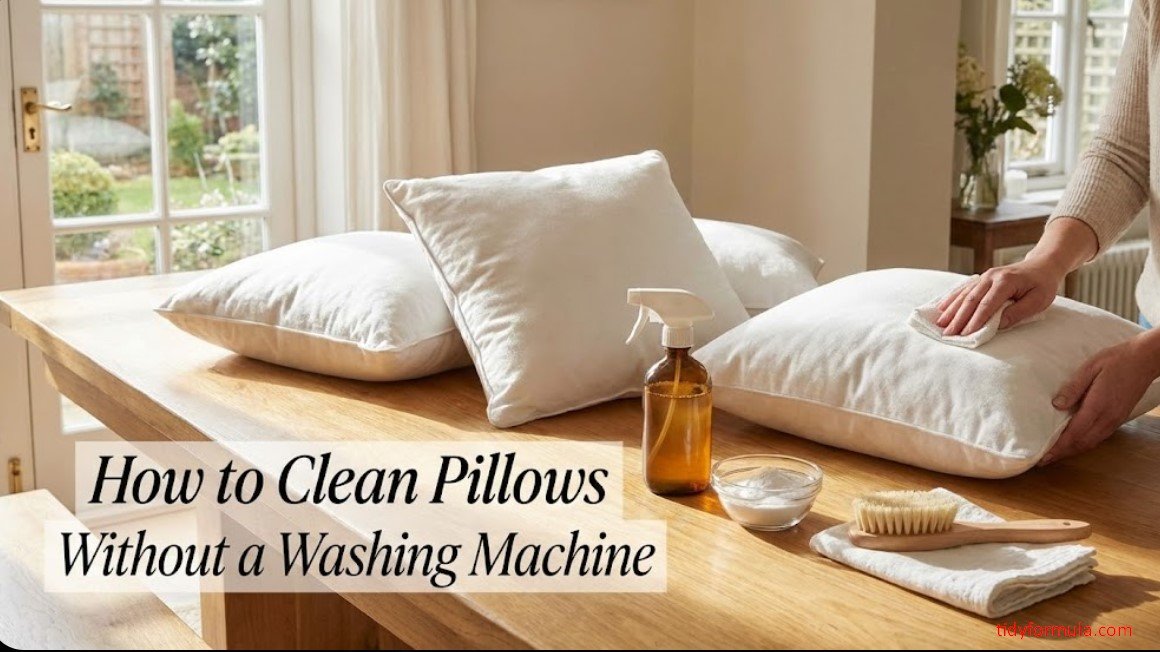
How to Clean Pillows Without Washing Machine (The “Dry-Revive” Method)
I stared at my favorite memory foam pillow last Tuesday and realized something gross. It felt heavy. Not heavy with quality materials—heavy with life. Sweat, dead skin, and dust mites.
I leaned in to smell it. (Mistake).
It smelled like stale hair oil and that distinct, sour scent of “old sleep.” I checked the tag: “DO NOT WASH.”
Great. So my options were to sleep on a bacteria sponge or ruin a $60 pillow in the washing machine. (I’ve done that before; it came out lumpy, took three days to dry, and eventually grew mold in the center). I refused to accept that.
I spent the weekend testing ways on how to clean pillows without washing machine agitation. I tried the “freezer method” (useless for smells), the “Lysol bomb” (headache city), and finally, a dry-cleaning method that actually worked.
What I Use For This Job
Using the right tools saves time and protects your belongings. Here are my exact recommendations:
*As an Amazon Associate, TidyFormula earns from qualifying purchases.
It wasn’t perfect—it won’t make a yellow pillow blinding white again—but it killed the smell and made the fabric feel crisp instead of greasy.
⚡ The TidyFormula™ Quick Answer
The Recommendation: Don’t soak them. Vacuum the dust out and use the “Soda Cake” method to pull moisture out.
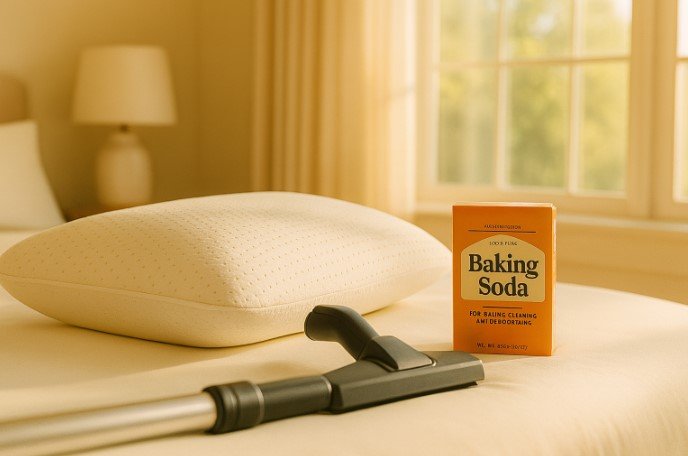
- The Mix: Baking Soda + Vacuum with upholstery attachment + Dish Soap (for spots).
- Time: 2 Hours (mostly waiting time).
- Effectiveness: High for odors/dust, Medium for deep stains.
How to clean pillows without washing (The Vacuum & Soda Hack)
This is my go-to method now. It deals with the two biggest problems: the dust inside and the oil on the surface.
If your pillow feels heavier than when you bought it, that’s not gravity. That’s skin flakes. (Sorry, it’s true).
The Tools:
A Vacuum: You need the upholstery tool (the one with the red fuzzy strips).
Baking Soda: Fresh box. Don’t use the one that’s been in your fridge for a year absorbing onion smells.
A Sieve: To sprinkle evenly.
The Process:
Strip it down: Take off the pillowcase and the protector. Wash those in the machine. We want naked foam or feathers here.
The Extraction: Lay the pillow on a clean flat surface. Run the vacuum over every square inch. Move slowly.
Sensory check: You want to hear the airflow change—that lower pitch thwump sound means you are actually pulling air through the fabric, not just over it.
The Snowstorm: Take your baking soda and sieve. Dust the entire top side of the pillow until it looks like a powdered donut.
The Wait: Leave it alone. Go drink coffee. Wait at least 60 minutes. The baking soda needs time to chemically bind with the oily residue.
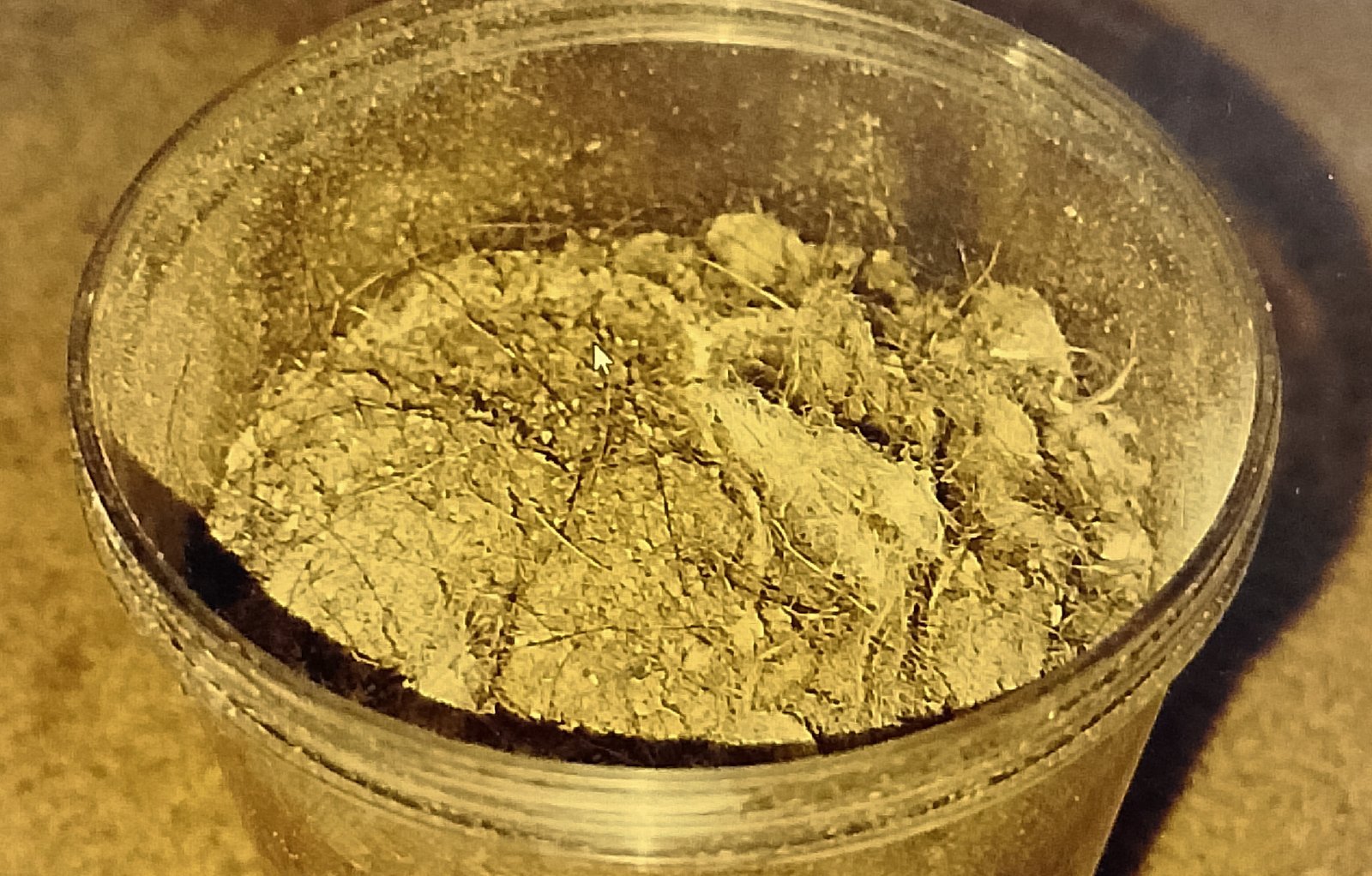
The Removal: Vacuum it off. Be thorough. If you leave soda behind, it feels gritty against your face later.
If you notice a lot of dust in your bedroom generally, your ceiling fan might be the culprit raining dirt down on your bed.
Check out our guide on how to clean a fan without taking it apart to stop the cycle.
How to clean a pillow without washing machine (Spot Treatment)
Okay, the dust is gone. But what about the map of yellow stains?
Those are from saliva and sweat. They are stubborn. Since we can’t soak the pillow (especially memory foam, which acts like a sponge and will rot if it gets wet deep down), we have to surface clean.
The Mix:
1 cup warm water.
1 teaspoon dish soap (clear soap is better so you don’t dye the fabric blue).
1 tablespoon white vinegar.
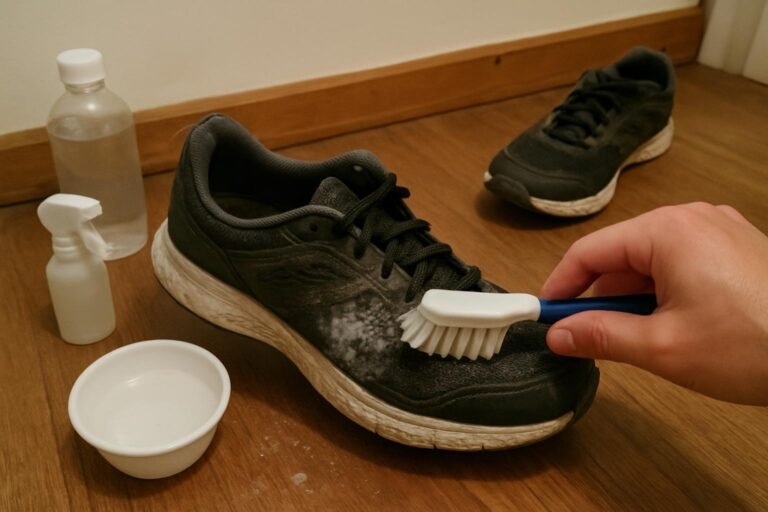
The Technique: Dip a white cloth into the mix and wring it out until it is barely damp. Do not saturate the pillow.
Blot the stain. Press down and twist slightly, then lift.
Visual check: You should see the yellow transfer from the pillow to your cloth. If the cloth stays white, you aren’t lifting anything.
After blotting, wipe it down with a clean damp cloth (water only) to remove the soap residue. If you leave soap, it becomes sticky and attracts dirt faster next time.
🧪 The Science: Why It Works
Baking soda (Sodium Bicarbonate) is a base. Most of the smells in your pillow—sweat, body oil, sour milk smells—are acidic. When they meet, they neutralize each other. We aren’t just covering the smell with perfume; we are chemically deleting it. The vinegar in the spot clean attacks the mineral salts in dried sweat/saliva.
The “Sunlight Sanitizer” (Don’t Skip This)
This sounds like an “old wives’ tale,” but it’s actually legit.
After you vacuum and spot clean, put the pillow outside in direct sunlight for 2-3 hours. UV radiation is a natural disinfectant. It kills bacteria and dust mites. Plus, the fresh air helps evaporate any lingering vinegar smell.
Texture check: When you bring it back inside, the fabric should feel warm and bone-dry. If it feels cold or clammy, it needs more time. Moisture is the enemy.
For more on keeping bedroom appliances efficient and clean (which helps air quality), see our notes on cleaning window AC units without removal.
Reality Check: When to Throw It Out
I want to save everything, but sometimes a pillow is dead.
Fold your pillow in half.
If it springs back instantly: It’s good. Clean it.
If it stays folded: It’s dead. The structural integrity is gone. No amount of cleaning will support your neck.
Also, if you see black spots on the foam itself? That is mold. Stop. Do not clean it. You cannot clean mold out of porous foam. Trash it immediately.
If you have a mattress that needs similar care, we have a detailed breakdown on how to clean a mattress with baking soda to ensure your entire sleep setup is hygienic.
Wrapping Up
You don’t need a washing machine to have a clean bed. In fact, keeping water away from pillows is usually the smarter move to prevent mold.
I jokingly call this the “Shake & Bake” method (because of the baking soda and the shaking/fluffing you do at the end). It sounds smarter than “vacuuming my bed,” but it works.
If you are dealing with yellowing on your pillowcases specifically, you might want to read our guide on removing yellow stains from white fabrics.
According to the Sleep Foundation, you should be replacing pillows every 1-2 years, but this method can help you stretch that lifespan comfortably.
FAQ (Real Questions)
1. Can I use a carpet cleaner machine on my pillow? I wouldn’t. Those machines inject a lot of water. If you can’t suck 100% of it back out (and you can’t, because pillows are thick), you are creating a mold farm in the center of your pillow.
2. My pillow smells like vinegar after spot cleaning. Help? It happens. Put it back in the sun or near a fan. The vinegar smell is volatile, meaning it evaporates as it dries. Once it’s fully dry, the smell will vanish.
3. Does this work for feather pillows? Yes, but be careful with the vacuum. Use low suction. If you use high suction, you might pull the quills through the fabric tick, and then you’ll get poked in the face all night.
4. Can I spray Lysol on it? Sure, but don’t soak it. A light mist is fine for surface bacteria. Just let it dry completely before you put the pillowcase back on, or you’ll be breathing in chemical fumes.
5. How often should I do this? Every time you change your sheets? No way. Who has time for that? Aim for once every 3 months (once a season). That’s realistic.
Everything Mentioned Above
Before you leave, grab the tools you need to get the job done right the first time:
*As an Amazon Associate, TidyFormula earns from qualifying purchases.