Can You Put Crocs in the Washing Machine? (The Safe Method)
Can You Put Crocs in the Washing Machine?
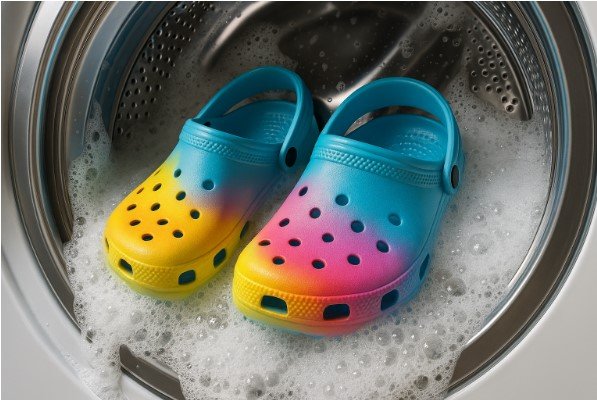
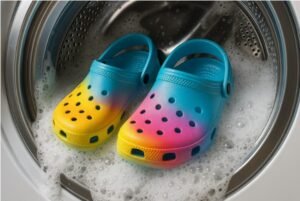
You can machine-wash some plain, unlined, molded Crocs, but only when the pair-specific care instructions permit it. Use cold water, a gentle cycle, a mesh laundry bag, and low spin. Always air dry them. Hot water, forceful agitation, and dryer heat can shrink, warp, or weaken the heat-sensitive Croslite™ foam.
Hand washing remains the lowest-risk option. If your Crocs have lining, leather, suede, fabric, lights, glued decorations, or care instructions that prohibit machine washing, clean them by hand instead.
Quick Safety Check
Use the washing-machine method only if you can answer “yes” to all of the following:
- The Crocs are plain, molded, and unlined.
- They do not contain leather, suede, fabric, electronics, or delicate glued details.
- They are not cracked, peeling, or separating.
- The product-specific care information does not prohibit machine washing.
- Your washer has a cold-water gentle or delicate cycle.
- You can remove them promptly and air dry them without heat.
If any answer is “no” or you cannot identify the materials, hand wash the shoes with cool water instead.
Which Crocs Can Go in the Washing Machine?
Check the style, materials, construction, and condition of your shoes before choosing a cleaning method. The upper may look like molded foam while the footbed, straps, trim, or decorative sections contain a different material.
What I Use For This Job
Using the right tools saves time and protects your belongings. Here are my exact recommendations:
*As an Amazon Associate, TidyFormula earns from qualifying purchases.
| Crocs style or condition | Recommended method |
|---|---|
| Plain, unlined molded Croslite clogs or slides | Cold, gentle machine washing may be suitable if the pair-specific care guidance allows it, although hand washing is safer. |
| Fur-lined or fleece-lined Crocs | Hand wash unless the product-specific care instructions clearly allow machine washing. |
| Leather, suede, canvas, or fabric styles | Do not use the standard machine method. Follow the care instructions for that material. |
| Crocs with lights, glued decorations, glitter, or delicate finishes | Spot clean or hand wash carefully. Do not submerge styles containing electronic components. |
| Old, cracked, peeling, or heavily worn Crocs | Hand wash to avoid worsening the damage. |
If you are unsure what materials your pair contains, use cool water and clean them by hand. Check any care label, packaging, or care information supplied for the exact style. Product-specific instructions should always take priority over a general cleaning method.
Check Removable Liners and Insoles Separately
A removable liner or insole does not automatically make the entire shoe machine-safe. Take it out without stretching or tearing its attachment points, then check its care instructions separately. Clean the molded shell and removable component using the methods appropriate for each material.
Do not reinstall a liner or insole while either part is damp. Trapped moisture can cause odor and significantly extend the drying time.
What You Need
- Mild liquid laundry detergent
- Mesh laundry bag
- Soft brush or cloth
- Two or three clean, colorfast old towels to cushion the shoes and reduce noise
Avoid powdered detergent that may not dissolve fully in cold water. Do not use chlorine bleach, fabric softener, solvent-based cleaners, or abrasive scouring products. Do not combine detergents, stain removers, or other cleaning products.
Choose a mesh bag large enough to hold the pair without sharply folding the heel straps or compressing the shoes. If the Crocs do not fit comfortably, use separate bags or wash them by hand.
Step-by-Step Guide: The Safe Method
Step 1: Inspect and Prepare the Crocs
Preparing the shoes keeps grit out of the washer and prevents detachable parts from being damaged.
- Check for damage
- Look for cracks, peeling sections, loose straps, separated soles, or decorations that may come off.
- Check the strap pivot points and the edges of the soles, where damage may be less obvious.
- Flex each shoe gently. Hand wash it if a crack opens, a layer begins to separate, or agitation could make existing damage worse.
- Remove detachable items
- Take off Jibbitz charms and any other removable accessories.
- Remove detachable insoles or liners and clean them according to their own care instructions.
- Do not force out a component that is sewn, glued, or designed to remain permanently attached.
- Knock off debris
- Tap the soles together outside or over a bin to remove loose mud, sand, and gravel.
- Check the tread and ventilation holes for small stones.
- Allow thick, wet mud to dry enough to brush off rather than sending it through the washer.
- Rinse with cool water
- Rinse away surface dirt under cool running water.
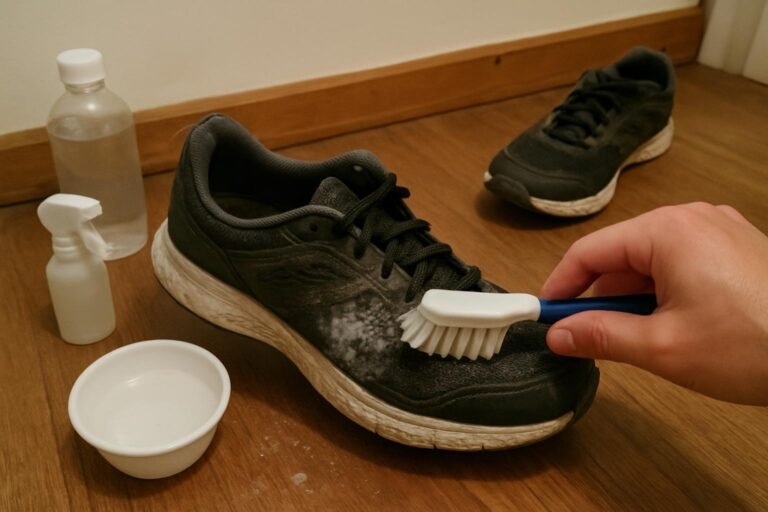
- Use your fingers or a soft brush to loosen dirt stuck in the tread.
- Remove as much sand as possible because loose grit can remain in the washer or scratch finished surfaces.
- Pre-treat visible marks
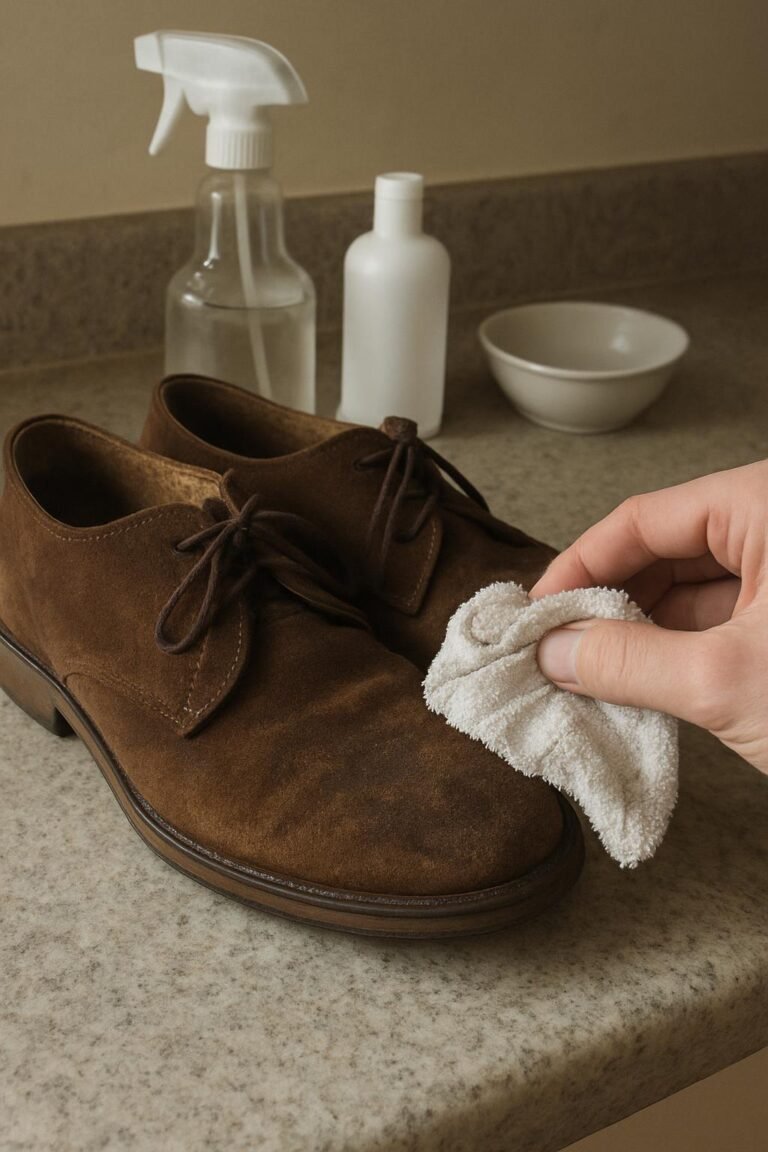
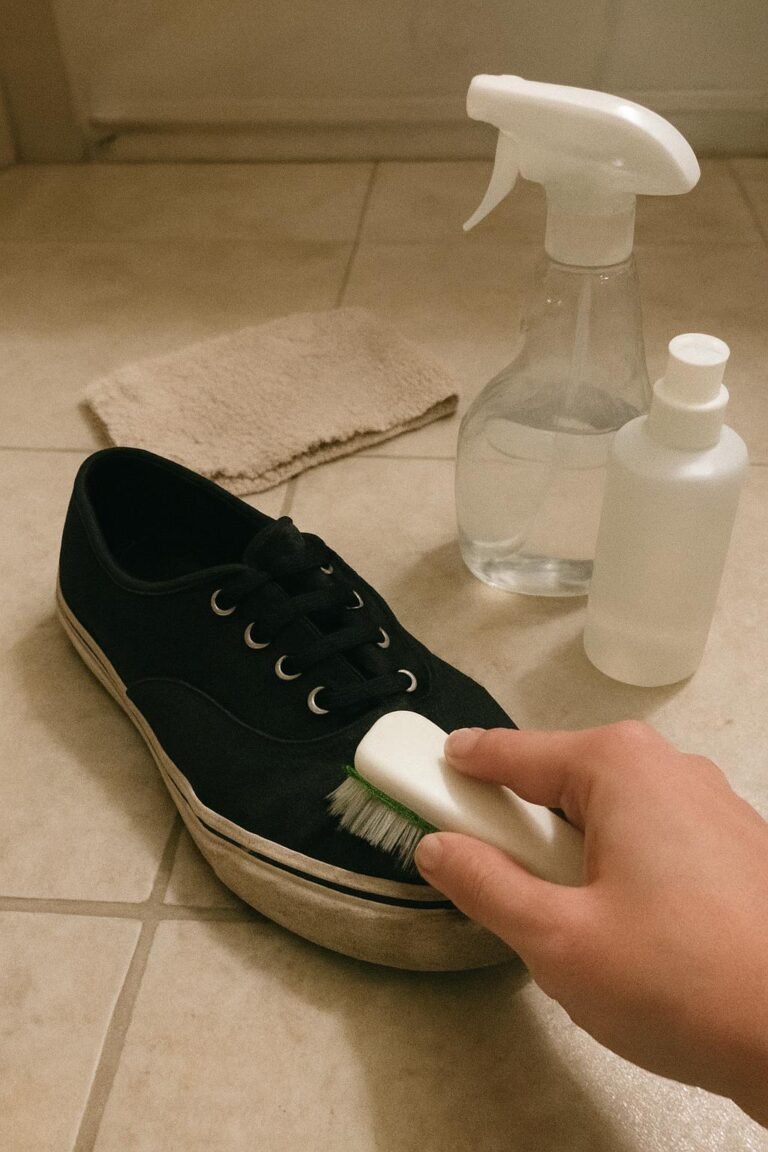
- Apply a small amount of diluted mild detergent to the mark and gently work it with a soft cloth or brush.
- Test an inconspicuous area first if the Crocs have a printed, metallic, or special finish.
- Let gentle brushing do the work rather than increasing pressure on one spot.
- Do not scrape marks with a blade or use solvents, acetone, or undiluted stain removers.
If the finish changes color, feels tacky, or begins to lift during pre-treatment, rinse the area immediately with cool water and stop. Finish cleaning that pair by hand without adding another product.
Step 2: Use Cold Water and a Gentle Cycle
This is the most important step for protecting the shape of your Crocs.
- Place the Crocs in a mesh laundry bag
- Close the bag securely so the shoes cannot fall out during the cycle.
- The bag reduces direct contact with the drum and helps contain detachable parts you may have missed.
- Position the heel straps naturally rather than bending them tightly beneath the shoes.
- Do not use a bag so small that the shoes must be flattened or folded to fit.
- Add old towels
- Add two or three clean, colorfast towels to cushion the shoes and reduce banging.
- Do not use new or dark towels that could transfer lint or dye.
- Avoid overloading the washer; the items still need room to move and rinse properly.
- Wash the Crocs with cushioning towels rather than a regular load of clothing that could be stained by residual dirt.
- Add mild detergent
- Use a small amount of mild liquid laundry detergent suitable for a small load.
- Add it through the washer’s dispenser when available instead of pouring concentrated detergent directly onto the shoes.
- Too much detergent can leave a slippery or sticky residue on the footbed.
- Skip fabric softener, scent boosters, bleach, and laundry sanitizer.
- Choose the correct settings
- Water temperature: Cold only.
- Cycle: Gentle or delicate.
- Spin: Low, if adjustable.
- Optional settings: Turn off steam, heated washing, and automatic sanitizing options.
⚠️ Crucial warning: Never use warm or hot water. Heat can cause Crocs to shrink, curl, or deform. Do not use a sanitize, steam, heavy-duty, or high-speed cycle.
Confirm the selected program uses cold water throughout the wash and rinse. Some preset cycles automatically add warm water or a high-speed final spin even when the main temperature display appears cold.
A front-loading washer or a top loader without a central agitator is generally gentler on shoes. If your machine has a forceful central agitator, hand washing is the safer choice. Do not wrap the straps around an agitator or place the shoes loose around its base.
Stay nearby during the first few minutes of the cycle. Stop the washer if it becomes unbalanced, begins shaking, or the shoes are striking the drum forcefully. Redistribute the towels, confirm that the laundry bag is closed, and restart only on a low-agitation setting. If the problem happens again, remove the Crocs and finish by hand.
Remove the Crocs promptly when the cycle finishes. If they still feel soapy, rinse them with cool running water rather than running a harsher or warmer cycle.
Step 3: Air Dry Only
Your Crocs should never go in a clothes dryer. Even a low-heat setting can expose them to enough heat to affect their fit or shape.
- Remove them from the mesh bag
- Shake off excess water and blot the shoes with a clean towel.
- Tip each shoe in different directions to drain water trapped around the toe box, strap pivots, and ventilation holes.
- Do not twist or wring them.
- Check and restore their shape
- Gently press the toe box and sides back into their normal position while the shoes are damp.
- Make sure the heel straps are not folded or twisted.
- Compare the two shoes so you can identify an unusual bend before they dry.
- Stop manipulating the shoes if the foam feels unusually soft or begins to crease.
- Dry in a cool, shaded location
- Place the Crocs in a well-ventilated area away from direct heat.
- Set them upright or at a slight angle so water can drain from the toe box and ventilation holes.
- A room-temperature fan can improve airflow, but do not use a heated fan or hair dryer.
- Turn the shoes or change their position after a few hours if water remains trapped around the straps or footbed.
- Let them dry completely
- Drying may take several hours or overnight, depending on airflow and humidity.
- Wait until the footbeds, straps, and any separate liners are fully dry before wearing or reassembling them.
- If the underside of a removable liner still feels cool or damp, continue drying it outside the shoe.
⚠️ Never:
- Tumble dry Crocs
- Use a hair dryer or heat gun
- Put them on a radiator, heater, or heated drying rack
- Leave them in prolonged direct sunlight
- Leave them inside a hot car
These heat sources can permanently shrink or distort the foam.
When Hand Washing Is the Better Choice
Hand washing takes slightly more effort, but it gives you better control over the water temperature, scrubbing pressure, and exposure time. Use it for delicate, damaged, lined, or mixed-material Crocs.
- Fill a basin with cool water and add a small amount of mild detergent.
- Wipe or gently scrub the Crocs with a soft cloth or soft-bristled brush.
- Pay particular attention to the footbed, tread, strap pivots, and ventilation holes.
- Use a damp cloth rather than full submersion when the pair contains absorbent trim or attached materials with different care requirements.
- Rinse thoroughly with cool water until no detergent remains.
- Blot with a towel, reshape, and air dry in a shaded, ventilated area.
Do not soak leather, suede, electronic, or heavily decorated styles. Clean those materials according to their specific care requirements.
Machine Washing vs. Hand Washing
| Consideration | Machine washing | Hand washing |
|---|---|---|
| Best for | Structurally sound, plain, unlined molded Crocs whose care instructions permit it | Most Crocs, especially delicate or mixed-material styles |
| Control over cleaning | Limited once the cycle starts | Direct control over pressure, water, and cleaning time |
| Risk from agitation | Higher | Lower when cleaned gently |
| Convenience | More convenient for eligible pairs | Requires more hands-on cleaning |
For light dirt, hand washing is usually just as practical and avoids unnecessary tumbling. It is also better for one or two localized marks. Reserve machine washing for suitable pairs that need a more thorough overall wash.
How to Clean Crocs Jibbitz (Charms) Safely
Before washing your Crocs, especially in a machine, remove the Jibbitz. Charms can become scuffed, cracked, loosened, or lost if they are knocked around in the drum.
Step 1: Remove the Jibbitz
- Hold the Croc firmly.
- From inside the shoe, gently push the back of the charm outward while pulling slightly from the front.
- Do not yank it. If it feels stuck, carefully wiggle it until it comes free.
Removing the charms helps prevent:
- Scratches and cracks in the charm
- Damage to glued-on or painted details
- Bending or stretching of the holes in your Crocs
- Jibbitz becoming trapped inside the washer
💡 Important: Do not wash Jibbitz in the washing machine. Agitation and spinning can damage the charm or its decorative details.
Step 2: Wash Jibbitz by Hand
- Fill a small bowl with warm, not hot, water.
- Add a drop of mild dish soap and mix until slightly sudsy.
- Soak plain rubber or plastic charms for five to 10 minutes. Avoid soaking charms with glued decorations, metallic finishes, painted details, or delicate parts; wipe those instead.
- Use your fingers or a soft toothbrush to remove dirt from durable charms.
- Rinse under cool running water.
Step 3: Dry Completely Before Reattaching
- Place the cleaned charms on a clean towel.
- Pat them dry, then allow them to air dry fully.
- Make sure the Crocs are also completely dry.
- Inspect the charm backing and the shoe opening for cracks or stretching.
- Push each undamaged charm through a ventilation hole from the outside until the backing is secure.
Reattaching the Jibbitz only after everything is dry prevents moisture and detergent residue from becoming trapped around the holes.
How to Remove Bad Odors from Crocs
Odor often returns when sweat, dirt, or detergent residue remains on the footbed. Clean the shoes thoroughly and dry them completely before using a deodorizing method. Fragrance alone may cover the smell temporarily without removing the residue causing it.
Method 1: Use Baking Soda
Baking soda can absorb lingering odors without exposing the foam to heat.
- Start with clean, dry Crocs
- Wash or wipe away visible dirt first.
- Allow the shoes to dry completely.
- Apply baking soda
- Lightly coat the footbed and interior.
- Alternatively, put a spoonful into a thin cloth or coffee filter, secure it, and place one pouch inside each shoe.
- Let it sit overnight
- Leave the Crocs in a cool, dry area for eight to 12 hours.
- Remove the powder
- Tap the shoes upside down over a bin.
- Use a dry, soft brush or cloth to remove powder from the textured footbed and ventilation holes.
Do not wear the Crocs while loose baking soda remains inside, because the powder can feel gritty and may irritate sensitive skin. Do not apply baking soda at the same time as another cleaning product.
For Persistent Odor
If the smell remains, wash the footbed again with cool water and mild detergent, rinse thoroughly, and improve airflow while drying. Check removable liners separately, because absorbent fabric can hold odor longer than molded foam.
A recurring odor may also mean the shoes are being stored while damp. Let Crocs air out after wear and avoid placing wet pairs in closed bins, gym bags, or closets.
Troubleshooting After Washing
The Crocs Still Feel Slippery or Soapy
Detergent residue is the likely cause. Rinse the shoes thoroughly with cool running water, paying attention to the textured footbed and ventilation holes. Do not add another cleaning product. Blot and air dry again.
Dirt Is Still Stuck in the Tread
Use cool water and a soft brush to clean the remaining grooves by hand. Avoid repeating a full machine cycle for a small amount of localized dirt, because extra agitation is unlikely to clean compacted debris better than direct brushing.
The Washer Becomes Unbalanced
Stop the machine rather than letting it continue to bang or shake. Reposition the bag and distribute the towels evenly. If the load remains unstable, remove the Crocs and finish cleaning them by hand.
The Crocs Look Misshapen
Remove them from any heat source and let them return to room temperature. If they are still damp and only slightly out of shape, gently restore the toe box and straps with your hands. Do not apply heat in an attempt to force them back into shape.
Stop wearing the pair if the sole has curled, the shoe no longer sits flat, or the fit has changed enough to make walking uncomfortable or unstable.
Color Appears on the Towels or Shoes
Stop the wash if you notice dye transfer. Rinse the Crocs separately with cool water and use only white or known colorfast towels if you continue. Printed, metallic, or specially finished Crocs should be hand washed after any sign of color or finish loss.
A Strap or Sole Starts Separating
Stop cleaning and do not pull the loose section. Blot away water and let the shoes dry at room temperature. Additional washing, soaking, or scrubbing can worsen separation. Do not wear the pair if the loose section affects support or creates a tripping hazard.
Common Mistakes to Avoid
- Using hot water: Heat can alter the fit and shape of Croslite foam.
- Putting Crocs in the dryer: Dryer heat is one of the highest-risk cleaning mistakes.
- Running a heavy-duty or sanitize cycle: Extra agitation, heat, and spin speed are unnecessary.
- Using bleach or abrasive cleaners: These can discolor or damage finishes and decorative components.
- Mixing cleaning products: One mild detergent is sufficient and avoids unwanted reactions or residue.
- Pouring concentrated detergent onto the shoes: This can leave residue or create a concentrated mark on some finishes.
- Leaving Jibbitz attached: The charms and ventilation holes can both be damaged.
- Machine-washing mixed-material styles: A method suitable for molded foam may not be suitable for leather, suede, fabric, glue, or electronics.
- Washing heavily muddy shoes without preparation: Sand, stones, and compacted mud should be removed before the shoes enter the washer.
- Wearing or storing Crocs while damp: Trapped moisture can cause odor to return.
- Using a dishwasher: Dishwashers commonly use hot water and heated drying, making them unsuitable for Crocs.
Aftercare and Storage
- Inspect the soles, straps, pivot points, and decorative finishes after washing.
- Make sure the Crocs and any removable liners are completely dry before reassembly.
- Reattach Jibbitz only after the shoes and charms have dried.
- Store Crocs in a cool, dry place away from direct sunlight and heating equipment.
- Do not leave them in a hot vehicle, even when they are dry.
- Rinse off mud, salt, and sand promptly so they do not build up in the tread and strap pivots.
- Use machine washing only when needed. Routine dirt is often easier and gentler to remove with a quick hand wash.
- Allow recently worn or rinsed Crocs to air out before putting them in a cabinet, storage bin, or bag.
- Do not stack heavy items on top of the shoes during storage, because prolonged pressure can bend the straps or sides.
- Store removable liners loosely rather than compressing them inside damp or misshapen shoes.
FAQ
How Do I Unshrink Crocs if I Made a Mistake?
There is no guaranteed way to restore shrunken Crocs. Significant shrinkage or warping may be permanent. Avoid boiling water, a clothes dryer, an oven, a heat gun, or any other high-heat method, because these can worsen the damage and cause burns.
If the Crocs are only slightly tight and not visibly warped, you can cautiously try a gentle stretching method:
- Prepare warm, not hot, water
- Use water that feels comfortably warm to the touch.
- Stop if the material begins to curl, soften excessively, or change shape.
- Soak briefly
- Submerge the Crocs for two to three minutes.
- Do not leave them in for an extended soak.
- Wear them with thick socks
- Put on thick socks and carefully slide your feet into the warm Crocs.
- Walk for 10 to 15 minutes while they return to room temperature.
- Stop if the shoes feel painfully tight or restrict circulation.
- Let them cool in shape
- Allow them to cool on your feet, or lightly stuff them with rolled clean socks.
This may provide a small amount of extra room, but it may also change the fit further. Badly warped, cracked, dramatically smaller, or unevenly curled Crocs generally need to be replaced.
Are All Types of Crocs Safe to Wash This Way?
No. Plain, unlined molded Croslite styles are the best candidates for cold, gentle machine washing when their care instructions allow it, but the method is not risk-free.
- Crocs with faux fur lining, fabric straps, leather, suede, glued decorations, glitter, or special finishes need more careful treatment.
- Styles with lights or other electronic components should not be submerged or machine-washed.
- Old or damaged Crocs may crack, peel, or separate during agitation.
- Removable liners and insoles must be checked and cleaned separately.
When in doubt, follow the product-specific care instructions and choose hand washing.
Is Hand Washing Safer Than the Washing Machine?
Yes. Hand washing is the safest general option because it limits agitation and gives you direct control over the water temperature and cleaning pressure. Use:
- Cool water
- Mild detergent
- A soft brush or cloth
Rinse thoroughly and air dry in the shade. Machine washing is convenient for suitable unlined styles, but hand washing is preferable when preserving the fit or finish is the priority.
Can You Put Crocs in the Dishwasher?
No. Dishwashers often use hot water, strong spray pressure, concentrated dishwasher detergent, and heated drying. Those conditions can deform Croslite foam and may damage straps, finishes, and decorations. Use cool hand washing or the cold, gentle washing-machine method for eligible styles.
How Long Do Crocs Take to Air Dry?
Plain molded Crocs may dry within several hours in a well-ventilated room, while lined or fabric styles can take overnight or longer. Humidity, airflow, and trapped water affect drying time. Do not speed up the process with heat; wait until the footbed, straps, seams, and liners are completely dry.
Everything Mentioned Above
Before you leave, grab the tools you need to get the job done right the first time:
*As an Amazon Associate, TidyFormula earns from qualifying purchases.