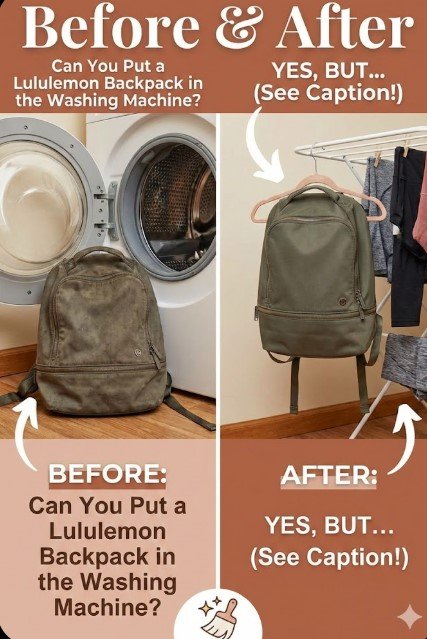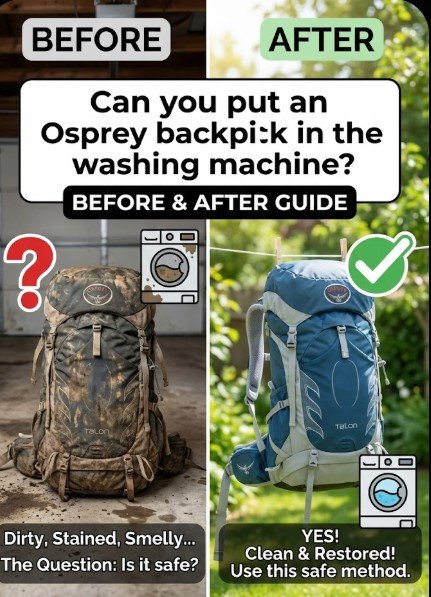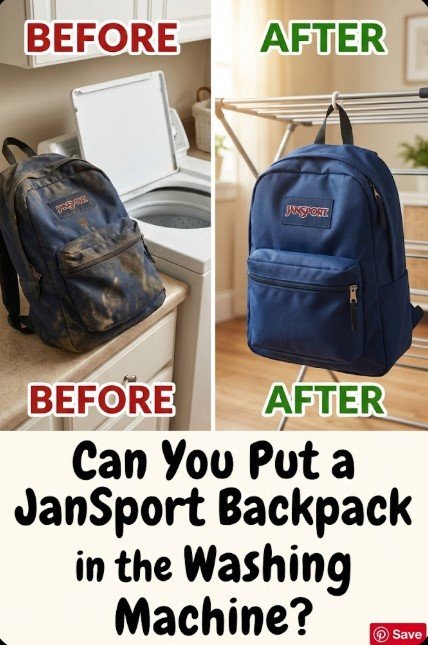
Can You Put a Swiss Backpack in the Washing Machine? (SwissGear Safe Method)
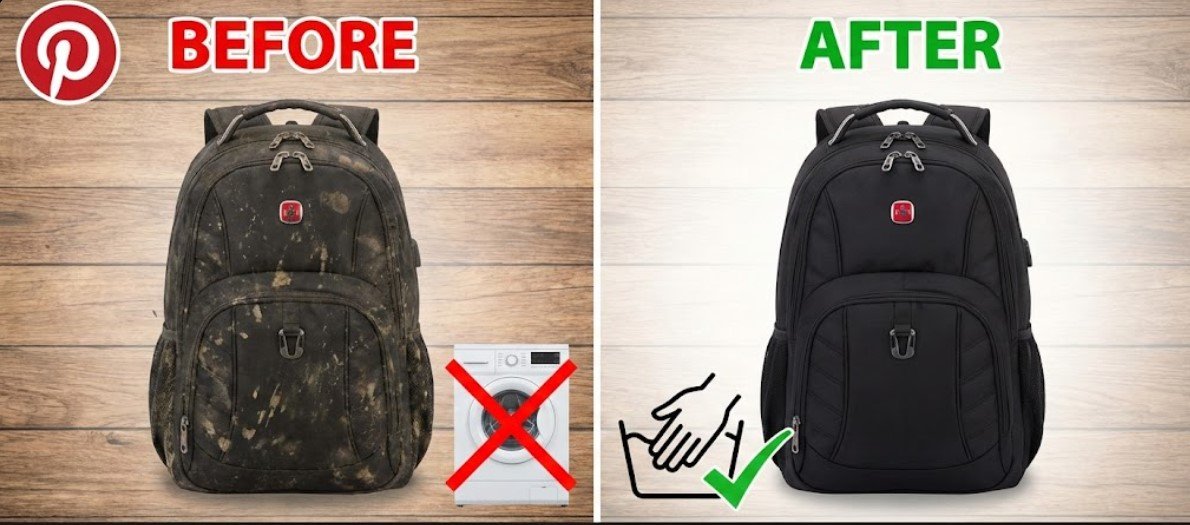
Yes—but only if the care label allows machine washing and the backpack is made mostly from washable polyester or nylon. Do not machine wash a SwissGear backpack with a rigid frame, nonremovable electronics, leather trim, damaged seams, or a “spot clean only” label. When in doubt, hand-clean it instead.
⚡ The TidyFormula™ Quick Answer
The Verdict: Check the care tag first. If machine washing is permitted, use cold water, a gentle cycle, low spin, and a small amount of mild liquid detergent. Air dry completely.
- Best candidates: Uncoated polyester or nylon backpacks without rigid or electronic parts
- Wash setting: Cold water, gentle cycle, and low spin
- Drying: At least 12–24 hours; thick padding may require 24–48 hours
- Do not use: Hot water, bleach, fabric softener, or a clothes dryer
Can You Put a Swiss Backpack in the Washing Machine?
Sometimes. “Swiss backpack” may refer to SwissGear, Wenger, or another Swiss-branded bag, and cleaning instructions vary by model. The care label inside your specific backpack should make the final decision.
A basic fabric backpack may tolerate a gentle machine wash. A structured laptop backpack is more likely to contain thick foam, coated fabric, glued layers, stiffeners, or cable-routing components that should not be soaked or heavily agitated.
If the tag is missing or unreadable, assume that spot cleaning or hand washing is safer than machine washing.
What I Use For This Job
Using the right tools saves time and protects your belongings. Here are my exact recommendations:
*As an Amazon Associate, TidyFormula earns from qualifying purchases.
Can You Put a SwissGear Backpack in the Washing Machine?
You can machine wash a SwissGear backpack only when its care label permits it and the bag has no components that water or agitation could damage. Even when the outer fabric is polyester, the backpack may contain materials that are not machine washable.
Do not rely on appearance alone. Check the inside of the back panel, laptop compartment, and bottom panel for hidden stiffeners. Also inspect any USB port, built-in cable, headphone opening, LED component, or other accessory before washing.
Never put a SwissGear backpack in the dryer. Heat can distort foam, damage coatings, weaken adhesive, and make straps or padded panels dry unevenly.
Choose the Cleaning Method by Material and Construction
Polyester or nylon fabric
These materials are the most likely to tolerate water. Machine washing may be possible if the care tag permits it and the backpack has no rigid frame, leather trim, or built-in components.
Thick foam and structured laptop compartments
Foam can hold water much longer than the outer fabric. A padded laptop backpack is usually better suited to spot cleaning or careful hand washing, especially if the padding cannot be removed.
Water-resistant or coated fabric
Machine agitation and strong detergent can gradually affect a surface coating. Spot clean these areas unless the manufacturer’s label specifically permits washing. Avoid scrubbing coated panels aggressively.
Leather or faux leather trim
Do not soak or machine wash leather-trimmed backpacks. Water and agitation can cause real leather to stiffen and faux leather to peel or crack.
Rigid panels, cardboard stiffeners, and frames
These components may bend, swell, or lose their shape. If they cannot be removed, do not put the backpack in the washing machine.
Built-in USB ports, cables, or electronic components
Remove the component if it was designed to detach. If wiring or hardware remains permanently installed, do not submerge or machine wash the bag.
When You Should Not Machine Wash a Swiss or SwissGear Backpack
Use a spot-cleaning or hand-cleaning method instead if any of the following applies:
- The care tag says “spot clean only” or “do not wash.”
- The bag has a hard shell or rigid frame. Agitation can bend the structure and cause it to strike the washer drum.
- There are leather or faux leather panels. They can crack, peel, stiffen, or discolor.
- Cardboard or nonremovable stiffeners are inside. They can swell, buckle, and remain lumpy after drying.
- The fabric has a heavy water-resistant coating. Washing can affect the finish over time.
- The backpack contains nonremovable electronic or cable components.
- Seams are fraying or straps are beginning to detach. Agitation can turn a small opening into a larger tear.
- The color transfers onto a damp white cloth. This indicates that the dye may bleed during washing.
- The backpack is too large to move freely in the drum. Forcing it into the washer can damage both the bag and the machine.
A front-loading washer or a top-loading washer without a center agitator is the safer machine option. A center agitator can catch straps, buckles, and compression webbing. Hand-clean the backpack if an agitator is your only option.
Step-by-Step: How to Wash a SwissGear Backpack in the Washing Machine
Use this method only after confirming that your backpack is suitable for machine washing.
Tools and supplies
- Mesh laundry bag or a pillowcase you can tie shut
- Mild liquid detergent without bleach
- Old toothbrush or soft cleaning brush
- Clean, colorfast towels to cushion and balance the load
- Vacuum with a crevice attachment if available
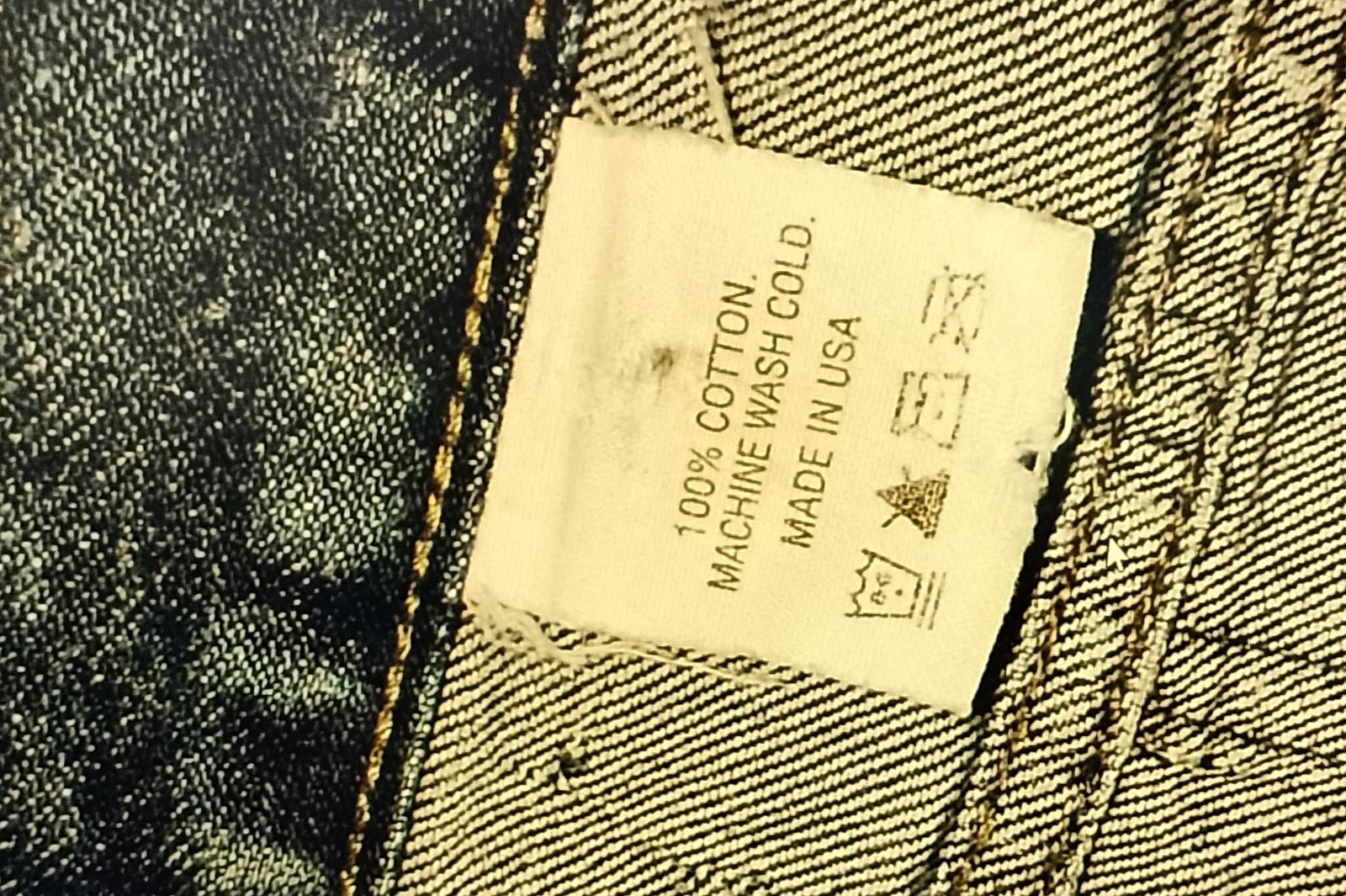
Check the care tag and inspect the construction
Read the cleaning symbols and written instructions on the label. If it says “spot clean only,” do not machine wash it. If it says “hand wash,” follow that instruction rather than assuming the washing machine is equivalent.
Look inside the laptop sleeve and along the back and bottom panels. Remove any frame sheet or stiff insert only if it was designed to come out. Do not cut the lining to reach a hidden panel.

care label + fabric texture Empty every compartment
Unzip every pocket and turn the backpack upside down. Remove pens, coins, paper, food, gum, chargers, earbuds, batteries, and anything stored in hidden organizer pockets.
Vacuum loose dirt and crumbs from the seams. If you do not have a vacuum, shake the open bag outdoors and use a dry brush to loosen debris.
Remove detachable keychains, rain covers, sternum straps, waist belts, strap pads, and approved removable inserts. Secure any straps that must remain attached so they cannot wrap around the washer mechanism.
🚫 The Rookie Mistake: Throwing the backpack in with a laptop, power bank, paper, or rigid back insert still inside. Check small organizer pockets twice before washing.Test for color transfer
Dampen a clean white cloth with cold water and press it against an inconspicuous area, such as the underside of a strap. If color transfers to the cloth, do not machine wash the backpack with towels or other laundry. Hand-clean it with minimal water instead.
Pre-clean straps, stains, and the bottom panel
Mix a small amount of mild liquid detergent with cold water. Apply the diluted solution to a cloth or soft toothbrush rather than pouring concentrated detergent directly onto the backpack.
Gently work on shoulder straps, the back panel, the bottom, and visible marks. Avoid aggressive scrubbing on printed logos, reflective strips, mesh, and coated surfaces. Let the diluted detergent sit briefly, but do not allow it to dry onto the fabric.
Close and protect the backpack
Close the main zippers so they do not flap around, but do not overstuff or force the bag into a tightly compressed shape. Fasten buckles and shorten loose webbing.
Place the backpack in a mesh laundry bag. If you do not have one, use a pillowcase and tie the end securely. Add two clean, colorfast towels to cushion the load and help balance the washer.
Do not add clothing that could transfer dye, lint, or metal hardware to the backpack.
Select safe wash settings
Use the following settings:
- Water: Cold
- Cycle: Delicate or gentle
- Spin: Low, if adjustable
- Detergent: A small amount of mild liquid detergent
- Avoid: Bleach, fabric softener, detergent pods placed against the fabric, and hot water
Use less detergent than you would for a normal clothing load. Excess detergent can remain trapped inside thick seams and padding.
🧪 Why Mild Detergent Works
Detergent contains surfactants that help water loosen oily residue and carry dirt away from fabric. Using a small amount reduces the chance of leaving soap in padded seams, while cold water and gentle movement reduce stress on coatings, adhesives, straps, and foam.
Curious about the chemistry? Read this simple explainer on surfactants.
Check the backpack before the final spin
If possible, pause the cycle and check that no strap has escaped the laundry bag. Stop the washer if you hear repeated heavy banging, scraping, or a buckle striking the drum.
After washing, inspect the fabric for suds. If detergent remains, run a cold rinse with no additional cleaning product. Do not wring or twist the backpack.
Reshape and air dry completely
Remove the backpack promptly. Open every zipper and pocket, then press clean towels against the fabric to absorb surface water. Do not twist the straps or squeeze padded panels forcefully.
Stuff the backpack loosely with dry towels or clean, unprinted paper to support its shape. Replace damp towels after an hour or two.
Dry the backpack in a ventilated area. Lay it over a drying rack or support it from both shoulder straps rather than hanging a waterlogged bag from one small carry loop. A fan can improve airflow.
Allow at least 12–24 hours. Thick foam, humid weather, and enclosed laptop compartments may extend drying to 24–48 hours. Do not reassemble or store the backpack until the deepest padding feels dry and no damp odor remains.
Avoid:
- A clothes dryer
- A hair dryer, space heater, or radiator
- Ironing
- Prolonged intense sunlight, which may fade dark fabric
Safer Alternative: Hand-Cleaning a SwissGear Backpack
Hand cleaning is the better choice when the label says “hand wash,” when the backpack is heavily padded, or when you are uncertain about its internal structure.
- Empty and vacuum every compartment.
- Remove detachable accessories and inserts.
- Add a small amount of mild liquid detergent to a basin of cold water.
- Dip a soft cloth into the solution and wring it until damp.
- Wipe the exterior, straps, back panel, and interior lining in sections.
- Use a soft toothbrush on durable fabric seams, avoiding logos and coated panels.
- Wipe again with a separate cloth dampened with clean water.
- Blot with a dry towel, reshape, open all pockets, and air dry with good airflow.
Do not fully submerge a structured backpack unless its care label explicitly permits soaking.
Troubleshooting After Washing
The backpack still has soap in it
White marks, stiff fabric, or foam that produces suds when pressed can indicate detergent residue. Run a cold rinse without detergent if machine washing is allowed. Otherwise, blot the affected area repeatedly with a clean damp cloth.
The backpack still smells damp
The inner foam probably has not finished drying. Open every compartment, remove the stuffing, and place the backpack near a fan. Do not cover or store it until it is fully dry.
If a musty odor returns after complete drying, avoid repeatedly soaking the backpack. Persistent odor or widespread visible mold inside inaccessible foam may mean the bag cannot be cleaned reliably and should be replaced.
The padding feels uneven
Lay the backpack flat and gently reshape the padding with your hands while it is still damp. Do not pull, twist, or sharply fold foam panels. Allow it to dry in its normal shape.
The fabric has chalky marks
These marks are commonly caused by dried detergent or mineral residue. Blot the area with a clean cloth dampened with cold water. Avoid adding more detergent.
A seam, coating, or glued edge starts separating
Stop washing and do not pull the loose section. Let the backpack dry completely before assessing the damage. Continued agitation can enlarge the separation.
Reassembly and Aftercare
Once the backpack is completely dry:
- Reinstall only the inserts and accessories you removed before washing.
- Check zipper movement before loading the bag.
- Inspect shoulder-strap stitching, buckles, and the carry handle.
- Confirm that the laptop compartment and bottom padding are dry before adding electronics.
- Store the backpack empty with its compartments slightly open in a dry location.
Avoid storing damp gym clothes, wet umbrellas, or food in the backpack. Remove crumbs regularly and spot clean shoulder straps before grime becomes deeply embedded. Frequent light cleaning is easier on the fabric than repeated full wash cycles.
Reality Check: When This Method Fails
Sometimes one gentle wash is not enough.
- A strong sweat or food odor may remain in thick foam after the outer fabric looks clean.
- Old oil, ink, dye, adhesive, and set-in stains may not come out completely.
- Repeated washing can loosen glued edges and gradually affect water-resistant finishes.
- Machine washing cannot repair damaged coatings, stretched mesh, torn seams, or compressed padding.
The quick alternative
If you do not want to risk machine washing, empty the bag, vacuum the crumbs, and wipe the inside and exterior with a barely damp cloth and a small amount of diluted mild soap. Wipe away the soap with a second damp cloth, then leave every compartment open near a fan until completely dry.
FAQ
1) Can I wash a SwissGear backpack with a laptop compartment?
Only if the care label permits machine washing and the compartment contains no nonremovable rigid insert, cardboard stiffener, wiring, or electronic component. Remove the laptop and every accessory, then let the compartment dry completely before using it again.
2) Will the washer ruin the padding?
It can. Agitation may shift foam, while high-speed spinning can crease structured panels. Cold water, a gentle cycle, and low spin reduce the risk, but hand cleaning is safer for thick or rigid padding. Dryer heat presents an even greater risk.
3) Can I use vinegar for odor?
Do not add vinegar unless the backpack’s care instructions permit it. Acidic products may not be suitable for every coating, trim, or metal component. Mild detergent and complete drying are the safer starting points. Never mix vinegar with bleach or other cleaning products.
4) What if my backpack has metal parts?
Fasten the hardware and place the backpack in a mesh bag or tied pillowcase. Stop the washer if a buckle or zipper repeatedly strikes the drum.
5) How do I stop zipper noise and damage?
Empty the zipper tracks, close the compartments, secure loose zipper pulls, and place the backpack inside a mesh bag or tied pillowcase. Do not force a damaged zipper closed before washing.
6) How long should it dry?
Allow at least 12–24 hours. A backpack with thick shoulder straps, back padding, or a padded laptop sleeve may require 24–48 hours. It is not ready until the deepest padded areas are dry and there is no damp odor.
7) Can I wash it every month?
Monthly machine washing is not recommended unless the care label specifically supports frequent washing. Repeated soaking and agitation can wear coatings, seams, straps, and padding. Vacuum and spot clean regularly, then wash the entire bag only when necessary.
8) Can I wash a SwissGear backpack in a top-loading washer?
A top loader without a center agitator may be suitable if the care label permits machine washing. Avoid a center-agitator machine because straps and buckles can become tangled around it.
9) Can the backpack go in the dryer on low heat?
No. Even low dryer heat and tumbling can warp foam, affect coatings, weaken adhesive, and damage plastic hardware. Air dry the backpack instead.
10) Should I waterproof the backpack after washing?
Do not automatically apply a waterproofing product. First check the backpack’s care instructions and the product’s material compatibility. Applying the wrong treatment can change the appearance, breathability, or finish of the fabric.
🧼 More Cleaning Guides
👟 Washing Hey Dudes
🐊 Washing Crocs (Safe Method)
🚫 Loungefly Backpacks (Don’t Do It)
🛏️ Memory Foam Pillows
Everything Mentioned Above
Before you leave, grab the tools you need to get the job done right the first time:
*As an Amazon Associate, TidyFormula earns from qualifying purchases.