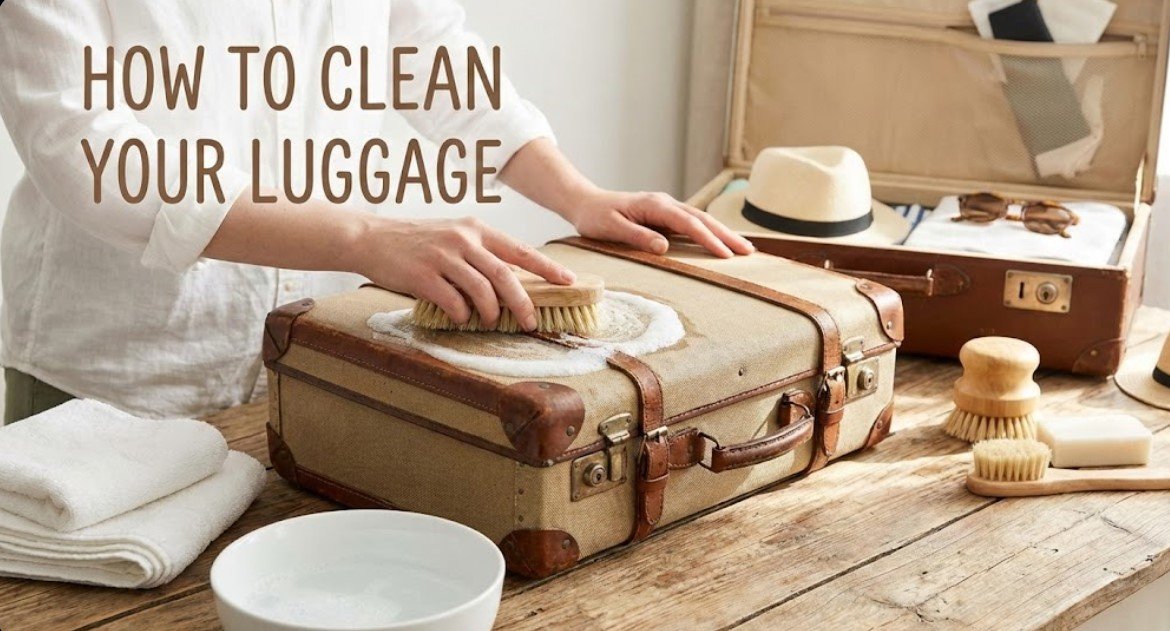
How to Clean a Luggage (The “No-Soak” Guide for Hard & Soft Shells)
To clean luggage safely, empty and vacuum it first, then spot-clean rather than soak it. Use mild dish soap and a damp microfiber cloth on most hard shells, upholstery foam or soap suds on washable fabric, and a material-specific cleaner on leather. Test every cleaner in a hidden area and let the suitcase dry completely before storage.
The exact method depends on the shell material, finish, and care label. Too much water can damage internal stiffeners, while abrasive pads and strong solvents can discolor or dull the exterior.
⚡ The TidyFormula™ Quick Answer
The Verdict: Empty, vacuum, and spot-clean your suitcase. For most hard shell luggage, use warm water, a drop of dish soap, and a microfiber cloth. Use a melamine sponge only on compatible, uncoated plastic and only after testing it. For soft sided luggage, apply upholstery foam or soap suds without saturating the fabric.
- Best general cleaner: Mild dish soap diluted in warm water.
- Moisture rule: Keep cloths damp, not dripping wet.
- Drying: Leave every pocket open until the bag is completely dry.
Before You Clean: Identify the Material
Check the care tag, product manual, or manufacturer’s website before applying a cleaner. A suitcase may combine several materials, including a plastic shell, coated fabric, leather trim, metal hardware, and a nylon lining.
- Polycarbonate, polypropylene, and ABS: Usually tolerate diluted dish soap and a soft cloth. Abrasives can dull glossy, printed, or coated finishes.
- Aluminum: Use a soft cloth and mild soap. Do not use a melamine sponge, steel wool, or abrasive powder.
- Nylon and polyester: Usually suitable for low-moisture spot cleaning, but test for color transfer first.
- Canvas: Absorbs more water than synthetic fabric and may develop rings if only the center of a stain is wetted.
- Leather or suede: Use a cleaner intended for that material. Do not use dish soap, alcohol, upholstery foam, or a Magic Eraser unless the manufacturer specifically permits it.
- Faux leather and coated fabric: Wipe gently with mild soapy water. Stop if the coating becomes tacky, flakes, or transfers color.
Do a Hidden-Area Test
Apply a small amount of the cleaner behind a wheel housing, beneath the bag, or inside an inconspicuous seam. Blot it dry and check for fading, tackiness, loss of gloss, dye transfer, or texture changes before continuing.
What I Use For This Job
Using the right tools saves time and protects your belongings. Here are my exact recommendations:
*As an Amazon Associate, TidyFormula earns from qualifying purchases.
The Setup: What You Actually Need
You do not need a dedicated luggage cleaning kit. Gather only the supplies appropriate for your suitcase:
- Vacuum with hose attachment: For crumbs, sand, hair, and seam debris.
- Mild dish soap: For general grime on compatible plastic and fabric.
- Microfiber cloths: Use separate cloths for washing, rinsing, and drying.
- Melamine sponge (optional): Only for tested, uncoated hard plastic.
- Soft-bristle brush: An old toothbrush works around fabric seams, zipper teeth, and wheel housings.
- Upholstery foam (optional): For colorfast nylon, polyester, or canvas when the care label allows it.
- Rubbing alcohol or a compatible disinfectant (optional): Use only on materials approved by the suitcase and product manufacturers.
Prepare the Suitcase
- Empty every compartment and remove luggage tags, straps, organizers, and detachable liners.
- Check all pockets for batteries, documents, food, and liquids.
- Shake loose debris outdoors, then vacuum the interior and exterior seams.
- Retract the telescoping handle and close or cover charging ports before using a damp cloth.
- Place the suitcase on an old towel so dirt and moisture do not spread to the floor.
Phase 1: How to Clean Hard Shell Luggage (The Exterior)
Most plastic hard shells are relatively easy to clean, but glossy coatings, printed designs, and metallic finishes scratch easily.
1. Wash Away Surface Dirt
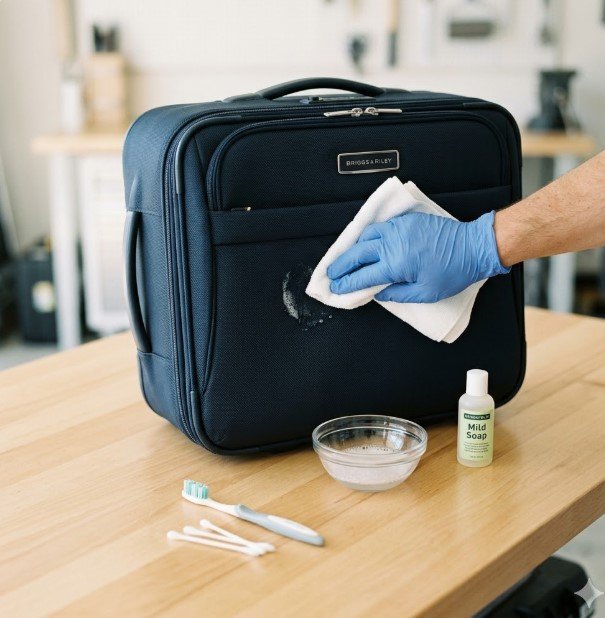
Add a few drops of mild dish soap to a bowl of warm water. Dip a microfiber cloth into the solution and wring it thoroughly. Wipe one section at a time, paying attention to handles, recessed areas, corners, and the shell around the wheels.
Do not pour water directly onto the suitcase. Keep moisture away from zippers, locks, USB ports, seams, and the telescoping-handle channels.
2. Rinse and Dry the Surface
Wipe away soap residue with a second cloth dampened with plain water. Dry the shell immediately with a clean towel. Residual detergent can leave streaks or attract more dirt.
3. Treat Scuff Marks Carefully
Start with the least abrasive option: rub the scuff with the soapy microfiber cloth. If a rubber transfer mark remains on an uncoated plastic shell, test a damp melamine sponge in a hidden area. Use very light pressure and stop as soon as the mark lifts.
Do not use a melamine sponge on aluminum, leather trim, printed graphics, painted areas, glossy coatings, or metallic finishes. Because melamine foam is abrasive, repeated rubbing may create a dull patch that is more noticeable than the original scuff.
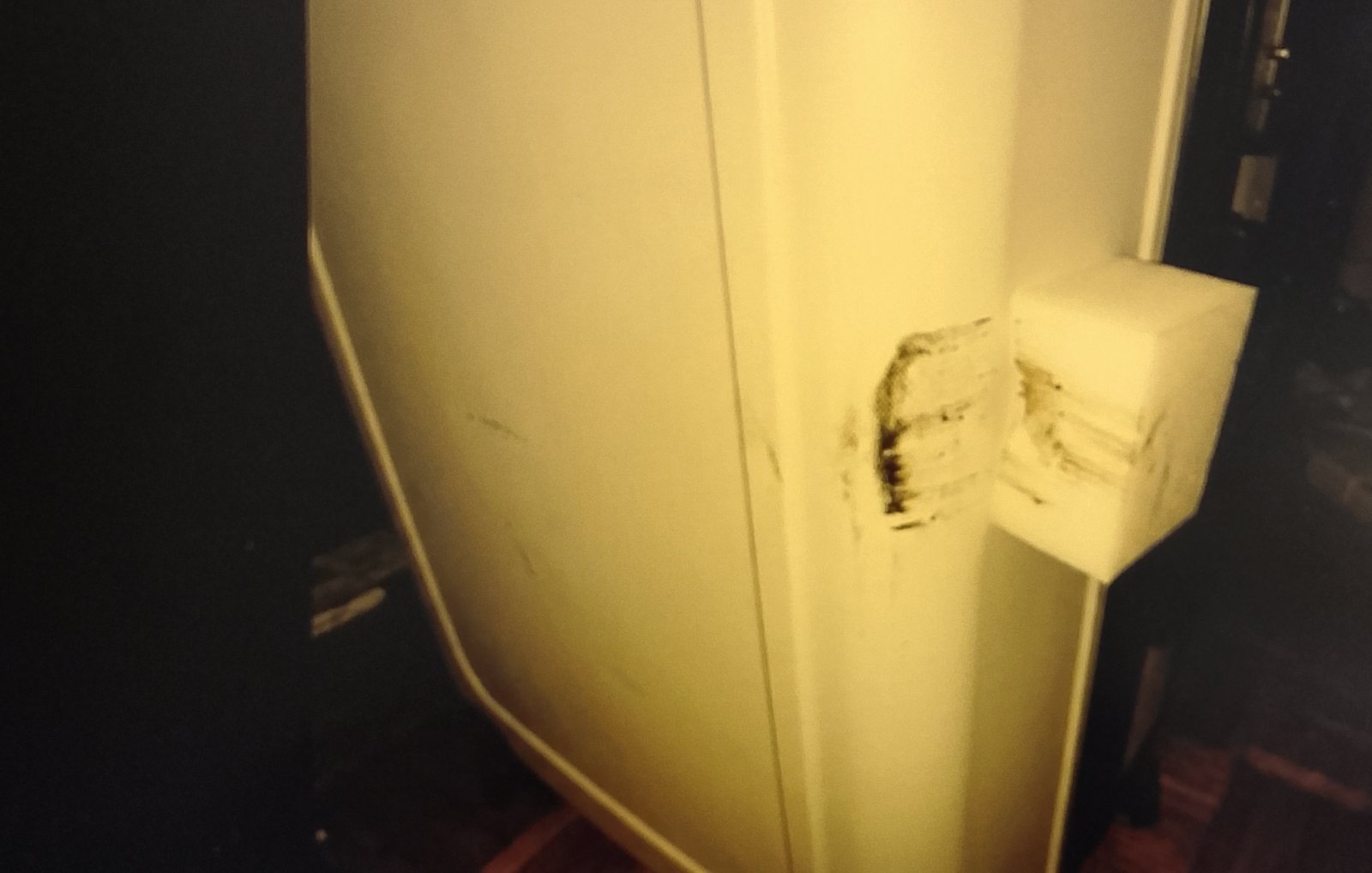
🧪 Why a Melamine Sponge Removes Scuffs
Melamine foam has a fine abrasive structure that can lift transferred rubber and embedded grime from textured plastic. That same abrasive action can also reduce gloss or wear through a decorative coating, which is why light pressure and a hidden-area test matter.
4. Clean Handles, Locks, and Wheels
Wipe handles and locks with a lightly soapy cloth, followed by a plain damp cloth. Do not flood combination locks, retractable handle openings, or electronic components.
Remove hair and thread from wheel axles with tweezers or small scissors, taking care not to cut the wheel. Scrub wheel treads with a damp toothbrush, wipe away the dirt, and towel-dry them.
If you want to disinfect a nonporous high-touch area, first confirm that both the luggage manufacturer and disinfectant label permit use on that material. Clean visible dirt first, follow the product’s stated wet contact time, and never combine it with another cleaner. Avoid alcohol on leather, faux leather, painted parts, and unknown coatings.
Phase 2: How to Clean Fabric Luggage (Soft Shell)
Cleaning fabric luggage at home requires controlled moisture. Saturating the exterior may wet the lining, foam padding, adhesives, or internal stiffeners.
1. Vacuum and Dry-Brush the Fabric
Vacuum the exterior with a clean upholstery attachment. Use a dry nylon brush to loosen dirt around piping, seams, pockets, handles, and zipper tape. Removing dry soil first prevents it from turning into muddy residue.
2. Test for Colorfastness
Press a white cloth dampened with your chosen solution against a hidden section of fabric. If color transfers to the cloth or the fabric changes shade after drying, stop and use plain water or consult the manufacturer.
3. Use the Foam Method
If the care instructions allow upholstery cleaner, follow its label. Alternatively, mix a small amount of dish soap with warm water and agitate it to create suds. Pick up the foam with a cloth or soft brush rather than dipping into the water beneath it.
Work from the outer edge of a stain toward the center. On generally dingy fabric, clean an entire panel from seam to seam to reduce the chance of a visible water ring.
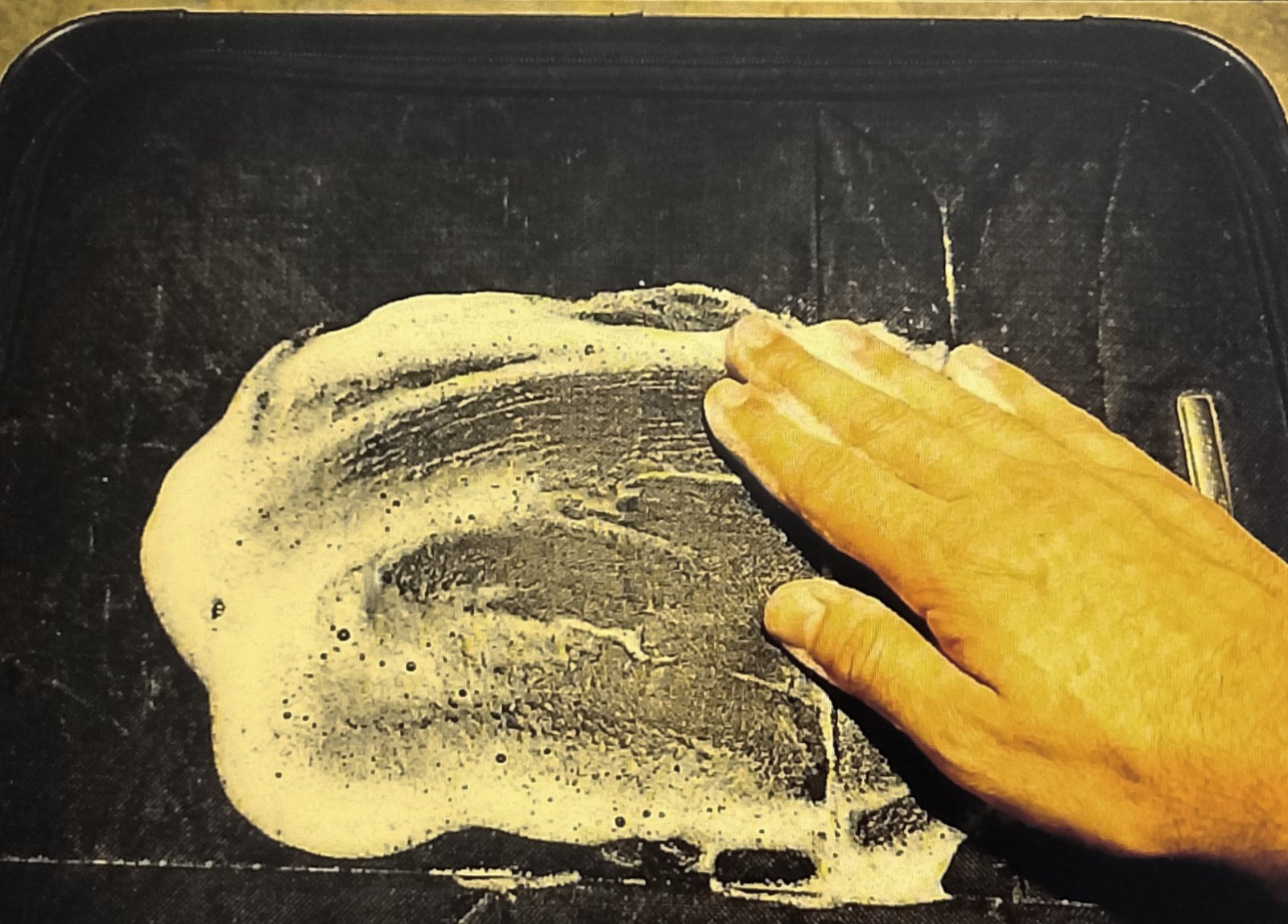
4. Agitate, Blot, and Rinse
Gently work the foam into the fabric with a soft brush. Do not scrub aggressively enough to fuzz the fibers or damage a water-resistant coating.
Blot away the dirty foam with a clean cloth. Follow with a second cloth lightly dampened with plain water to remove detergent residue, then press a dry towel against the area.
5. Know When to Stop
Stop cleaning and blot the area dry if:
- Dye transfers to your cloth.
- The fabric develops a pale or dark ring.
- A coating becomes sticky, flaky, or wrinkled.
- The panel feels saturated or water reaches the lining.
- Glue, foam, or an unknown substance begins seeping from a seam.
Allow the area to dry before repeating treatment. A stain often looks different when wet, and repeated scrubbing can spread it or damage the fabric.
Phase 3: How to Clean Inside of Luggage
The interior can collect sand, crumbs, dust, makeup, and leaked toiletries. Clean it with the same low-moisture approach used on the exterior.
1. Vacuum Every Compartment
Open all pockets and release compression straps. If the lining has a maintenance zipper, open it only as far as needed and do not pull on exposed wires, handle mechanisms, or structural panels.
Vacuum corners, zipper folds, seams, and beneath removable liners. A crevice attachment works well, but keep suction low around loose lining material.
2. Spot-Clean the Lining
Use a cloth lightly dampened with diluted dish soap to blot washable nylon or polyester lining. Work from the edge of a spill toward its center. Follow with a plain damp cloth, then blot with a dry towel.
Avoid saturating seams or pressing liquid through the lining. Do not use bleach, alcohol, or fragranced sprays unless the care instructions specifically permit them.
3. Handle Common Interior Spills
- Shampoo or soap: Lift away excess product, then repeatedly blot with a plain damp cloth. Using more detergent will make the residue harder to remove.
- Oil or makeup: Blot rather than rub. Use a small amount of diluted dish soap after a colorfastness test.
- Food crumbs or dry powder: Vacuum before adding moisture.
- Unknown sticky residue: Start with warm water. Avoid solvents that may dissolve the lining, printed pattern, or adhesive beneath it.
4. Check for Pests Before Bringing the Bag Indoors
Inspect seams, piping, pocket folds, and zipper areas if the luggage has been in a location where bed bugs were suspected. Do not spray the suitcase with an unapproved pesticide or rely on ordinary surface cleaning to resolve an infestation.
How to Dry Luggage Without Damaging It
Drying is part of the cleaning process. Closing a damp suitcase can trap moisture and create persistent odors.
- Blot the exterior and lining with dry towels.
- Extend the telescoping handle and open every zipper, pocket, divider, and expansion panel.
- Place the suitcase upright in a shaded, well-ventilated room.
- Direct a fan across—not into—the open bag if you need more airflow.
- Turn removable liners and pockets outward where possible.
- Wait until seams, padding, and corners feel completely dry before closing the suitcase.
Avoid hair dryers, clothes dryers, radiators, and other concentrated heat. High heat can deform plastic shells, weaken adhesives, damage coatings, or shrink fabric. Prolonged direct sunlight may fade fabric and printed finishes.
Troubleshooting Stains, Odors, and Damage
The Stain Reappeared After Drying
This may be detergent residue or soil that moved to the edge of the wet area. Lightly clean the entire fabric panel from seam to seam with plain water, then blot evenly and allow it to dry. Do not keep adding cleaner.
The Fabric Has a Water Ring
Feather the edge with a barely damp cloth, or clean the whole panel evenly if its care instructions allow it. Blot with a dry towel. Stop if dye begins transferring.
The Suitcase Smells Musty
Vacuum it, wipe compatible interior surfaces with mild soapy water, remove the residue with a plain damp cloth, and let the bag air out fully. Odor absorbers may mask a problem but will not correct damp padding or mold inside inaccessible layers.
If the bag remains musty after several days of ventilation, has visible mold, or was stored wet for a long time, professional cleaning or replacement may be safer than repeatedly wetting it.
The Scuff Will Not Come Off
It may be a scratch, missing coating, or permanent dye transfer rather than surface grime. Stop before abrasion creates a larger dull spot. Scratches in a colored or glossy shell generally cannot be cleaned away.
A Zipper Is Sticking
Vacuum and brush debris from the zipper teeth, then wipe them with a barely damp cloth and dry them. Do not force the slider. If teeth are bent, fabric is caught, or the slider separates the zipper behind it, cleaning will not fix the mechanical damage.
Reality Check: When Cleaning Will Not Fix the Bag
Spot cleaning can improve ordinary dirt and surface marks, but it cannot repair every problem:
- Deep stains: Wine, ink, hair dye, and transferred clothing dye may permanently discolor light canvas or nylon.
- Structural damage: Warped panels, separated layers, broken handles, and cracked shells require repair or replacement.
- Persistent contamination: Sewage, animal urine that reached internal stiffeners, widespread mold, or an unresolved pest infestation may make replacement the practical choice.
- Worn finishes: Scratches, missing paint, peeling coatings, and faded fabric are damage rather than removable dirt.
Aftercare and Storage
- Confirm that the shell, lining, pockets, seams, and wheel housings are dry.
- Reinstall detachable liners and organizers only after all parts have dried.
- Leave zippers slightly open during storage if the location is clean and dry.
- Store luggage away from damp basements, hot attics, heaters, and direct sunlight.
- Use a breathable dust cover rather than sealing a recently cleaned bag in plastic.
- Place liquids in sealed toiletry bags on future trips to contain leaks.
- Wipe off fresh spills and scuffs promptly, before they penetrate fabric or harden.
Frequently Asked Questions
How do you clean luggage fabric without detergent?
Vacuum and dry-brush it first. For light surface marks, blot with a white microfiber cloth dampened with plain water, then use a dry towel. Avoid vinegar unless the luggage manufacturer permits it; acidic solutions can affect some dyes, coatings, metals, and adhesives.
Can you wash a suitcase in the bathtub?
Not unless its care label explicitly says the entire suitcase is washable. Submerging soft-sided luggage can saturate foam, adhesives, linings, and internal stiffeners, leading to warping, separation, odors, or slow drying.
How do you clean white luggage?
For a white plastic shell, begin with diluted dish soap and a microfiber cloth. A tested melamine sponge may remove rubber transfer from uncoated plastic, but it can dull glossy finishes. For white fabric, use a compatible upholstery cleaner or oxygen-based product only if the care label allows it, and always test a hidden area first.
How do you clean Biaggi or Echolac luggage specifically?
Check the care label or instructions for the exact model because materials vary within each brand. Biaggi foldable bags may contain fabric, panels, and hardware with different care requirements, while Echolac cases may use coated or textured shells. Follow the manufacturer’s instructions rather than assuming the entire suitcase is machine washable.
How do you remove the factory smell from new luggage?
Empty the suitcase and leave all pockets open in a shaded, well-ventilated space. Avoid adding perfume or deodorizing spray, which can combine with the odor rather than remove it. Contact the retailer or manufacturer if the smell is unusually strong, causes irritation, or does not fade with ventilation.
How do you clean luggage trolley wheels?
Use tweezers to remove hair and thread from the axles, then scrub the tread and wheel housing with a damp, soapy toothbrush. Wipe with a plain damp cloth and dry thoroughly. If a wheel squeaks, use only a manufacturer-approved lubricant and keep it off the fabric, brakes, and floor-contacting tread.
Can you use disinfectant wipes on luggage?
Only if the wipe’s label permits use on the suitcase material and the manufacturer does not prohibit it. Clean visible dirt first and follow the labeled contact time. Do not use disinfectant wipes on leather, suede, absorbent fabric, painted details, or electronic components unless specifically approved.
For model-specific travel and luggage care information, check out Samsonite’s Official Care Instructions.
Everything Mentioned Above
Before you leave, grab the tools you need to get the job done right the first time:
*As an Amazon Associate, TidyFormula earns from qualifying purchases.