
How to Clean a Sand Weighted Blanket (Without Ruining It)
Do not machine-wash or submerge a sand-filled weighted blanket unless its care label explicitly says you can. Water can become trapped in the quilted pockets, causing the filling to clump and the blanket to dry unevenly. For most sand-filled blankets, the safest option is to wash a removable cover separately and spot-clean the inner blanket.
⚡ The TidyFormula™ Quick Answer
The Verdict: Check the care label first. If it does not clearly permit machine washing, spot-clean the weighted insert without submerging it.
- The Mix: Cool water and a small amount of mild dish soap or gentle laundry detergent.
- Active Time: About 15–20 minutes, plus complete air-drying time.
- Best For: Surface dirt, small food spills, body oils, and mild odors.
- Not Suitable For: Filling-level contamination, widespread mold, pet urine that has soaked through, or a leaking seam.
Check the Blanket Before Cleaning It
Before applying water or cleaner, locate the care label and confirm the filling material. Some weighted blankets use glass beads, plastic pellets, steel beads, or mixed fillers that can look or feel similar through the fabric.
Follow the manufacturer’s instructions if they specifically identify the blanket as washable. If the label says “spot clean only,” “do not wash,” or is missing or unreadable, use the low-moisture method below.
If the blanket has a removable duvet-style cover, remove it and wash that cover according to its own label. Do not assume the inner weighted insert has the same washing instructions.
What I Use For This Job
Using the right tools saves time and protects your belongings. Here are my exact recommendations:
*As an Amazon Associate, TidyFormula earns from qualifying purchases.
Also inspect the blanket for:
- Loose stitching, open seams, or escaping sand
- Hard or uneven clumps inside the pockets
- Musty odors that remain when the blanket is completely dry
- Large spills that have penetrated several quilted sections
Repair an open seam before cleaning. If sand is actively leaking, stop handling the blanket over carpet or near a washing machine and place it inside a large bag or container until it can be repaired or discarded.
Why You Can’t Just Toss It In the Wash
If you are wondering can you wash a weighted blanket filled with sand like regular bedding, the answer depends on the care label—but most should not be submerged.
Water can move into the quilted pockets and remain around the densely packed filling. The sand may clump, shift unevenly, and place extra stress on internal stitching. Thick outer fabric can feel dry while moisture remains trapped deeper inside.
Weight is another concern. A heavy blanket becomes harder to balance and handle when saturated. That load may exceed a household washer’s stated capacity or create an unbalanced spin cycle.
🧪 Why Low-Moisture Cleaning Is Safer
Sand is granular, so moisture can make the grains cling together and concentrate the filling in one area. Spot cleaning limits how much liquid reaches the interior, reducing clumping and helping the fabric dry more predictably. Mold does not grow from clean mineral sand itself, but it can grow on damp fabric, body oils, food residue, or other organic debris if moisture remains trapped.
The Safest Way to Clean It Without Ruining It
This method is intended for surface stains and odors. It does not deep-clean contaminated filling.
What You Need
- Mild Cleaner: Mild dish soap or gentle liquid laundry detergent without bleach.
- Cool Water: Hot water can set some stains and may affect dyes or fabric finishes.
- An Old Toothbrush: Use a clean, soft-bristled brush only on durable fabric.
- Clean White Towels: White cloths make it easier to see transferred dirt and avoid dye transfer.
- A Fan: Moving air helps the cleaned area dry thoroughly.
Preparation
Remove the washable cover, if present. Place the insert flat on a clean, dry, water-resistant surface that can support its full weight.
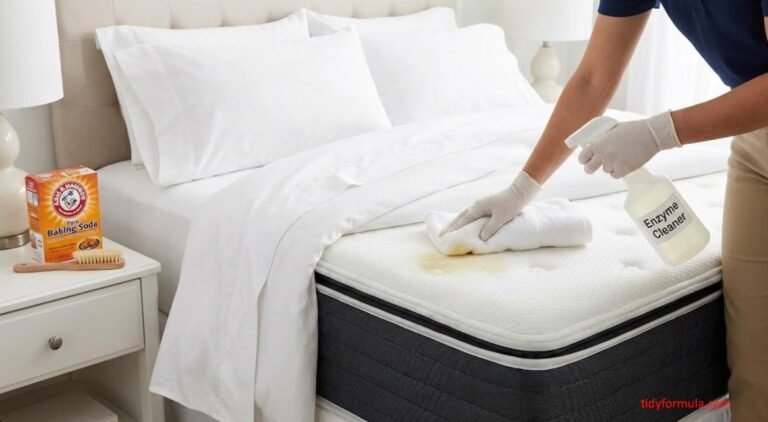
Blot fresh spills immediately with a dry white towel. Press straight down rather than rubbing, which can spread the spill. Before treating a visible area, test the solution on an inconspicuous corner and allow it to dry. Stop if the fabric color transfers, fades, stiffens, or develops a water ring.
The Steps
1. Inspect and Locate the Problem Areas
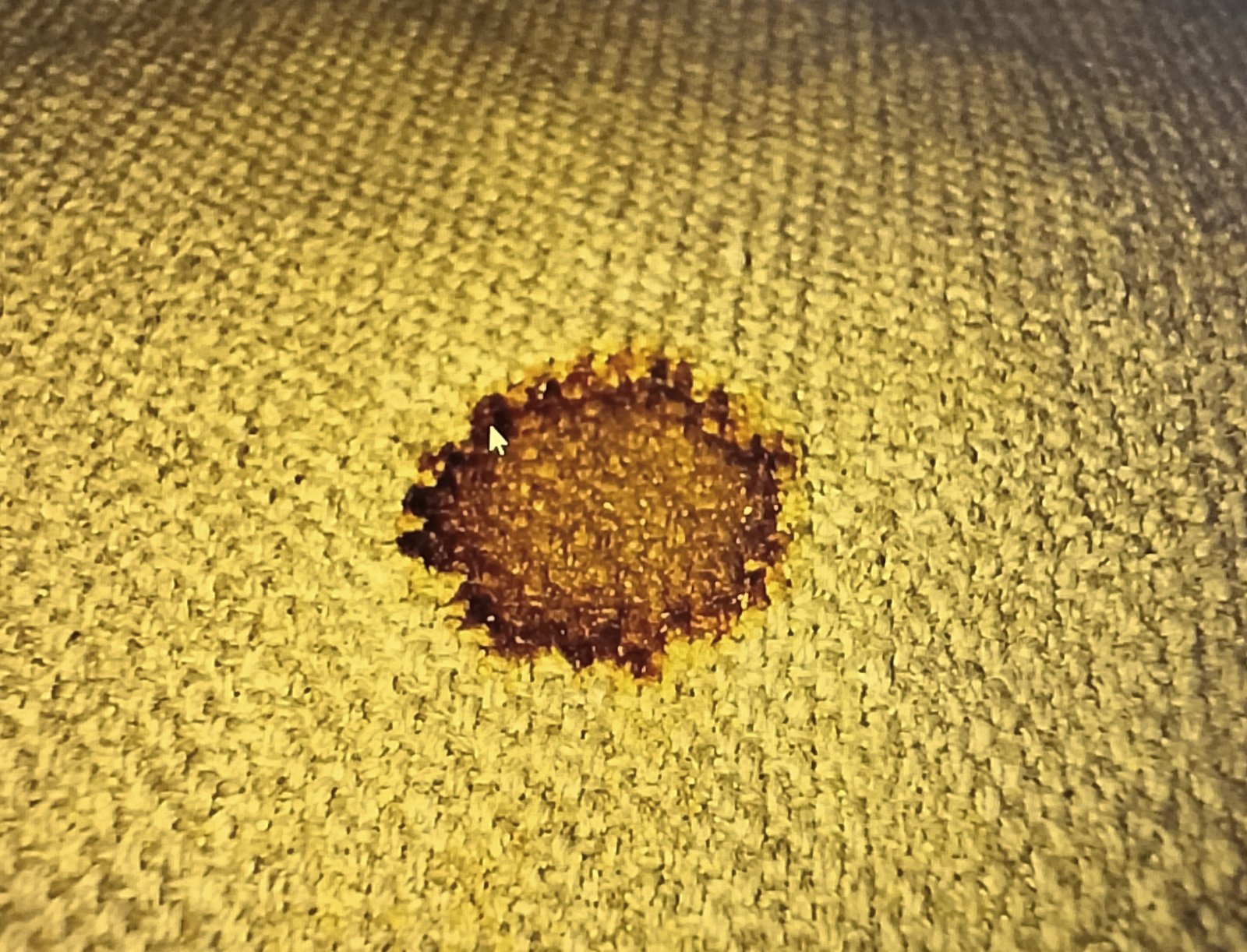
Lay the blanket out flat and identify the specific stained or smelly sections. Check both sides because a spill may have traveled through the outer fabric. Treat only the affected areas rather than dampening the whole blanket.
2. Mix the Cleaning Solution
In a small bowl, mix one cup of cool water with two or three drops of mild dish soap or gentle liquid laundry detergent. Stir gently. Excess foam is unnecessary and takes more moisture to remove.
3. Dab and Lift the Stain
Dip a white cloth into the solution and wring it out until it is barely damp. Blot from the outside edge of the stain toward the center so the mark does not spread.
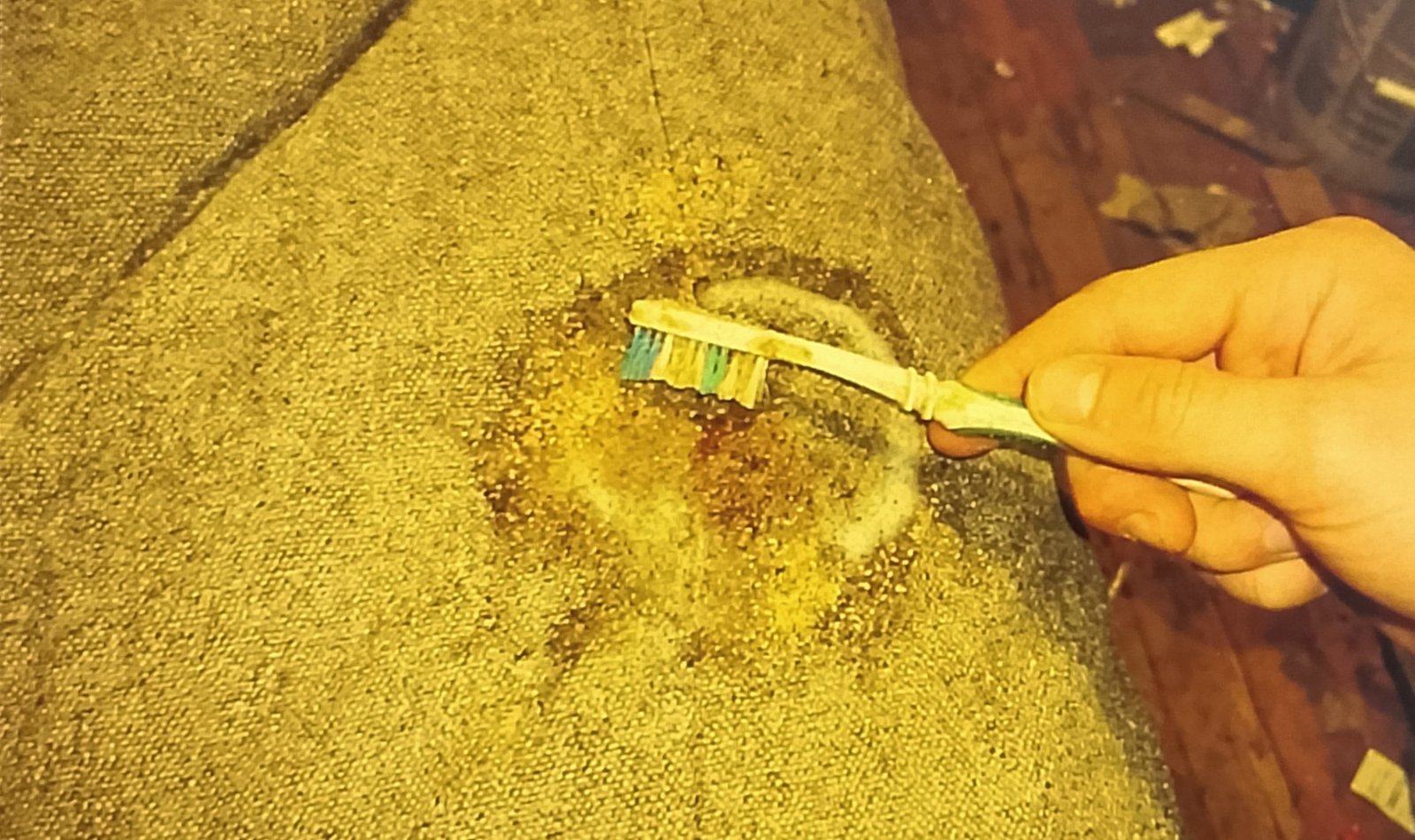
For residue sitting on the fabric surface, gently work the area with the cloth. Use the soft toothbrush only if the fabric is sturdy and the care label does not prohibit brushing. Avoid pressing hard enough to force liquid through the shell.
4. Remove the Soap Residue
Dampen a fresh white cloth with plain cool water and wring it out thoroughly. Blot the cleaned area to lift out remaining soap. Repeat with another barely damp section of cloth if the fabric still feels slick.
Finish by pressing a dry towel against the area. Do not twist or wring the blanket.
5. Air-Dry the Blanket Flat
Lay the blanket flat across a clean surface that supports its entire weight. A drying rack is suitable only if it provides broad, even support without leaving most of the blanket hanging from one point.
Aim a fan across the surface and turn the blanket over periodically if you can do so safely. Do not hang a damp sand-filled blanket from a clothesline, door, or narrow rail. Concentrated weight can stretch the fabric and stress the seams.
Do not use the blanket, fold it, replace its cover, or put it into storage until both sides and every treated pocket feel completely dry and return to room temperature. A cool-feeling patch may still contain moisture.
How to Handle Common Stains
Food, Coffee, and Greasy Marks
Blot liquid spills first. Use the diluted soap solution in repeated light passes instead of one wet application. For solids, lift away residue with a spoon or dull edge before blotting. Do not grind crumbs or food into the stitching.
Sweat and General Body Odor
Wash the removable cover, then air out the insert flat in a dry, well-ventilated area. If odor is limited to the shell, wipe it with a barely damp cloth and mild detergent solution. A persistent odor from inside the quilted pockets suggests the filling or inner fabric has been affected.
Pet Urine or Other Large Biological Spills
If urine has soaked into the filling, surface cleaning is unlikely to remove all residue or odor. Avoid saturating the blanket with enzyme cleaner or another liquid unless the manufacturer specifically approves that treatment. Contact the manufacturer about professional cleaning or replacement.
Methods to Avoid
Unless the manufacturer’s care instructions specifically permit them, do not use:
- A washing machine: Submersion and spinning can shift the filling, strain seams, and overload the appliance.
- A bathtub or sink soak: A fully saturated blanket is difficult to lift safely and may take too long to dry internally.
- A tumble dryer: Heat and tumbling can damage the shell, stitching, or internal construction.
- A carpet cleaner, steam cleaner, or upholstery extractor: These methods can force moisture into the filling.
- Bleach or harsh stain removers: They may discolor or weaken the shell and can be difficult to rinse away without soaking the blanket.
- Heavy fragrance sprays: They mask odors rather than removing their source and add more liquid to the fabric.
Reality Check: When Spot Cleaning Is Not Enough
Spot cleaning works for surface dirt, food marks, light body oils, and minor odors. It cannot reliably clean sand or inner fabric that has been saturated by a large spill.
Stop cleaning and consider contacting the manufacturer or replacing the blanket if:
- The odor returns after the blanket is completely dry.
- Several quilted pockets remain hard, damp, or unusually cold.
- Dark spotting or visible growth appears on either side.
- The filling has formed large clumps that do not redistribute gently.
- A seam opens or sand begins escaping.
- The spill contains urine, vomit, floodwater, or another contaminant that reached the filling.
Aftercare and Prevention
A washable removable cover is the easiest way to keep the weighted insert clean. Wash the cover as often as its care label allows, and make sure it is fully dry before putting it back on.
Use a top sheet between your body and the blanket to reduce contact with sweat and skin oils. Keep food and drinks away from the blanket when possible, and address spills immediately before they reach the filling.
For storage, make sure the blanket is clean and completely dry. Fold it loosely and store it flat on a sturdy shelf in a dry, ventilated space. Avoid suspending it from a hanger because the concentrated weight can distort the seams.
FAQ: Cleaning a Sand Weighted Blanket
Can I dry clean a sand weighted blanket?
Only if the care label or manufacturer specifically approves dry cleaning. Some cleaners may decline heavy weighted items because of their construction, filling, or risk of seam failure. Tell the cleaner exactly what the blanket contains before leaving it with them.
What if I use the “Delicate” cycle?
A delicate cycle still submerges and spins the blanket. It does not prevent the filling from becoming wet or shifting, and it does not make an overloaded machine safe. Use it only when the care label expressly permits machine washing and the blanket falls within the washer manufacturer’s capacity.
How do I sanitize it without washing?
Spot cleaning, airing, and sunlight should not be treated as reliable disinfection methods. If the blanket requires disinfection because of illness or significant contamination, follow the manufacturer’s approved cleaning instructions. Replace the insert if it cannot be cleaned appropriately without saturation.
Can I use vinegar?
Use vinegar only if the care label permits it. Test a small hidden area first, and apply a diluted solution with a barely damp cloth rather than spraying the blanket. Never combine vinegar with bleach or other cleaning products.
What should I do if sand is leaking out?
Stop using the blanket and place it in a large bag or container to contain the filling. A small, accessible seam opening may be repairable according to the manufacturer’s instructions, but do not patch over damp or contaminated filling. Replace the blanket if the shell or multiple internal pockets are failing.
Everything Mentioned Above
Before you leave, grab the tools you need to get the job done right the first time:
*As an Amazon Associate, TidyFormula earns from qualifying purchases.