
can you wash a weighted blanket with glass beads
I almost made a very expensive mistake with a weighted blanket.
A glass bead weighted blanket looks harmless when it is dry. The moment it gets wet, it turns into a heavy, awkward slab that can strain seams, overload a home washer, and take forever to dry. If yours smells like sweat, stale air, or spilled snacks, yes, you can wash it. But you need to do it the right way.
The biggest mistake people make is assuming a weighted blanket can be washed like a normal comforter. It cannot. The issue is not the glass beads themselves. Glass beads are non-porous and water-safe. The real weak points are the stitching, internal pockets, outer fabric, and your washer’s weight capacity.
If you have ever heard that scary “thump-thump-thump” during a wash cycle, this explains why—and how to avoid it:
Can You Put a Backpack in the Washing Machine? (Yes… But Not Like That.)
Quick Answer: Can You Wash a Weighted Blanket With Glass Beads?
Yes, in most cases you can wash a weighted blanket with glass beads, but only if the blanket’s total weight is within your washer’s safe capacity and the care label allows machine washing.
What I Use For This Job
Using the right tools saves time and protects your belongings. Here are my exact recommendations:
*As an Amazon Associate, TidyFormula earns from qualifying purchases.
- Best water temperature: Cold water
- Best detergent: Mild detergent, ideally enzyme-based
- Cycle: Gentle or delicate
- Avoid: Hot water, bleach, fabric softener, high heat drying
- If the blanket is 20 lbs or more: Use a commercial washer or wash it in the bathtub
Why Glass Bead Weighted Blankets Need Special Care
Glass beads themselves do not usually absorb odors, melt, or break down in water. The problem is mechanical stress. A weighted blanket concentrates a lot of mass into stitched squares or channels. During washing, all that weight shifts, pulls, and bangs against the drum.
That means the main risks are:
- torn seams
- burst stitching and bead leakage
- unbalanced spin cycles
- fabric stretching
- washer strain or damage
So the question is not just “Can you wash it?” It is also “Can your machine safely handle it?”
Check the Care Label Before You Do Anything
Before washing, check the care label. Some weighted blankets are fully washable, while others have removable covers and should not have the inner weighted insert machine washed.
Here is the simple rule:
- If the cover is removable: Wash the cover separately as directed.
- If the inner blanket says spot clean only: Do not machine wash it.
- If machine washing is allowed: Follow the weight and temperature limits exactly.
If the label is missing, assume a cautious approach: cold water, minimal agitation, and air drying.
How Heavy Is Too Heavy for a Home Washer?
This is where many people get into trouble. A 15 lb or 20 lb weighted blanket can become much heavier once soaked. That extra water weight can push your washer beyond what it handles safely.
As a practical rule:
- Up to around 12–15 lbs: Often manageable in a large-capacity front-loader
- 15–20 lbs: Borderline for many home machines; check the manual
- 20 lbs and above: Usually safer in a laundromat’s commercial machine or the bathtub
Top-load agitator washers are usually the riskiest because the blanket can wrap unevenly and hammer the drum.
How to Machine Wash a Glass Bead Weighted Blanket Safely
If your care label allows machine washing and your washer can handle the weight, use this method:
- Inspect the blanket first. Check all seams, corners, and stitched pockets. If you see loose threads, small tears, or weak stitching, do not machine wash it.
- Shake off dust and debris. This prevents extra grime from working deeper into the fabric.
- Use cold water. Cold water is gentler on outer fabric and internal stitching.
- Add a mild detergent. Use a small amount only. Too much soap is hard to rinse out of heavy fabric.
- Select a gentle or delicate cycle. Lower agitation reduces stress on the blanket’s internal structure.
- Skip bleach and fabric softener. Bleach can weaken fibers, and softener can coat the fabric and reduce breathability.
- Watch the spin cycle. If the machine starts banging, stop the cycle immediately.
Why Enzyme Detergent Works Better in Cold Water
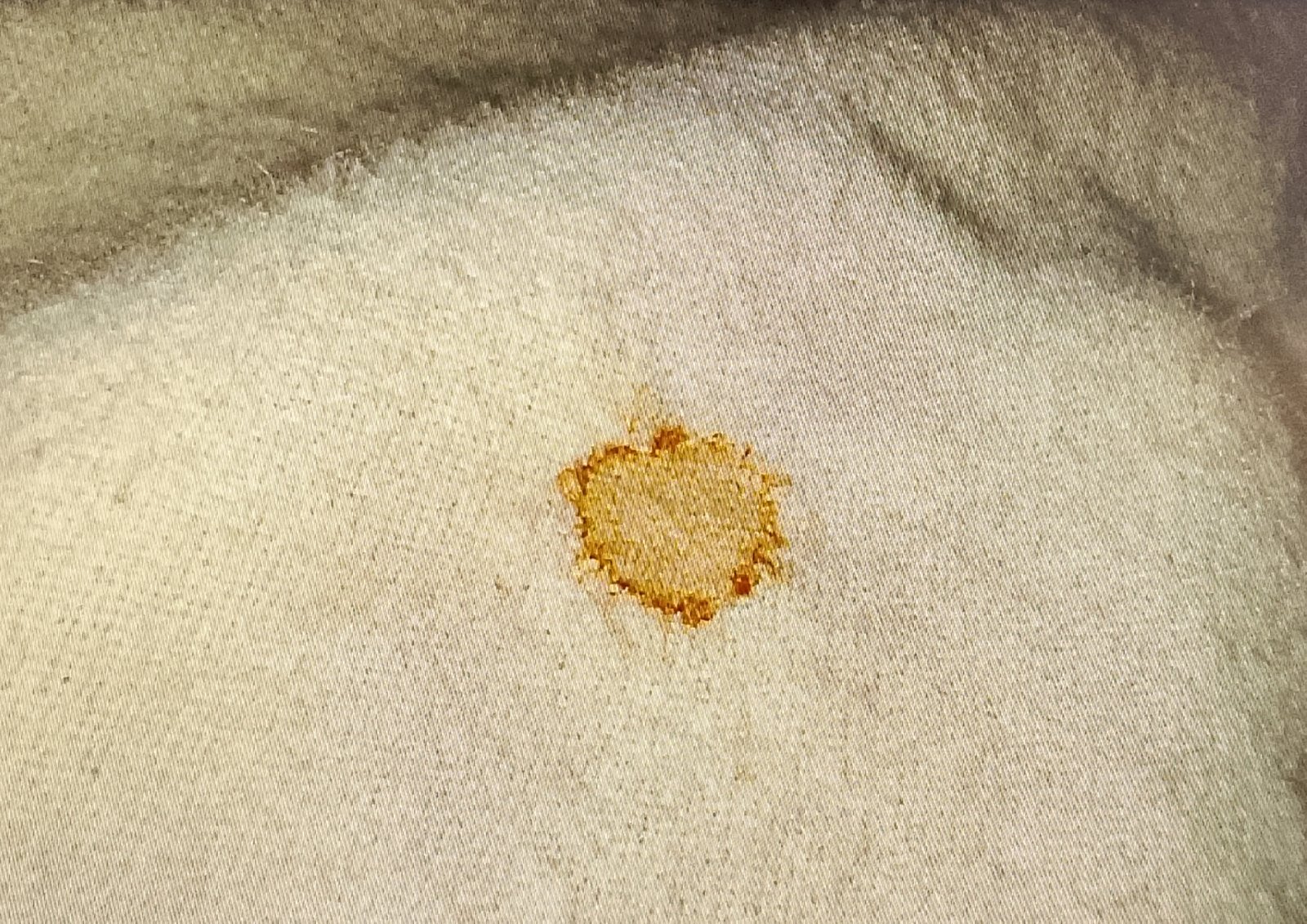
Because weighted blankets should usually be washed in cold water, an enzyme-based detergent helps a lot. Protease and other enzymes break down sweat, body oils, and protein-based grime without needing hot water or harsh scrubbing.
How to Hand Wash a Weighted Blanket in the Bathtub
If the blanket is too heavy for your washer or you want the safest possible method, the bathtub is usually the better option.
- Fill the tub with cool or cold water.
- Add a small amount of mild detergent.
- Lay the blanket flat and gently press it under the water.
- Let it soak for 20 to 30 minutes.
- Press the water through the blanket with your hands or clean feet.
- Drain the tub and refill with clean water to rinse.
- Repeat until the water runs clear.
Do not twist or wring the blanket. Twisting puts intense pressure on seams and can shift the beads into one side.
Can You Put a Weighted Blanket in the Dryer?
Usually, high heat is a bad idea. Even if the glass beads are fine, the outer fabric, thread, and inner construction may not be. Heat plus tumbling plus weight creates friction and stress.
Your safest drying options are:
- Best option: Lay flat to air dry
- Second-best option: Low heat or air-fluff only, if the care label allows it
If you use a dryer, stop it periodically and reposition the blanket so it dries evenly. For another item that reacts badly to heat and rough washing, see:
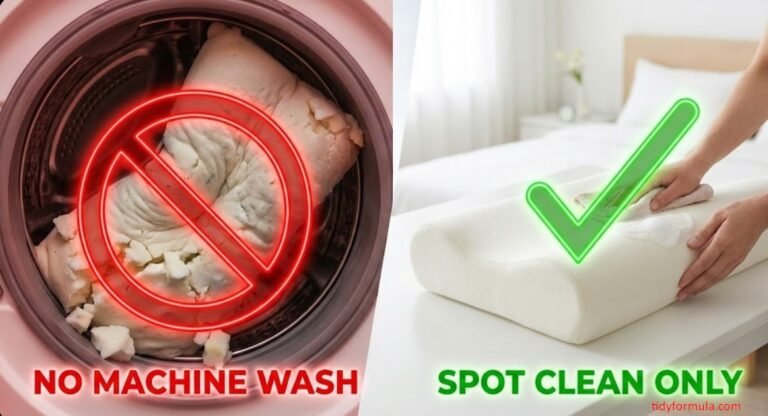
Can You Put a Memory Foam Pillow in the Washing Machine? (The Hard Truth)
How Often Should You Wash a Weighted Blanket?
Most weighted blankets do not need frequent full washes. For many households, washing it every 3 to 4 months is enough, unless you sweat heavily, eat in bed, sleep with pets, or spill something on it.
To keep it fresher between washes:
- spot clean stains immediately
- air it out regularly
- use a removable duvet cover if possible
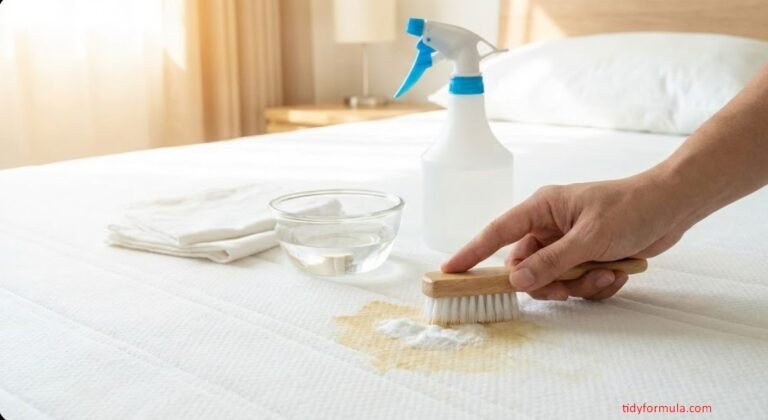
If sweat stains are becoming a problem on nearby bedding too, this guide may help:
How To Get Yellow Stain Out Of Mattress
Common Mistakes That Ruin Weighted Blankets
Avoid these:
- washing a blanket that exceeds your washer’s safe capacity
- using hot water
- using bleach or strong chemicals
- wringing the blanket out by hand
- hanging it to dry from one end
- ignoring loose seams before washing
Final Verdict
Yes, you can wash a weighted blanket with glass beads, but only with respect for the blanket’s weight, stitching, and drying needs. Cold water, gentle handling, and flat drying are the safest choices. If the blanket is especially heavy, hand washing or using a commercial washer is usually the smarter move.
In other words: the beads are not the problem. The stress on the blanket and the machine is.
Frequently Asked Questions
Can glass beads inside a weighted blanket get ruined by water?
No, glass beads are generally non-porous and water-safe. The bigger concern is damage to seams, stitching, and fabric.
Can I wash a 20 lb weighted blanket at home?
Sometimes, but many home washers struggle with that much weight once the blanket is soaked. A commercial washer or bathtub is often safer.
Should I use hot or cold water?
Cold water is usually best because it is gentler on fibers and stitching.
Can I dry a weighted blanket in the dryer?
Only if the care label allows it, and even then, low heat or air-fluff is safest. Flat air drying is usually better.
How do I keep a weighted blanket clean longer?
Spot clean quickly, air it out regularly, and use a washable cover if your blanket design allows it.
Further Reading on TidyFormula
- How to Clean a Mattress Without a Vacuum (The Manual Method)
- How To Get Yellow Stain Out Of Mattress
- Can You Put a Backpack in the Washing Machine?
- Can You Put a Memory Foam Pillow in the Washing Machine?
Everything Mentioned Above
Before you leave, grab the tools you need to get the job done right the first time:
*As an Amazon Associate, TidyFormula earns from qualifying purchases.