How to Get Period Blood Out of a Mattress Without Leaving a Ring
To get period blood out of a mattress without leaving a ring, blot with a dry white cloth, use only a small amount of cold water, and treat the spot from the outside edge toward the center. Choose either 3% hydrogen peroxide or an enzyme cleaner, remove cleaner residue, and dry the mattress completely with strong airflow.
The biggest mistakes are using too much liquid, scrubbing, or applying heat. These can spread the stain, push it deeper into the mattress, or create a visible tide mark around the cleaned area.
Quick Answer
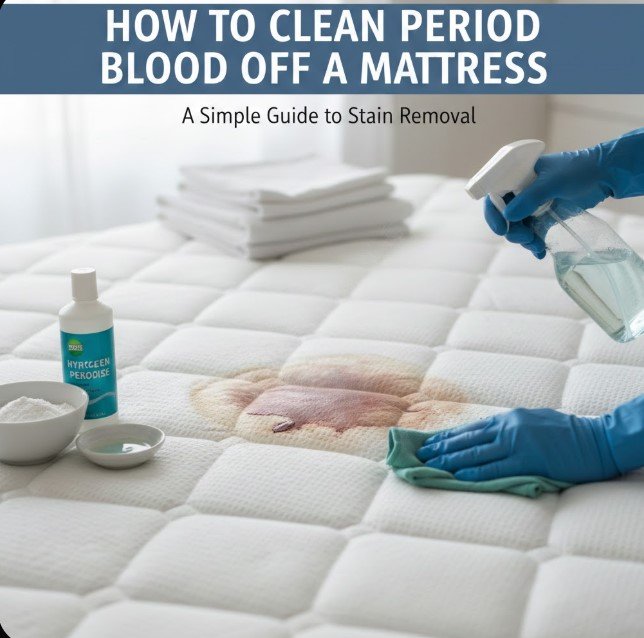
To remove period blood from a mattress:
- Remove the bedding and blot the stain immediately with a dry white cloth.
- Dab with a cloth lightly dampened with cold water, working from the outside edge toward the center.
- Use a small amount of 3% hydrogen peroxide on a colorfast white or light-colored mattress, or an enzyme cleaner on darker fabrics.
- Blot until the cloth stops picking up color, using a clean section of the cloth each time.
- Blot once with a separate cloth barely dampened with cold water to remove cleaner residue.
- Press with a dry towel and use a fan until the mattress is completely dry.
If the stain is already dry, lightly rehydrate it with cold water for 5 to 10 minutes before treating it. Avoid soaking beyond the original stain because the outer edge of a wet area is where a ring is most likely to form.
If you are dealing with a broader stain issue and not just period blood, see this general blood stain mattress guide.
What I Use For This Job
Using the right tools saves time and protects your belongings. Here are my exact recommendations:
*As an Amazon Associate, TidyFormula earns from qualifying purchases.
What You Need
- White cloths or paper towels
- Cold water
- 3% hydrogen peroxide
- Enzyme-based stain remover
- A small bowl or spray bottle
- Baking soda
- A fan
Optional: Gloves and a soft toothbrush for stubborn dried spots.
You do not need to use every product. Choose either hydrogen peroxide or an enzyme cleaner for the first treatment rather than layering different cleaners on the mattress.
Before You Start
Strip the Bed and Check the Mattress Label
Remove the sheets, mattress protector, and other washable bedding. Treat those items separately according to their care labels, using cold water and avoiding machine drying until the stains are gone.
Check the mattress care label before applying a cleaner. Do not unzip or wash a mattress cover unless the manufacturer specifically identifies it as removable and washable.
Test the Cleaner
Test hydrogen peroxide or enzyme cleaner on a hidden area and allow the test spot to dry. A product may look safe while wet but leave a lighter patch after drying. This is especially important for colored, patterned, wool-blend, or specialty mattress fabrics.
Control the Moisture
Do not pour water directly onto the mattress. A mattress is not like a bedsheet or pillowcase. If you over-wet it, the stain can spread and moisture can become trapped inside.
Apply water and cleaner to a cloth whenever possible. If using a spray bottle, use a fine mist and no more than needed to dampen the stained surface.
Why Mattress Stains Sometimes Leave a Ring
A ring can appear when diluted blood or cleaner moves to the outside edge of a wet patch and dries there. Cleaner residue can also leave a pale, stiff, or darker outline.
To reduce that risk:
- Keep the treated area no larger than necessary
- Blot from the outside edge toward the center
- Use several light applications instead of one soaking treatment
- Remove cleaner residue with a barely damp cloth
- Dry the entire treated area evenly and promptly
How to Remove Fresh Period Blood From a Mattress
Fresh stains are generally the easiest to remove, so begin before the blood has dried whenever possible.
Step 1: Blot First
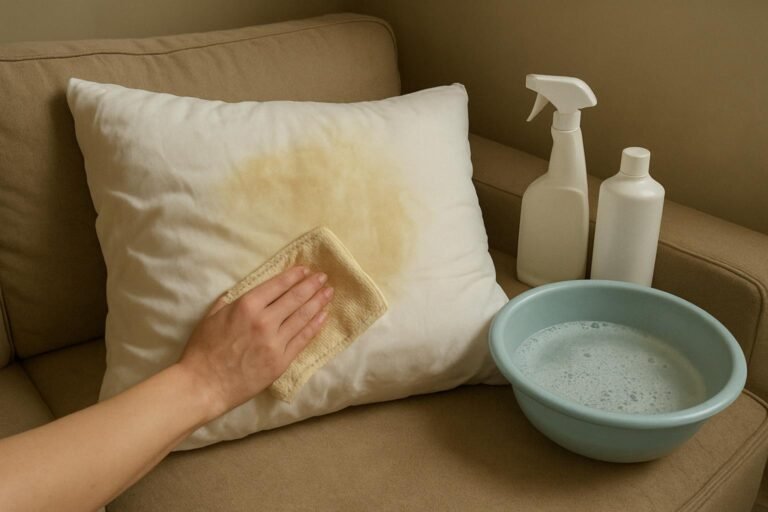
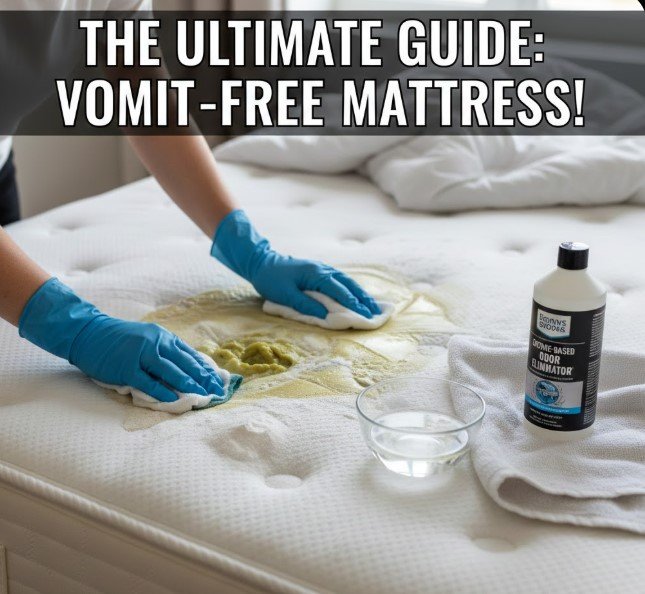
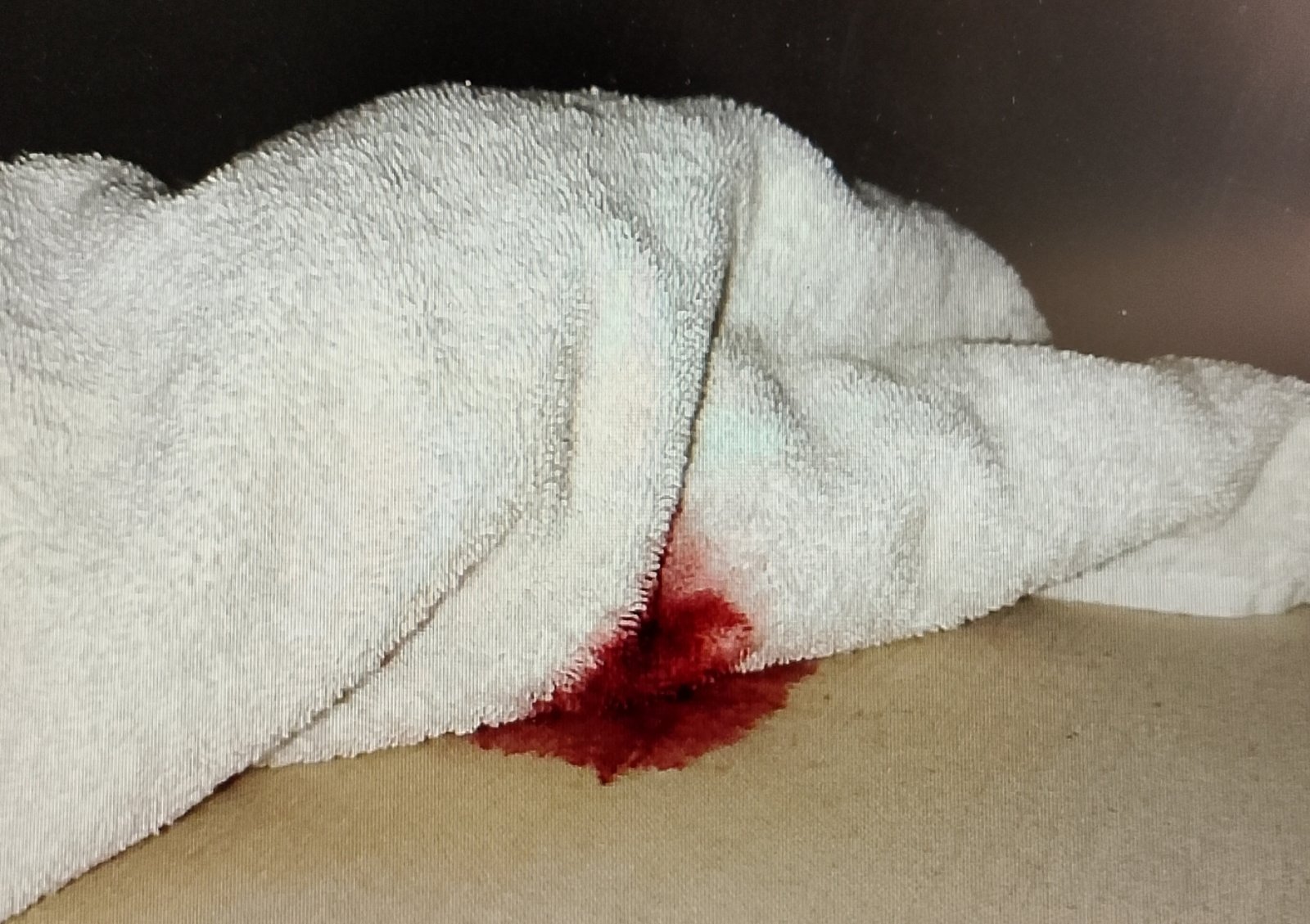
Use a dry white cloth and press straight down on the stain. Lift the cloth, move to a clean section, and press again. Do not rub, because rubbing can spread the stain and push it farther into the fabric.
Step 2: Dab With Cold Water
Wet a clean cloth with cold water and wring it out well. Dab around the outer edge first, then work inward. Keep the moisture light; the goal is to loosen and transfer the blood without soaking the mattress.
Continue with clean areas of the cloth until little or no red color transfers. If the wet patch starts expanding, stop adding water and blot firmly with a dry towel.
Step 3: Choose the Right Cleaner
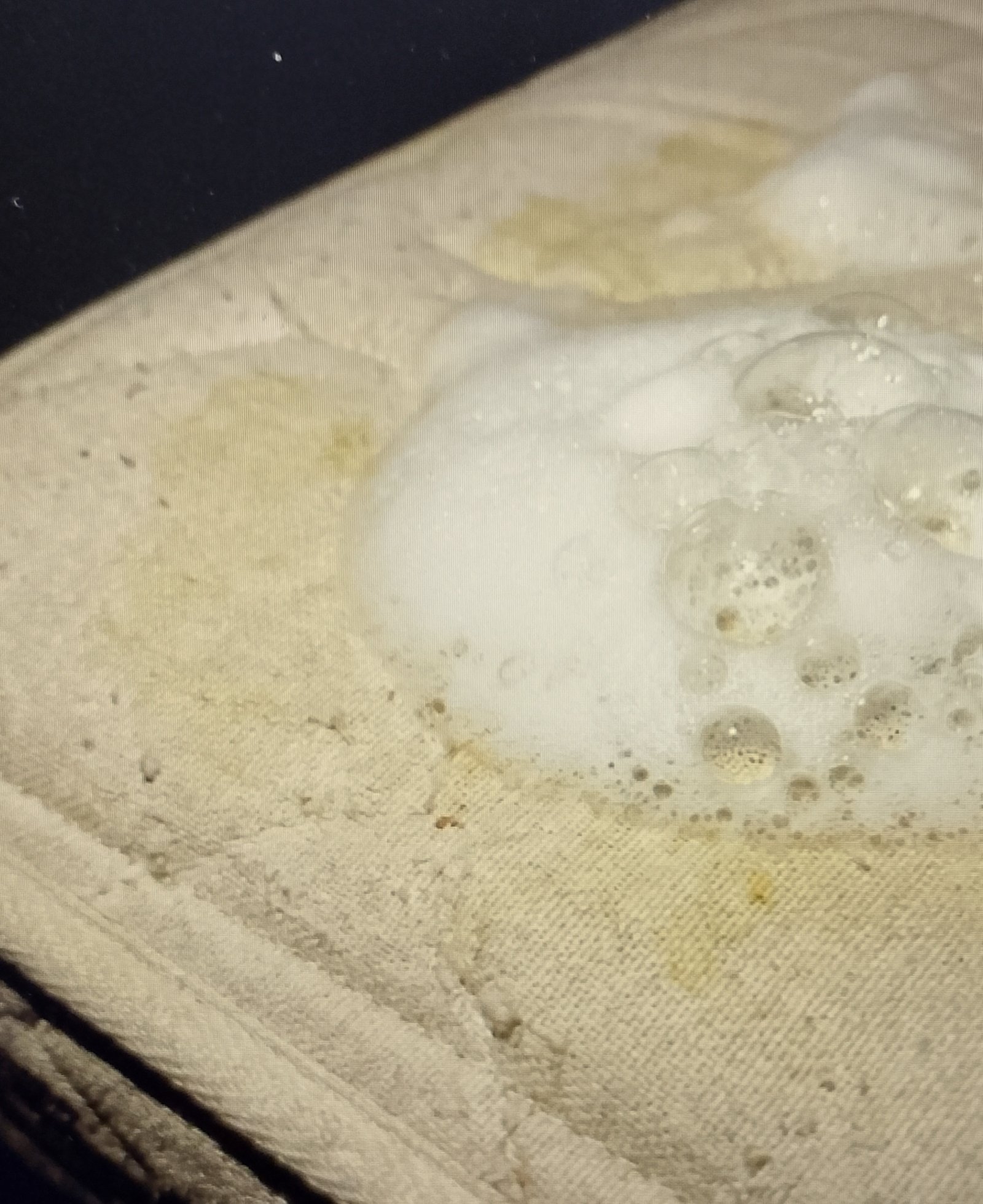
- White or very light mattress: After a spot test, dab a small amount of 3% hydrogen peroxide onto the stain. Let it work briefly, then blot. Foaming can occur, but it is not a reason to add more peroxide.
- Colored or patterned mattress: Use an enzyme cleaner instead of peroxide to reduce the risk of discoloration. Follow the product label, but do not apply enough to saturate the mattress.
Choose one cleaner at a time. Do not combine or layer peroxide, enzyme cleaner, vinegar, bleach, ammonia, or other cleaning products.
Step 4: Repeat in Light Rounds
It is better to do several gentle rounds than one heavy soaking treatment. After each application, blot with a clean cloth and check whether color is still transferring.
Stop if the mattress fabric begins to lighten, pill, feel rough, or develop a larger wet outline. Let it dry before deciding whether another treatment is necessary.
Step 5: Remove Residue
When the stain has stopped transferring, blot the treated area once with a separate white cloth barely dampened with cold water. This helps remove cleaner residue that could otherwise dry into an outline. Immediately press the area with a dry towel.
How to Remove Dried Period Blood From a Mattress
Step 1: Rehydrate the Stain
Dab the area with a cloth dampened in cold water. Leave it for 5 to 10 minutes so the dried stain can soften. Do not enlarge the damp area beyond the visible mark.
Step 2: Lift Loose Residue
Blot the softened stain first. If dried material remains on a durable woven surface, use a soft toothbrush with very light, short strokes toward the center. Do not brush exposed foam, delicate quilting, wool, or a fabric that is pilling.
Step 3: Apply Enzyme Cleaner or Peroxide
If the mattress is dark, start with an enzyme cleaner. If it is white and passes a spot test, you can use a small amount of hydrogen peroxide. Apply the chosen cleaner lightly and keep it within the stained area.
For older, darker marks that have been sitting for a while, check this guide on old blood stains on a mattress.
Step 4: Blot, Do Not Scrub
Press with a clean cloth to lift the loosened stain. Repeat the treatment once or twice if needed, but allow the area to dry between later attempts. A dry inspection makes it easier to distinguish remaining blood from a temporary wet mark.
Step 5: Use Baking Soda at the End
If the area still feels damp or smells slightly metallic, sprinkle a light layer of baking soda over the cleaned spot after treatment. Let it sit until the mattress is dry, then vacuum it away.
Baking soda helps with surface moisture and odor, but it does not replace blotting or a suitable stain treatment.
Best Method for White vs. Colored Mattresses
White Mattress
Hydrogen peroxide often works well on visible blood discoloration, but white fabric is not automatically peroxide-safe. Spot-test first because peroxide can affect finishes, stitching, foam, or off-white fabric.
Colored or Patterned Mattress
Use an enzyme cleaner first. It is usually the safer choice when you want to avoid bleaching or faded patches. Select a product labeled for upholstery or mattresses and follow its instructions without oversaturating the surface.
Delicate or Specialty Upholstery
If the mattress surface contains wool, silk, velvet, or another delicate material, rely on the care label. Avoid peroxide and aggressive brushing unless the manufacturer allows them. For an expensive specialty cover, professional upholstery cleaning may be safer than repeated home treatment.
How to Clean Period Blood From Memory Foam or Pillow-Top Mattresses
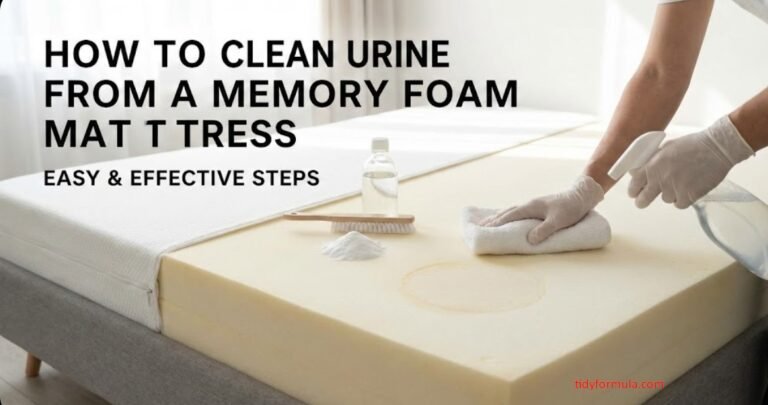
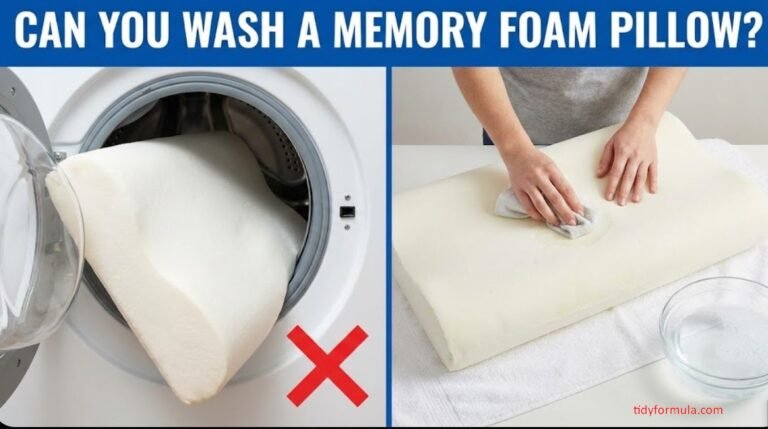
Memory foam and pillow-top mattresses trap moisture easily, so less liquid is always better.
- Never saturate the stain
- Apply cleaner to a cloth instead of pouring it directly onto the mattress
- Blot rather than pressing liquid deeply into the cushioning
- Keep liquid away from seams, tufting, and deep button areas when possible
- Allow extra drying time
- Do not put bedding back on until the area feels fully dry, not just slightly dry
Use the same low-moisture approach on latex and hybrid mattresses. If liquid has penetrated deeply into foam or internal padding, surface blotting may not be enough to dry it quickly.
What Not to Do
- Using hot water
- Using a steam cleaner or hot hair dryer on the stain
- Scrubbing aggressively
- Pouring cleaner directly onto the mattress
- Using chlorine bleach on the mattress
- Mixing random cleaning products together
- Continuing to add liquid when the wet area is spreading
- Putting sheets back on before the mattress is completely dry
These mistakes can set or spread the stain, damage the fabric, create a bleached patch, or leave moisture trapped inside the mattress.
How to Dry the Mattress Properly
Drying is part of the stain-removal process, not an optional final step.
- Press a folded dry towel onto the area to absorb as much moisture as possible.
- Point a fan directly across the cleaned area.
- Open a window if conditions allow, or improve ventilation in the room.
- Leave the bed completely uncovered until the spot is dry.
- If you used baking soda, vacuum it only after everything is dry.
Check the center and outer edge of the treated area. If the mattress still looks darker, feels cool to the touch, or transfers moisture to a dry paper towel, it needs more drying time. Do not use a waterproof protector to cover a damp area because it can trap moisture.
If you do not have a vacuum handy, here is a useful follow-up guide on how to clean a mattress without a vacuum.
How to Fix a Ring Around the Cleaned Area
If the Ring Appears While the Mattress Is Wet
Stop applying cleaner. Press dry white towels around the outer edge to absorb migrating moisture, then blot toward the center. Use a fan and wait until the area is completely dry before judging the result.
If the Ring Remains After Drying
A dry ring may be cleaner residue or blood that moved to the edge of the damp area. Spot-test your method again, then use a clean cloth barely dampened with cold water to dab the outline from the outside inward. Blot immediately with a dry towel and apply airflow.
If plain cold water does not improve it, make one light, even application of the same cleaner used originally across the stained area, including the visible outline. Do not chase the ring outward with increasingly larger wet applications.
If the Area Is Lighter Than the Surrounding Fabric
A pale patch may be color loss rather than remaining blood. More peroxide or cleaner will not restore removed color and may enlarge the patch. Stop treating it and allow the mattress to dry fully.
What If a Shadow Is Still Left?
Sometimes the stain is clean but not completely invisible. A faint tan, yellow, or dull brown mark can remain after the blood itself is gone. That does not always mean the stain is still active; discoloration may remain in the surface fabric.
At that point, stop adding liquid. Let the mattress dry fully, check it again in daylight, and only do one more careful treatment if needed. Repeated wet treatments can cause more visible damage than a faint dry shadow.
If the leftover mark turns into more of a yellow ring, read this mattress yellow stain guide.
When to Stop Treating the Mattress
Stop and switch to drying if:
- The wet area is expanding beyond the original stain
- The fabric is becoming lighter, rough, fuzzy, or distorted
- No more color transfers to a clean white cloth
- The mattress has already had several wet treatments
- Moisture appears to have reached deep foam or padding
If the mattress remains damp despite prolonged airflow, develops a persistent musty odor, or has a large stain that penetrated deeply, consider a professional mattress or upholstery cleaner.
How to Prevent It Next Time
- Use a waterproof, washable mattress protector
- Wash bedding as soon as possible after a leak
- Keep a white cloth and suitable stain remover nearby if leaks happen often
- Confirm that the mattress is completely dry before replacing the protector and sheets
A mattress protector is much cheaper than replacing a stained mattress. Wash it according to its care label and make sure its waterproof backing is intact before putting it back on the bed.
For another common mattress accident, see how to clean dog urine from a mattress.
Frequently Asked Questions
Can I Use Vinegar?
You can use diluted vinegar if the mattress care instructions permit it, but it is not usually the best first option for a blood stain. An enzyme cleaner or a careful hydrogen peroxide treatment is often more effective. Never combine vinegar with peroxide, bleach, or another cleaner.
Can Baking Soda Remove the Stain by Itself?
Not usually. Baking soda is better for absorbing surface moisture and reducing odor than for removing blood pigment on its own. Use it after the stain treatment, not as a substitute for blotting and cleaning.
Is Period Blood Harder to Remove Than Regular Blood?
It can take additional treatment if it sits overnight, dries into quilted fabric, or contains thicker residue. The same basic approach still applies: cold water, minimal moisture, repeated blotting, one suitable cleaner, and complete drying.
Can I Sleep on the Mattress the Same Night?
Only if the area is completely dry. Press a dry paper towel against the spot and check for moisture. If the surface still feels cool or damp, keep the bedding off and continue using a fan.
Should I Scrub With a Brush?
Only very lightly, and only to loosen dried residue from durable surface fabric. Blotting is safer for most mattresses. Do not brush exposed foam, delicate fibers, or fabric that is starting to pill.
Final Thoughts
Most period blood stains can be reduced significantly or removed if you use cold water, minimal cleaner, and repeated blotting. To avoid a ring, work from the outside toward the center, remove cleaner residue, stop if the wet area spreads, and leave the mattress uncovered until it is fully dry.
Everything Mentioned Above
Before you leave, grab the tools you need to get the job done right the first time:
*As an Amazon Associate, TidyFormula earns from qualifying purchases.