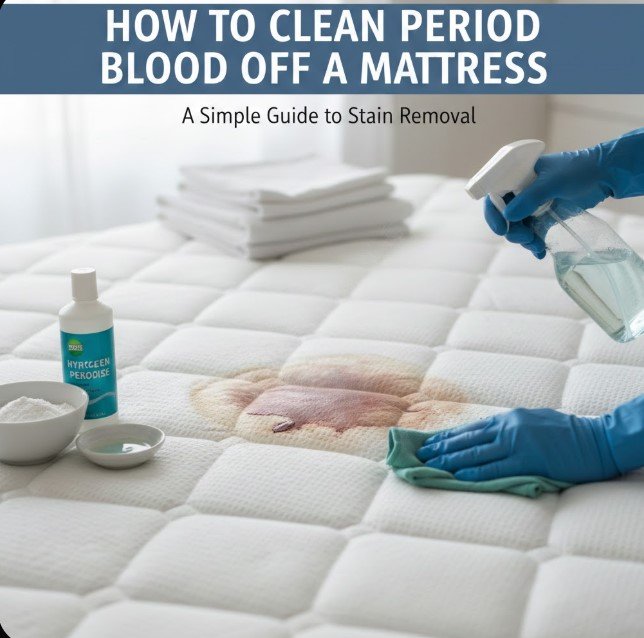

How to Clean Old Blood Stains on a Mattress (The Enzyme Method)
To remove an old blood stain from a mattress, apply a thick paste of unseasoned meat tenderizer and cold water, leave it for 45–60 minutes, scrape it away, and blot out the residue with a cold, damp white cloth. Keep the mattress as dry as possible, and never use hot water or steam.
Dried blood contains proteins that cling tightly to mattress fibers. A protease enzyme, such as papain or bromelain in some unseasoned meat tenderizers, can break those proteins into smaller fragments that are easier to blot away. This method may require a second application on a dark or long-set stain.
⚡ The TidyFormula™ Quick Answer
The Verdict: Loosen the dried blood proteins with an enzyme paste, then remove the paste and residue without soaking the mattress.
- The Mix: Unseasoned meat tenderizer and cold water.
- Contact Time: 45–60 minutes.
- Best For: Small, set-in stains on colorfast mattress fabric.
Before Treating an Old Blood Stain
Remove all sheets, protectors, and removable covers. Wash removable bedding separately according to its care label, using cold water for the initial rinse.
Wear disposable gloves, especially if the blood is not yours. If the area contains a sharp object, is heavily saturated, or involves blood from an unknown source, avoid handling it directly and consider professional cleaning or replacement.
What I Use For This Job
Using the right tools saves time and protects your belongings. Here are my exact recommendations:
*As an Amazon Associate, TidyFormula earns from qualifying purchases.
Check the mattress care label before applying anything. Then test the paste on a hidden seam and allow the test spot to dry. Stop if the fabric changes color, develops a stiff patch, or shows surface damage.
Adjust the Method for the Mattress Material
- Memory foam and latex: Use very little water. Liquid can travel into the foam and become difficult to remove.
- Pillow-top mattresses: Work on a small area at a time and blot frequently so the padded layer does not become saturated.
- Innerspring and hybrid mattresses: Prevent liquid from soaking through the cover into the padding and spring compartment.
- Wool, silk, or other protein-based covers: Do not use a protease enzyme unless the manufacturer permits it. Proteases can affect protein-based fibers as well as the stain.
- Removable mattress covers: Follow the cover’s care label instead of assuming it can be machine-washed or treated with peroxide.
How to Clean Old Blood Stains Off a Mattress
The Tools You Actually Need
- Unseasoned Meat Tenderizer: Check the ingredient list for papain or bromelain. Avoid products containing salt, garlic, paprika, coloring, or other seasonings.
- Cold Water: Use cold tap water. Warm or hot water can make a protein stain harder to remove.
- Old Spoon: Use it to mix, spread, and scrape up the paste.
- Clean White Cloths: White cloths make transferred blood easier to see and eliminate the risk of rag dye transferring to the mattress.
- Dry Towels and a Fan: These help remove moisture after treatment.
Avoid breathing the tenderizer powder while mixing it, and wash your hands after handling the paste.
1. Make the Paste
Mix one tablespoon of unseasoned meat tenderizer with about one teaspoon of cold water. The result should be a thick, spreadable paste with a toothpaste-like consistency. If it runs into the surrounding fabric, add a little more powder.
Make only as much paste as needed to cover the stain. Using extra paste adds moisture without improving contact with the stained fibers.
2. Apply the Paste
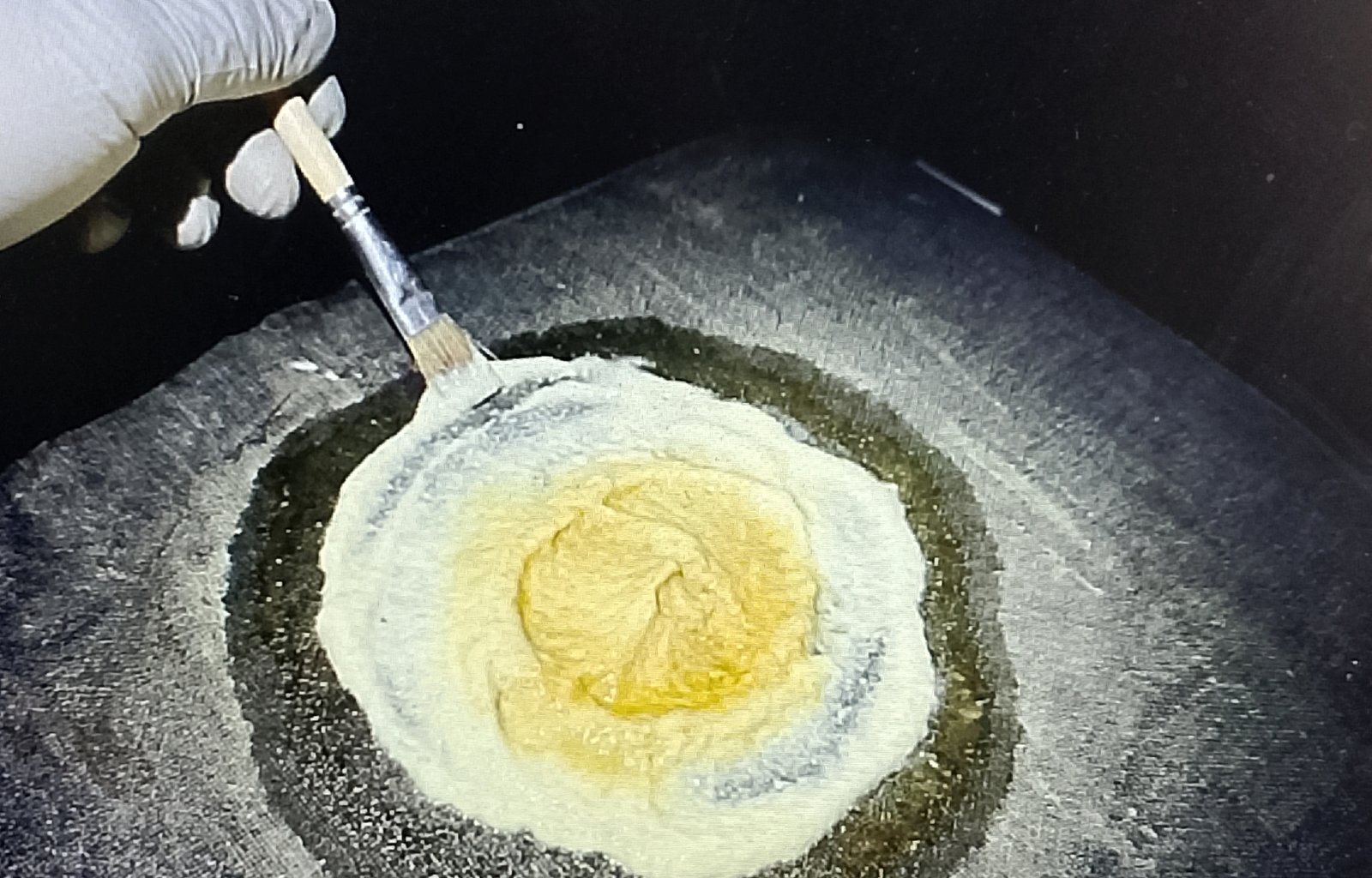
Spread the paste directly over the old blood stain, extending just slightly past its edge. Use the back of the spoon to press it gently against the fabric.
Do not scrub. Scrubbing can spread the damp blood residue, abrade the mattress cover, and create a larger ring.
3. Wait 45–60 Minutes
Leave the paste in place for 45–60 minutes. This contact time gives the enzymes an opportunity to work on the dried proteins.
If the paste dries immediately and becomes powdery, lightly dampen its surface with a few drops of cold water. Do not spray enough water to soak the mattress.
4. Scrape Away the Paste
Use the edge of the spoon to lift away the dried or thickened paste. Deposit it directly into the trash rather than brushing it across the mattress.
The stain should look lighter after the paste is removed. A dark stain may need another treatment, but rinse out the first application before deciding.
5. Blot Out the Remaining Residue
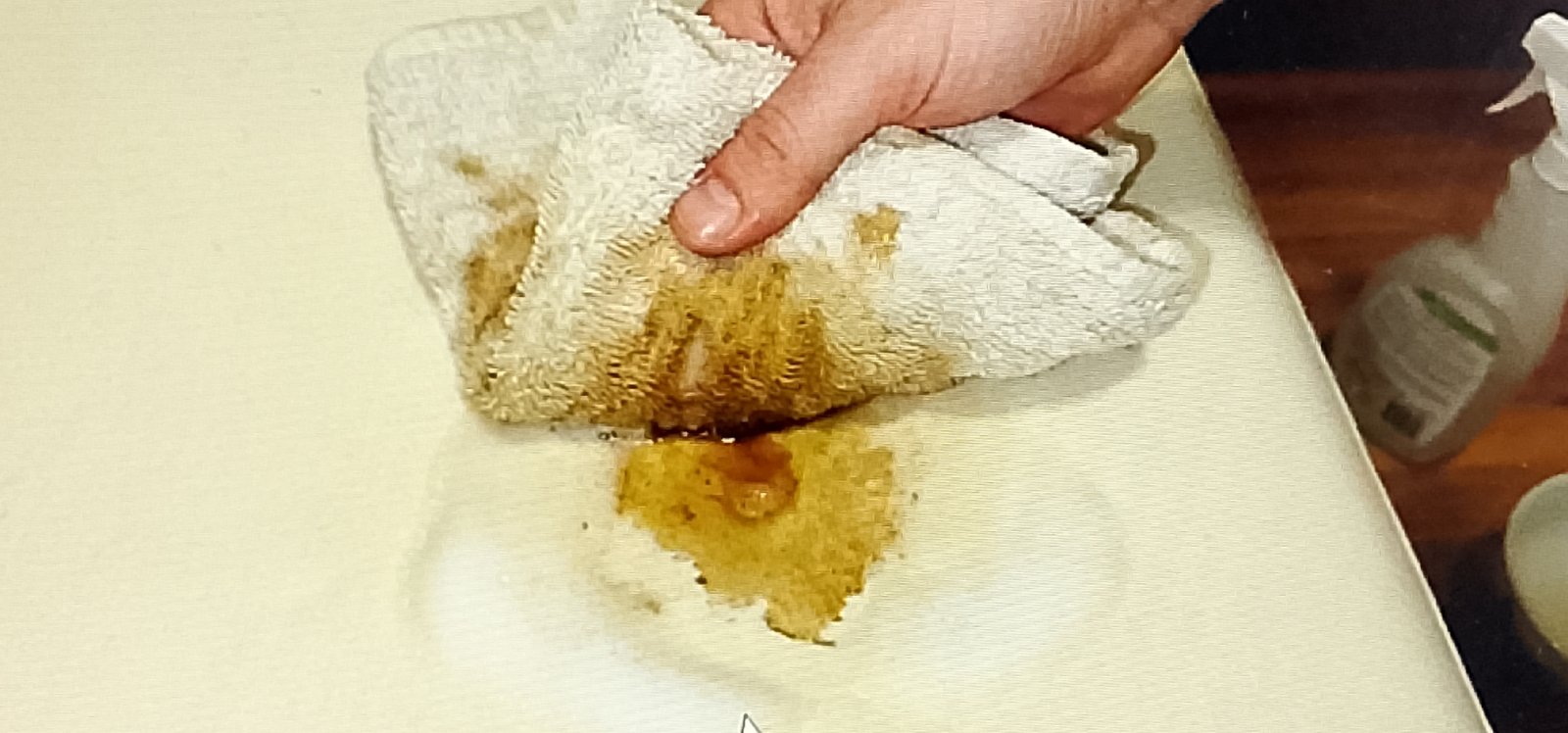
Dampen a clean white cloth with cold water and wring it out thoroughly. Press it onto the treated area, lift it straight up, and move to a clean section of cloth. Repeat until you no longer pick up paste or brown residue.
Follow with a dry towel and press firmly to absorb moisture. Do not pour water onto the mattress, and do not scrub from side to side.
6. Check the Area Before Repeating
A wet mattress cover can make a stain look darker than it will after drying. Blot thoroughly and let the spot partially dry before applying more product.
If the area is improving and the fabric remains unchanged, repeat the enzyme treatment once. Stop if the mattress cover begins to pill, fade, feel rough, or develop a spreading water ring.
Optional After-Treatment With Hydrogen Peroxide
If a faint discoloration remains after the enzyme paste has been completely removed, 3% hydrogen peroxide may help on some white or colorfast mattress covers. It can bleach or discolor fabric, so it is not appropriate for every mattress.
Test it on a hidden seam first. Do not combine it with the enzyme paste, ammonia, bleach, vinegar, or another cleaner. The first treatment should be blotted out before peroxide is considered.
- Dampen a clean white cloth with a small amount of 3% hydrogen peroxide. Do not pour peroxide directly onto the mattress.
- Blot the remaining shadow from the outside edge toward the center.
- Allow it to work briefly while watching for color change.
- Blot with a separate cold-water-dampened cloth, then press with a dry towel.
If the mattress fabric starts becoming lighter than the surrounding area, stop immediately and blot with a cold-water-dampened cloth.
🧪 The Science: Why It Works
Blood contains proteins, including hemoglobin. Proteases such as papain and bromelain break protein chains into smaller fragments. That can make dried blood residue easier to lift from fabric with cold-water blotting.
The enzyme does not pull the stain out by itself. Removing the loosened residue with a damp cloth is an essential part of the process.
What to Do If the Enzyme Method Fails
First, let the treated area dry enough to judge the result accurately. A damp ring can resemble a remaining stain.
If one or two careful enzyme applications produce no further improvement, do not keep saturating or aggressively scrubbing the mattress. Use one of these options instead:
- Try a labeled upholstery enzyme cleaner: Choose one that specifically permits use on the mattress-cover material. Follow its directions and patch-test it first.
- Contact a professional: This is the safer choice for a large stain, a delicate cover, or blood that has soaked into deep padding.
- Consider replacement: Replacement may be more practical when the mattress is deeply saturated, remains damp or musty, or cannot be cleaned without damaging the cover.
Do not escalate to chlorine bleach or undiluted ammonia. These products can discolor the mattress, produce strong fumes, and damage fabric or foam. Never apply one cleaner over residue from another.
Dry the Mattress Completely
Press clean, dry towels against the treated area to remove as much moisture as possible. Then point a fan across the mattress and keep the bedding off until the cover and underlying padding feel completely dry.
A hair dryer should only be used on an unheated or cool-air setting and kept moving. Do not use a hot setting, and do not remake or sleep on the bed while the treated area is damp.
If the mattress remains damp beneath the surface, develops a musty odor, or shows a growing discolored area, stop using it and seek professional advice. Adding more cleaner will not solve trapped moisture.
Prevent Future Mattress Stains
Once the mattress is completely dry, add a washable, waterproof mattress protector. A protector prevents liquid from reaching the mattress padding and can usually be removed and cleaned more easily than the mattress itself.
Treat future blood spots promptly with cold water and blotting. Avoid heat until the stain has been removed, including hot wash cycles and heated drying for removable bedding.
FAQ: Cleaning Old Blood From a Mattress
Can I use baking soda and vinegar for blood stains?
What about steam cleaners for blood?
Is enzyme cleaner better than meat tenderizer?
Why is the stain yellow after cleaning?
Can this method remove blood that soaked into the mattress?
For more on the chemistry of hemoglobin and why it’s so stubborn, check out this entry on Hemoglobin.
Everything Mentioned Above
Before you leave, grab the tools you need to get the job done right the first time:
*As an Amazon Associate, TidyFormula earns from qualifying purchases.