Can You Wash a 15 lb Weighted Blanket? (The “Machine-Safe” Guide)
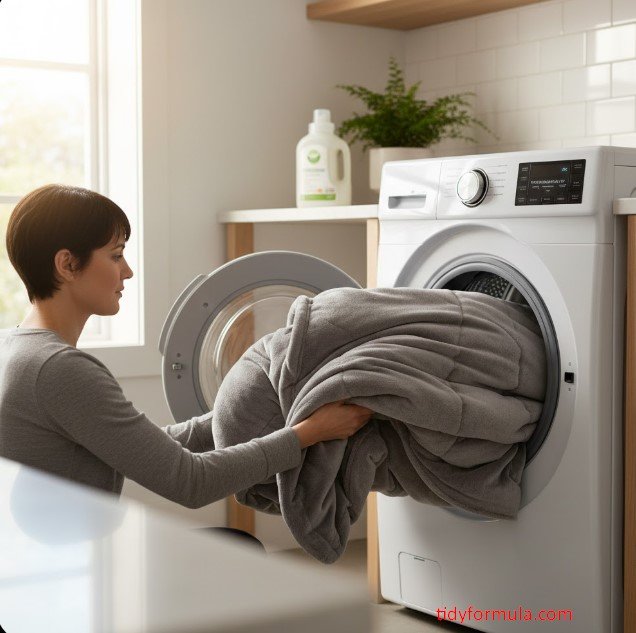
Yes, you can wash a 15 lb weighted blanket if its care label permits machine washing and your washer can handle bulky, heavy items without overfilling. Use a large front-loader or agitator-free machine, cold water, mild detergent, and a gentle cycle. If the label prohibits washing or the blanket cannot tumble freely, use a commercial washer or spot-clean it instead.
⚡ The TidyFormula™ Quick Answer
The Verdict: A 15 lb weighted blanket may be washed at home when the care label allows it and the washer is designed for bulky loads. If you are uncertain about the machine’s capacity, use a large commercial front-loader.
- Wash: Mild liquid detergent, cold water, and a gentle cycle.
- Avoid: Bleach, fabric softener, high heat, and washers with a center agitator unless the blanket manufacturer specifically approves one.
- Dry: Follow the label. Air-drying can take 24–48 hours, while some blankets permit low-heat tumble drying.
- Best for stains: Spot-treat marks before washing because a gentle cycle may not remove set-in stains.
The Heavy Lift: Assessing the Risk
A 15 lb rating describes the blanket when it is dry. Once saturated, it becomes substantially heavier and more difficult to move. That extra water weight can contribute to an unbalanced spin cycle, strain loose stitching, and make the blanket unsafe to lift without support.
Before loading it, check both the blanket’s care label and the washer manual. The care label tells you whether the shell and filling can be washed, while the appliance manual may provide instructions for blankets, comforters, or other bulky items.
Most traditional top-loaders have a center agitator. Avoid using one unless the blanket manufacturer explicitly says it is suitable. A weighted blanket can wrap around the agitator, place uneven force on the stitching, and prevent the load from balancing correctly.
What I Use For This Job
Using the right tools saves time and protects your belongings. Here are my exact recommendations:
*As an Amazon Associate, TidyFormula earns from qualifying purchases.
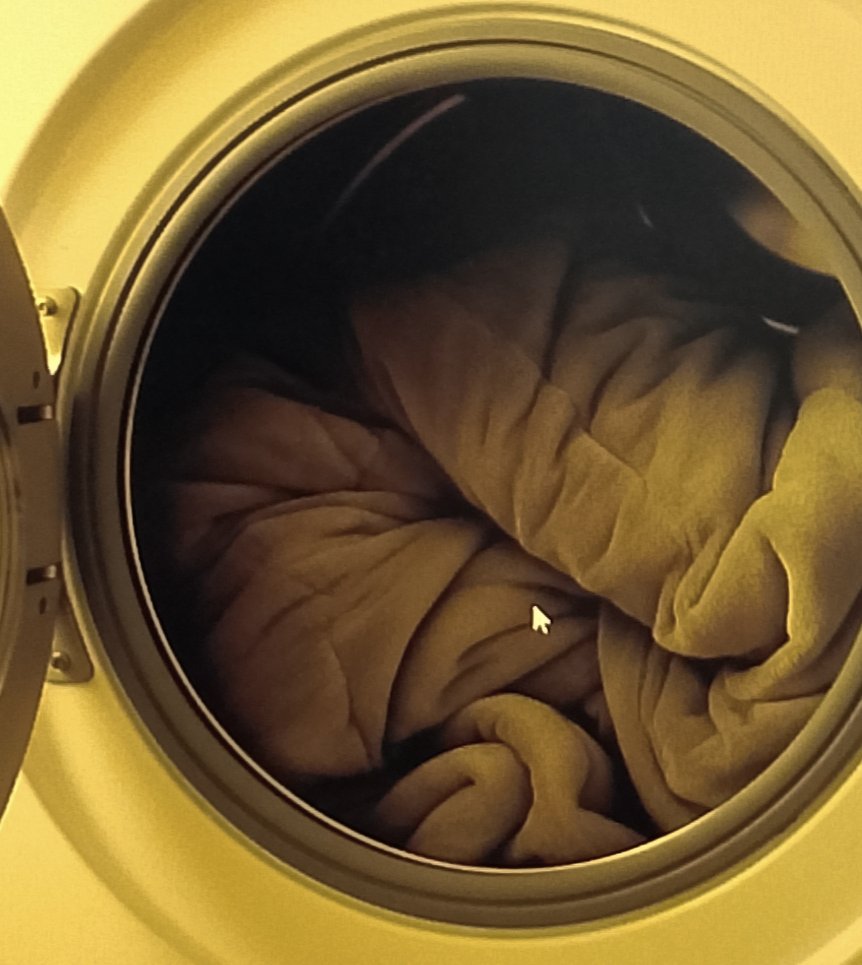
A large front-loader is generally the safest home option because it does not have a center post. An agitator-free top-loader may also work, but the blanket must fit loosely enough to move. If you have to force it into the drum or it fills nearly all the available space, use a larger commercial machine.
Use a Laundromat Instead If:
- The care label allows machine washing, but the blanket barely fits in your washer.
- Your washer manual warns against weighted, waterproof, or bulky items.
- The machine has struggled with comforters or become unbalanced with smaller loads.
- The blanket weighs more than the washer’s stated dry-load capacity.
- You cannot safely lift and support the blanket after it becomes wet.
Check the Filling and Fabric First
The “15 lb” rating alone does not determine whether the blanket is washable. The filling, outer fabric, stitching, and any removable cover all matter.
- Glass microbeads: The beads themselves tolerate water, but the blanket is machine-washable only if the care label approves it. Inspect every compartment for damaged stitching first.
- Plastic poly pellets: These may be washable, but high heat can damage or deform some plastics. Use the temperature stated on the label.
- Steel beads or shot: Follow the manufacturer’s instructions exactly. Do not assume the blanket can be immersed simply because the outer fabric is washable.
- Sand, rice, corn, beans, or other organic fillers: Do not machine-wash or soak them unless the manufacturer expressly permits it. These fillings can retain water, clump, swell, or fail to dry fully.
- Chunky knitted weighted blankets: These often get their weight from dense fabric rather than beads. Wash according to the fiber type because wool, cotton, and synthetic knits have different temperature and drying requirements.
- Removable cover: Remove and wash the cover separately. A duvet-style cover is usually much easier to clean regularly than the weighted insert.
How to Prepare a 15 lb Weighted Blanket for Washing
Preparation helps prevent bead leaks, detergent residue, and an unbalanced load.
- Read the entire care label. Check washing, water-temperature, drying, and dry-cleaning symbols. The label overrides general guidance.
- Remove the cover and attachments. Take off any duvet cover, ties, or detachable parts and wash them separately according to their own labels.
- Inspect the seams and pockets. Do not wash the blanket if you find a tear, loose seam, exposed filling, or beads moving between compartments. Repair it first.
- Check for concentrated lumps. Uneven filling can make balancing difficult and may indicate damaged internal stitching.
- Pre-treat visible stains. Test the cleaner on a hidden area and avoid saturating the filling unnecessarily.
- Wash the blanket by itself. Adding towels, sheets, or clothing creates more weight and can make the spin cycle harder to balance.
My “Stress Test” Washing Method
The safest method is a controlled wash that limits heat, harsh chemicals, and unnecessary agitation.
1. The Spot Treatment (Don’t Skip This)
A gentle wash cycle may not provide enough movement to remove a dried coffee, food, or body-oil stain. Blot fresh spills rather than rubbing them deeper into the fabric.
For a washable blanket, apply a small amount of mild liquid laundry detergent or a label-approved stain treatment to the affected fabric. Gently work it in with a clean cloth, then allow it to sit for the product’s recommended time. Avoid soaking the entire pocket, and do not combine stain removers.
If you use diluted dish soap on an oily spot, apply it sparingly and rinse the treated area well. Excess dish soap can create too many suds in a washing machine.
2. Loading the Beast
Fold the blanket loosely and place it evenly around the washer drum. Do not roll it into a tight ball or pack it against one side. There should be enough room for the blanket to shift and tumble during washing.
Do not add other laundry to “balance” it. If the machine cannot balance a single weighted blanket, the safer solution is a larger washer rather than more items.
3. Detergent and Settings
Use a small amount of mild liquid laundry detergent. Too much detergent is difficult to rinse from dense fabric and can leave the blanket stiff or sticky. Liquid detergent is preferable to a pod when using a short, cold cycle because a pod may not dissolve completely.
Unless the care label says otherwise, select:
- Cold water
- Gentle or delicate cycle
- Low or moderate spin speed
- An extra rinse if detergent remains in the fabric and the machine is still balancing normally
Avoid fabric softener because it can coat fibers and leave residue. Do not use chlorine bleach unless the manufacturer specifically permits it. Never combine cleaning products.
🧪 Why Gentle Settings Matter
Weighted blanket filling is divided among stitched pockets so the weight stays evenly distributed. Strong agitation and high-speed spinning place extra stress on those seams. Cold water and a gentle cycle reduce that mechanical stress and also lower the risk of shrinking or heat-damaging temperature-sensitive materials.
4. Watch the First Spin Cycle
Stay nearby during the wash, especially if this is the first time you have cleaned the blanket in that machine. Stop or pause the cycle if you notice:
- Repeated heavy banging against the cabinet
- The washer moving across the floor
- A burning smell, grinding sound, or error code
- The machine repeatedly stopping because it cannot balance the load
- Beads, pellets, or fabric fibers appearing in the drum
If the load is merely uneven, pause the machine, allow the drum to stop completely, and redistribute the blanket with both hands. Do not reach into a moving drum. If the problem returns, cancel the cycle and move the blanket to a larger commercial machine.
Do not twist or wring a saturated weighted blanket. Support it from underneath with both arms or place it in a sturdy laundry basket for transport.
The Drying Dilemma (Patience Required)
Check the care label before putting the blanket in a dryer. Some weighted blankets permit low-heat tumble drying, while others must be air-dried. High heat can shrink the shell, damage plastic filling, and weaken stitched compartments.
If machine drying is allowed, use a large-capacity dryer on low heat. Dry the blanket by itself, stop periodically to redistribute it, and remove it if the dryer begins banging heavily or struggling to turn.
For air-drying, spread the blanket across a strong drying rack, several sturdy chairs, or a clean flat surface covered with dry towels. Support the weight in several places rather than hanging the entire wet blanket from one edge or a narrow clothesline. Flip and reposition it periodically so both sides and the internal pockets dry evenly.
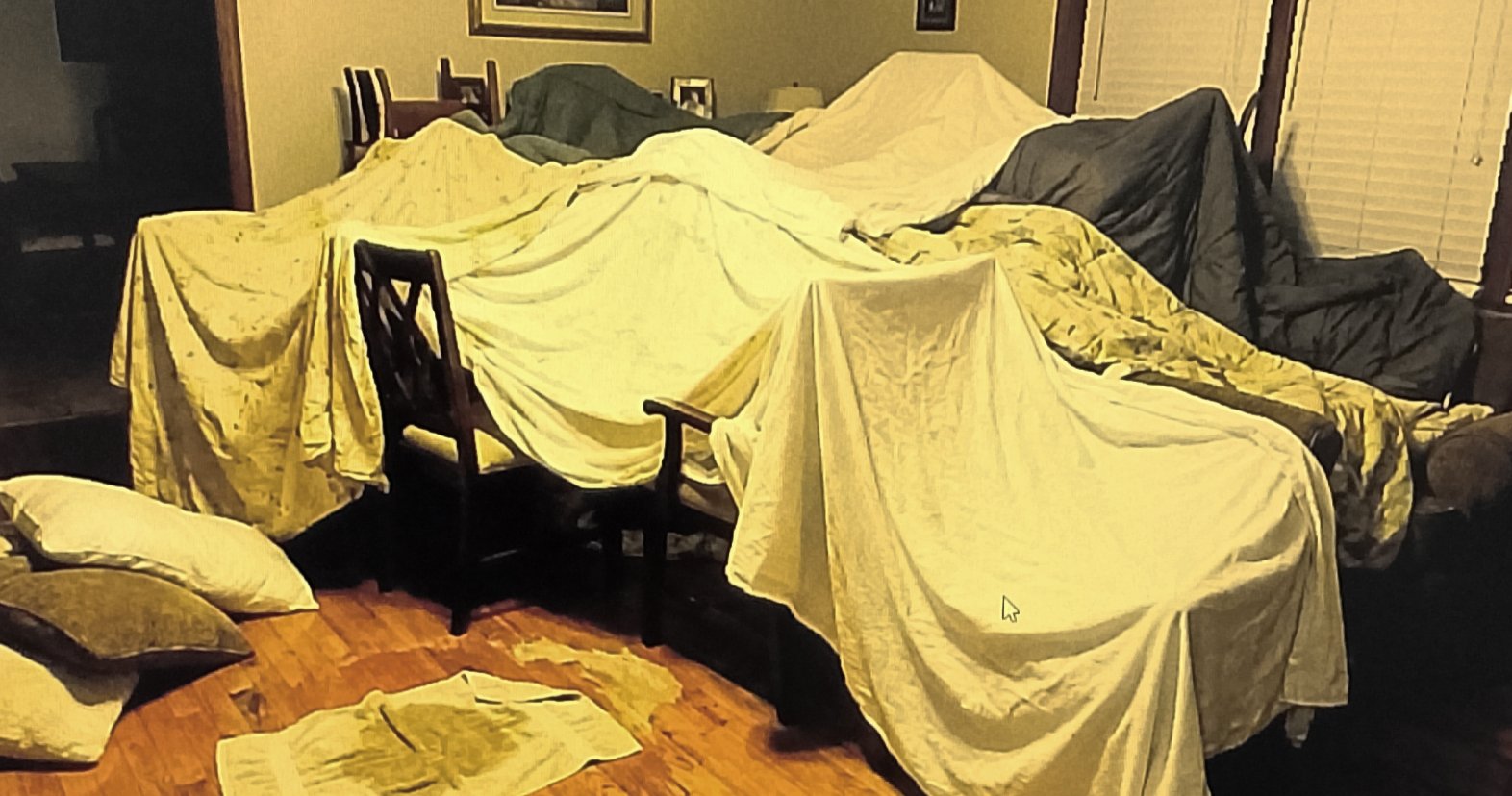
Drying can take 24–48 hours depending on the fabric, airflow, humidity, and how much water remained after spinning. A fan can improve room-temperature airflow. Avoid direct high heat from a space heater, radiator, or hair dryer.
Before using or storing the blanket, feel several pockets on both sides, particularly near seams and corners. It should be completely dry throughout, not merely dry on the surface.
Can You Wash a 12 Pound Weighted Blanket Differently?
A 12 lb blanket may be easier for some machines to balance and easier for the user to lift, but the washing method is otherwise the same. Check the care label, filling, dimensions, and washer capacity; use cold water and a gentle cycle when permitted.
The three-pound difference does not automatically make a blanket safe for every washer. A bulky 12 lb blanket can occupy more drum space than a compact 15 lb model, so fit and free movement still matter.
The Laundromat Option (When to Quit)
Use a laundromat when the blanket is machine-washable but too large for your home washer. Choose a commercial front-loading machine with enough drum space for the blanket to move without being compressed.
Bring the blanket in a sturdy basket or waterproof laundry bag because it may remain heavy after washing. Follow the blanket label rather than automatically selecting the laundromat machine’s hottest or strongest cycle.
A professional cleaner may be the better choice when the label says “dry clean only,” the filling material is unclear, the blanket has damaged compartments, or the outer fabric requires specialized care. Tell the cleaner that it is a weighted blanket and identify the filling if that information appears on the label.
Aftercare and Storage
Once the blanket is fully dry, spread it out and check that the filling remains evenly distributed. Gently massage displaced beads back across a pocket if necessary, but do not force filling through stitched dividers.
Store the blanket only when it is completely dry. Fold it loosely and place it on a sturdy shelf that can support its full weight. Avoid hanging it from a standard clothes hanger because prolonged pulling can stretch the fabric and seams.
Using a removable cover reduces how often the insert needs a full wash. Clean spills promptly, keep pets’ nails away from stitched pockets, and inspect seams before every machine wash.
Final Verdict: Clean or Bust?
You can wash many 15 lb weighted blankets at home, but the care label and washer capacity determine whether it is safe. A large front-loader, mild liquid detergent, cold water, and a gentle cycle are the safest general choices.
If the blanket is tightly packed in the drum, repeatedly unbalances the washer, has damaged stitching, or contains a non-washable filling, stop and choose spot cleaning, a commercial machine, or professional care instead.
FAQ: Cleaning Your Heavy Blanket
Can you wash a 15 lb weighted blanket at home without a machine?
Only if the care label permits hand-washing. Use a clean bathtub with cool water and a small amount of mild detergent, pressing the water through the fabric by hand. Do not stand in the tub or stomp on the blanket because the wet surface can be slippery. Drain, rinse thoroughly, press out water without twisting, and get help lifting the saturated blanket.
Can you wash a 15 pound weighted blanket in the washing machine if it has glass beads?
Often, but the care label must approve machine washing. Glass beads tolerate water, while the surrounding fabric, internal pockets, and stitching may not. Inspect the entire blanket for open seams before washing; escaped beads can damage the blanket and washer drain system.
How often should I wash my weighted blanket?
Wash the removable cover as needed based on use and the cover’s care label. The weighted insert usually requires less frequent washing and can often be cleaned only when it is visibly soiled or has developed an odor. Frequent machine washing places additional wear on the fabric and internal stitching.
Can I use bleach to sanitize it?
Do not use chlorine bleach unless the care label specifically allows it. Bleach can discolor fabric and weaken some fibers or stitching. For ordinary cleaning, use the label-approved water temperature and detergent; do not combine bleach, vinegar, stain removers, or other cleaning products.
More Cleaning Guides:
Reference: For more on weighted blanket care standards, check out this guide from Sleep Foundation.
Everything Mentioned Above
Before you leave, grab the tools you need to get the job done right the first time:
*As an Amazon Associate, TidyFormula earns from qualifying purchases.