How to Clean Hartmann Tweed Luggage Without Ruining It (The Frugal Method)
If you are trying to figure out how to clean Hartmann tweed luggage, you probably found it at an estate sale, or maybe dragged it out of a damp garage. And right now, it smells like sour dust and old pennies. The tweed feels gritty to the touch, and when you run a fingernail over the fabric, you hear a faint crunching sound from years of embedded dirt.
I get it. You want to blast it with a hose or buy some eighty-dollar upholstery shampoo. But don’t do either. I’m too cheap to buy specialty luggage cleaners, and honestly, they usually leave behind a sticky residue anyway. We are going to clean this using basic chemistry and things you already have under your sink.
⚡ The TidyFormula™ Quick Answer
The Verdict: Whip up dry foam from dish soap to lift the dirt without soaking the fabric.
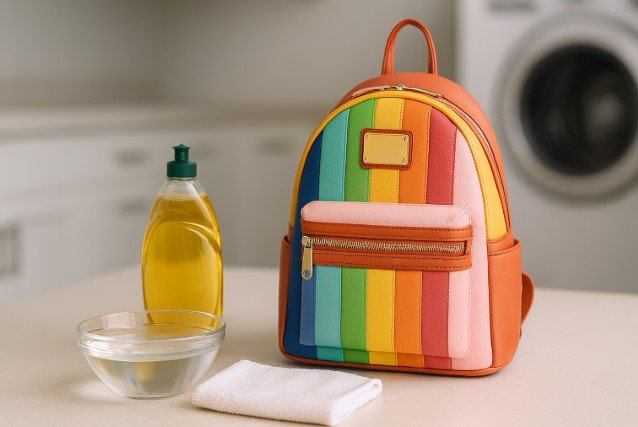
- The Mix: 1 part Dawn dish soap, 4 parts warm water (whipped into a thick lather), and a basic saddle soap for the leather trim.
- Time: 25 minutes of active scrubbing, plus several hours of air drying.
- Effectiveness: 8/10. It won’t look fresh out of the factory, but it will be clean enough to throw on a hotel bed.
So let’s figure out how to clean Hartmann luggage without destroying the internal structure. Because underneath that beautiful, classic exterior is a whole lot of vulnerable cardboard.
Why Hartmann Tweed Needs a Different Approach
Most cleaning guides assume you’re working with synthetic, waterproof fabrics. Vintage Hartmann bags use a heavy wool-blend tweed that acts like a sponge. The moment you introduce too much liquid, it migrates straight through the weave and into the pressed cardboard frame underneath. That cardboard is the entire skeleton of the bag. Once it warps, the bag is finished.
What I Use For This Job
Using the right tools saves time and protects your belongings. Here are my exact recommendations:
*As an Amazon Associate, TidyFormula earns from qualifying purchases.
This is why the dry foam method exists. We clean the surface only — never the structure.
The Frugal Toolkit
I refuse to overcomplicate this. Put your wallet away. You just need:
- A dry, soft-bristle brush: A clean shoe brush or an old toothbrush works fine.
- Basic dish soap: The blue stuff. It cuts grease.
- Two microfiber cloths: One for lifting dirt, one for drying.
- Saddle soap or mild leather conditioner: Because learning how to clean Hartmann leather luggage components is a totally separate beast from the tweed.
- A bowl of warm water.
The Step-by-Step Process
Step 1: The Dry Brush (Do Not Skip This)
And here is where most people fail immediately. If you add water to dusty tweed, you just make mud. Mud sinks deeper into the weave. Take your dry brush and vigorously scrub the entire surface. Listen to the scratching, scraping sound as the bristles dislodge dried dirt. You will probably sneeze a few times as the acrid smell of old airplane cargo holds kicks up into the air. (I ruined a perfectly good canvas tote back in 2018 because I skipped this step and just hit it with a wet sponge. It permanently stained the fabric brown.)
Step 2: Make the “Dry Foam”
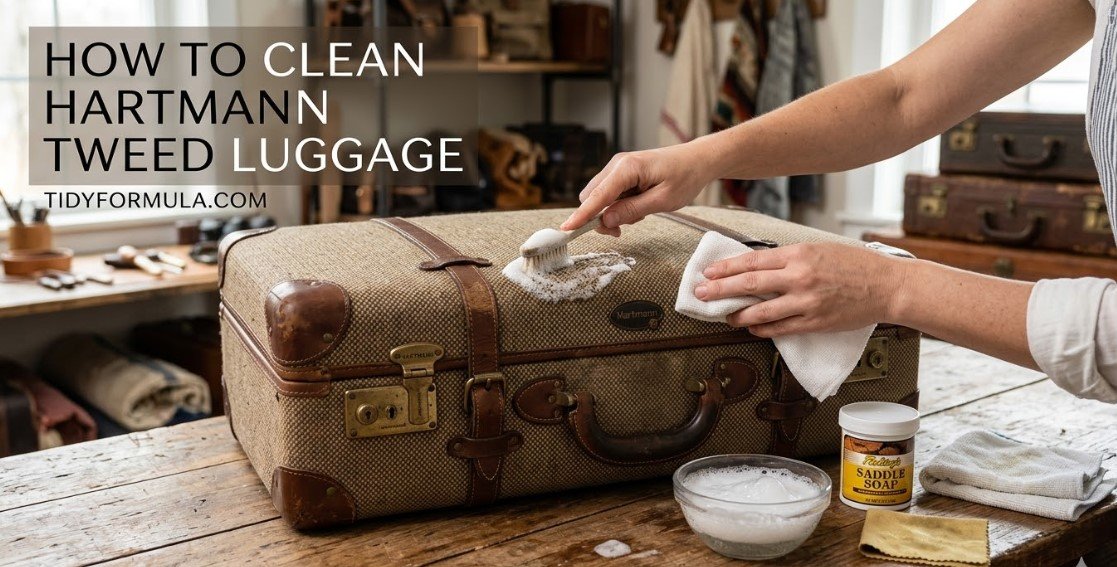
Mix your dish soap and water in the bowl. Now, agitate the hell out of it with your brush or a sponge until you build up a thick, hissing meringue of bubbles on top. We only want the bubbles.
🧪 The Science: Why It Works
We are relying on surfactants here. The foam bubbles act like tiny chemical magnets. One end of the soap molecule attaches to water, and the other end attaches to grease and dirt. By using just the foam, the bubbles trap the grime in suspension right on the surface of the tweed, preventing the dirty water from soaking down into the bag’s structural lining.
Step 3: Spot Clean the Tweed
Scoop up just the foam with your microfiber cloth or soft brush. Gently work it into the tweed in small, overlapping circles. So when you are wondering how to clean Hartmann tweed luggage, the secret is surface-level agitation. Do not press hard.
Step 4: The Wipe Down
Once you’ve scrubbed a panel, immediately take a slightly damp (wring it out until it barely feels wet) clean microfiber cloth and wipe away the soapy residue. And then dry it instantly with a dry towel. Leave the suitcase open in a well-ventilated room to air out. (My cat hates the smell of wet tweed, so I usually stick it by an open window with a fan pointing at it).
Step 5: Reviving the Leather Trim
But what about the handles and corner guards? Hartmann is famous for its belting leather. It dries out and cracks. Take a damp rag, rub a little saddle soap onto it, and work it into the leather in circular motions. The soap cleans the surface grime while leaving behind oils. Wipe it off with a clean rag. It’s 90% better instantly. The leather will darken slightly at first, but it will lighten as it dries.
The Reality Check
Does this fix everything? No. If an ink pen exploded in there in 1985, or a bottle of olive oil leaked, this soap foam method is going to fail. Deep oil stains on tweed are pretty much permanent unless you want to risk harsh chemical solvents, which usually bleach the fabric anyway.
Or if you are just feeling exceptionally lazy, just vacuum the bag with an upholstery attachment, wipe the leather with a damp rag, and call it a day. A little vintage patina never hurt anyone.
FAQ: The Skeptic’s Guide
Can I use a carpet cleaner machine on my Hartmann?
No. The suction is great, but those machines pump way too much hot liquid into the fabric. You’ll destroy the stiffeners.
What about the brass hardware?
Just use a Q-tip and a tiny bit of Brasso. And be incredibly careful not to get the metal polish on the tweed, or it will leave a chalky white stain.
My luggage smells like a wet dog, will this fix it?
The soap helps, but odor lives in the lining. Try leaving a bowl of dry baking soda inside the closed suitcase for three days to absorb the smell. Read more about removing musty smells from fabric if it’s stubborn.
Is baby wipes safe for the leather?
I wouldn’t. They contain alcohol and chemicals that dry out belting leather. Stick to proper leather cleaners or saddle soap.
Can I put the internal lining in the washing machine?
Only if it completely unzips and detaches from the bag. Most don’t. Spot clean the inside exactly like the outside.
Looking for more ways to salvage old finds without going broke? Check out our guides on restoring general vintage luggage, the right soft-brush techniques for delicate fabric, or read up on general fabric care standards over at The Spruce.
Everything Mentioned Above
Before you leave, grab the tools you need to get the job done right the first time:
*As an Amazon Associate, TidyFormula earns from qualifying purchases.